filter_list Showing 6 results for "Emily" close Clear
dashboard All 6 museum exhibitions 4article culture 1article local 1
date_range Range Today This Week This Month All
Subscribe

Minnie Pwerle, Emily Pwerle, Molly Pwerle, Galya Pwerle at Château Shatto

Château Shatto gallery in Los Angeles is presenting a group exhibition featuring works by Minnie Pwerle, Emily Pwerle, Molly Pwerle, and Galya Pwerle, four Indigenous Australian artists from the Anmatyerre community. The show highlights their distinctive painting styles, which often draw on ancestral stories and bold abstract patterns, continuing the legacy of Aboriginal art in a contemporary gallery context.

New Perspectives: "Roy Lichtenstein in the Studio"

The Dallas Museum of Art (DMA) and the Nasher Sculpture Center have jointly opened "Roy Lichtenstein in the Studio," a landmark two-venue exhibition celebrating the pop artist's centennial. Organized by curators Dr. Catherine Craft, Ade Omotosho, and Dr. Emily Friedman, the show features over 50 works gifted by the Roy Lichtenstein Foundation, which is closing its operations. The exhibition marks the first collaboration between the neighboring institutions since "Matisse as Sculptor" nearly 20 years ago, and includes prints, drawings, maquettes, and sculptures that establish Dallas as a study center for Lichtenstein's work.

Review: Manet-Morisot exhibition is a deep dive into artistic ways of seeing, making

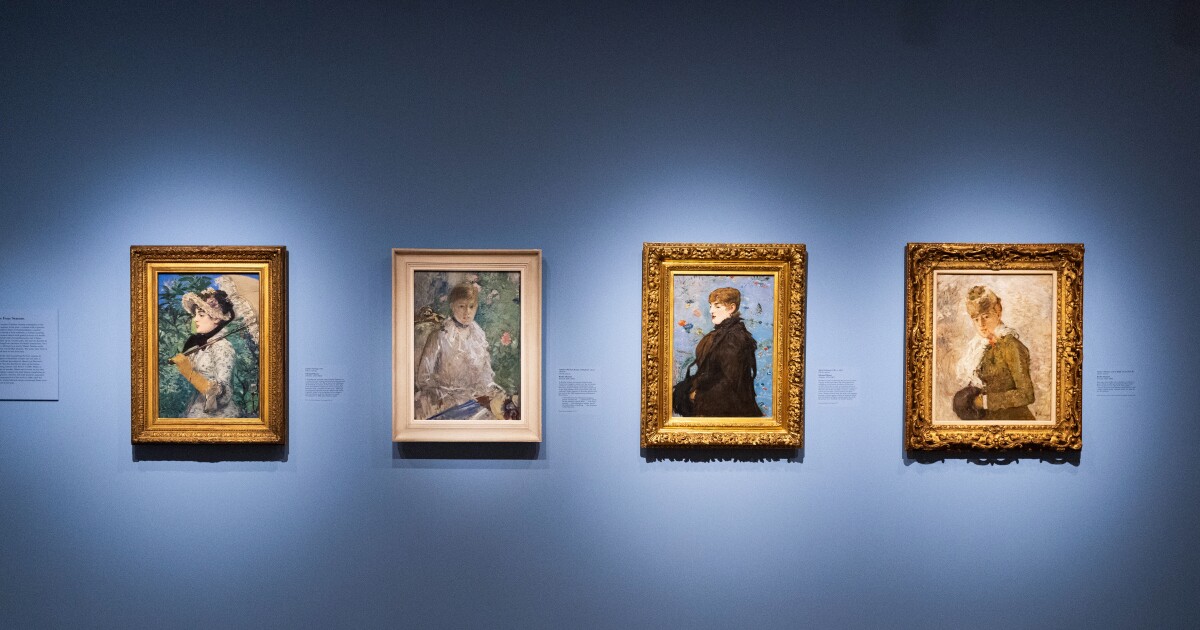
The Cleveland Museum of Art's spring exhibition examines the artistic relationship between 19th-century French Impressionist painters Édouard Manet and Berthe Morisot, showcasing 36 paintings and seven works on paper. Organized by curator Emily Beeny of the Fine Arts Museums of San Francisco, the show is the first to closely analyze how the two artists influenced each other, correcting the historical record that long positioned Manet as the dominant figure while undervaluing Morisot's contributions. Through side-by-side juxtapositions, the exhibition reveals that Manet may have taken more from Morisot than she from him, highlighting their collaborative and competitive dialogue over 15 years.

"There are no minor or feminine arts." Domitilla Dardi explains this in her new book

“Non esistono arti minori o femminili”. Ce lo spiega Domitilla Dardi nel suo nuovo libro

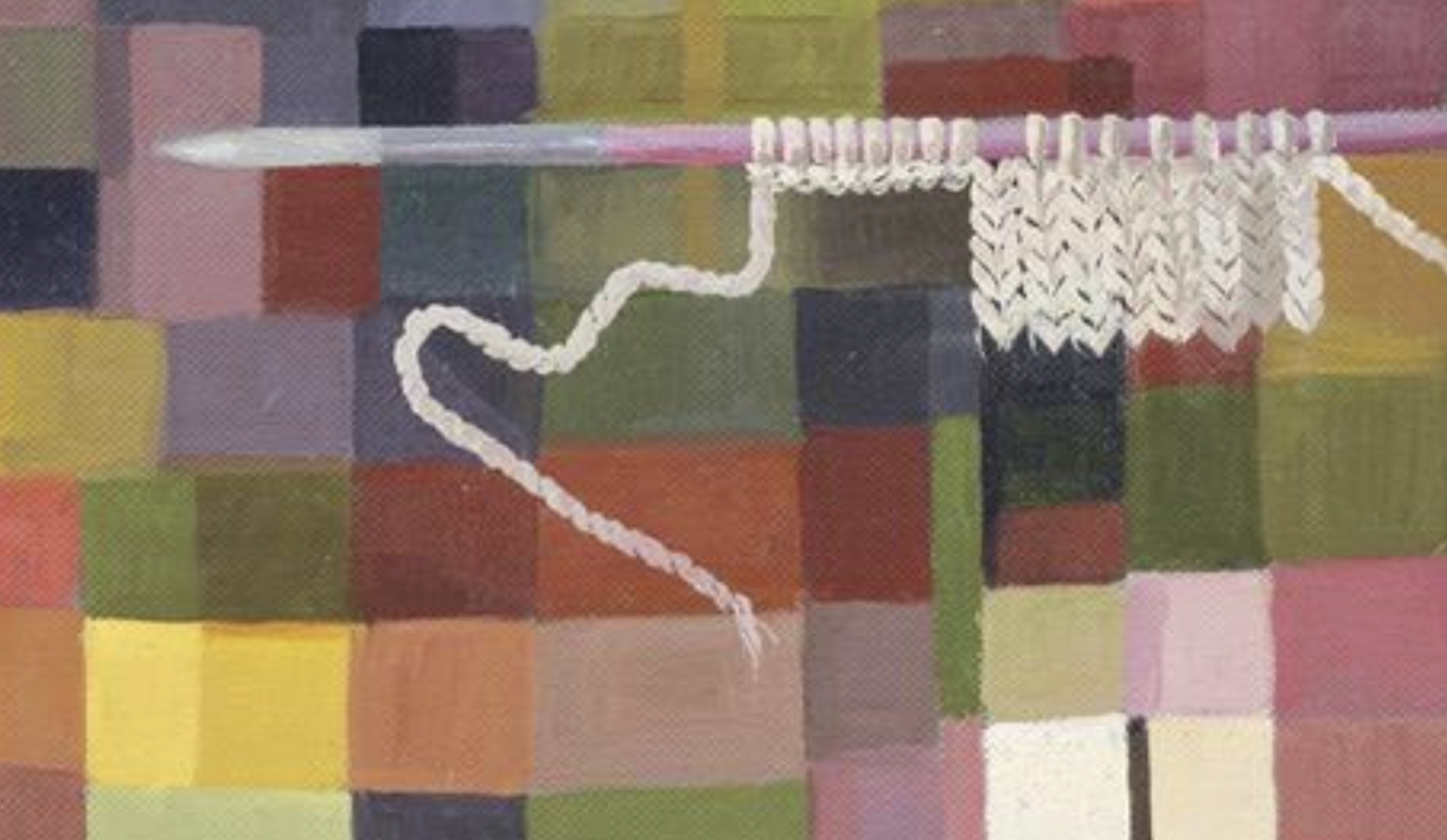
Domitilla Dardi's new book "Cucire Universi" (published by Einaudi) presents a counter-history of design, focusing on techniques traditionally dismissed as "feminine" and "minor"—such as sewing, ceramics, cooking, and knitting. The book argues that these practices have been systematically undervalued by official art histories, yet have contributed significantly to technologically advanced research fields. Dardi uses real historical figures like Emily Dickinson to illustrate how women's creative and scientific talents were channeled into these marginalized domains, and she calls for overcoming the dualistic view that separates art from craft.

Hoffman Gallery hosts works by art instructors

The Hoffman Center Gallery in Manzanita, Oregon, is hosting a May exhibition featuring works by faculty members from the Pacific Northwest College of Art in Portland. Titled "The Goat Island project," the show includes pieces by Teresa Christiansen, Kristin Bradshaw, Emily Ginsburg, Yoshi Kitai, David Eckard, Matthew Letzelter, Michelle Ross, and Kate Copeland, opening April 30 and running through May 30, with a free public reception on May 2.

A Napoli c’è una mostra ispirata a Emily Dickinson dove è la luce a creare le opere

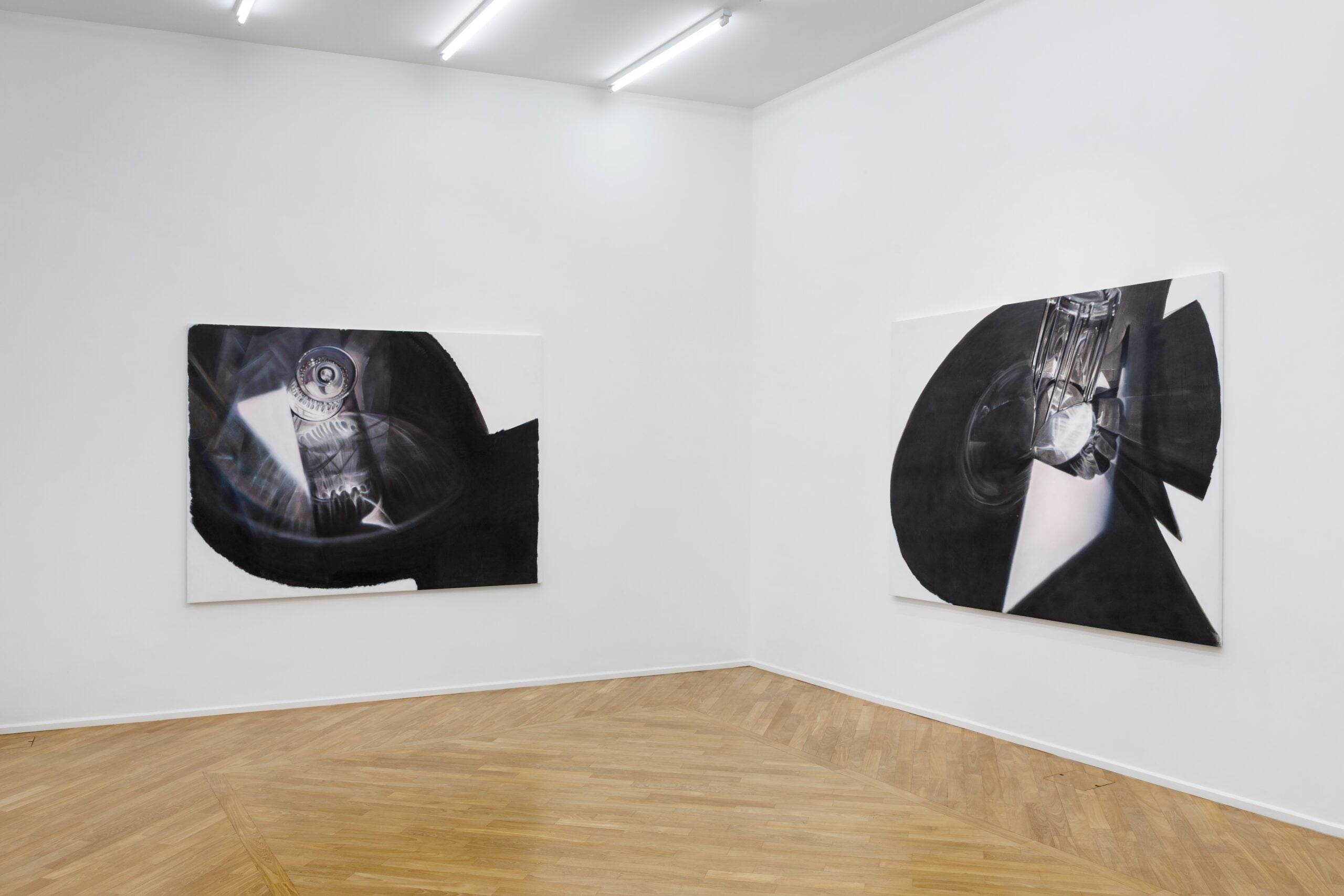
Diego Perrone's exhibition "There's a certain Slant of light" opens at Galleria Umberto Di Marino in Naples, taking its title from an Emily Dickinson poem. The show features new photographic and painted works born from the artist's observation of light passing through domestic glass objects in Naples, where architecture and daily life are shaped by an interplay of light and shadow. Photographs are enclosed in hand-molded glass frames, while large surfaces created with airbrush, charcoal, and chalk present shadow fields on white backgrounds, forming a visual sequence that unfolds like a film in black and white.