filter_list Showing 6 results for "Fault Lines" close Clear
search
dashboard All 6 museum exhibitions 3article news 2article local 1
date_range Range Today This Week This Month All
Subscribe

Prize commemorates Henrike Naumann – MMK takes over estate

Preis erinnert an Henrike Naumann – MMK übernimmt Nachlass

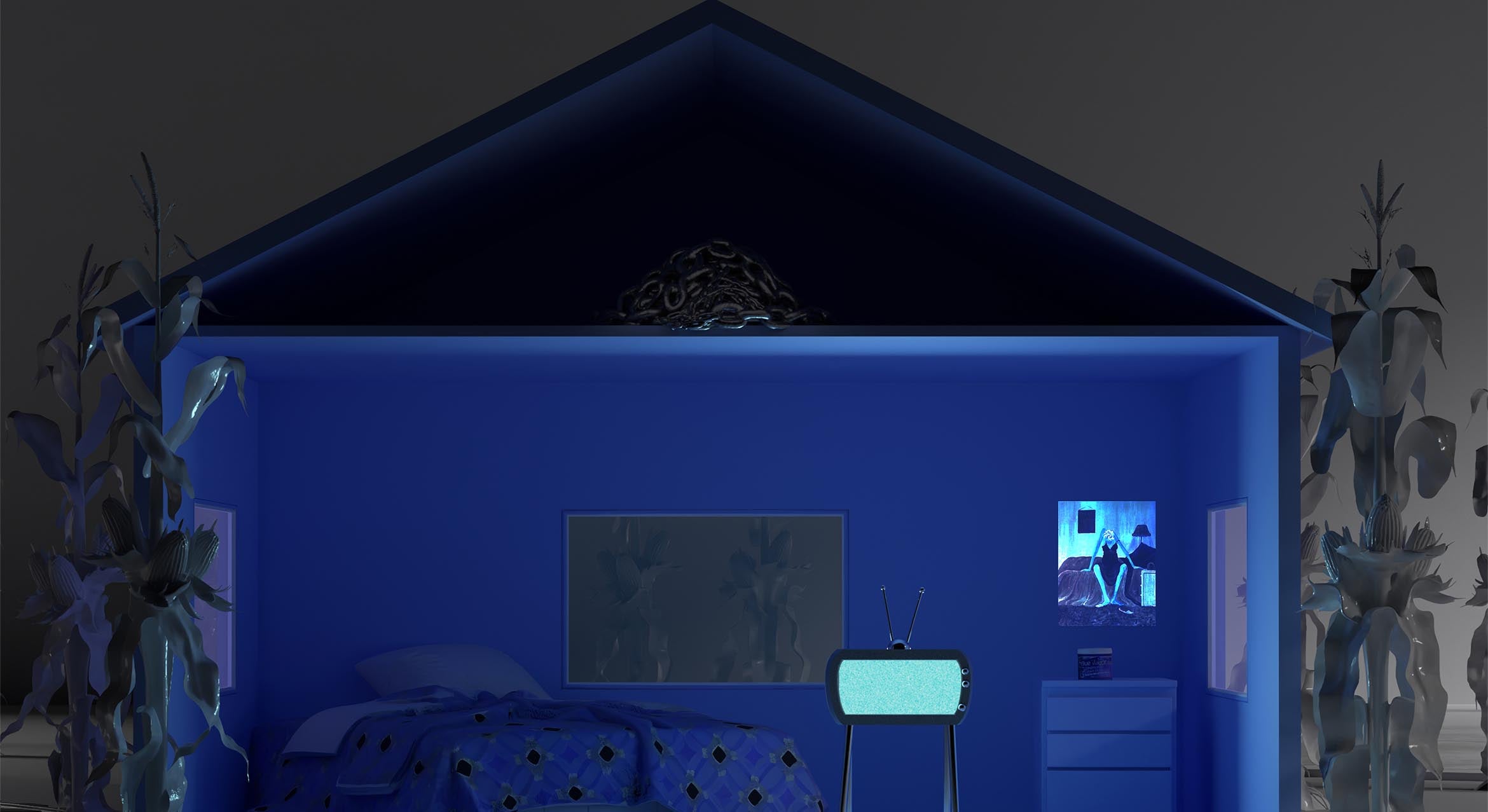
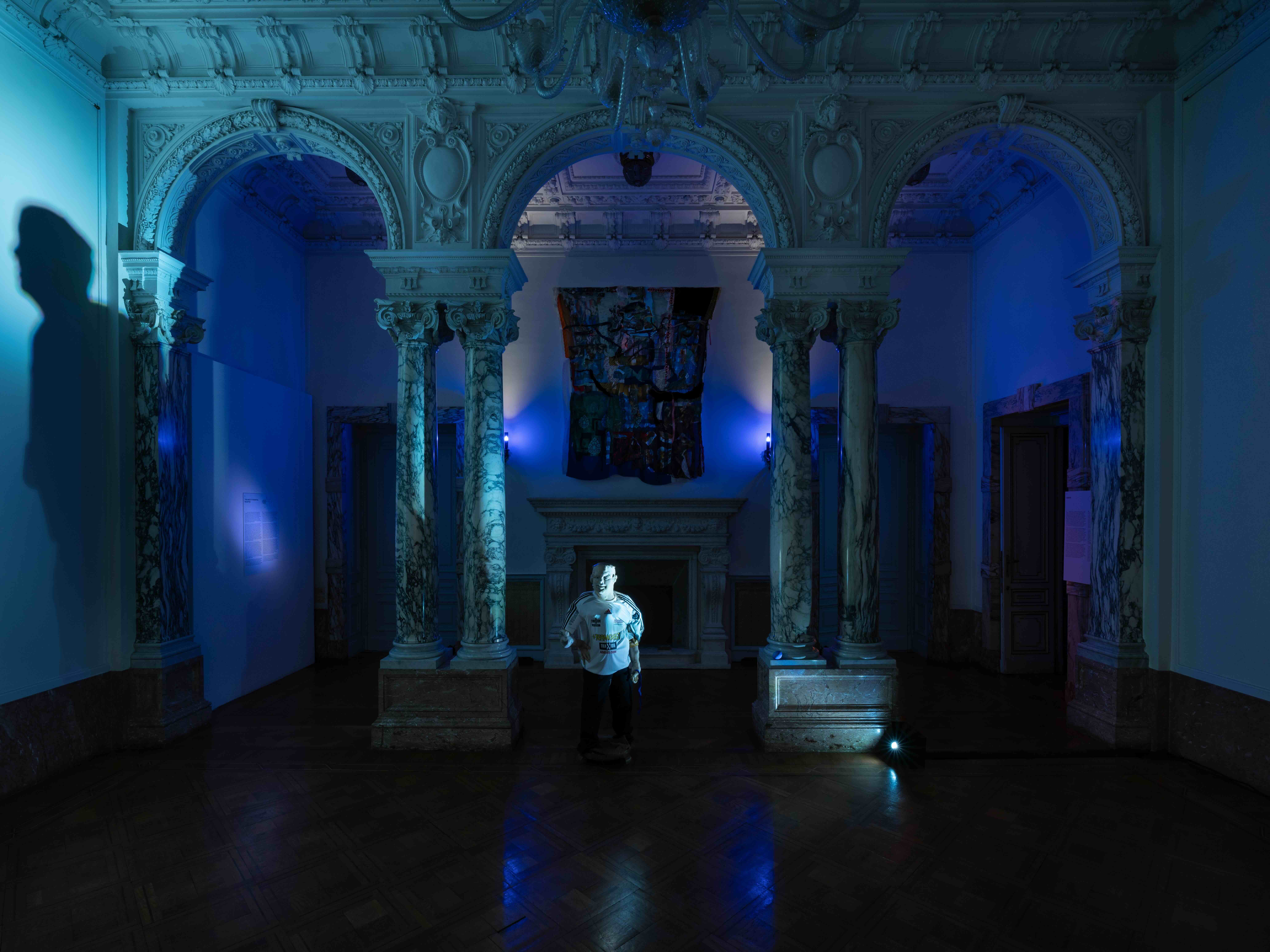
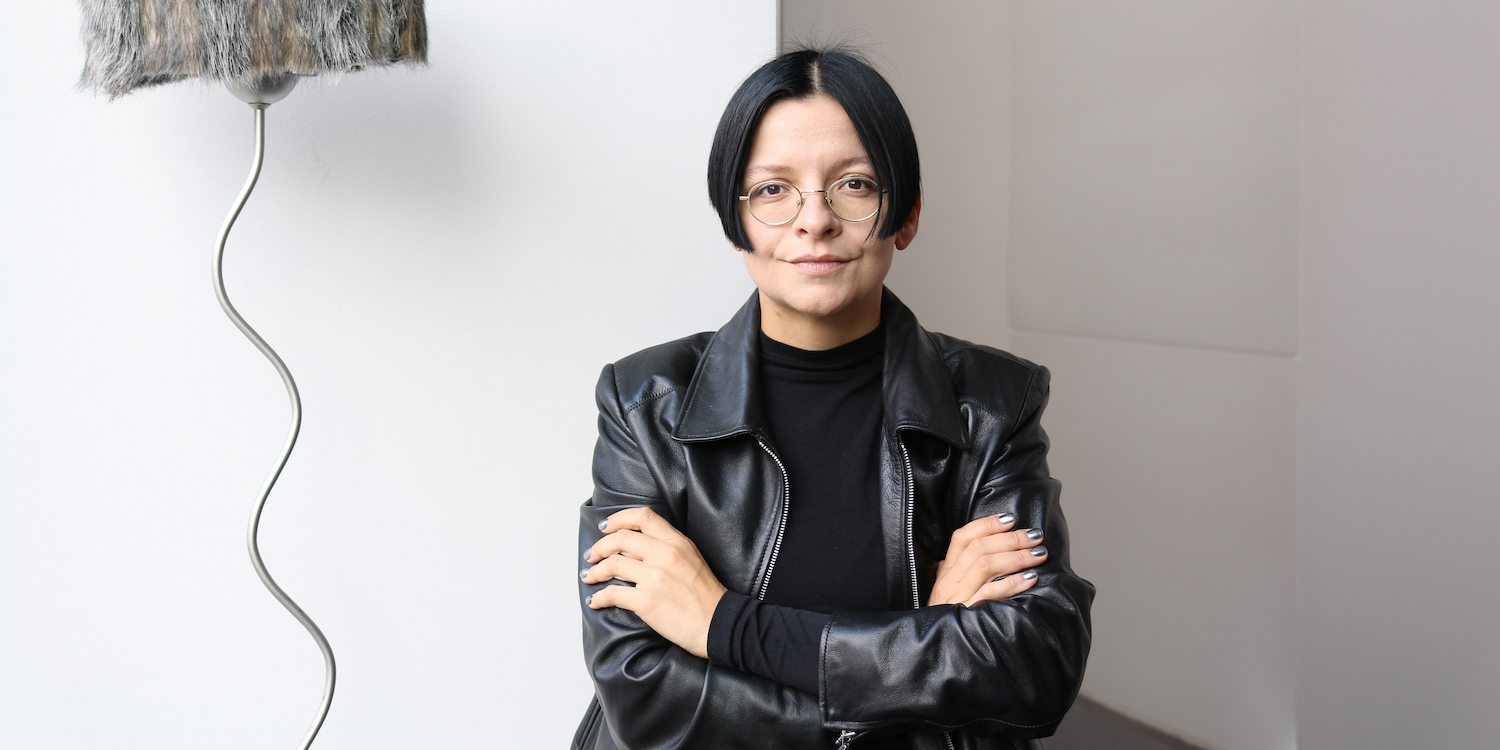
A new prize named after the late artist Henrike Naumann has been established by the Institut für Auslandsbeziehungen (ifa) and the Zeit Stiftung Bucerius, coinciding with her posthumous presentation at the German Pavilion of the Venice Biennale. The €15,000 Henrike-Naumann-Preis für Bildende Kunst, plus €5,000 in production funds, will be awarded regularly starting this year to early- to mid-career artists whose work engages with social transformation, political fault lines, or transnational contexts. Meanwhile, the Museum für Moderne Kunst Frankfurt (MMK) has acquired Naumann's estate, which will be catalogued and made publicly accessible to ensure her work receives long-term scholarly and curatorial attention.
Venice Biennale’s Russian Pavilion and Pussy Riot Spar Over Usage of Protest Footage

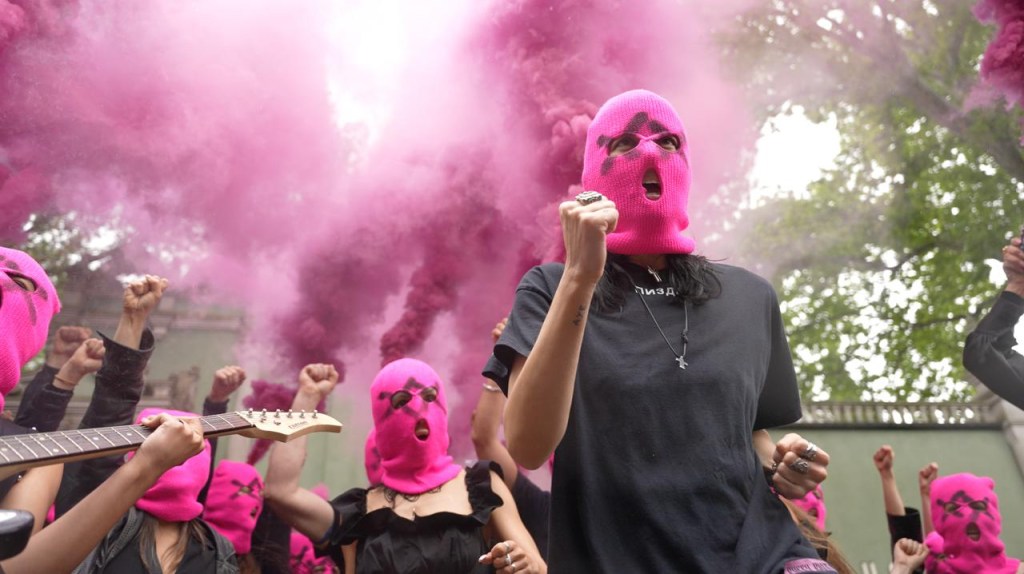
The Russian Pavilion at the 2026 Venice Biennale has become embroiled in a new controversy after accusing the anti-Putin art collective Pussy Riot of censorship. The pavilion posted on Instagram that Pussy Riot demanded the removal of footage featuring them from a documentary film about the pavilion's project, labeling the request as self-censorship. Pussy Riot responded sarcastically, questioning the pavilion's use of Instagram given Russia's 2022 ban of the platform. The dispute follows earlier protests at the pavilion's opening, led by Pussy Riot and FEMEN, against Russia's participation in the Biennale amid its ongoing invasion of Ukraine.

The best galleries in Colombo for art and design lovers

The article highlights the best galleries and cultural spaces in Colombo, Sri Lanka, which is emerging as a vibrant cultural hub in Asia. It features established venues like the Sapumal Foundation, founded by painter Harry Pieris, the Barefoot Gallery, and the Colombo National Museum, alongside newer spots such as the Museum of Modern and Contemporary Art Sri Lanka and Millennium Art Contemporary. Notable artists mentioned include Tilak Samarawickrema, Chamila Gamage, and the historic '43 Group, which includes George Keyt and Lionel Wendt. The article also spotlights Radicle, Colombo's newest gallery, which recently hosted Priyantha Udagedara's solo exhibition "Terra Nullius."

MFA students featured in exhibition at AD&A Museum

Graduating Master of Fine Arts students from UC Santa Barbara are presenting their work in the exhibition “Fault Lines” at the Art, Design & Architecture Museum from May 23 to June 7. The show features seven artists—Tiffany Aiello, Alexis Childress, Hope Christofferson, Emily d’Achiardi, Negar Farajiani, Vivek Karthikeyan, and KeyShawn Scott—whose works explore physical and conceptual boundaries through installations, sculpture, video, painting, and public art. Themes include queer and neurodivergent identity, systemic racism, consciousness, and the interplay of fact and fiction.

Animated Bodies

Animierte Körper

Latefa Wiersch presents her exhibition "Atlas Studios" at the Istituto Svizzero in Rome, featuring unsettling, puppet-like sculptures that resemble film sets. The works explore themes of bodily helplessness, imperfection, and geopolitical displacement, drawing on her earlier project "Hannibal" at the Dortmunder Kunstverein, which addressed post-migrant German realities and the demolition of a housing complex. The new installation references the Atlas Studios in Ouarzazate, Morocco, and the history of cinema, with figures made from rags and nylon stockings that appear as actors or set workers.

Five-Minute Tours: Mark Wade at Andrew Durham Gallery, Houston

Andrew Durham Gallery in Houston is presenting "Long Division," a solo exhibition of works by artist Mark Wade, on view from March 28 to May 23, 2026. The show features Wade's mixed-media pieces that explore historical fault lines in the United States, particularly the American Indian Wars, using fragmented and reconstructed materials to question how national narratives are formed and suppressed.