filter_list Showing 7 results for "Fever" close Clear
dashboard All 7 museum exhibitions 4article culture 2rate_review review 1
date_range Range Today This Week This Month All
Subscribe

Fever Pitch: On Bourgeois Coldness by Henrike Kohpeiß

The article is a critical essay analyzing Henrike Kohpeiß's new book, 'Bourgeois Coldness,' which examines the concept of coldness as an affective strategy of the bourgeois subject. Kohpeiß traces this subjectivity from its mythological roots in Homer's Odyssey to its modern manifestations, arguing that it is forged in and sustained by structures of racial exploitation and colonial power, despite claims of abolition.
Three years after, Adelakun takes 45 KókóEwà to Mydrim

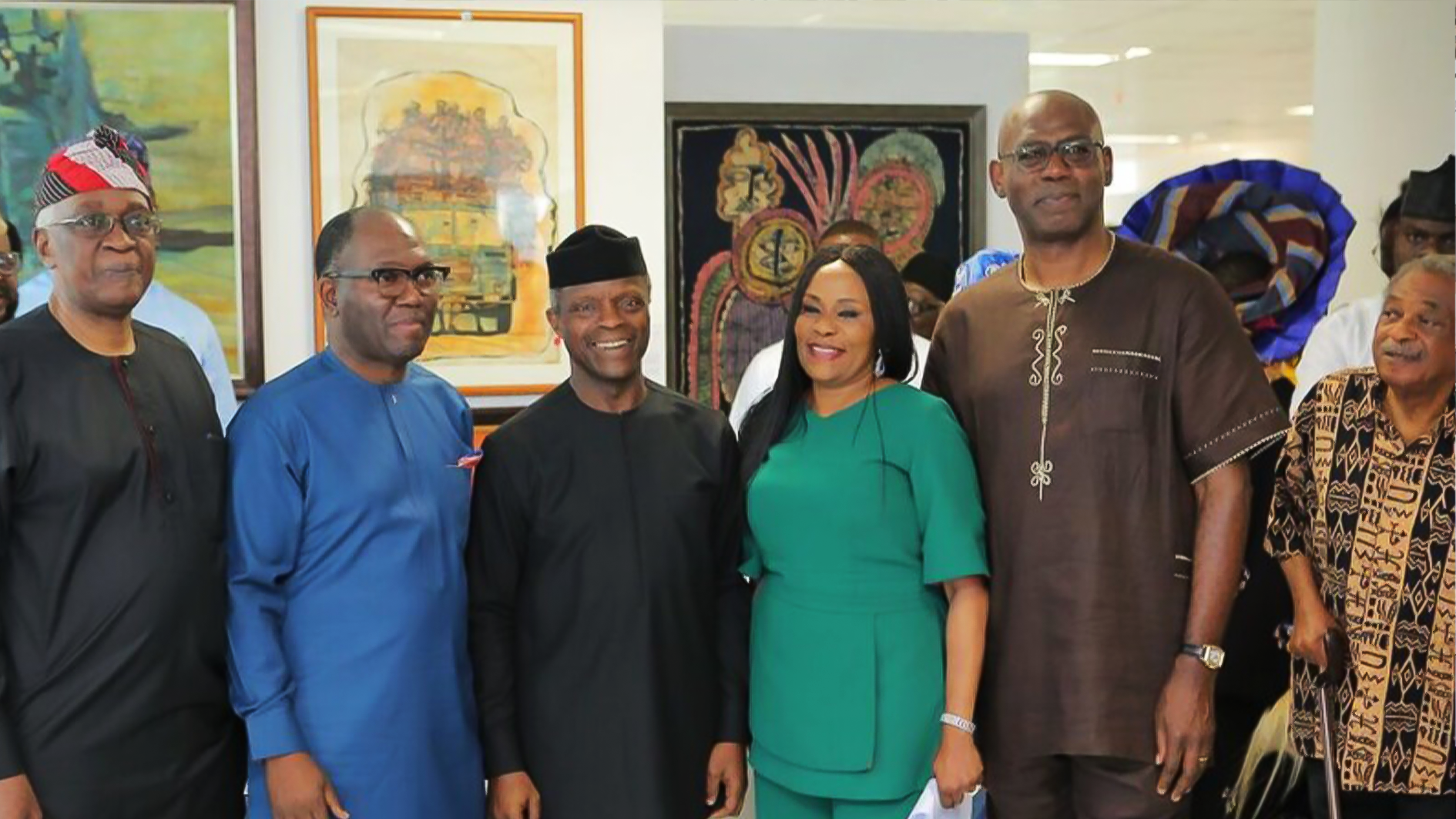
Prince Saheed Adelakun has returned to Mydrim Gallery in Lagos for a solo exhibition titled "KókóẸwà" (Essence of Beauty), featuring 45 new works. The exhibition is divided into two distinct series: "Dúdúyẹmí," which celebrates the natural richness of dark skin and traditional adornments, and "Ojú Tó ń Sọ̀rọ̀," a collection of portraits focusing on the expressive power of the human gaze. Utilizing a unique and labor-intensive rope medium, Adelakun explores themes of femininity, resilience, and cultural identity.

Michael Armitage and the Feverish Memory of Images

Michael Armitage und das fiebrige Gedächtnis der Bilder

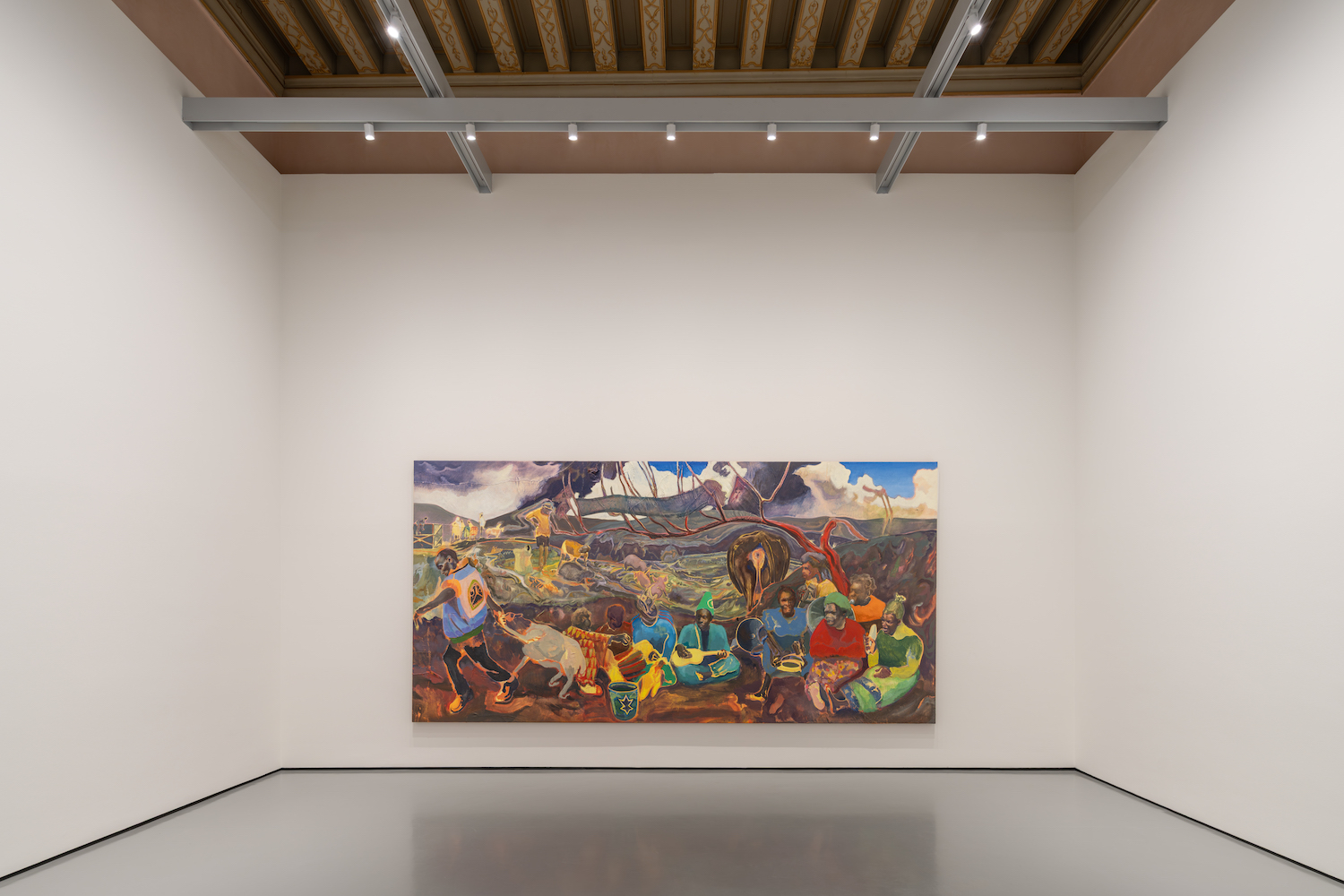
The British-Kenyan painter Michael Armitage is the subject of a major solo exhibition at the Palazzo Grassi in Venice, part of the Pinault Collection. The showcase features new works, including the titular painting "52,000 Years," which references prehistoric cave art while weaving together themes of political unrest, the refugee crisis, and lush landscapes. Armitage’s technique is noted for its use of Lubugo bark cloth, a traditional Ugandan material that adds a tactile, irregular dimension to his complex figurative compositions.

At the Feast of the Revolution: A Film to Tell the Story of Gabriele D’Annunzio’s Fiume Enterprise

Alla Festa della Rivoluzione. Un film per raccontare l’impresa a Fiume di Gabriele D’Annunzio

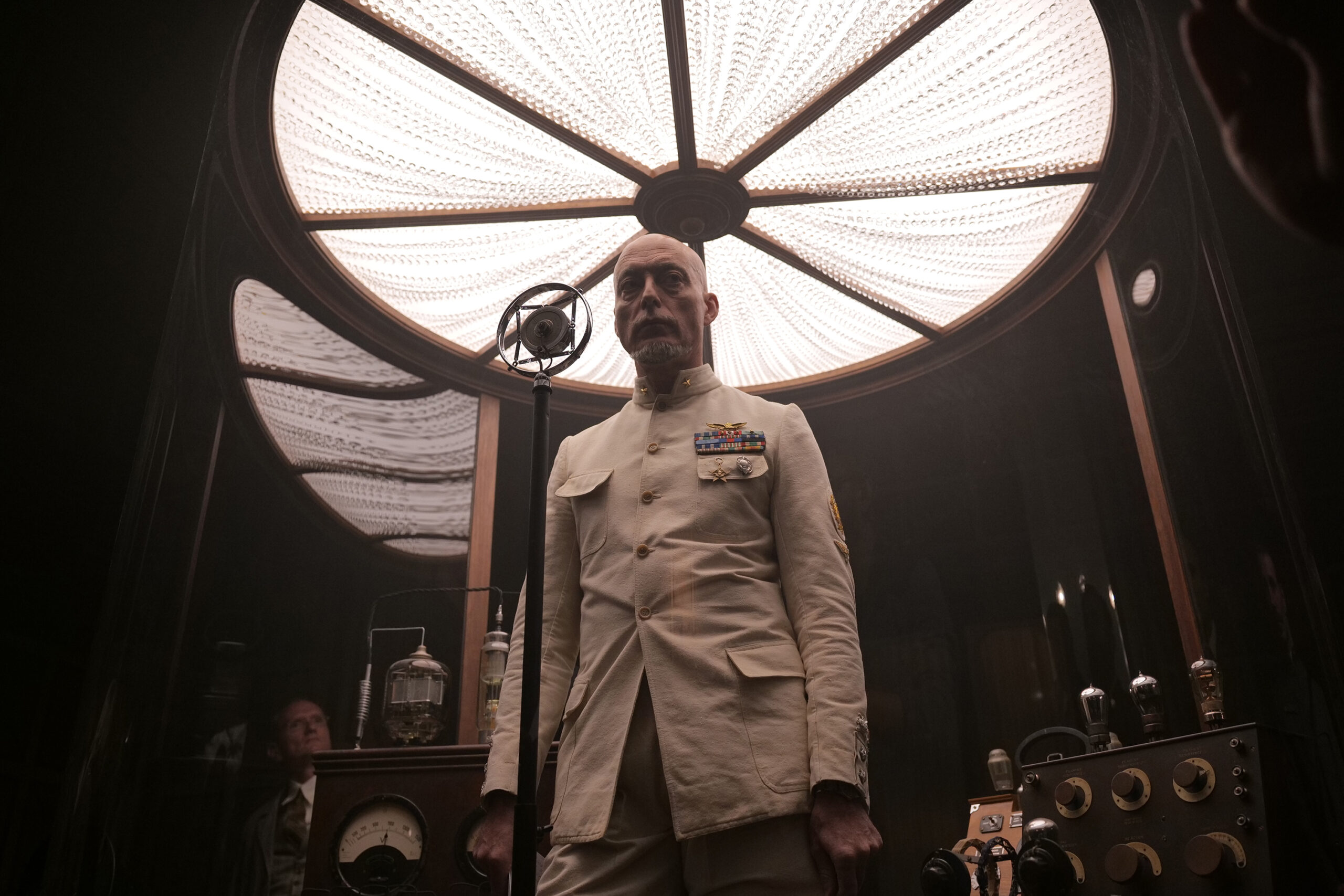
Director Arnaldo Catinari’s new film, *Alla Festa della Rivoluzione*, explores the 1919 occupation of Fiume led by the poet-soldier Gabriele D’Annunzio. Distributed by 01 Distribution and set for a mid-April release, the film depicts the city-state as a visionary laboratory where art served as a structural foundation and social hierarchies were temporarily dismantled. The narrative follows three fictional characters—a spy, a government official, and a deserter—whose lives intersect amidst the political and aesthetic fever of the D’Annunzio enterprise.

DFW museums kick off World Cup fever with soccer-themed exhibitions

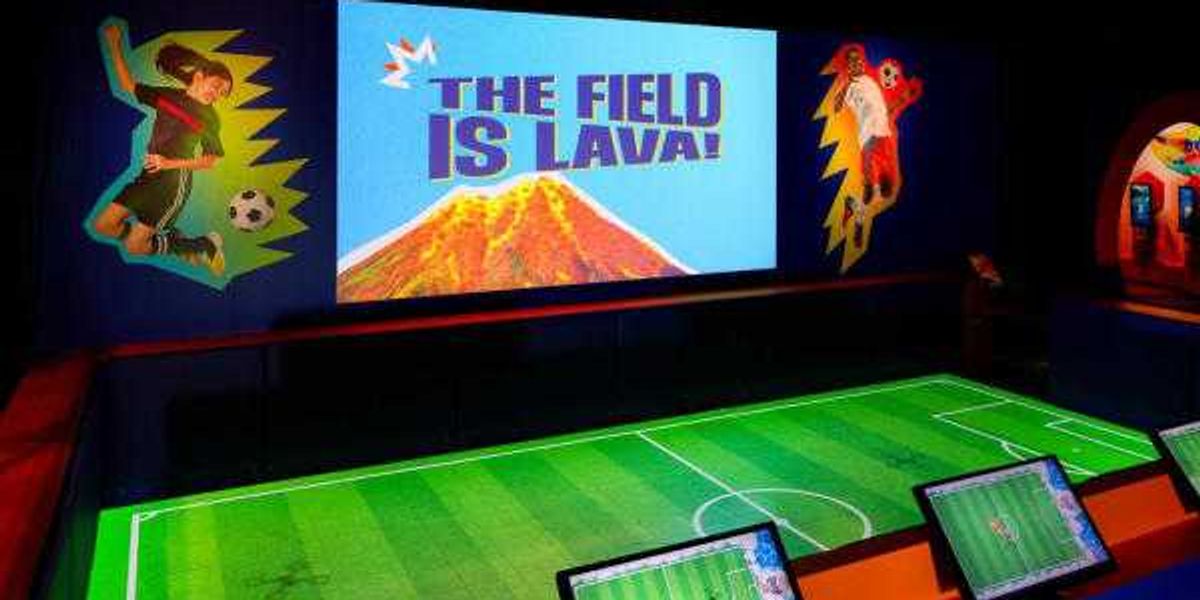
Several Dallas-Fort Worth cultural institutions are launching a series of soccer-themed exhibitions to coincide with the upcoming FIFA World Cup matches at AT&T Stadium. These showcases range from the Arlington Museum of Art’s multi-part historical exploration "More Than a Match" to the Latino Cultural Center’s solo exhibition of Mexican artist Jazzamoart, whose paintings translate the rhythm and emotion of the sport into expressive canvas works.

Folklore and Nature Converge in Cat Johnston’s Expressive, Eccentric Puppets

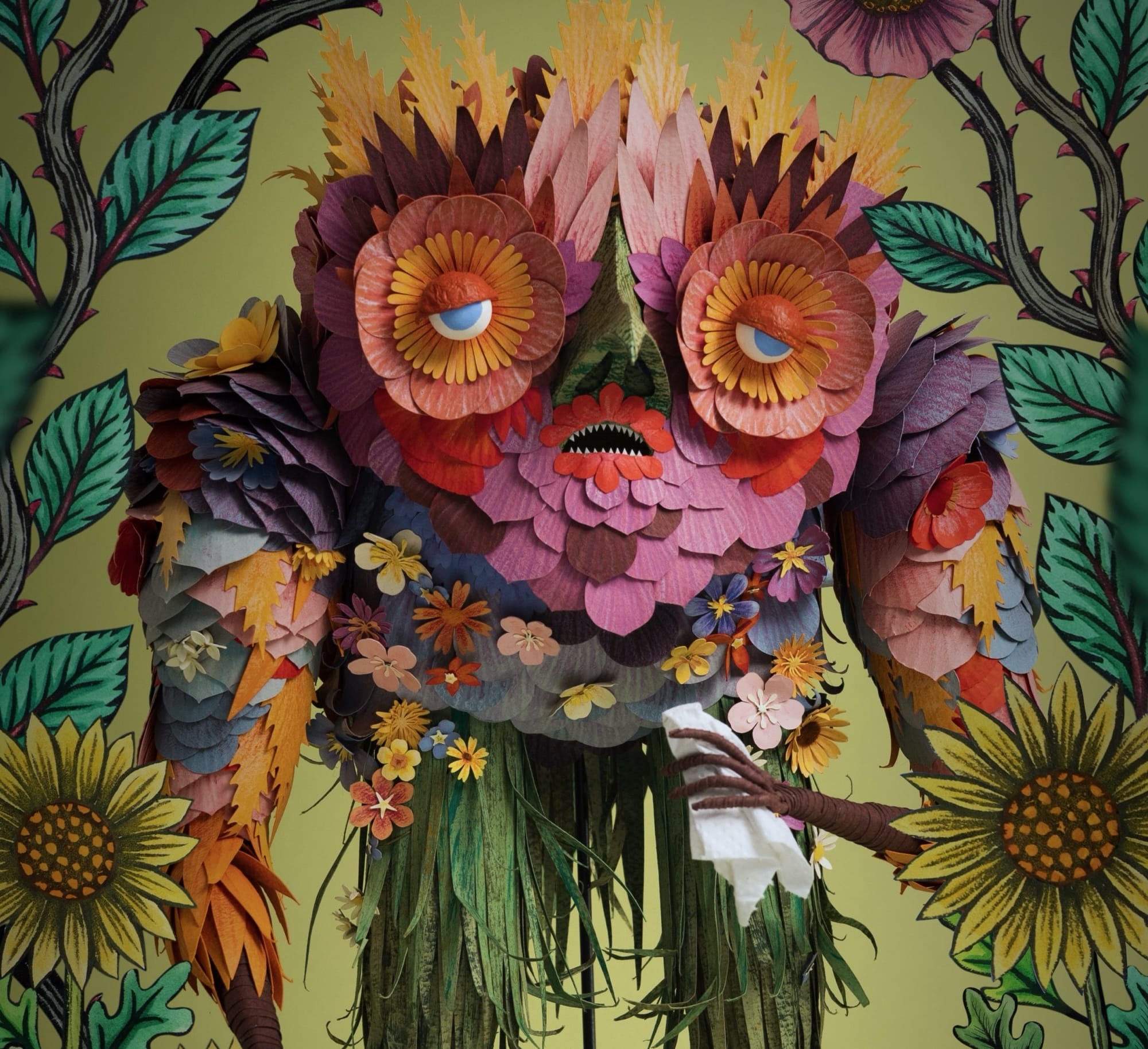
London-based artist Cat Johnston creates expressive puppets and sculptures that blend folklore, nature, and childhood memories into eccentric characters like a fashionable bat, a melancholy sun, and gods representing sunburn, hay fever, and insomnia. Her work, which draws on historical costumes and emotive, cartoonish faces, inhabits dreamlike realms where the familiar meets the strange.

Review: Getting lost in the art is the best part of LACMA’s new revisionist fever dream of a museum

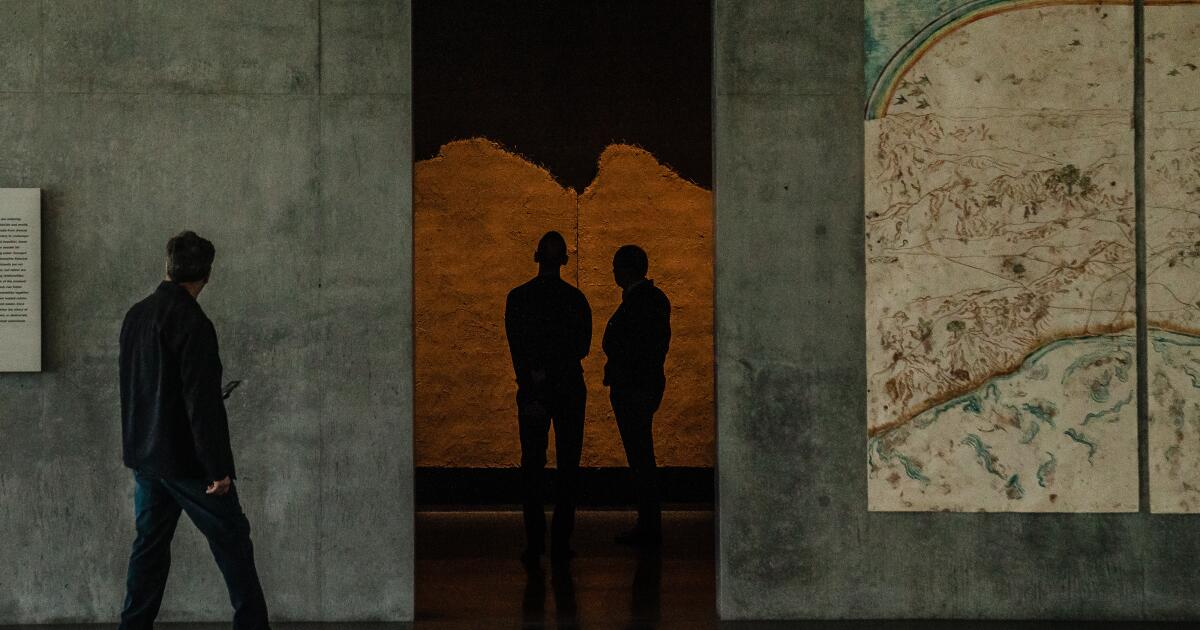
The Los Angeles County Museum of Art (LACMA) has opened its new David Geffen Galleries, a radical reinvention of the museum experience. The installation, conceived by director Michael Govan and architect Peter Zumthor, abandons traditional chronological and departmental silos, instead creating a continuous, curving flow of art from across time, place, and medium. Visitors are encouraged to wander and get lost, forging their own connections between works.