filter_list Showing 6 results for "Galleria Borghese" close Clear
search
dashboard All 6 article policy 4trending_up market 1article news 1
date_range Range Today This Week This Month All
Subscribe

Borghese Gallery Faces Pushback Over New Building Plan

The Borghese Gallery in Rome has proposed building an adjacent facility to expand its exhibition space and increase visitor capacity beyond the current limit of 360 people per two-hour slot. The museum, which welcomed over 630,000 visitors in 2025, argues the expansion is needed to display works long held in storage. A press conference is scheduled for May 19 to provide further details.
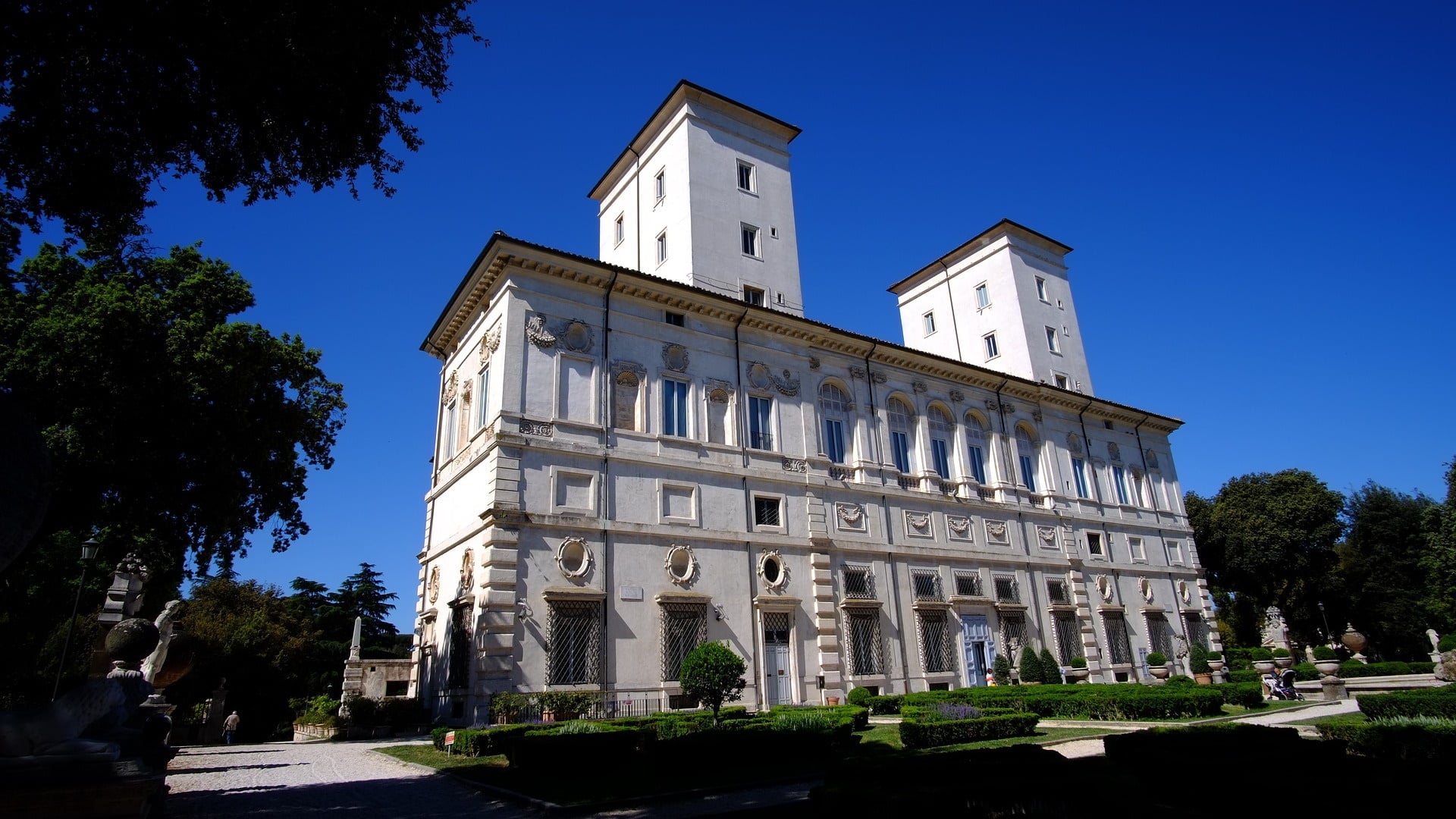
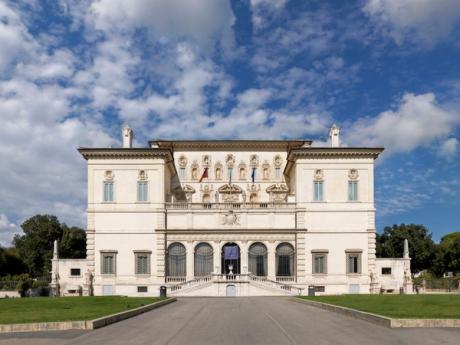
A new wing to solve the problems of the Galleria Borghese in Rome. Beautiful challenge, tedious controversy

Una nuova ala per risolvere i problemi della Galleria Borghese a Roma. Bella sfida, stucchevoli polemiche

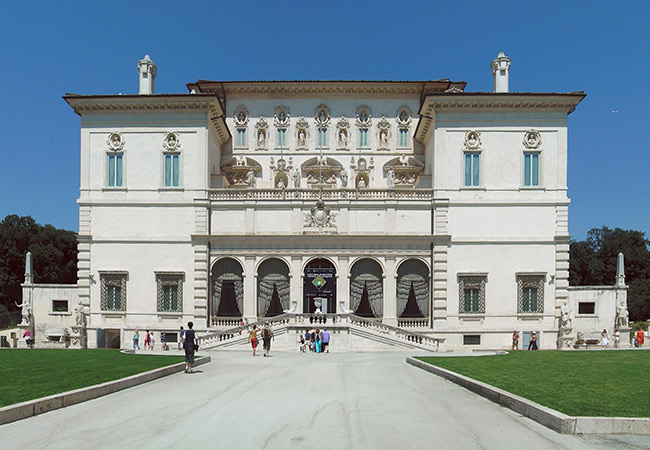
The Galleria Borghese in Rome, one of Italy's most extraordinary museums, faces significant accessibility and capacity issues due to its historic 17th-century structure. The museum is difficult for visitors with disabilities, overcrowded, and forces visitors to book far in advance—often waiting over a month for a time slot—while many masterpieces remain in storage. In 2025, the engineering firm Proger offered to sponsor a feasibility study for a new wing, contributing nearly 900,000 euros to fund an international architecture competition and a technical-economic feasibility plan. The study, currently underway, aims to explore whether a new annex can be built within the protected Villa Borghese park to create new entrances, exhibition spaces, and services.

Expansion plans for Rome's Galleria Borghese draw fierce response

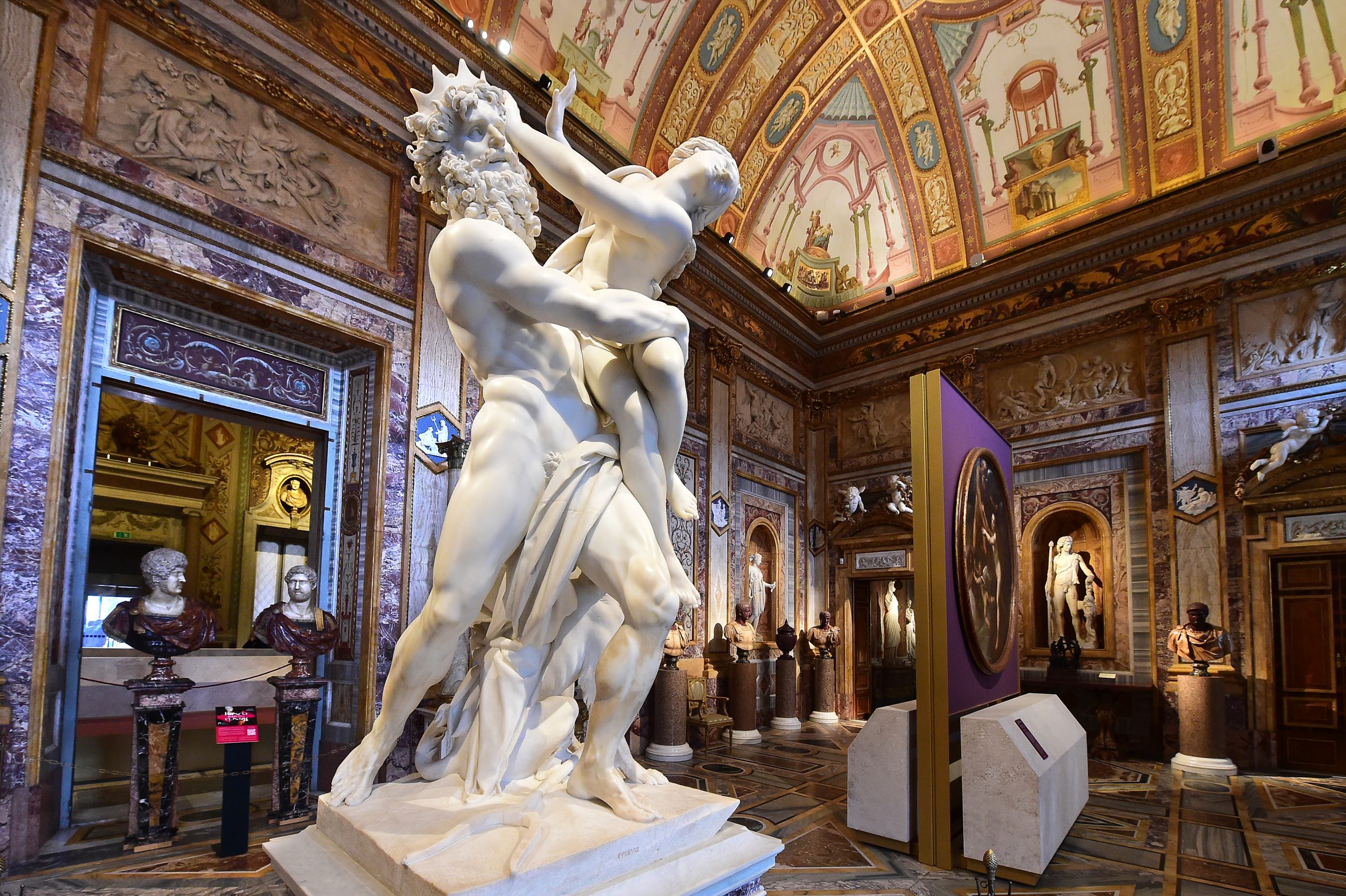
Rome's Galleria Borghese, a 17th-century villa museum housing masterpieces by Caravaggio, Bernini, and Canova, is facing controversy over a privately funded feasibility study for a potential expansion. Sponsored by Italian engineering firm Proger, the €900,000 initiative would fund an international architecture competition to explore adding exhibition and visitor space to the Villa Borghese Pinciana grounds. Museum officials cite operational constraints: the historic interiors limit access to 360 visitors per two-hour slot (about 4,000 daily), reservations require weeks of waiting, many works remain in storage, and accessibility is poor. Visitor numbers hit a record 630,760 in 2025, up from 506,000 a decade earlier. Preservation groups including Italia Nostra Roma and Amici di Villa Borghese have objected to any new construction in the sensitive historic landscape. Director Francesca Cappelletti emphasized at a May 18 press conference that no project exists yet and the museum is only beginning a study process, with a winner possible by year's end.

A Rediscovered Beato Angelico Takes Center Stage at Pandolfini's Old Masters Auctions in Florence

Un Beato Angelico riscoperto protagonista alle aste di arte antica di Pandolfini a Firenze

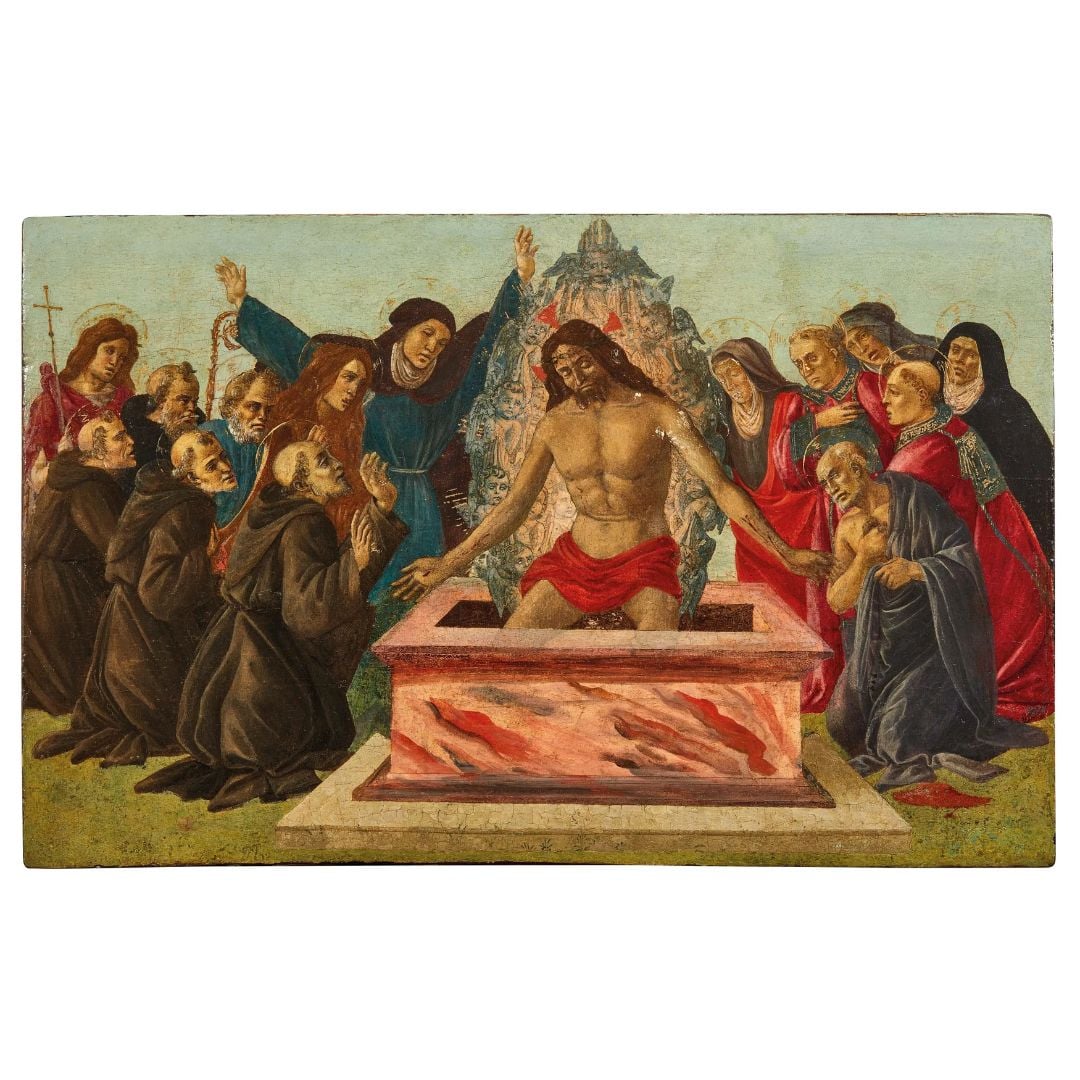
Pandolfini auction house in Florence will auction a rediscovered fragment of Beato Angelico's *Tebaide* on May 20, 2026, after it had been missing for fifty years. The attribution was confirmed by comparison with the version held at the Museo di San Marco and formerly at the Galleria degli Uffizi. The auction house's Old Masters department, led since 2025 by young director Nicolò Pitto, has achieved strong results, including over €5 million in total revenue for the year, with top lots such as Artemisia Gentileschi's *Cleopatra* (€595,600) and a French School *Saint Catherine of Alexandria* (€620,000).

In Rome, the extension of the Galleria Borghese provokes a revolt

À Rome, l’extension de la Galerie Borghèse provoque une fronde

The Galleria Borghese in Rome has sparked controversy by initiating a feasibility study for a new building attached to its 17th-century villa. Museum director Francesca Cappelletti, in office since 2020, cites the need to increase visitor capacity, improve security, and create spaces for mediation, conferences, and temporary exhibitions. The museum, which saw nearly 630,000 visitors in 2025, operates with strict two-hour time slots capped at 180 people, often sold out in high season. Engineering firm Proger has offered to fund the study for €875,750 in exchange for institutional visibility, and Rome's mayor Roberto Gualtieri has declared the project of public interest.

Why Italy's cultural wealth never really enters public accounts and budgets?

Perché la ricchezza culturale italiana non entra mai davvero nei conti e nei bilanci pubblici?

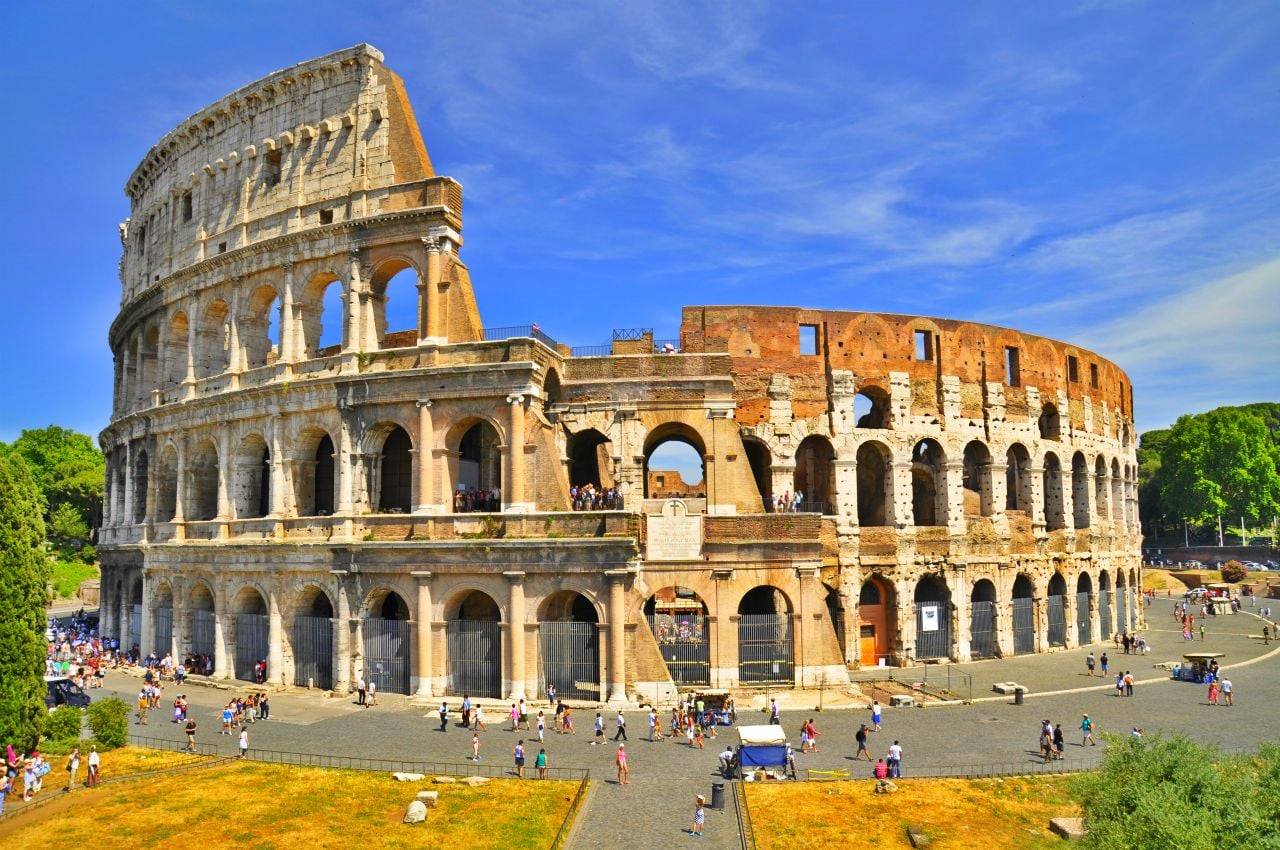
Italy has exceeded the European Commission's structural adjustment path by 0.1 percentage points of GDP, reopening fiscal scrutiny. Amid this debate, the article highlights a deeper issue: Italy's immense cultural heritage is drastically undervalued in public accounts. For example, the Pompeii Archaeological Park is recorded at just €48.9 million, the Colosseum at under €15 million, and the Uffizi at about €2 billion—figures based on outdated 2002 ministerial criteria that bear no relation to actual economic or cultural worth. The State General Accounting Office, with the University of Roma Tre and EU technical assistance, has proposed a new methodology to value cultural assets by discounting their future net financial flows, including direct revenues and indirect tourism-related returns.