

filter_list Showing 4 results for "Harvard" close Clear
dashboard All 4 museum exhibitions 2person people 1gavel restitution 1
date_range Range Today This Week This Month All

South Carolina’s International African American Museum Officially Acquires Earliest Known Daguerreotypes of Enslaved Americans

South Carolina’s International African American Museum Officially Acquires Earliest Known Daguerreotypes of Enslaved Americans

The International African American Museum in Charleston, South Carolina, has officially acquired the "1850 Daguerreotypes," the earliest known photographs of enslaved Americans. The set of 15 images, taken by J.T. Zealy, depicts seven enslaved individuals—Alfred, Delia, Drana, Fassena, Jack, Jem, and Renty—and had been held by Harvard University until a recent legal settlement. Harvard had owned the daguerreotypes since they were commissioned in 1850 by natural historian Louis Agassiz.

Kate McNamara Named Director of Harvard’s Carpenter Center for Visual Arts

Harvard University's Carpenter Center for the Visual Arts has officially appointed Kate McNamara as its John R. and Barbara Robinson Family Director. McNamara, who had been serving in the role on an interim basis since last year, is the founder of the experimental art space ODD-KIN and has held leadership positions at Providence College Galleries, Otis College of Art and Design, and Boston University Art Galleries.

The City That Inspired Rothko (It’s Not New York)

A major exhibition at the Fondation Louis Vuitton in Paris, "Mark Rothko: The Artist's Museum," presents a significant collection of the artist's monumental works, including the rarely seen Harvard Murals and the Seagram Murals. The show focuses on Rothko's late-career shift towards creating immersive, chapel-like environments intended for deep, meditative viewing.

Is this art Celtic? It’s complicated.

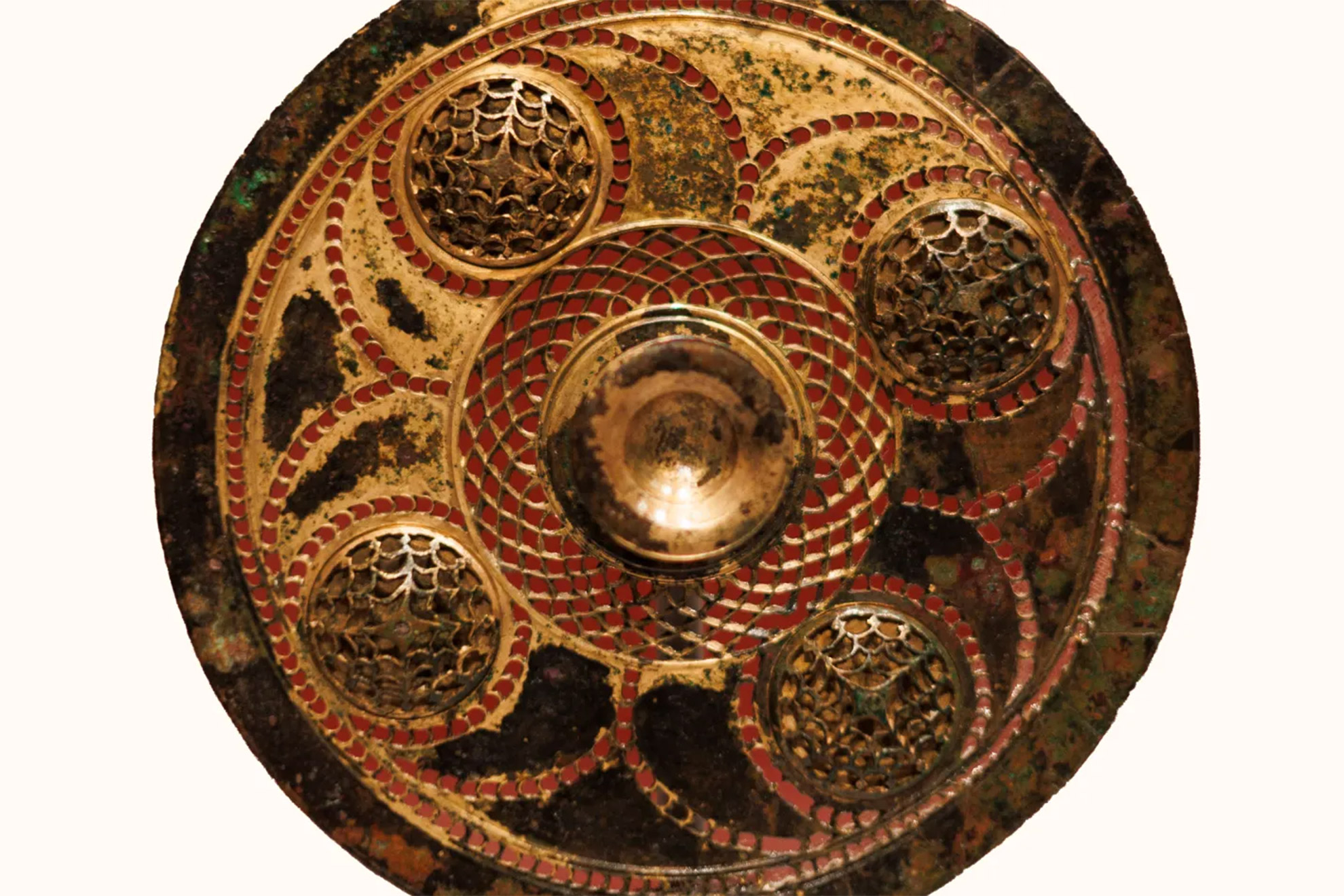
The Harvard Art Museums have launched "Celtic Art Across the Ages," a first-of-its-kind exhibition that challenges traditional Eurocentric narratives focused on Greece and Rome. Spanning from the Iron Age to the modern Celtic Revival, the show features objects like the abstract Heidelberg sandstone head and the bronze Dea Artio sculpture to highlight a visual language defined by ornamentation and deconstruction.