filter_list Showing 5 results for "Herculaneum" close Clear
dashboard All 5 gavel restitution 3article policy 1museum exhibitions 1
date_range Range Today This Week This Month All
Subscribe

US Returns 337 Looted Objects to Italy in Repatriation Effort

The United States officially returned 337 looted antiquities to Italy at a ceremony held at La Marmora barracks in Rome. Of these, 221 objects were repatriated through the Manhattan District Attorney’s Office, while the remaining 116 were recovered on April 10, 2026, via joint efforts by the FBI, Homeland Security Investigations, the District Attorney’s Office, and Christie’s New York auction house. The objects span from the Villanovan era (900–700 BCE) to the Hellenistic period (323–31 BCE) and include a 1st-century CE marble head of Alexander the Great, a bronze sculpture from Herculaneum, and two Egyptian basalt sculptures.

U.S. Returns Hundreds of Looted Antiquities to Italy

U.S. officials formally returned 337 looted antiquities, archival materials, and artworks to Italy during a ceremony at Rome’s La Marmora barracks. The objects, spanning from the Villanovan era (900–700 B.C.E.) through the Hellenistic period (323–31 B.C.E.), include Etruscan, Greek, Italic, and Egyptian artifacts. The repatriation was coordinated by Italy’s Carabinieri Command for the Protection of Cultural Heritage, the U.S. Federal Bureau of Investigation, the Department of Homeland Security, and the office of Manhattan District Attorney Alvin Bragg Jr. Key items include a marble head of Alexander the Great, a bronze sculpture from Herculaneum, and Egyptian basalt sculptures. Some 221 objects were recovered via the Manhattan DA, while the remaining 116 were secured with help from Christie’s.

337 œuvres et objets volés récupérés : la vaste opération italienne de lutte contre le trafic de biens culturels aux États-Unis

On April 29, Italy's carabinieri dedicated to cultural heritage protection announced the recovery of 337 looted or stolen artworks and objects repatriated from the United States between December 2025 and April 2026. The haul includes archaeological artifacts, archival documents, and other artworks, such as a marble head of Alexander the Great from the 1st century AD, a bronze sculpture stolen from Herculaneum, and two Egyptian basalt sculptures. The objects were dispersed through international markets using forged provenance documents, and their return involved U.S. agencies including the FBI.
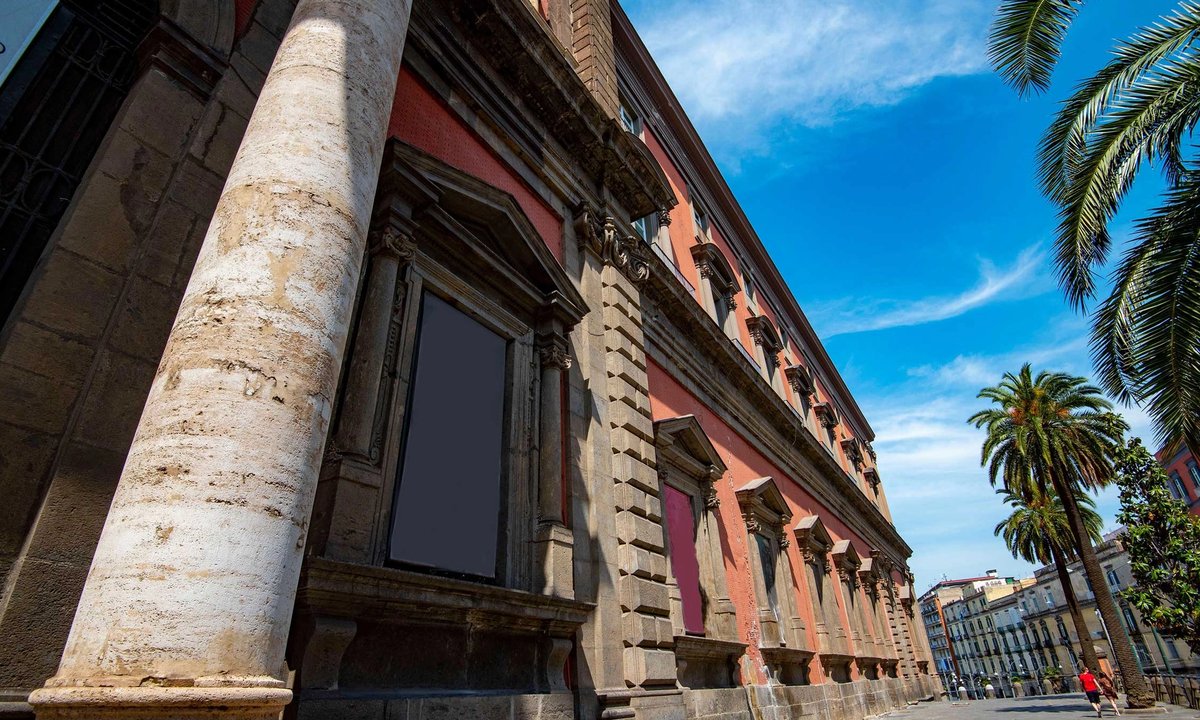
Italy’s leading archaeological museum uses young creatives’ press shots without payment

Italy's National Archaeological Museum of Naples (MANN) launched a photography competition in March inviting young people aged 18 to 30 to submit images of objects from its collections, including artifacts from Pompeii and Herculaneum. The museum offered no payment, only exposure via social media and banners on its façade, sparking criticism from cultural workers' group Mi Riconosci and Italian media, who accused the institution of exploiting unpaid labor. Museum administrator Raffaella Bosso defended the initiative as a dialogue with youth, but the museum has not withdrawn or modified the contest.

Bread, Wine, and Fish: How the Archaeology of Food Tells the Story of Life in Herculaneum

Pane, vino e pesce. Tutta l’archeologia del cibo racconta che vita si faceva a Ercolano: l’itinerario gratuito

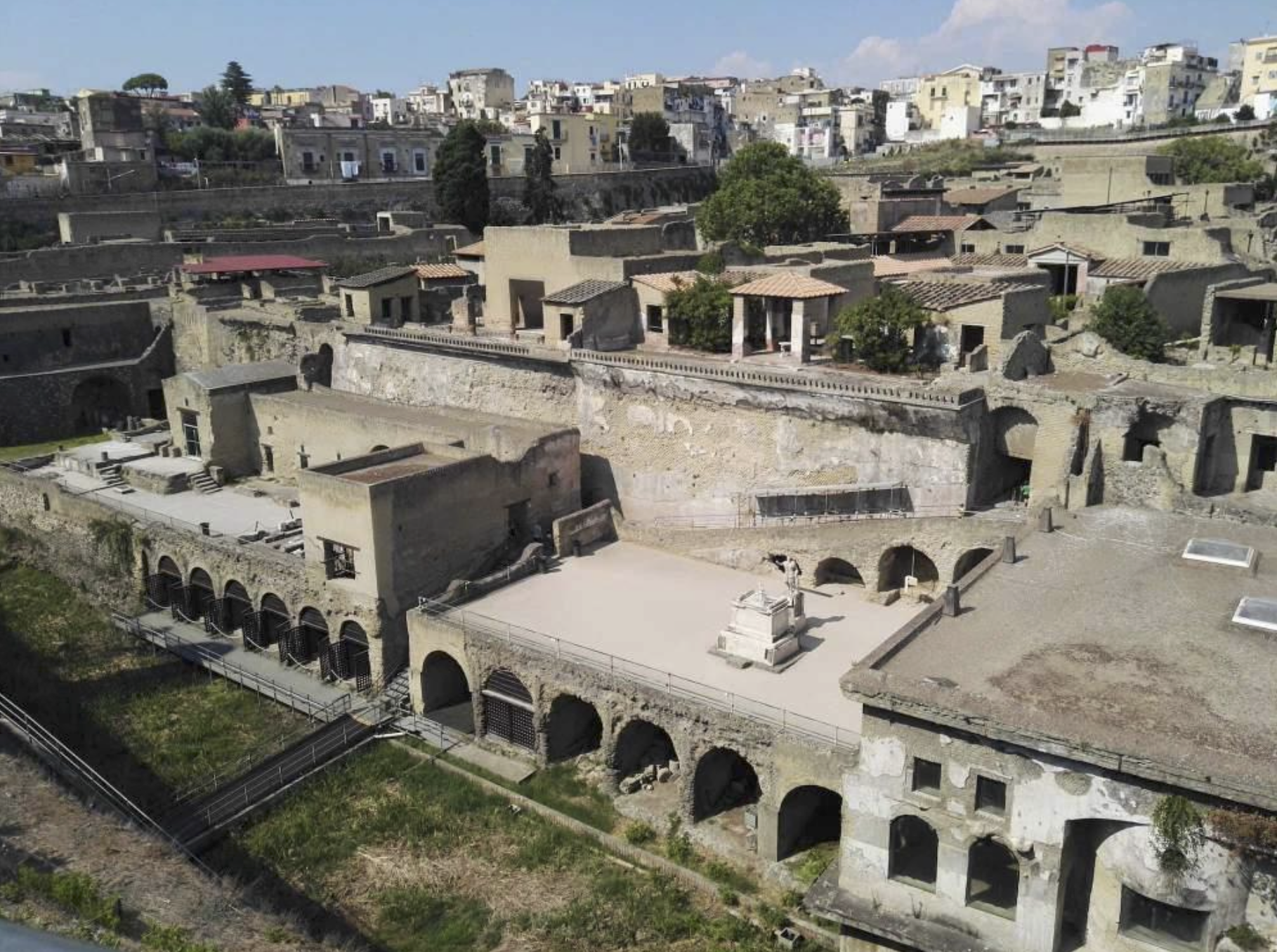
The Herculaneum Archaeological Park has launched a new thematic itinerary titled "I luoghi del cibo a Ercolano" (The Places of Food in Herculaneum), offering visitors a deep dive into the gastronomic culture of the Roman city buried by Vesuvius in 79 AD. The guided path leads through ancient street food stalls known as thermopolia, specialized wine shops, and the bakery of Sextus Patulcius Felix, where stone mills and ovens remain intact. The experience extends to the Casa dei Cervi to illustrate the social rituals of elite banqueting and includes a supplementary exhibition at Villa Campolieto featuring organic remains preserved by the eruption.