filter_list Showing 22 results for "Hiba Abu Nada" close Clear
search
dashboard All 22 article news 10article policy 6museum exhibitions 5article event 1
date_range Range Today This Week This Month All
Subscribe

south africa venice pavilion court

South Africa will not participate in the 61st Venice Biennale following a High Court ruling that dismissed an urgent application by artist Gabrielle Goliath. The dispute began in January when Culture Minister Gayton McKenzie canceled the planned exhibition, "Elegy," citing concerns over its references to Gaza and the killing of Palestinian poet Hiba Abu Nada. The court's decision, delivered just hours before the biennial's submission deadline, effectively leaves the South African pavilion empty for the 2024 edition.

south africa cancels gabrielle goliath gaza venice biennale

South Africa selected a work by artist Gabrielle Goliath for its Venice Biennale pavilion, then rescinded the decision on January 2, just eight days before the finalization deadline. The culture ministry, led by Minister Gayton McKenzie, objected to a section of Goliath's "Elegy" series that included words by Palestinian poet Hiba Abu Nada, who was killed in an Israeli airstrike in 2023. The pavilion's selection committee publicly disagreed with the cancellation, calling it censorship and highlighting a history of mismanagement.

goodman gallery drops artists gabrielle goliath pavilion

Artist Gabrielle Goliath was dropped by her South African representative, Goodman Gallery, before the cancellation of her proposed Venice Biennale pavilion, according to a report by Daily Maverick. Goliath was one of around a dozen artists who exited the gallery between last fall and the present. The gallery clarified that it did not end representation because of her pavilion, citing a structural business review and market contraction. Goliath had been with the gallery for over a decade and will continue to be represented by Galleria Raffaella Cortese. After her representation ended, South African culture minister Gayton McKenzie canceled her pavilion, which was to address killings of women and queer people in South Africa, a genocide in Namibia, and Israel’s war in Gaza. McKenzie denied censorship, claiming interference by an unnamed foreign country, later reported by Ynetnews to be Qatar.

Previews: 61st Venice Biennale: In Minor Keys

The 61st Venice Biennale, titled "In Minor Keys" and curated by the late Koyo Kouoh, opens amid global turmoil and internal controversy. Kouoh, who passed away in May 2025, conceived the exhibition around the metaphor of a "creole garden," emphasizing deep affinities between 111 artists from diverse locations such as Dakar, Beirut, and Salvador. The Biennale is overshadowed by recent geopolitical events, including US-Israeli airstrikes on Iran, and faces protests: over 70 participating artists signed an open letter opposing the participation of Israel, Russia, and the US, while the Australian pavilion saw the reinstatement of Khaled Sabsabi after being dropped, and South Africa withdrew its official pavilion over Gabrielle Goliath's femicide project, which she will still present independently.

The art of politics: how global conflicts are playing out in this year's Venice Biennale

Israel is making a controversial return to the 2025 Venice Art Biennale after its pavilion was locked in 2024 with a note demanding a ceasefire in Gaza. The artist representing Israel, Belu-Simion Fainaru, will present his project "Rose of Nothingness" in the Arsenale, while Russia also returns to the Biennale after its Giardini pavilion was reassigned to Bolivia in 2024. The Art Not Genocide Alliance (ANGA) has renewed calls for a boycott and is organizing strike action to disrupt the event, accusing Israel of genocide.

The 2026 Venice Biennale, Explained

The 2026 Venice Biennale, the 61st edition of the world's oldest and most prestigious contemporary art biennial, will run from May 9th to November 22nd, with previews from May 6th to 8th. Its central curated exhibition is titled "In Minor Keys," and it will be accompanied by a series of national pavilions.

Across Venice, Artists Defy Censorship to Mourn and Memorialize Gaza

The 2026 Venice Biennale, titled “In Minor Keys,” features numerous artworks that mourn and memorialize the destruction of Gaza, despite censorship pressures. The main exhibition opens with a poem by slain Palestinian poet Refaat Alareer, and includes works by artists such as Theo Eshetu, Mohammed Joha, Manuel Mathieu, and Avi Mograbi that directly or indirectly address the conflict. Outside the official Biennale, South African artist Gabrielle Goliath’s performance series “Elegy” was censored by her country’s culture minister after she proposed a version honoring murdered Palestinian poet Hiba Abu Nada, leading her to present the work independently at a church in Venice.

Best in Show: 6 Standouts at the 2026 Venice Biennale

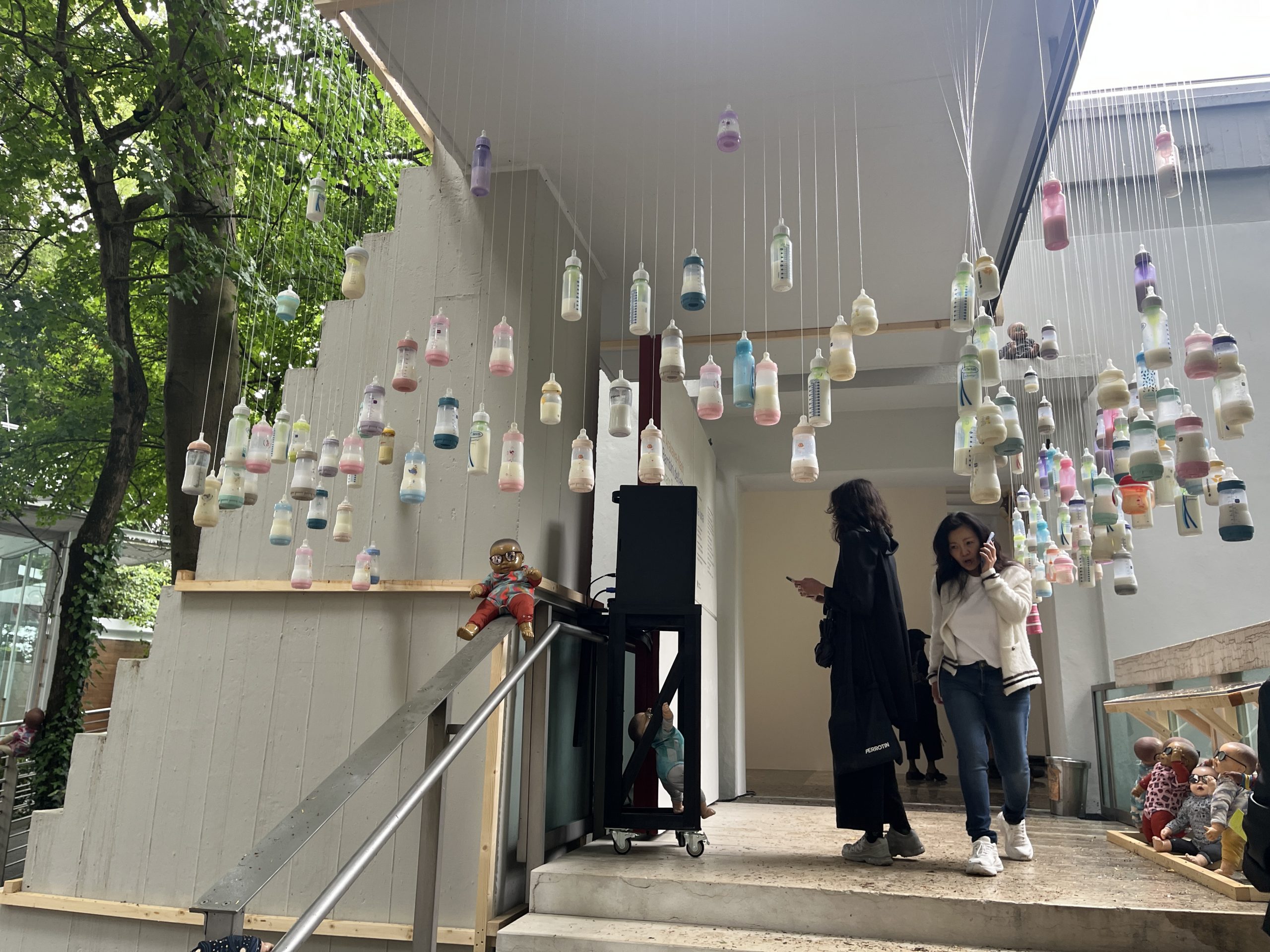
Artnet News writers highlight six standout exhibitions at the 2026 Venice Biennale, which opens to the public on May 9. Among the picks are Ei Arakawa-Nash's interactive installation "Grass Babies, Moon Babies" at the Japan Pavilion, featuring baby dolls and diaper-changing stations; Florentina Holzinger's provocative performance "Seaworld Venice" at the Austria Pavilion, involving nude performers, jet skis, and recycled wastewater; and Dayanita Singh's photographic exhibition "Archivio" at the State Archives of Venice, presenting intimate black-and-white images arranged as freestanding columns.

Venice Bound? Here’s All the News You Need to Know About This Year’s Biennale

The 61st Venice Biennale is embroiled in geopolitical controversy over Russia's return to the event in 2026, which has sparked widespread backlash. Nearly 10,000 artists and cultural leaders signed an open letter opposing Russia's participation, and the European Union withdrew €2 million in funding for the 2028 edition. Leaked emails reveal Biennale officials worked with Russian pavilion commissioner Anastasia Karneeva to circumvent EU sanctions, while Italy's culture minister Alessandro Giuli plans to boycott the opening week. Meanwhile, activists continue to push for Israel's removal from the Biennale, though Israel will be accommodated in the Arsenale this year.

South Africa pavilion will be empty at 2026 Venice Biennale, culture ministry says

South Africa will not host a national pavilion at the 2026 Venice Biennale following a legal battle between the country’s Department of Sports, Arts and Culture (DSAC) and artist Gabrielle Goliath. The conflict began when Culture Minister Gayton McKenzie labeled Goliath’s planned project, which addressed violence in Gaza, as "highly divisive" and cancelled the exhibition after she refused to alter the content. A South African high court recently dismissed Goliath’s urgent application to overturn the cancellation, leading the government to abandon its participation in the prestigious international event entirely.

Gabrielle Goliath to Show Work Banned from Venice Biennale Outside Main Exhibition

South African artist Gabrielle Goliath will present her work 'Elegy' at the Chiesa di Sant’Antonin in Venice, after her government-appointed exhibition for the South African pavilion at the 61st Venice Biennale was abruptly canceled. The pavilion will remain empty for the event's duration, while Goliath's project, sponsored by the Bertha Foundation and London's Ibraaz, will be shown nearby from May to July.

Venice Biennale 2026 Roundup

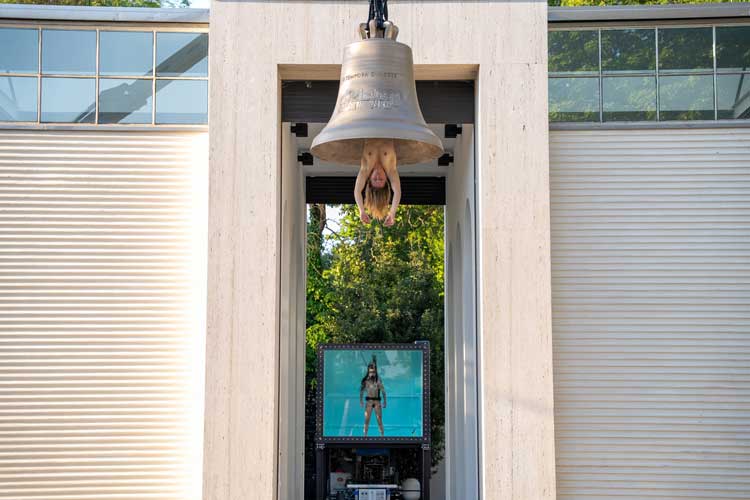
The 61st Venice Biennale, titled "In Minor Keys" and curated by the late Koyo Kouoh, opened in May 2026 amid significant turmoil. The Austrian Pavilion features Florentina Holzinger's performance piece "Seaworld Venice," centered on a giant bell that chimes hourly. The biennale has been marked by the death of its curator, the resignation of the international jury over the inclusion of Russia and Israel, protests by Pussy Riot and the Art Not Genocide Alliance, and the cancellation of the South African Pavilion over Gabrielle Goliath's "Elegy," which honors murdered women including a Palestinian poet. The US Pavilion's state-sponsored offerings have also drawn criticism.

Gabrielle Goliath Discusses Her Canceled South African Pavilion as She Shows New Work in a Venice Church

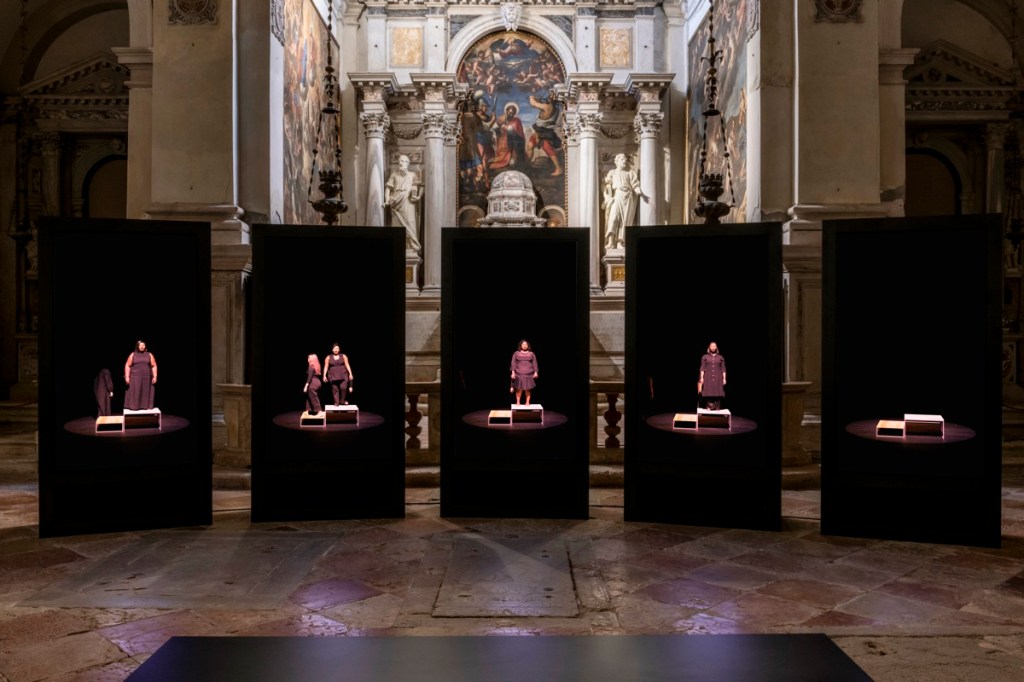
South African artist Gabrielle Goliath’s planned pavilion for the South Africa Pavilion at the Venice Biennale was canceled by culture minister Gayton McKenzie, who deemed it “highly divisive.” Despite the cancellation, Goliath has installed her work, a multi-screen iteration of her ongoing performance series *Elegy*, at the Chiesa di Sant’Antonin, half a mile from the Giardini. The new piece mourns victims of atrocities including South African femicide, the Herero and Nama genocide, and the death of Gazan poet Hiba Abu Nada, killed by an Israeli airstrike. Goliath stated that McKenzie explicitly demanded removal of the Palestinian content while deeming the other subjects acceptable.

south africa venice biennale gabrielle goliath banned work exhibition

South Africa’s official pavilion at the Venice Biennale will remain empty this year following the government's abrupt cancellation of artist Gabrielle Goliath’s planned exhibition. The controversy erupted when Culture Minister Gayton McKenzie pulled the project just days before the deadline, labeling Goliath’s work "highly divisive" due to its inclusion of a tribute to Palestinian poet Hiba Abu Nada. Despite the official ban and a failed court challenge by the artist and curator, the work, titled *Elegy*, will now be staged independently at the Chiesa di Sant’Antonin nearby.

south africa pavilion venice biennale cancelation qatar

South Africa has canceled its pavilion at the Venice Biennale, which was to feature a performance by artist Gabrielle Goliath addressing the killings of women and queer people in South Africa, a German-led genocide in Namibia, and Israel’s war in Gaza. The performance would have included readings of poetry by Palestinian poet Hiba Abu Nada, who was killed in an Israeli airstrike in 2023. South African Culture Minister Gayton McKenzie blamed an unidentified foreign nation for seeking to use the pavilion for "proxy power," and Israeli publication Ynetnews reported that nation is Qatar. McKenzie denied censorship, claiming a rift with the nonprofit Art Periodic South Africa over a foreign nation's offer to purchase artworks after the Biennale.

south african culture mp denies censoring venice pavilion

The South African Ministry of Sport, Arts, and Culture has denied censoring its 2026 Venice Biennale pavilion after canceling a proposed artwork by artist Gabrielle Goliath on December 2. The work, part of Goliath's "Elegy" series curated by Ingrid Masondo, addressed sexual assault, femicide, the killings of women and queer people in South Africa, colonial-era genocide in Namibia, and included a tribute to Palestinian poet Hiba Abu Nada. Culture minister Gayton McKenzie initially called the piece "highly divisive" and linked to a polarizing international conflict, but a January 10 statement reframed the cancellation as a safeguard against foreign interference, alleging a foreign country attempted to fund or purchase the work to use the pavilion as a proxy for a geopolitical message about Israel's actions in Gaza.

The Interview: Gabrielle Goliath

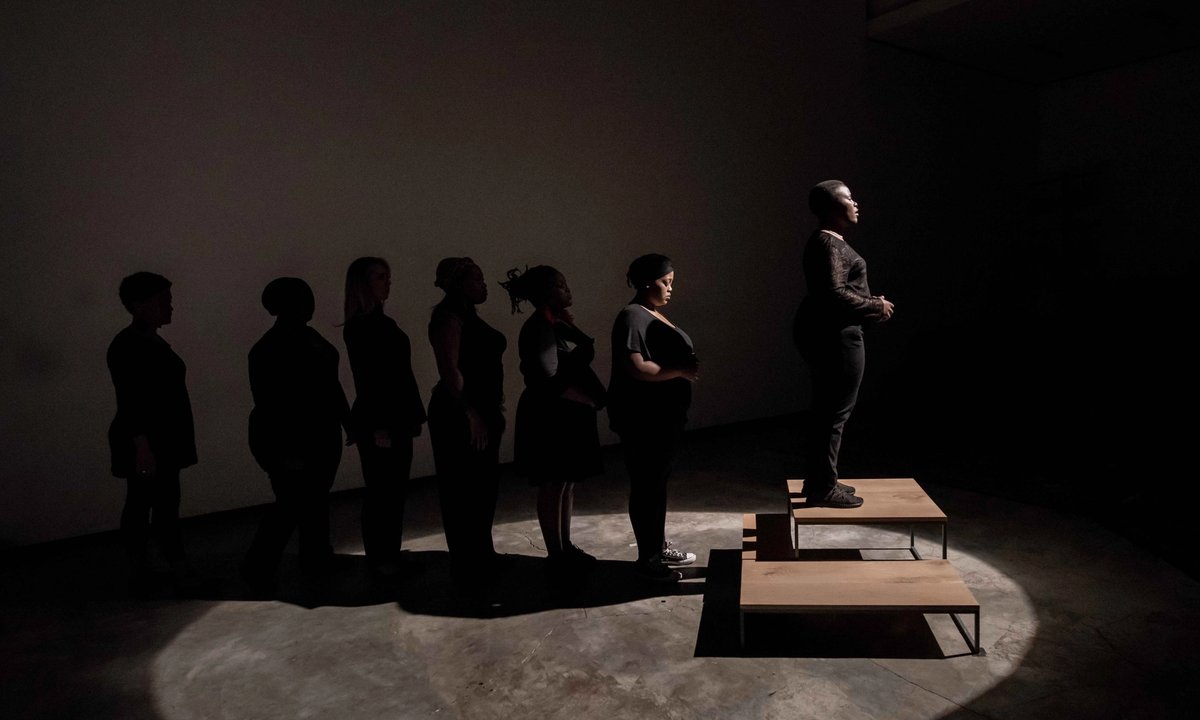
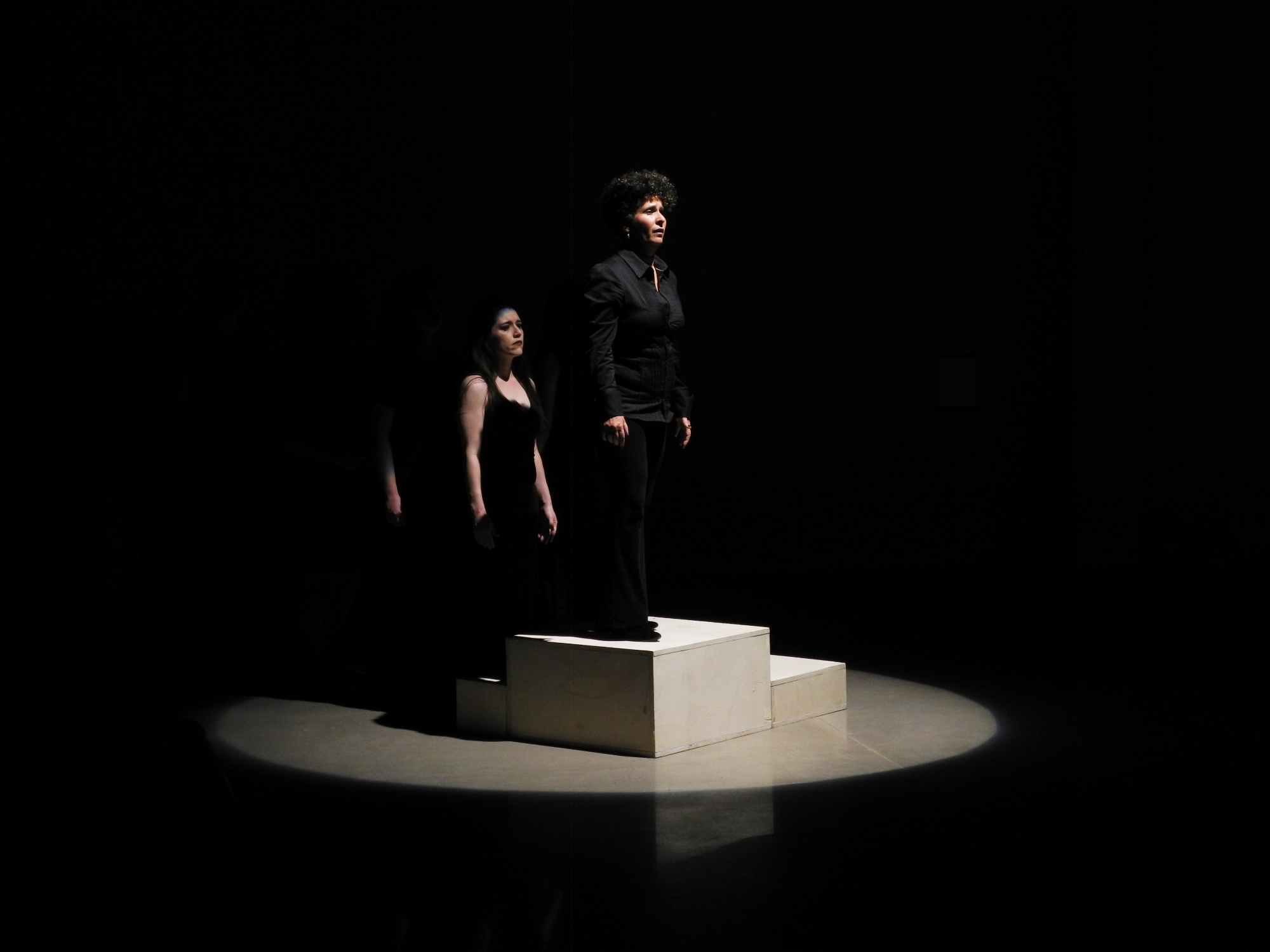
Gabrielle Goliath, a South African artist, created the performance work "Elegy" in 2015 after hearing a father mourn his daughter, Ipeleng Christine Moholane, who was raped and murdered. The piece features seven operatic women sustaining a single note in relay for an hour, evolving over a decade into a series of iterations that address systemic violence and grief. In January 2026, South Africa's Minister of Sport, Arts and Culture, Gayton McKenzie, cancelled Goliath's presentation of the latest version of "Elegy" at the 61st Venice Biennale, which was to include tributes to victims in South Africa, Namibia, and Gaza, including journalist Hiba Abu Nada. Goliath refused to alter the work, took legal action, and will now show it independently at the Chiesa di Sant'Antonin in Venice, while the official South African Pavilion will remain empty for the first time since 2011.

Venice Biennale in crisis: The controversies explained

The Venice Art Biennale's official awards ceremony, scheduled for May 9, has been canceled after the entire five-member jury resigned days before the event. The jury had previously announced they would not consider countries whose leaders face International Criminal Court charges, directly impacting Russia and Israel. Instead of jury-selected prizes, visitors will vote throughout the Biennale's run, with "Visitor Lions" awarded on November 22. The event, running from May 9 to November 22, features 100 national participations, including seven first-time countries, and a posthumous main exhibition titled "In Minor Keys" curated by the late Koyo Kouoh, the first African woman to lead the show. Iran withdrew on May 4 amid Middle East tensions, while Russia's return to the Biennale in 2026 has sparked EU threats to cut funding.

Unpacking the Venice Biennale controversies and highlights

The 2026 Venice Art Biennale is proceeding with a posthumous main exhibition, "In Minor Keys," curated by the late Cameroonian-born artistic director Koyo Kouoh, who died in May 2025. The event features 100 national participations, including seven first-time countries, and has reinstated Russia's pavilion after its voluntary withdrawal following the 2022 invasion of Ukraine.

As the South African Pavilion Sits Empty, Gabrielle Goliath Continues a ‘Life-Work of Mourning’

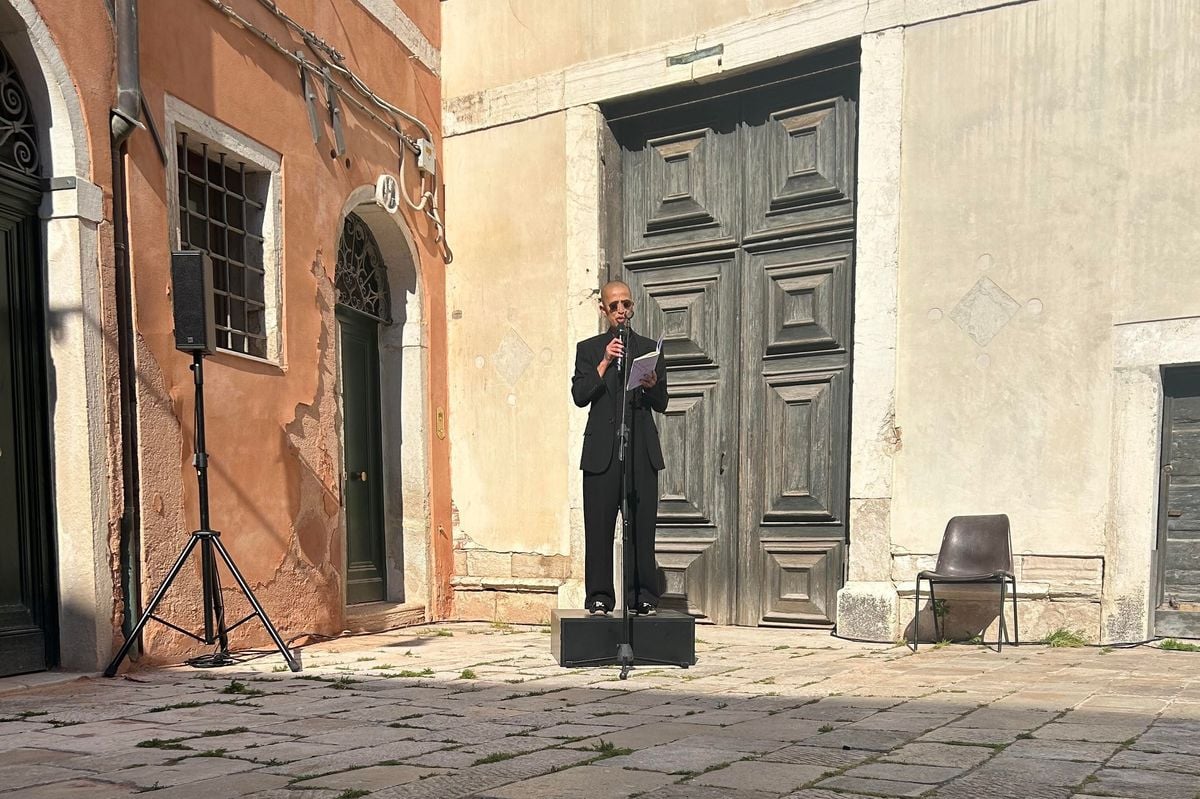
South African artist Gabrielle Goliath inaugurated an off-site Venice exhibition with a public poetry reading after her official presentation at the South African Pavilion was canceled. The performance, part of her ongoing series *Elegy* (2015), features seven singers sustaining a single tone for an hour as a mourning ritual. The work addresses femicide, rape culture, and the killing of Palestinian civilians, and includes new video and sound installations lamenting specific victims: South African teenager Ipeleng Christine Moholane, Nama women killed during Germany’s colonization of Namibia, and Palestinian poet Hiba Abu Nada. The South African Department of Sport, Arts and Culture rescinded Goliath’s invitation in January, deeming the work “related to an ongoing international conflict that is widely polarising.” Goliath unsuccessfully challenged the decision in South Africa’s high court, and the exhibition now runs throughout the Venice Biennale outside the official program before traveling to London in October.

Artist Gabrielle Goliath’s attempt to reinstate cancelled Venice Biennale pavilion dismissed by court

A South African high court has dismissed an urgent application by artist Gabrielle Goliath and curator Ingrid Masondo to reinstate their cancelled pavilion for the 2026 Venice Biennale. The project was scrapped by Sport, Arts and Culture Minister Gayton McKenzie after Goliath refused to remove a segment of her work 'Elegy' that referenced Hiba Abu Nada, a Palestinian poet killed in an Israeli airstrike. The minister labeled the content "highly divisive" and "polarizing."

South African artist Gabrielle Goliath to approach high court over cancelled Venice Biennale pavilion

South African artist Gabrielle Goliath and curator Ingrid Masondo are taking urgent legal action against South Africa's sport, arts and culture minister Gayton McKenzie after he cancelled their project for the country's Venice Biennale pavilion. The pair were selected in December 2025 to present a new iteration of Goliath's decade-long project *Elegy*, which addresses femicide and the murder of LGBTQI+ people, and was also set to include references to the Ovaherero and Nama genocide in Namibia and the death of Palestinian poet Hiba Abu Nada. McKenzie, leader of the right-wing Patriotic Alliance party, described the Abu Nada-related content as "highly divisive" and cancelled the project on 2 January, just days before the submission deadline. The legal team, led by Adila Hassim, will file an application at the high court in Pretoria by 22 January, arguing that McKenzie's interference is unconstitutional.