filter_list Showing 6 results for "Israel" close Clear
dashboard All 6 article culture 2article news 2museum exhibitions 1article policy 1
date_range Range Today This Week This Month All
Subscribe

Still in 'war mode': Tehran Museum of Contemporary Art reopens with exhibitions about conflict

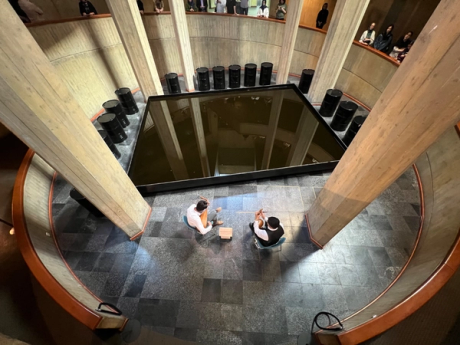
The Tehran Museum of Contemporary Art (TMoCA) has reopened with a weekly rotating post-ceasefire program called 'Art and War,' following weeks of bombardment that forced its closure and prompted emergency efforts to protect its collection. The program began with works by American Pop artists James Rosenquist, Roy Lichtenstein, and Robert Indiana, and this week features three works from Pablo Picasso's Weeping Woman series, focusing on Spain. Museum director Reza Dabirinezhad described the challenges of safeguarding the collection during US-Israeli strikes, including removing 80% of the oil from Noriyuki Haraguchi's installation 'Matter and Mind' (1977) to prevent fire risk, and protecting outdoor sculptures by Henry Moore, René Magritte, and Max Bill.
Artists Spar Over Credit For A Dress Displayed In The Met’s ‘Costume Art’ Exhibition

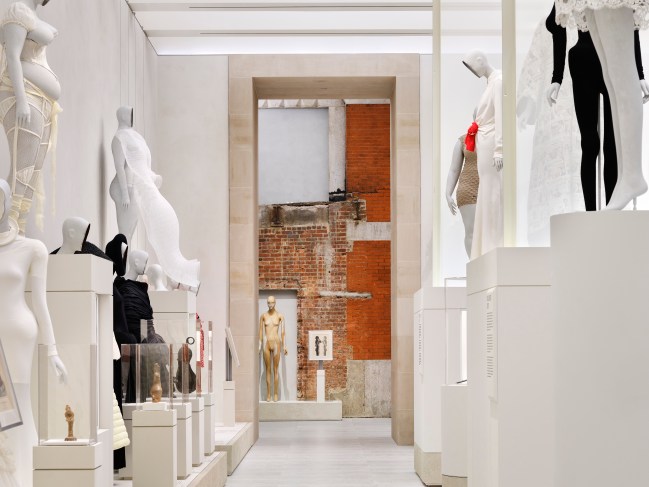
London-based artist Anouska Samms has accused the Metropolitan Museum of Art's Costume Institute of exhibiting a dress that she claims is a counterfeit of her work in the ongoing "Costume Art" exhibition. The dress, titled Corpus Nervina 0.0, is credited solely to New York-based Israeli designer Yoav Hadari, but Samms alleges it closely resembles an earlier Nervina hair dress she co-developed with Hadari during their 2023 residency at the Lee Alexander McQueen Sarabande Foundation. Samms discovered the display via a social media post and has since spoken out, noting that a contract from their collaboration designated her as the sole owner of the intellectual property of the fabric. The Met has requested that the two parties resolve their dispute before the museum takes further action.

Since 1968, Protests Have Revealed the Real Impact of the Venice Biennale

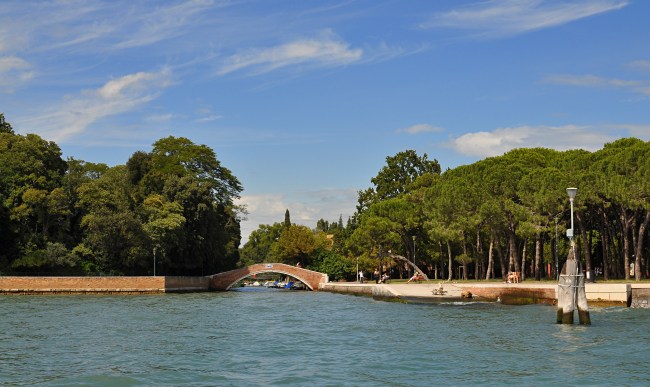
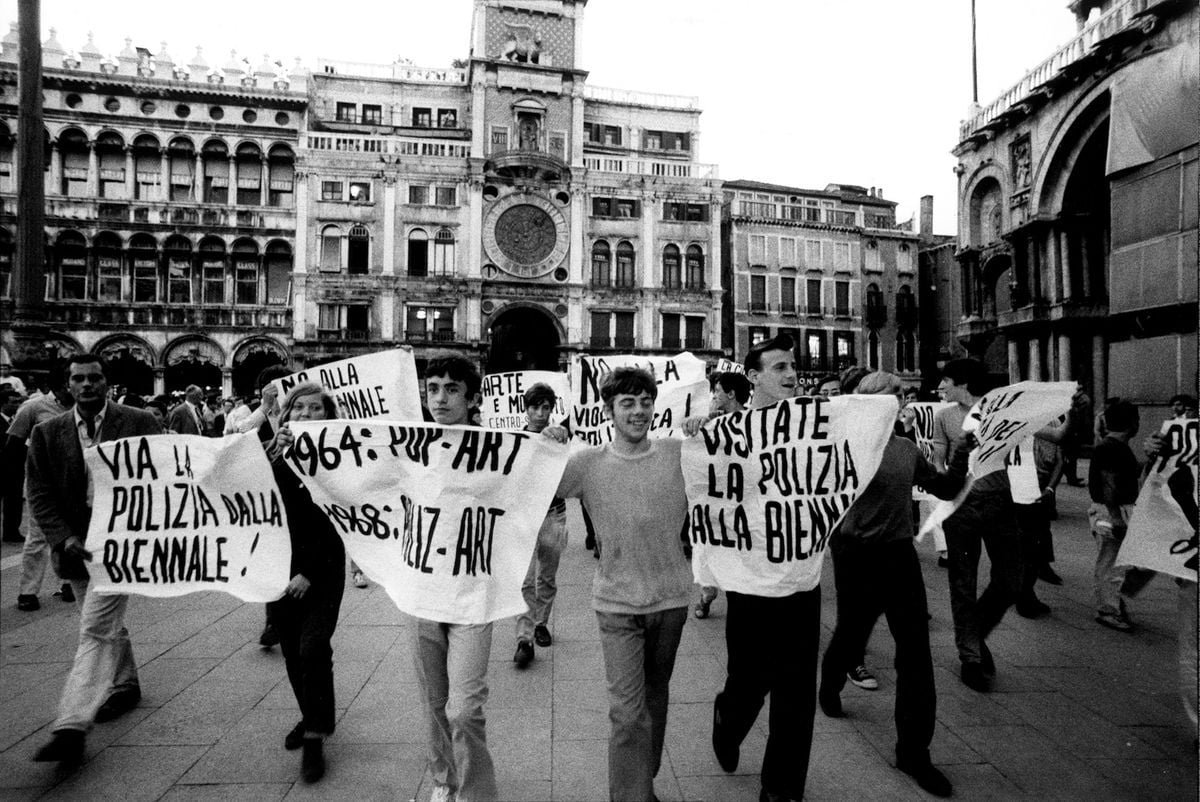
The article recounts the 1968 protests at the Venice Biennale, where artists, students, and activists clashed with police over the event's perceived ties to bourgeois power and capitalist commodification. It draws parallels to the 2024 Biennale, where groups like Art Not Genocide Alliance, Pussy Riot, and Femen demonstrated against the participation of Russia and Israel, while artists staged strikes and performances like the Solidarity Drone Chorus to highlight the Gaza conflict.

Israel Advances Bill Granting Sweeping Civilian Authority over West Bank Archaeological Sites

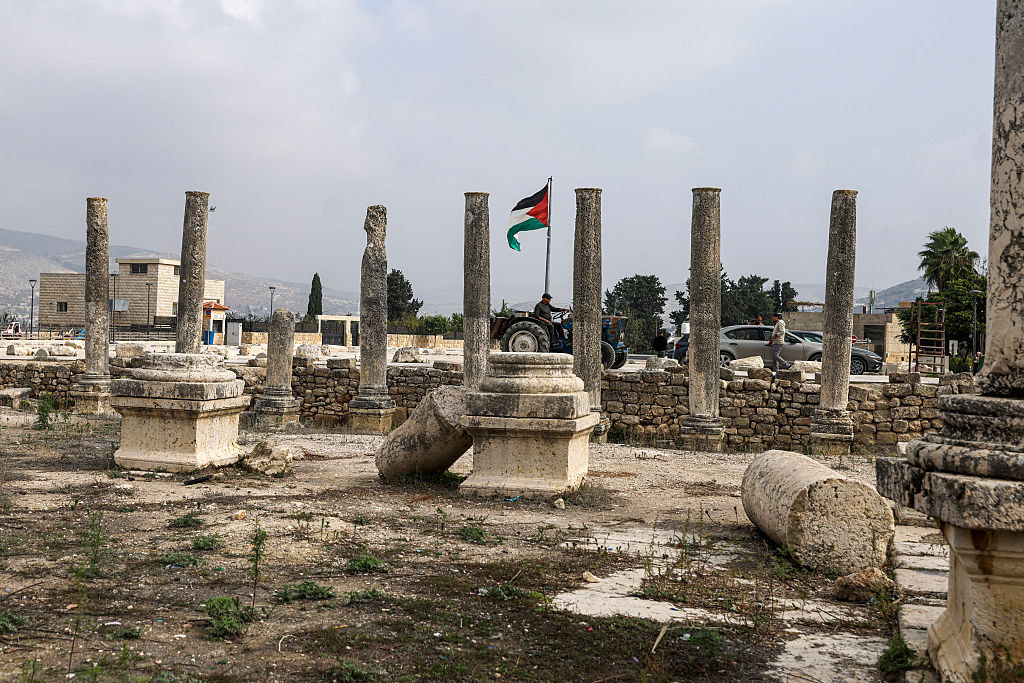
Israel advanced a bill on Tuesday that would grant sweeping civilian authority over antiquities and archaeology in the occupied West Bank, replacing the current military-run system. The Likud-backed legislation would create a "Judea and Samaria Heritage Authority" under the Israeli heritage minister, empowered to purchase and expropriate land, oversee excavations, and manage heritage sites across Areas B and C of the West Bank. The bill passed its first of three votes (23-14) and would be led by Amichai Eliyahu, a far-right politician who advocates for annexation. Human rights groups and the Israeli NGO Emek Shaveh warned the move amounts to de facto annexation and a violation of Palestinian rights.

Iran’s Participation in the Venice Biennale Still Uncertain

Iran’s participation in the 61st Venice Biennale remains uncertain after a public contradiction emerged between the Biennale Foundation and Iran’s Ministry of Culture and Islamic Guidance (MCIG). The Biennale Foundation had announced that Iran would not participate in the 2026 edition, curated by Koyo Kouoh, but Aydin Mahdizadeh Tehrani, director general of visual arts at the MCIG and commissioner of the Iranian Pavilion, stated in an interview with the Iranian Students’ News Agency (ISNA) that Iran never submitted a withdrawal letter. Instead, Iran requested more time and sent a letter on May 10 asking for the pavilion to open even if ineligible for prizes. Mahdizadeh Tehrani cited the US-Israel war with Iran as causing currency fluctuations that nearly tripled projected costs, complicating prior agreements, and noted that Iran had proposed a shorter exhibition period, which the Biennale rejected.

IDF Soldiers Hide From Our Gaze

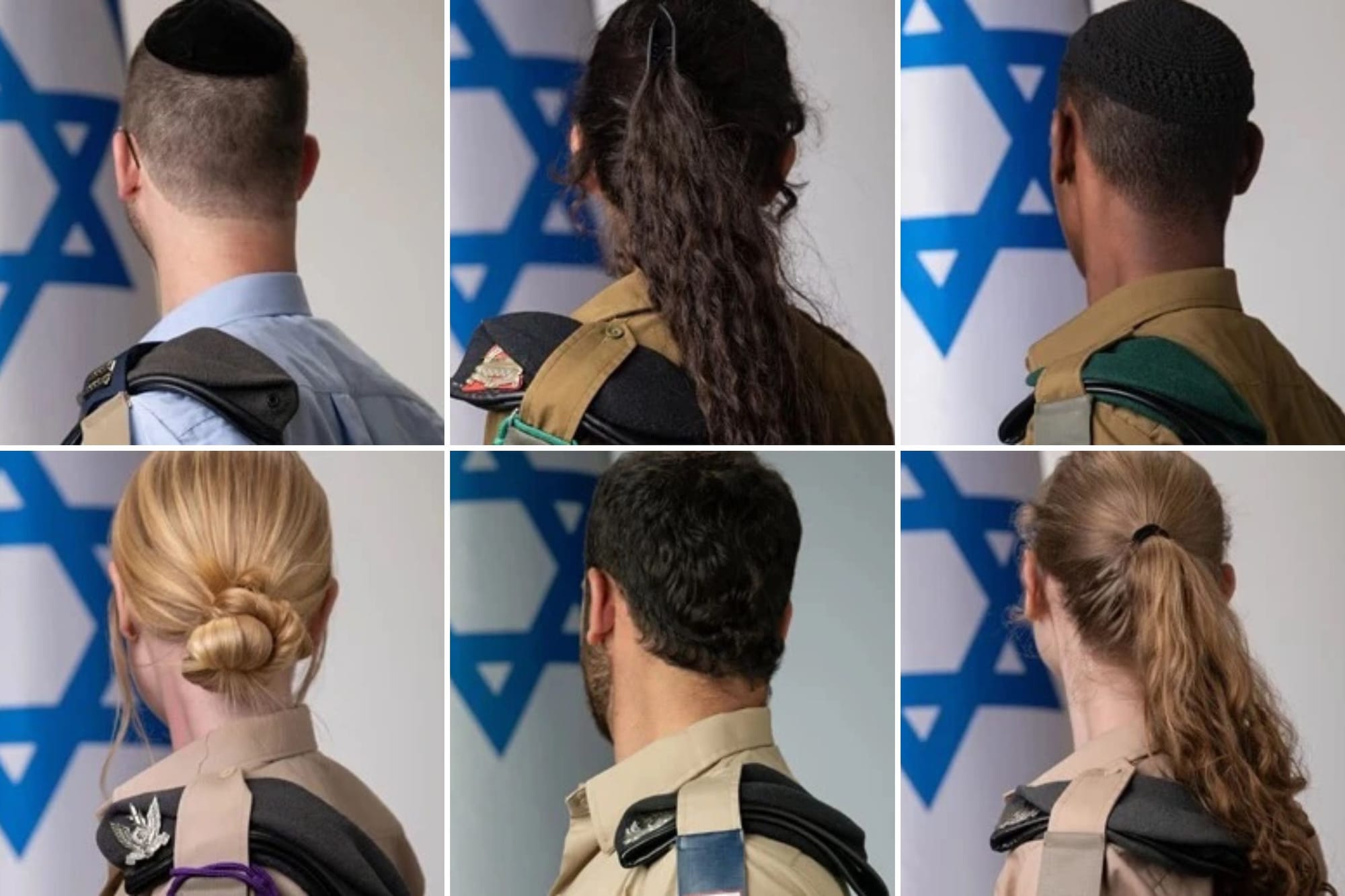
An opinion article on Hyperallergic analyzes official portraits of Israeli Defense Forces (IDF) soldiers released in May 2025, in which the soldiers are depicted with their backs to the camera. The author argues that this pose is a deliberate tactic to avoid identification and potential prosecution for war crimes in the occupied Palestinian territories, weaponizing surveillance technologies against the very people they surveil. The piece frames these images as "counter-portraits" that transform individual soldiers into a faceless, intimidating mass, contrasting them with traditional portraiture that invites intimate moral scrutiny.