

filter_list Showing 2 results for "Israel-Hamas war" close Clear
dashboard All 2 article news 2
date_range Range Today This Week This Month All
Subscribe

"Man besitzt Kunst nicht, man ist nur ihr Verwalter"

The 61st Venice Biennale opened on Saturday without ceremony or an opening celebration, amid political turmoil over the participation of Russia and Israel. Italy's Culture Minister Alessandro Giuli criticized Biennale director Pietrangelo Buttafuoco for not informing the government about Russia's participation request, suggesting it could have been used as leverage for a ceasefire in Ukraine. The entire jury resigned after attempting to exclude both Russia and Israel from prize awards, leading to the cancellation of the traditional jury decision in favor of a public vote, which over 70 participating artists have protested by withdrawing from this year's prizes. Separately, a rare photograph from the early 1940s has surfaced showing Lucas Cranach the Elder's painting "Venus with Cupid as Honey Thief" in Adolf Hitler's Munich apartment, raising unresolved questions about whether the work was looted from Jewish owners before 1935.
Political Fallout Rocks Venice Biennale Prize System

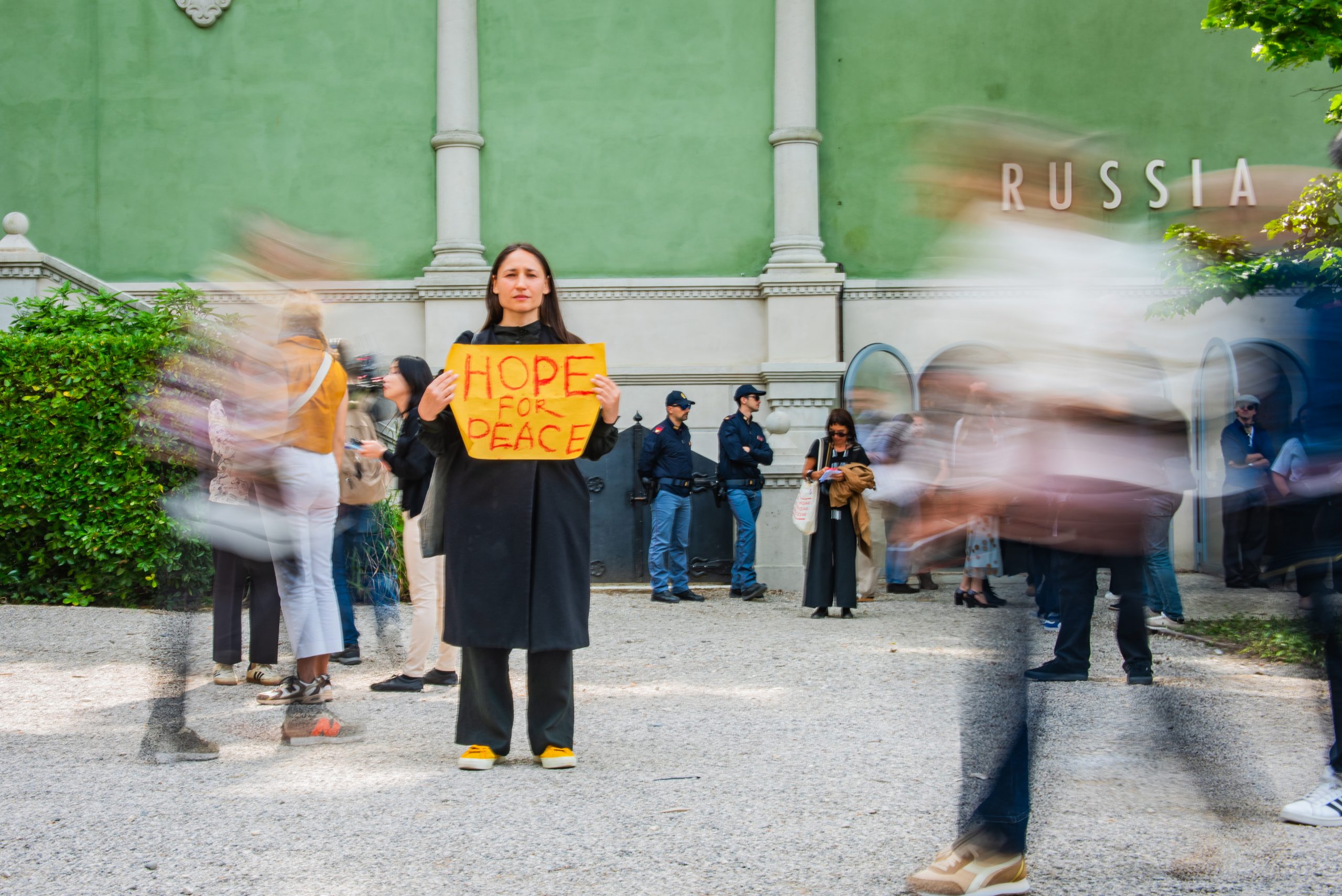
Dozens of artists participating in the 2026 Venice Biennale have withdrawn from consideration for the newly created Visitor Lion awards, replacing the traditional Gold and Silver Lion prizes. A total of 57 artists from the main exhibition and 22 national pavilions signed a statement published on e-flux on May 9, acting in solidarity with the five-person prize jury that resigned on April 30 over the continued participation of Russia and Israel. The jury had objected to awarding prizes to artists from countries whose leaders face International Criminal Court charges, including Russian president Vladimir Putin and Israeli prime minister Benjamin Netanyahu. In response, the Biennale organizers postponed the awards ceremony to November 22 and introduced visitor voting, a move they described as consistent with openness and dialogue. Meanwhile, the Russian Pavilion, which returned after lending its space to Bolivia in 2024, faced protests, closure after previews, and a €2 million funding pull by the European Union for the 2028 Biennale.