filter_list Showing 7 results for "J.M.W. Turner" close Clear
dashboard All 7 museum exhibitions 4article news 2person people 1
date_range Range Today This Week This Month All
Subscribe

J.M.W. Turner’s Most Famous Self-Portrait Might Not Actually Be by the Artist at All

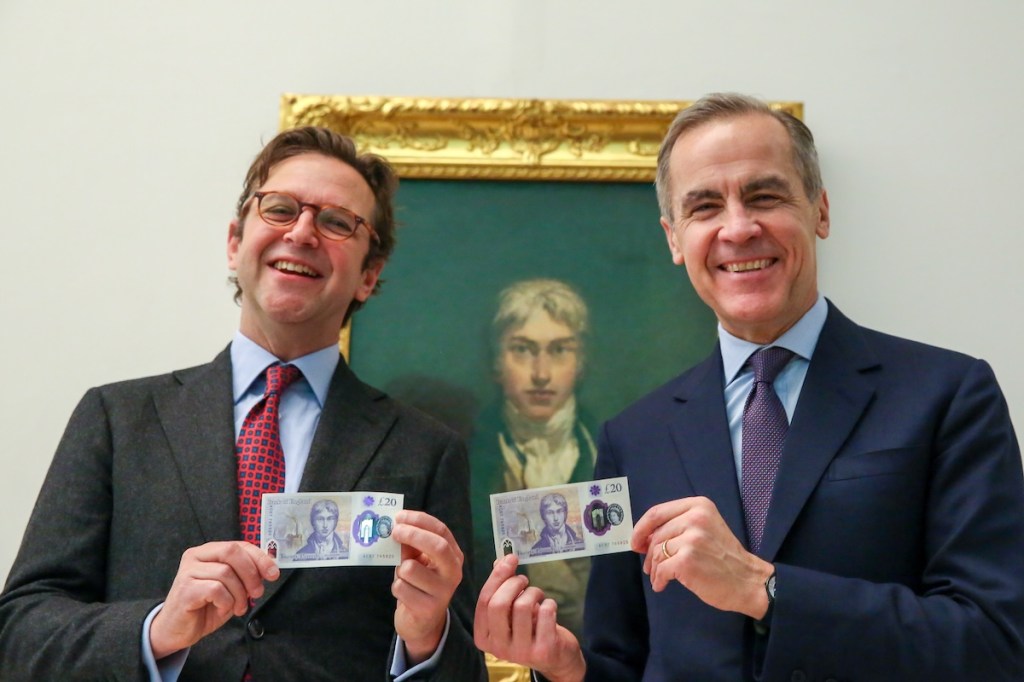
Art historian James Hamilton has publicly claimed that J.M.W. Turner's most famous self-portrait, which appears on the £20 note, is actually by the painter John Opie. Hamilton, who used the portrait on the cover of his 1997 biography of Turner, argues that the work was misattributed when it entered the Turner Bequest—the vast collection of paintings and works on paper Turner left to the nation after his death in 1851. He points to stylistic evidence, noting Opie's signature technique of "light emerging dramatically from dark," and has published his research in Turner Society News, calling on the Tate to reattribute the painting.

Heir of Goya and Abstract Expressionism, the painting of Roger-Edgar Gillet finally rediscovered in an unprecedented retrospective

Héritière de Goya et de l’expressionnisme abstrait, la peinture de Roger-Edgar Gillet enfin redécouverte dans une rétrospective inédite

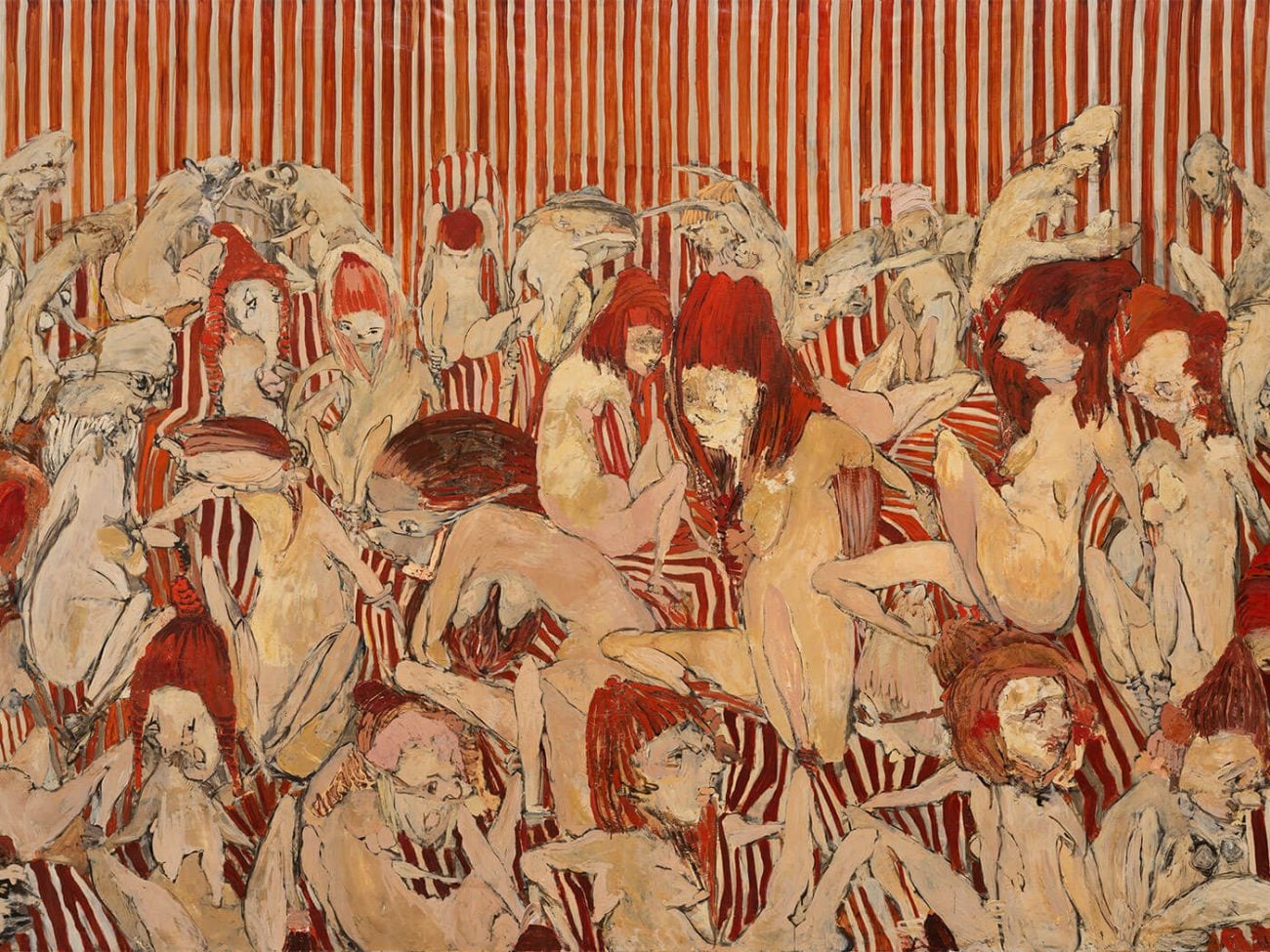
A major retrospective at the Musée Estrine in Saint-Rémy-de-Provence finally brings long-overdue recognition to French painter Roger-Edgar Gillet (1924–2004), an artist who emerged from the post-war abstraction scene of the Nouvelle École de Paris but later forged a singular figurative style blending Goya, Delacroix, and Northern grotesque traditions. The exhibition follows two important donations—to the Centre Pompidou in 2017 and the Musée des Beaux-Arts de Rennes in 2022—that helped revive institutional interest in Gillet, whose work had been marginalized since the 1960s.

Hungary’s New Minister of Culture Vows to Restore Artistic Freedom, Turner’s Famous ‘Self-Portrait’ Called Into Doubt, and More: Morning Links for May 14, 2026

An expert claims that the iconic self-portrait of J.M.W. Turner, which hangs in Tate Britain and appears on British £20 notes, was not actually painted by Turner. James Hamilton, a Turner scholar, argues the work was misattributed when it entered the Turner Bequest and may instead be by Turner contemporary John Opie. Meanwhile, Hungary’s new Minister of Culture, Zoltán Tarr, vows to restore artistic freedom and dismantle political control over cultural institutions following the election of Prime Minister Peter Magyar. The Trump administration is proceeding with construction of a contested Triumphal Arch and a White House ballroom, and a former Louvre employee has been charged in a ticket fraud scandal.

Tate at a turning point: new director must confront unwieldy ‘beast’ of an art institution

Roland Rudd, chair of Tate, insists the institution is thriving despite recent leadership changes, citing record visitor numbers of 6.2 million, strong exhibition attendance (Turner and Constable at Tate Britain, Lee Miller, and Tracey Emin at Tate Modern), and 155,000 members. However, Maria Balshaw has stepped down as director after nine years, leaving her successor to confront a financially strained organization hit by pandemic losses, multiple redundancies, and low staff morale amid culture war battles.

How Claude Monet’s reluctant sojourn reignited his career

A new exhibition, "Monet and Venice," has opened at the de Young Museum in San Francisco. It centers on the pivotal 1908 trip to Venice that the 68-year-old Claude Monet was initially reluctant to take, showcasing over 20 of the luminous, atmospheric paintings of the city he produced there. The show also includes over 100 related items, featuring works by Canaletto, Turner, Sargent, and Whistler, as well as photographs and books, to contextualize Monet's Venetian achievement.

Maria Kreyn “Continuum” at Robilant+Voena, Milan

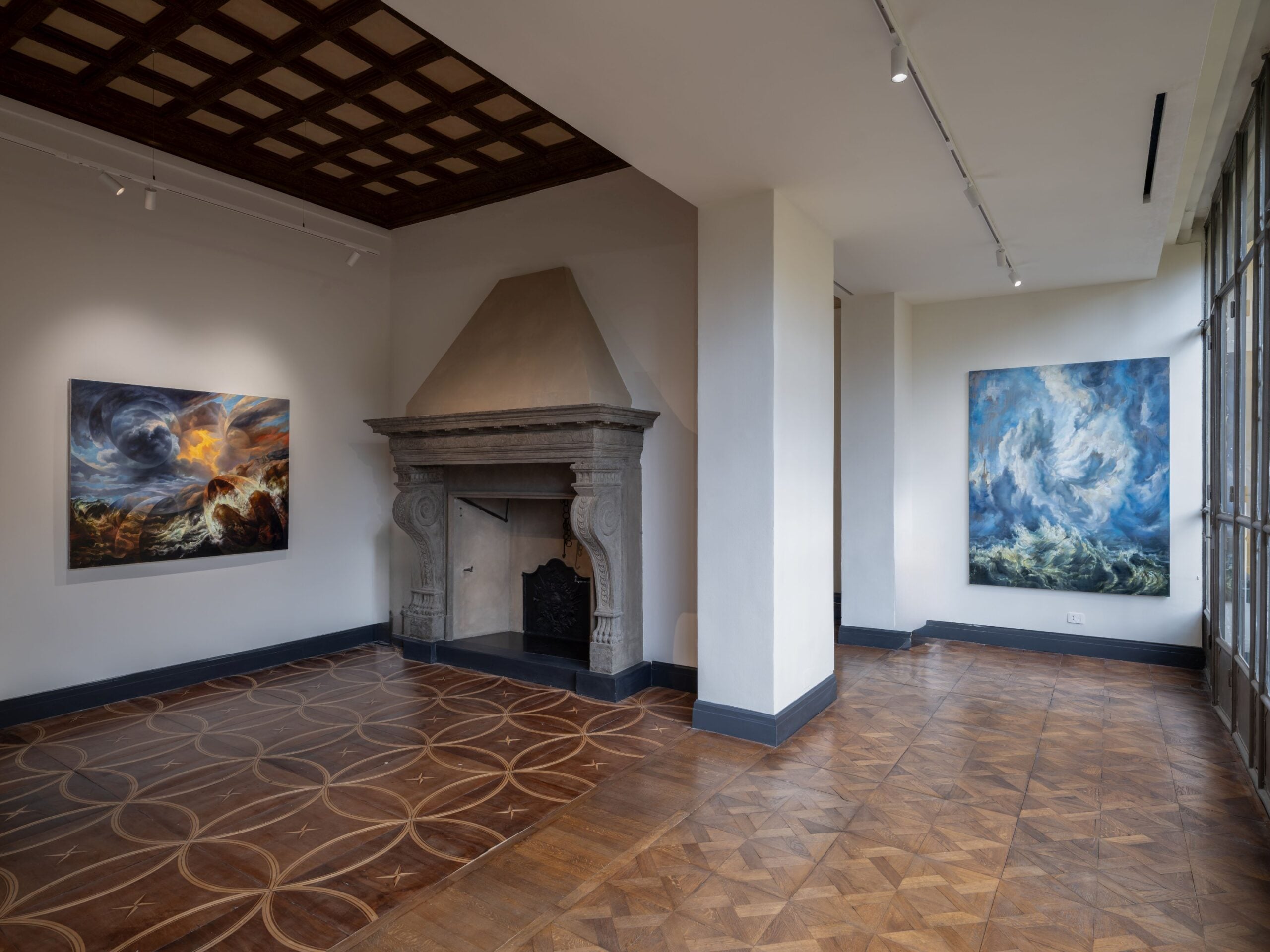
American artist Maria Kreyn opened her first solo exhibition in Milan, titled "Continuum," at the gallery Robilant+Voena. The show presents a selection of her new paintings, which are characterized by atmospheric renderings that blend figuration with abstract geometry.

An exhibition in Milan brings visionary contemporary landscapes into dialogue with a great Turner watercolor. Review and interview

Una mostra a Milano fa dialogare visionari paesaggi contemporanei con un acquerello del grande Turner. Recensione e intervista

The exhibition "Continuum" at Robilant+Voena in Milan marks the first solo show in the city for American artist Maria Kreyn. It presents a selection of her contemporary landscapes—charged with pathos, abstract geometries, and references to art history—alongside a rare watercolor by J.M.W. Turner, *The Splügen Pass* (1842–43). Kreyn’s seascapes, influenced by her background in mathematics and philosophy, feature turbulent waves, ovoid and parabolic forms, and a sense of latent tension, creating a visual dialogue with Turner’s Romantic vision of nature.