
filter_list Showing 3 results for "James Ensor" close Clear
dashboard All 3 article culture 1museum exhibitions 1person people 1
date_range Range Today This Week This Month All
Subscribe

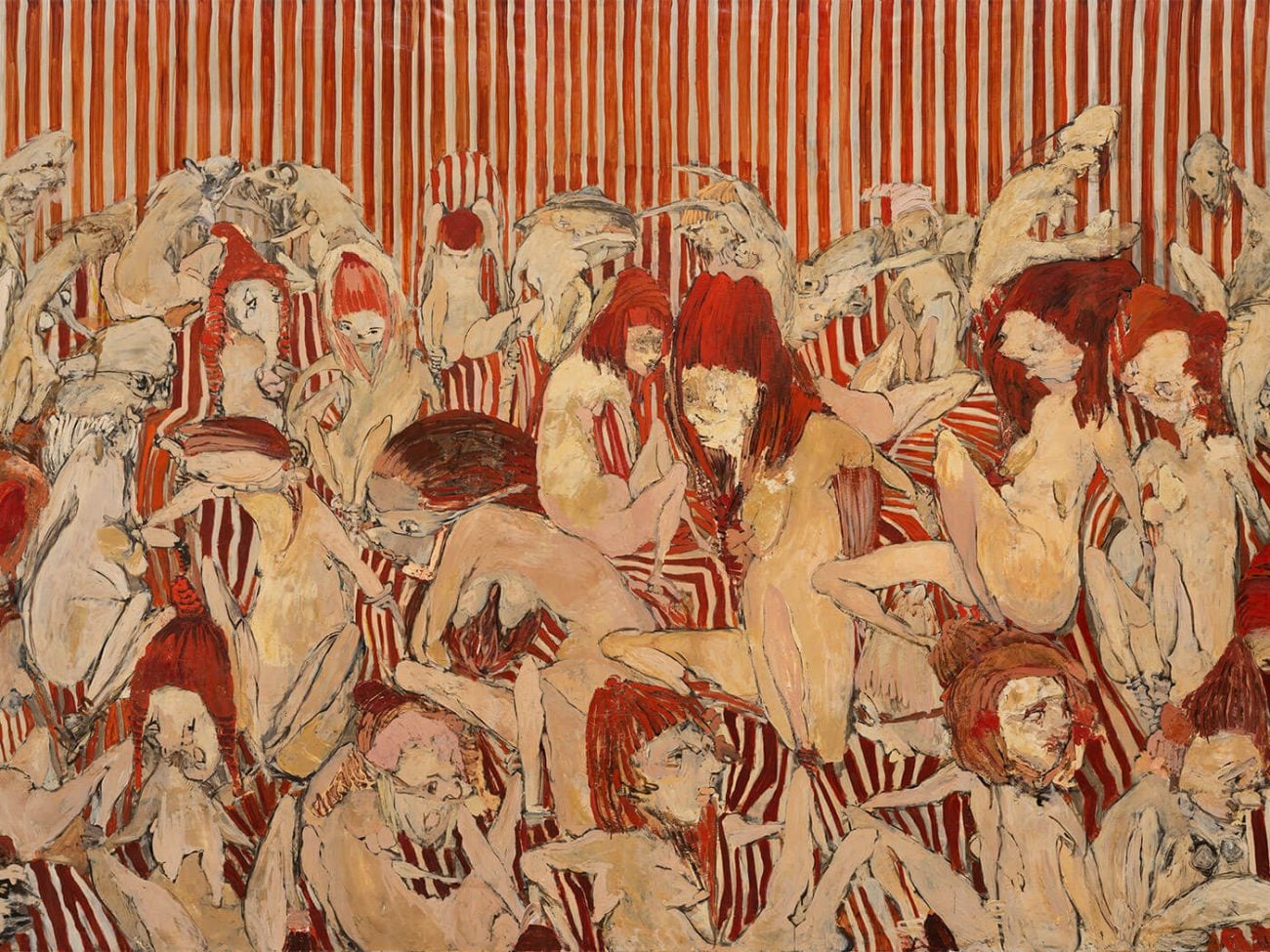
Heir of Goya and Abstract Expressionism, the painting of Roger-Edgar Gillet finally rediscovered in an unprecedented retrospective

Héritière de Goya et de l’expressionnisme abstrait, la peinture de Roger-Edgar Gillet enfin redécouverte dans une rétrospective inédite

A major retrospective at the Musée Estrine in Saint-Rémy-de-Provence finally brings long-overdue recognition to French painter Roger-Edgar Gillet (1924–2004), an artist who emerged from the post-war abstraction scene of the Nouvelle École de Paris but later forged a singular figurative style blending Goya, Delacroix, and Northern grotesque traditions. The exhibition follows two important donations—to the Centre Pompidou in 2017 and the Musée des Beaux-Arts de Rennes in 2022—that helped revive institutional interest in Gillet, whose work had been marginalized since the 1960s.
Eva Helene Pade Paints the Thin Line Between Ecstasy and Violence

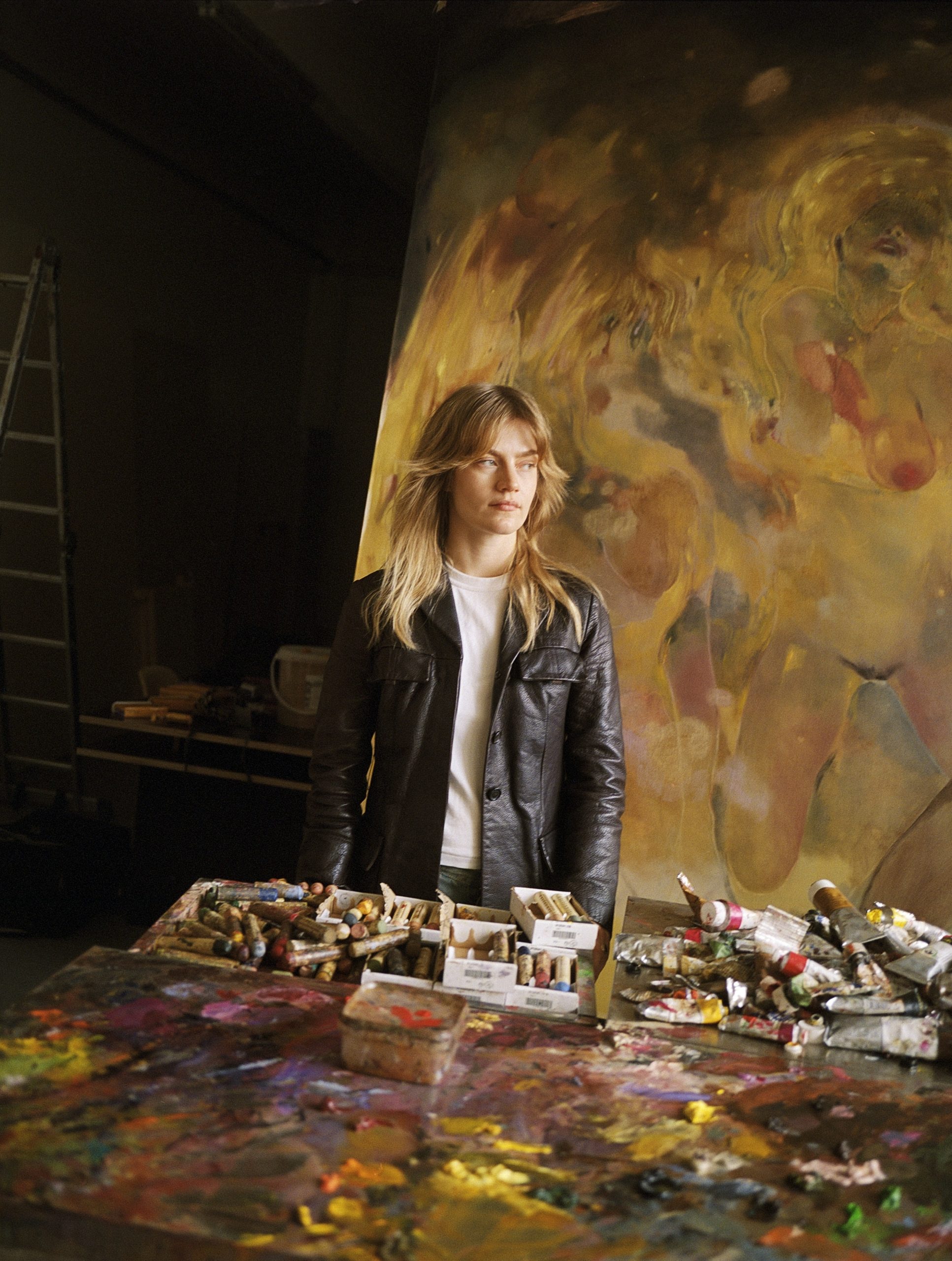
Danish painter Eva Helene Pade, born in 1997, has been working in a borrowed London studio while her Paris home undergoes renovations. Three of her new monumental paintings—Jagt (Hunt), Nærmere (Closer), and Opstand (Surge)—will debut with Thaddaeus Ropac at TEFAF New York this week. Known for tempestuous, large-scale nocturnal scenes filled with writhing naked female bodies, Pade draws on influences from Edvard Munch, James Ensor, and Gustav Klimt, though she now works more intuitively. She signed with Thaddaeus Ropac in 2024 as the gallery's youngest represented artist and was featured in Artnet's Intelligence Report 'Zero to Hero' list for a major spike in search interest.

Archie Rand On the Irreducibility of Painting in a Post-Digital Age

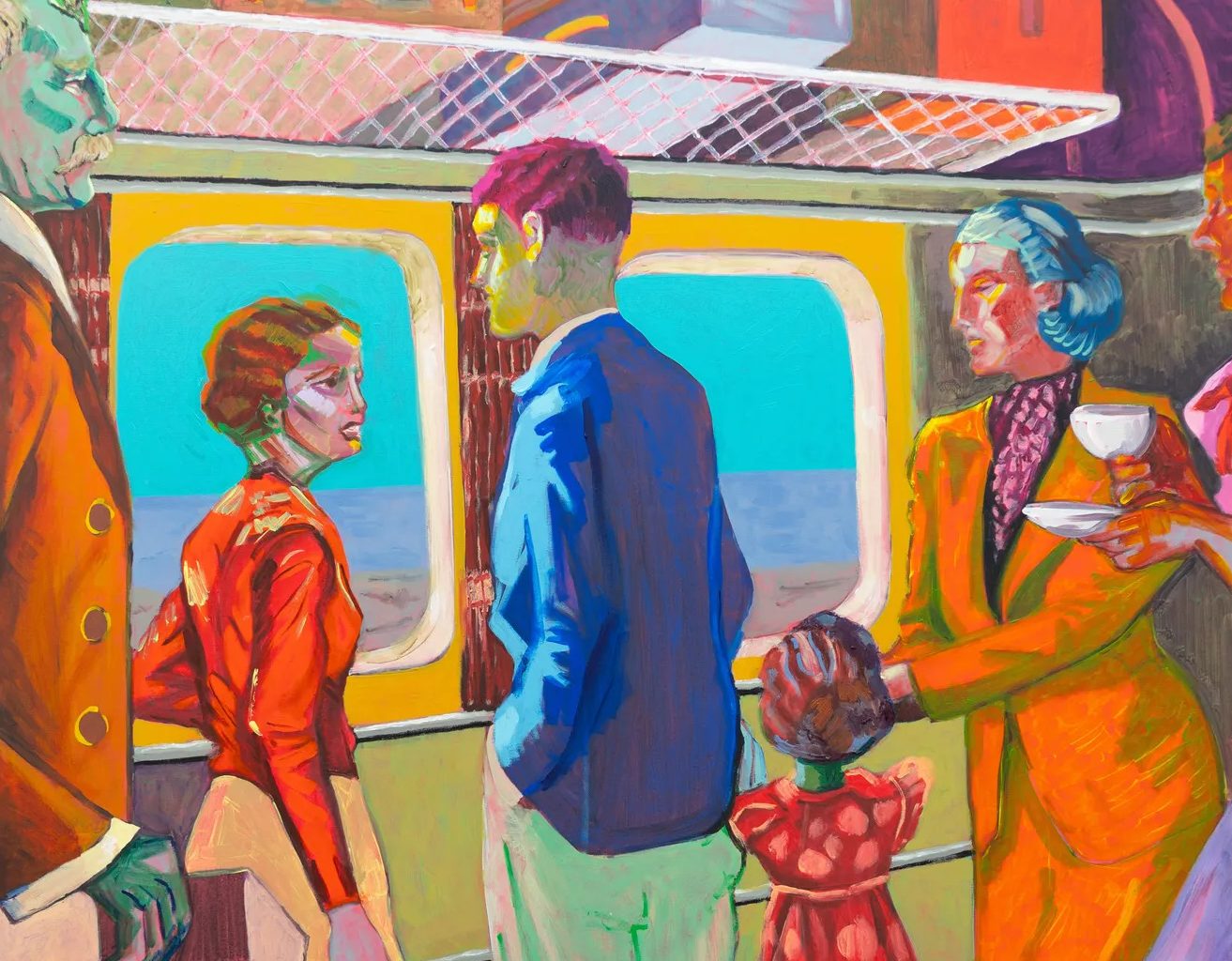
Archie Rand, now in his late 70s, recently held his first extensive solo show in years at Jarvis Art in New York, featuring his new body of work titled "Heads." The exhibition reclaims painting's primordial function, emphasizing the connection between brain and hands, imagination and reality. Rand, who emerged from the downtown New York scene in the late 1970s and early '80s, has witnessed the full postwar evolution of American art. His career includes a pivotal synagogue mural commission that led to backlash from the Orthodox community and a break with critic Clement Greenberg, pushing him toward representational forms. He found allies in figures like Philip Guston and John Ashbery, and after his wife's death ten years ago, began reflecting on mortality and childhood influences.