filter_list Showing 15 results for "Japan pavilion" close Clear
dashboard All 15 museum exhibitions 8article news 3rate_review review 2trending_up market 1person people 1
date_range Range Today This Week This Month All
Subscribe

asia pivot art news july 2665322

Art Collaboration Kyoto announced 72 exhibitors for its fifth edition, with 25 first-time participants. Patti Wong, former Sotheby's executive, launched New Perspectives Art Partners with Ed Dolman, Brett Gorvy, and others. Art Fair Tokyo's 20th edition saw sales of ¥2.86 billion, down 10% from last year. Lisa Horikawa and Mizuki Takahashi were appointed co-curators of Japan's pavilion at the Venice Biennale. The Sharjah Art Foundation named Angela Harutyunyan and Paula Nascimento curators of the 17th Sharjah Biennial. YDP, a new non-profit space in London, will open with a solo show by Duan Jianyu. At Sotheby's London, Yu Nishimura's painting sold for £292,100. Hong Kong collector Adrian Cheng resigned from New World Development's board.
5 Trends Shaping the 2026 Venice Biennale

The 2026 Venice Biennale has opened to the public, featuring the main exhibition 'In Minor Keys' conceived by the late Cameroonian Swiss curator Koyo Kouoh, who died unexpectedly in May 2025. Kouoh, the first African woman appointed to lead the Biennale, had her curatorial team—including Rasha Salti, Marie Hélène Pereira, and Gabe Beckhurst Feijoo—carry forward her vision of art as a 'shared and sustaining force.' The opening was weighted with politics and emotion.

The Interview: Ei Arakawa-Nash

Ei Arakawa-Nash, a Japanese American performance artist, was selected to represent Japan at the 61st Venice Biennale, becoming the first non-Japanese national to do so in a solo presentation. This follows his first solo museum exhibition, "Paintings Are Popstars," at Tokyo's National Art Center in 2024, which was also the center's first solo show devoted to a performance artist. In an interview with ArtReview, Arakawa-Nash discusses his naturalization as a U.S. citizen, his complex relationship with national identity, and his upcoming Venice exhibition titled "Grass Babies, Moon Babies," cocurated by Lisa Horikawa and Takahashi Mizuki, which will explore themes of care and reparation using babies as a central motif.

What does a woman swimming in urine tell us about the state of the world? Lots! – Venice Biennale review

The 2026 Venice Biennale, curated by the late Koyo Kouoh under the theme "In Minor Keys," has been plagued by months of turmoil including countries withdrawing, artists being fired, exhibitions cancelled, funding pulled, and protests during the preview. A five-person curatorial team took over after Kouoh's death, resulting in what the critic describes as a disjointed, committee-driven exhibition that prioritizes quiet contemplation and healing over direct political engagement. The central shows in the Giardini and Arsenale feature a vast, poorly explained array of art from the global south, with installations of ceramics, textiles, slide projectors, and serene natural scenes that the critic finds anachronistic and dull.

The Only Guide to This Year’s Venice Biennale You Will Ever Need

The 61st Venice Biennale opens amid significant turmoil. The entire jury of the International Art Exhibition resigned after a statement about withholding prizes from countries with leaders charged with crimes against humanity by the ICC, leading to the cancellation of the Golden Lion awards in favor of 'Visitors' Lions' to be given at the exhibition's end. The event has been further marred by the sudden death of artistic director Koyo Kouoh from liver cancer in early 2025, and the death of artist Henrike Naumann, who was set to debut work in the German pavilion. Additionally, the selection process for the American pavilion artist, Mexico-based sculptor Alma Allen, sparked controversy after a delayed grant application process.

A Time of Transition

During the preview week of the 61st Venice Biennale, escalating protests targeted the national pavilions of Israel and Russia, with demonstrations by Pussy Riot, ANGA (Art Not Genocide Alliance), and Baltic pavilions. A major protest on May 8 drew over 3,000 people in solidarity with Palestine, and 27 national pavilions—including Austria, the Netherlands, France, and Japan—staged a strike, the first at the Biennale since 1968. The Golden Lion jury resigned after declaring they would not consider countries under ICC investigation (Israel and Russia), and the Biennale administration replaced the prize with a visitors' award, from which half the artists in the main exhibition have withdrawn.

Must-See National Pavilions at the 61st Venice Biennale

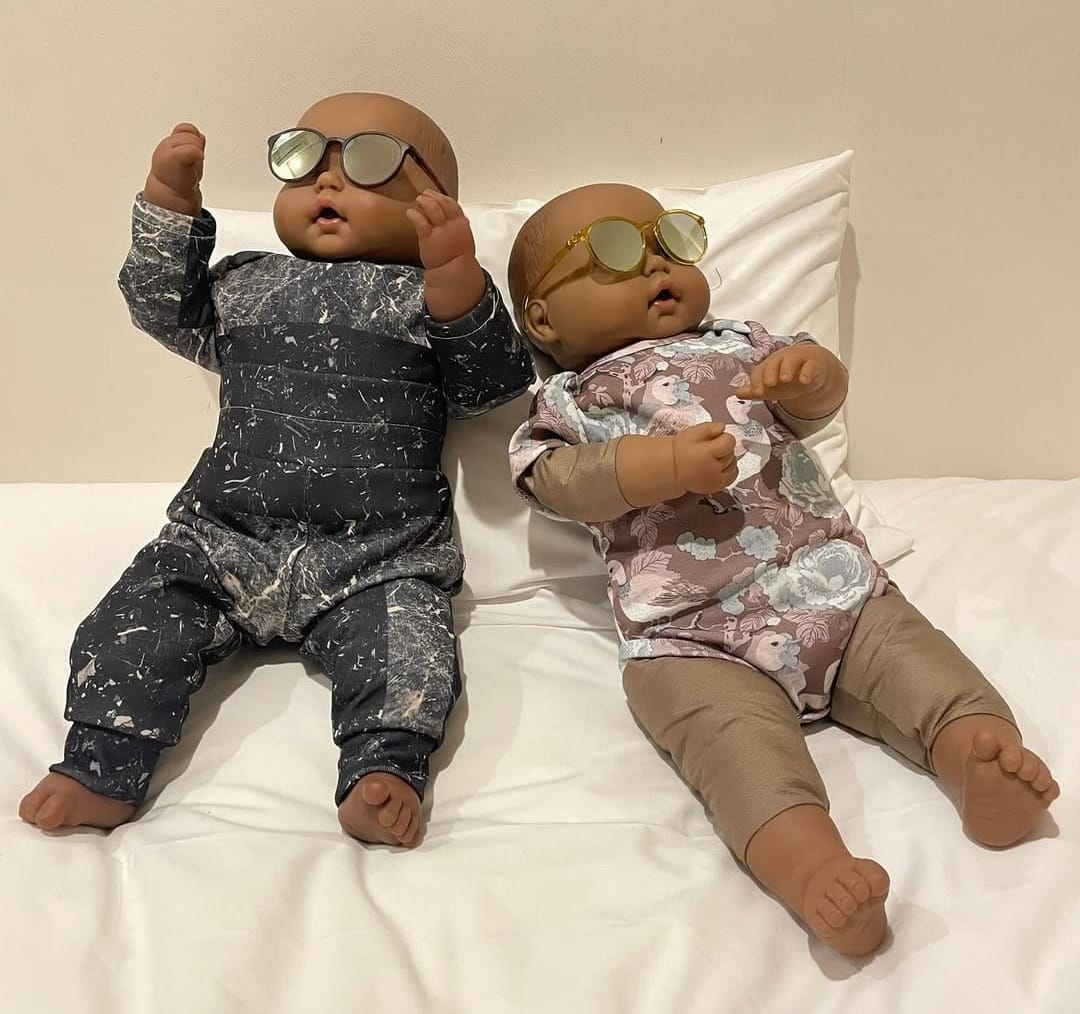
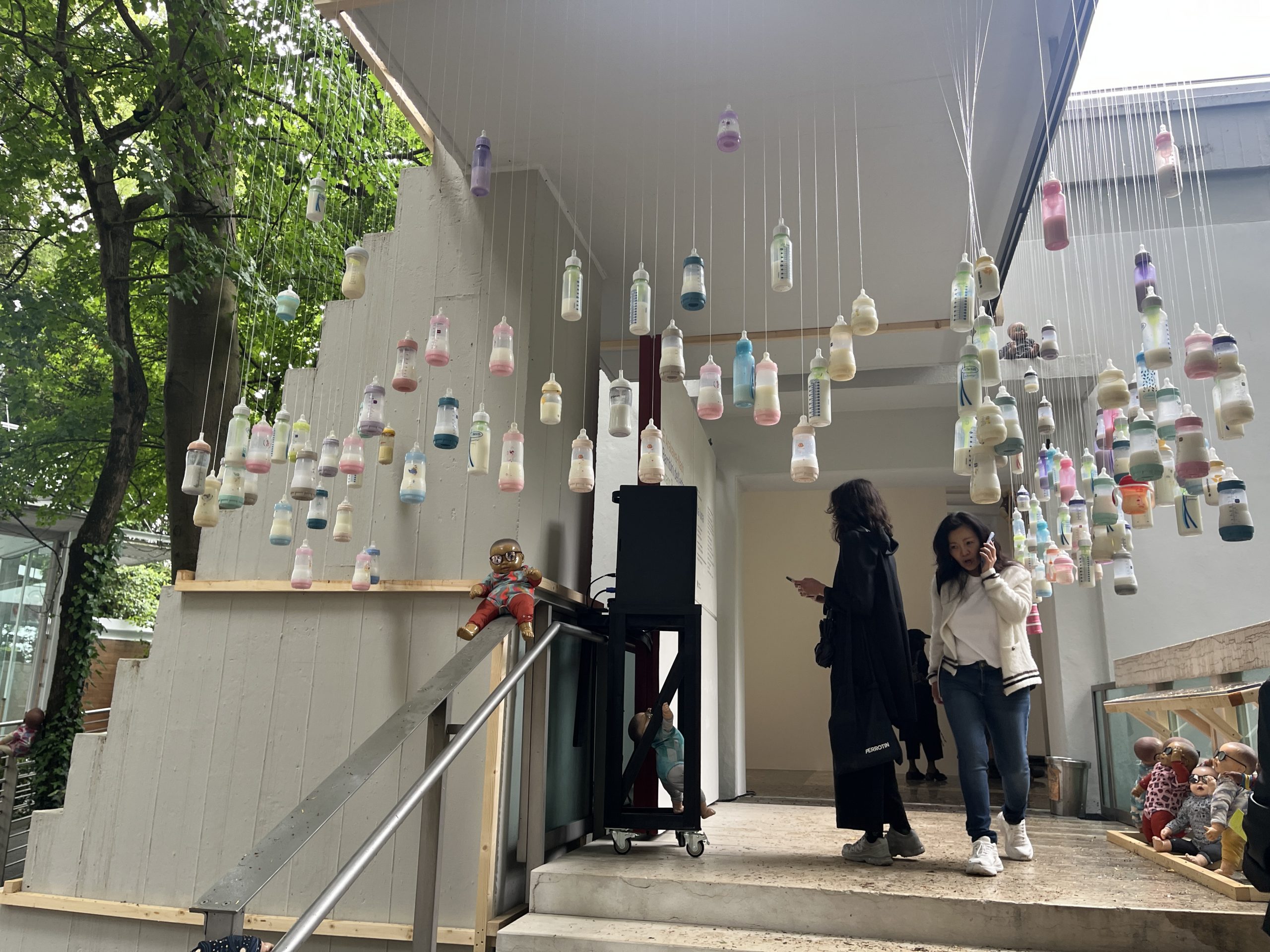
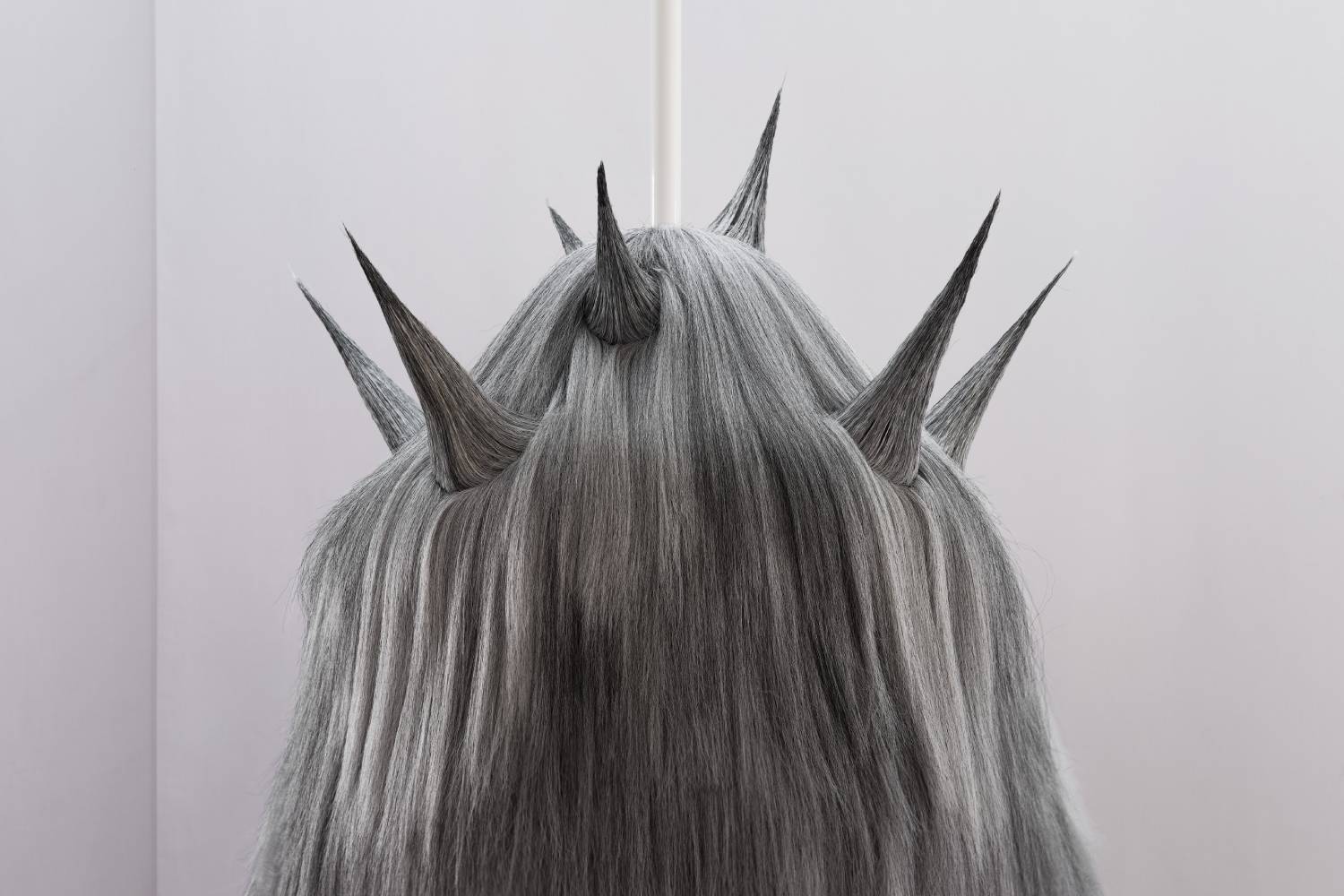
The 61st Venice Biennale features standout national pavilions from Japan, the Philippines, Timor-Leste, Singapore, and India. Japan presents Ei Arakawa-Nash's 'Grass Babies, Moon Babies,' an interactive exhibition with hand-sewn baby dolls and sound pieces exploring queer parenthood and collective care. The Philippines showcases Jon Cuyson's 'Sea of Love / Dagat ng Pag-ibig,' a solo show using 'mussel thinking' to highlight Filipino seafarers. Timor-Leste's 'Across Words' brings together three artists addressing ethnolinguistic diversity and cultural memory, while Singapore presents Amanda Heng's 'A Pause,' a feminist performance on vulnerability and resilience. India's pavilion features Ranjani Shettar's work, supported by Talwar Gallery.

Review: The Good, The Bad and The Venice Biennale

The article reviews the 2024 Venice Biennale, focusing on controversies over Russia's and Israel's participation. Protests erupted during opening week, leading the EU to cut funding and the International Jury to resign. As a result, awards like the Golden Lion and Silver Lion will be decided by public vote, with many pavilions and artists withdrawing in protest. The main exhibition, curated under the theme 'Minor Keys,' features standout works by Alfredo Jaar and Carrie Schneider, alongside national pavilions like Austria's provocative entry by Florentina Holzinger.

ei arakawa nash japan 2026 venice biennale pavilion 1234739727

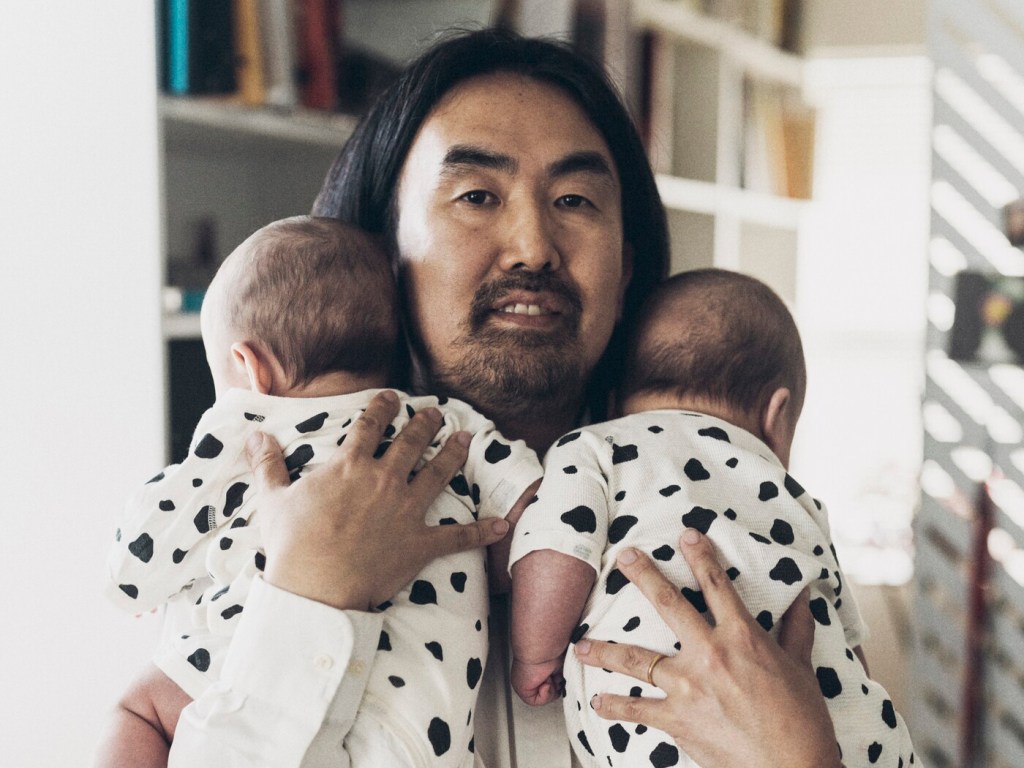
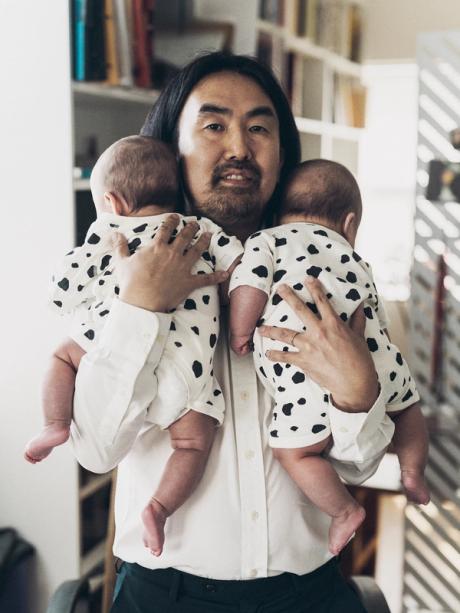
Ei Arakawa-Nash, a Los Angeles–based performance artist, has been selected to represent Japan at the 2026 Venice Biennale, as announced by the Japan Foundation. He will create a new installation for the Japan Pavilion that explores his perspective as a queer parent of newborn twins, aiming to “dissect nationalism and patriarchy.” Arakawa-Nash, who gave up his Japanese nationality a few years ago, draws on post-war avant-garde movements like Gutai and Tokyo Fluxus, and his recent works include a large-scale participatory performance at Tate Modern's Turbine Hall in 2021.

Mind the baby! Visitors to the Japanese Venice Biennale pavilion will be asked to look after dolls

Ei Arakawa-Nash, a Japanese-born artist who no longer holds Japanese citizenship, will represent Japan at the Venice Biennale with an exhibition titled "Grass Babies, Moon Babies." The pavilion will feature over 100 baby dolls that visitors are invited to adopt and carry, engaging in caregiving tasks such as changing a nappy. Each doll corresponds to a historically significant date tied to minority communities, linking intimate acts of care to broader historical narratives. The project also includes a collaboration with the Korean Pavilion, marking the first such partnership between the two national pavilions in Biennale history.

Best in Show: 6 Standouts at the 2026 Venice Biennale

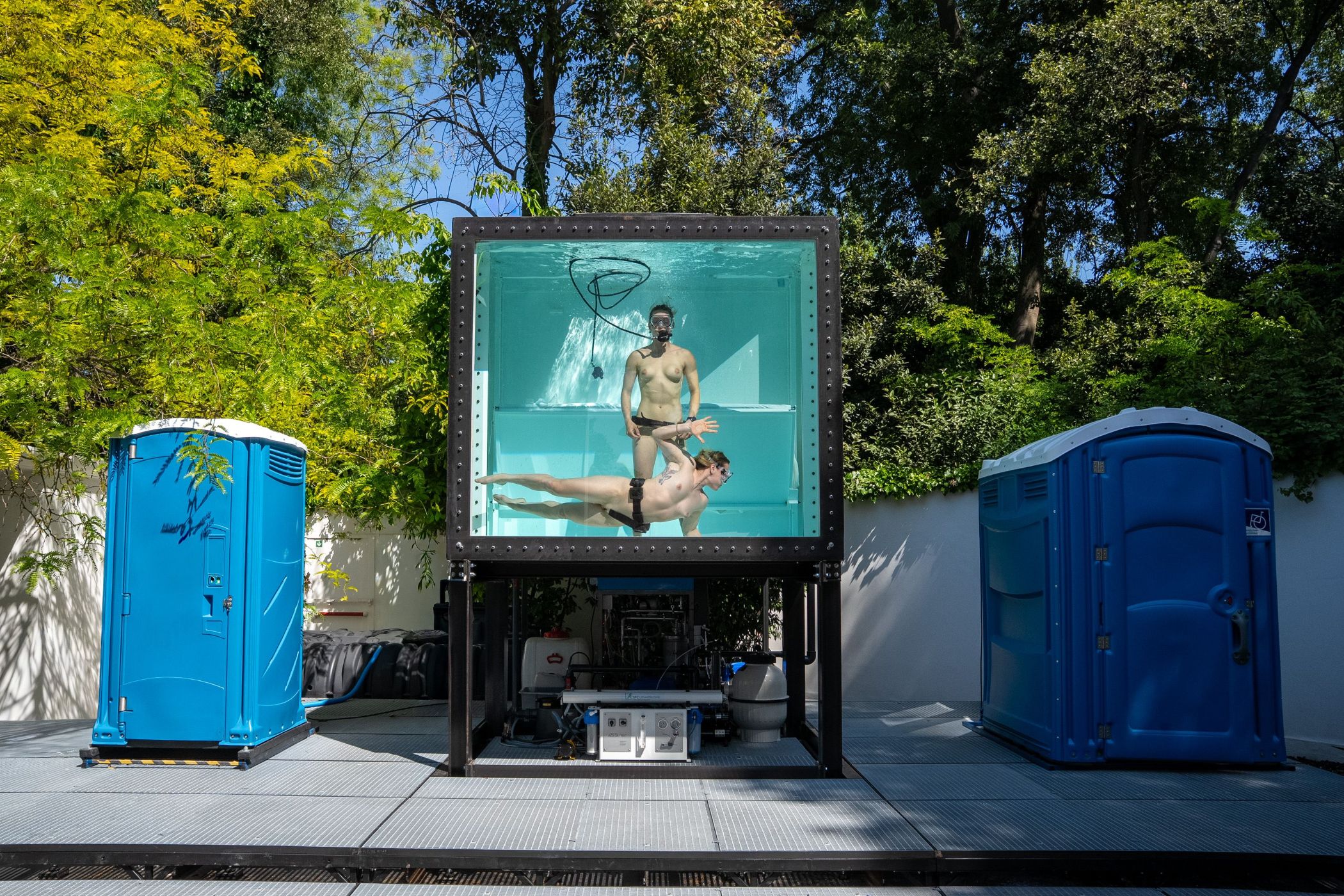
Artnet News writers highlight six standout exhibitions at the 2026 Venice Biennale, which opens to the public on May 9. Among the picks are Ei Arakawa-Nash's interactive installation "Grass Babies, Moon Babies" at the Japan Pavilion, featuring baby dolls and diaper-changing stations; Florentina Holzinger's provocative performance "Seaworld Venice" at the Austria Pavilion, involving nude performers, jet skis, and recycled wastewater; and Dayanita Singh's photographic exhibition "Archivio" at the State Archives of Venice, presenting intimate black-and-white images arranged as freestanding columns.

Al Padiglione del Giappone della Biennale di Venezia vi affidano una bambola da accudire

The Japan Pavilion at the Venice Art Biennale 2026 features an immersive, interactive exhibition titled "Grass Babies, Moon Babies" by Japanese-American artist Ei Arakawa-Nash. Visitors are invited to care for one of 200 dolls, each with a QR code that provides a "diaper poem" linked to the doll's symbolic birth date—reflecting the artist's personal experience of becoming a father in 2024 and broader social dynamics in Japan. The pavilion, curated by Lisa Horikawa and Mizuki Takahashi, evolves over the seven months of the Biennale as a platform for shared care and participation.

Venice Biennale strike sees more than 15 pavilions temporarily or partially close

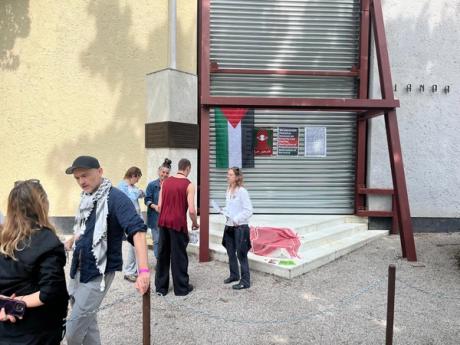
On 8 May, more than 15 national pavilions at the Venice Biennale temporarily or partially closed in a coordinated strike organized by the Art Not Genocide Alliance (ANGA). The protest opposes Israel’s participation in the event, which organizers say normalizes what they call genocide and exploits precarious labor. Participating countries include Austria, Lebanon, Slovenia, Egypt, Poland, and the Netherlands, whose artist Dries Verhoeven stood outside his shuttered pavilion with a Palestinian flag. Some pavilions, like Japan’s, remained open but suspended interactive elements. The strike follows earlier controversies, including the resignation of the prize jury and an open letter demanding the Israeli pavilion’s cancellation.

Venice Diary Day 1: At the Giardini, Artists Refuse to Make Fascism Cozy

Henrike Naumann's posthumous installation at the German Pavilion, which retains its 1938 Nazi-era fascist architecture, refuses to make the space 'cozy' by adorning windows with violently ripped domestic fabrics. The 2026 Venice Biennale is the first under president Pietrangelo Buttafuoco, associated with neo-fascist politics, and is overshadowed by controversy over his 'neutrality' policy allowing all countries to participate despite human rights concerns. The exhibition jury initially announced it would not consider pavilions from countries whose leaders are charged with crimes against humanity, then abruptly quit, leaving the situation unresolved. The US Pavilion features unimpressive blobs by Alma Allen, while the Russian Pavilion offers cut flowers and free vodka, and Andreas Angelidakis responds to fascist aesthetics at the Greek Pavilion.

Korea and Japan to Collaborate on Pavilions at Venice Biennale

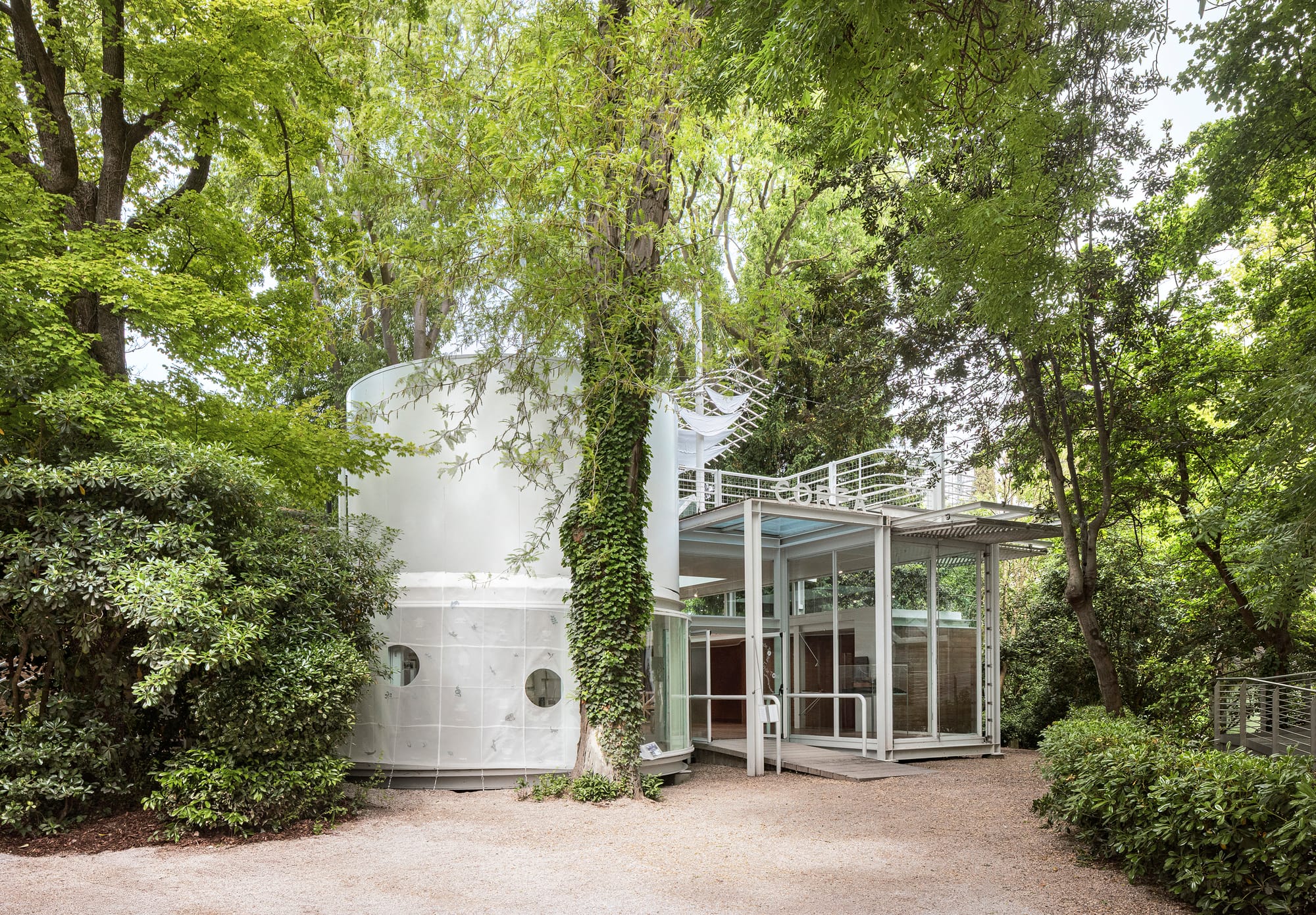
Arts Council Korea has revealed the program for its national pavilion at the 2026 Venice Biennale. Curated by Binna Choi and titled "Liberation Space: Fortress/Nest," the exhibition will feature artists Goen Choi and Hyeree Ro, exploring the historical period between the end of Japanese colonial rule and the establishment of separate Korean governments. A key feature is artist Goen Choi's work *Meridian*, which will physically extend copper pipes from the Korean Pavilion into the adjacent Japanese Pavilion, marking the first formal collaboration between the two nations' presentations at the Biennale.