filter_list Showing 6 results for "Jo Bonger" close Clear
search
dashboard All 6 article culture 3museum exhibitions 2article news 1
date_range Range Today This Week This Month All
Subscribe

Van Gogh’s family used an erotic Gauguin ceramic as a flower vase

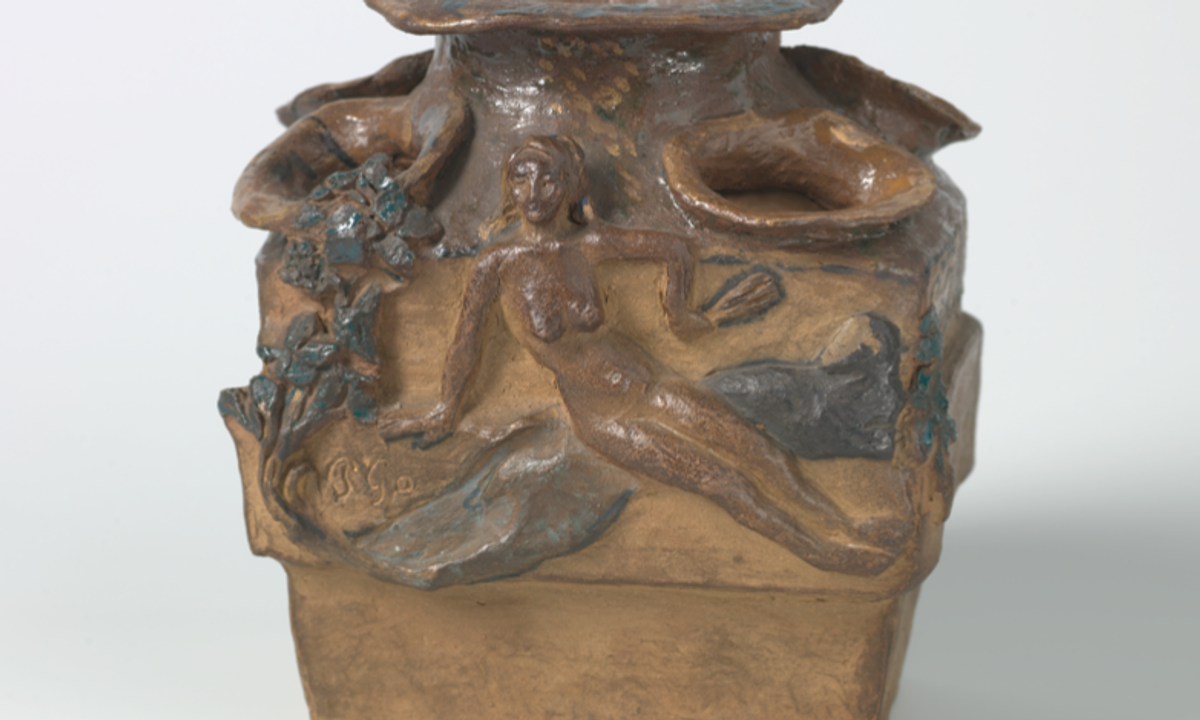
A researcher at the Van Gogh Museum, Joost van der Hoeven, has revealed that Paul Gauguin's erotic ceramic, the Cleopatra Pot (winter 1887-88), was used as a flower vase by Vincent van Gogh's family. Gauguin brought the pot to Arles when he stayed with Van Gogh in 1888, and after Van Gogh's ear incident, Gauguin gave the pot to Vincent's brother Theo as a gift. The pot later remained with Theo's widow, Jo Bonger, and a photograph from 1925-26 shows it on her piano holding flowers, surrounded by still-life paintings.
Lovers to friends: the intimate story of Van Gogh's sister-in-law and the artist Isaac Israëls

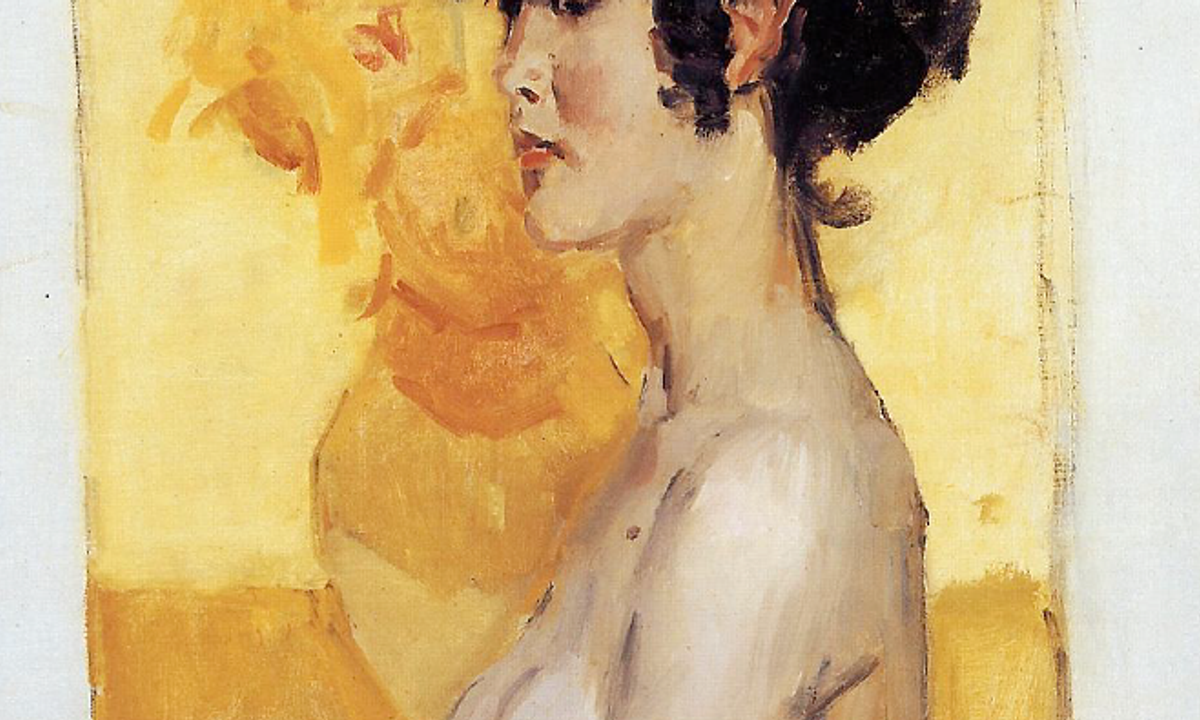
The Van Gogh Museum in Amsterdam has published 103 letters from Dutch Impressionist painter Isaac Israëls to Jo Bonger, Vincent van Gogh's sister-in-law, revealing a previously secret romantic relationship between them. The museum is also presenting an exhibition titled "Captivated by Vincent: The Intimate Friendship of Jo van Gogh-Bonger and Isaac Israëls" (through January 25, 2026), which explores their brief physical relationship in the 1890s and its aftermath, including how Israëls incorporated Van Gogh's paintings into his own portraits—a practice he called "Vincenting." Twelve of these portraits are on display for the first time.

How did the only painting sold by Van Gogh in his lifetime end up in Russia?

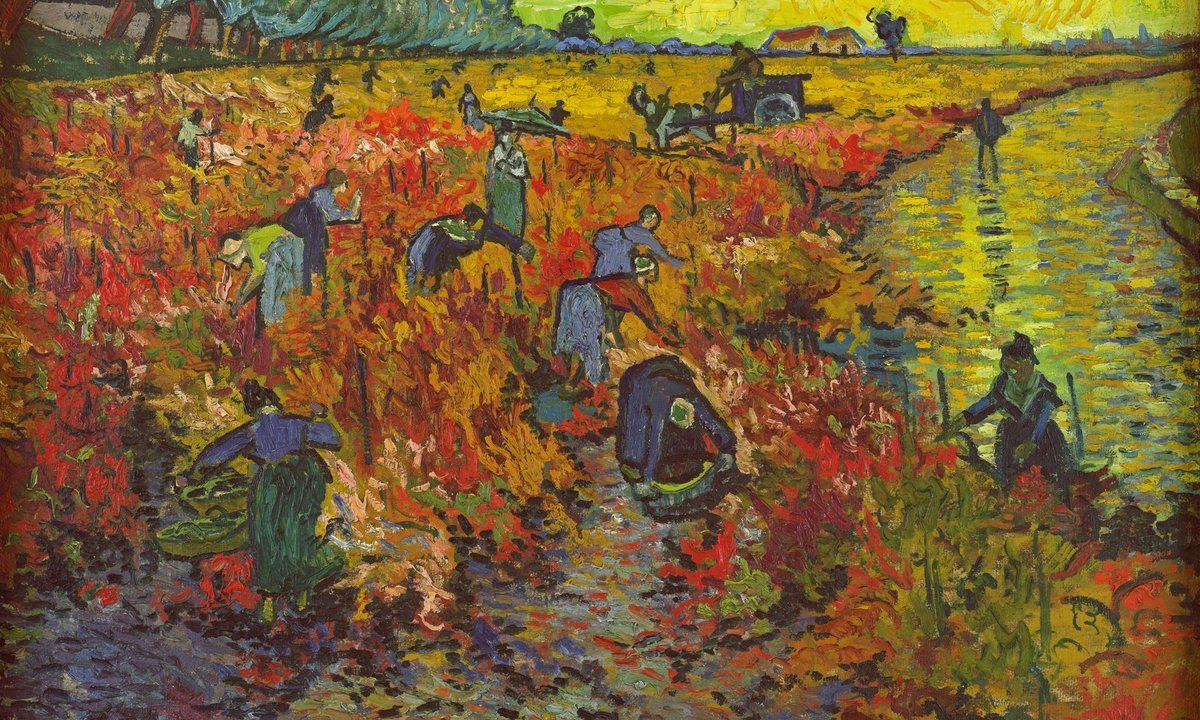
The article explores the history and conservation of Vincent van Gogh's "The Red Vineyard," the only painting he is certain to have sold during his lifetime. Sold for 400 francs at a Brussels exhibition in March 1890, the work now resides at the Pushkin State Museum of Fine Arts in Moscow. A recent conservation project used modern scientific techniques to uncover new details about the painting's creation, including Van Gogh's use of paint straight from the tube, compositional changes, and the fading of chrome yellow pigments. The article also recounts the painting's origin during Van Gogh's time in Arles with Paul Gauguin and its journey to Russia.

With the help of conservators, one of Van Gogh’s finest Arles landscapes will be heading to Japan

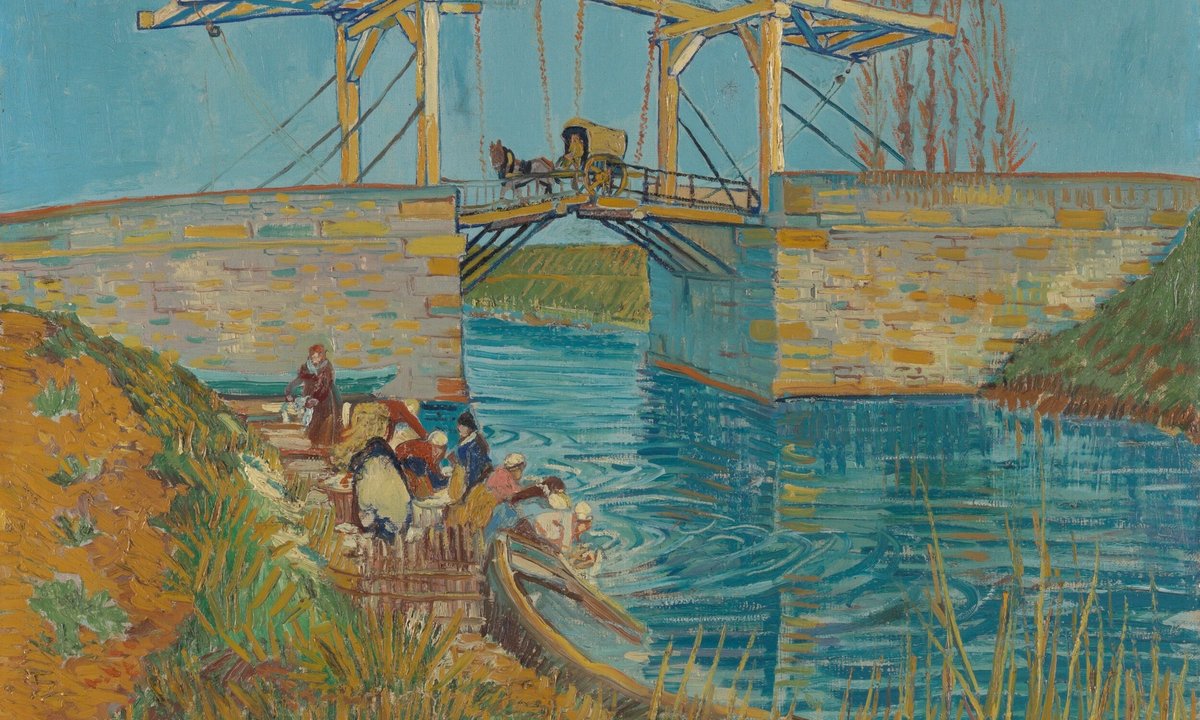
Conservator Margje Leeuwestein has examined Vincent van Gogh's "Bridge at Arles (Pont de Langlois)" (March 1888) at the Kröller-Müller Museum in Otterlo to confirm it is fit for travel. The painting will be the centerpiece of an exhibition touring three Japanese cities in 2027. The article details the painting's history, including Van Gogh's intended gift to Hermanus Tersteeg of the Goupil gallery, a later-scraped dedication, and a rare 1929 photograph of the bridge by Johannes Reiher that mirrors the composition.

When—and why—did Van Gogh paint a pair of crabs?

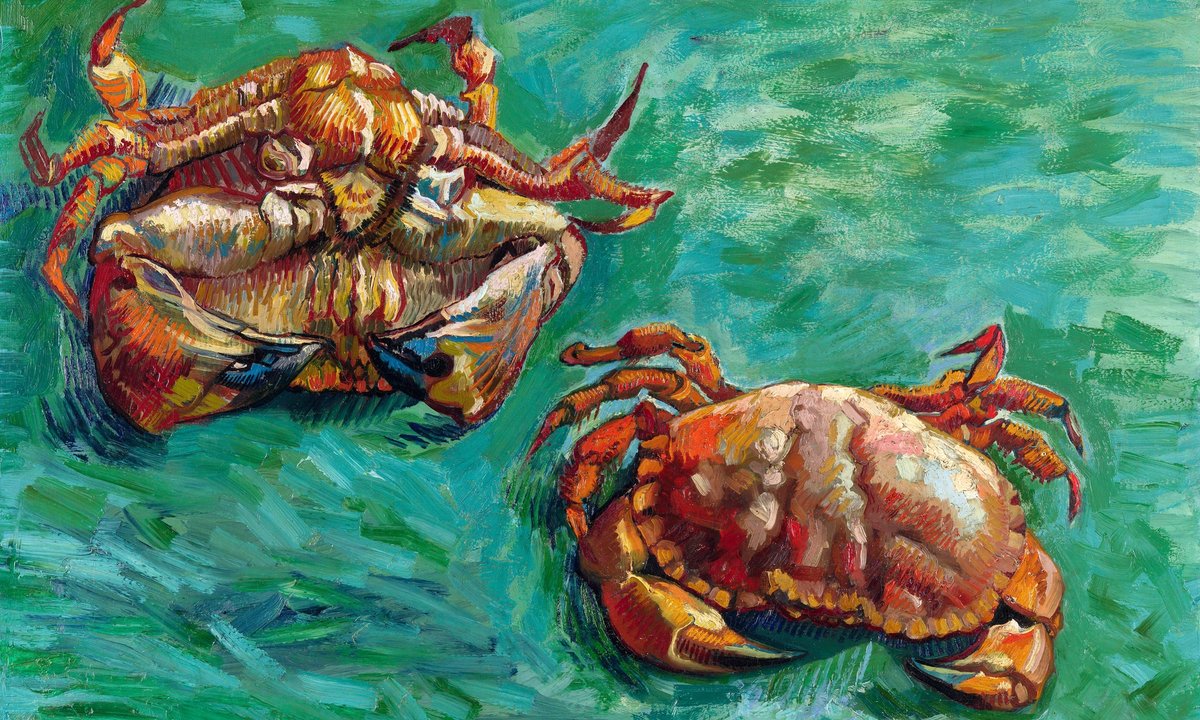
An article explores the story behind Vincent van Gogh's still life "Two Crabs," revealing that the two crabs are likely the same individual—a female Cancer pagurus missing its first pair of walking legs. Paul Clark, a crustacean specialist at London's Natural History Museum, confirmed the sex based on the broad abdomen visible in the painting. The work is on long-term loan to London's National Gallery, where it was recently redisplayed as part of the gallery's major rehang ahead of the Sainsbury Wing reopening on May 10. The article also traces the painting's provenance: it was the first Van Gogh bought by a British collector, William Cherry Robinson, in 1893 for 200 guilders, later sold at auction in 1906 for half that amount, and eventually resold at Sotheby's in 2004 for £5.2 million to an anonymous collector who lent it to the National Gallery.

Van Gogh's suicide: Ten reasons why the murder story is a myth

The article argues against the theory that Vincent van Gogh was murdered, asserting that he died by suicide on July 27, 1890. The murder theory, popularized by Steven Naifeh and Gregory White Smith's 2011 biography "Van Gogh: The Life," claims that 16-year-old René Secrétan shot the artist, and that van Gogh protected him by claiming suicide. The author counters this with ten reasons, including that van Gogh's doctor Paul Gachet, his brother Theo, friends like Emile Bernard, and Paul Gauguin all believed it was suicide, and that police records support this conclusion.