filter_list Showing 9 results for "Leni Riefenstahl" close Clear
search
dashboard All 9 article culture 4article news 3museum exhibitions 1article policy 1
date_range Range Today This Week This Month All
Subscribe

open letter demanding more curatorial independence at ago after non acquisition of nan godin work collects 500 signatures

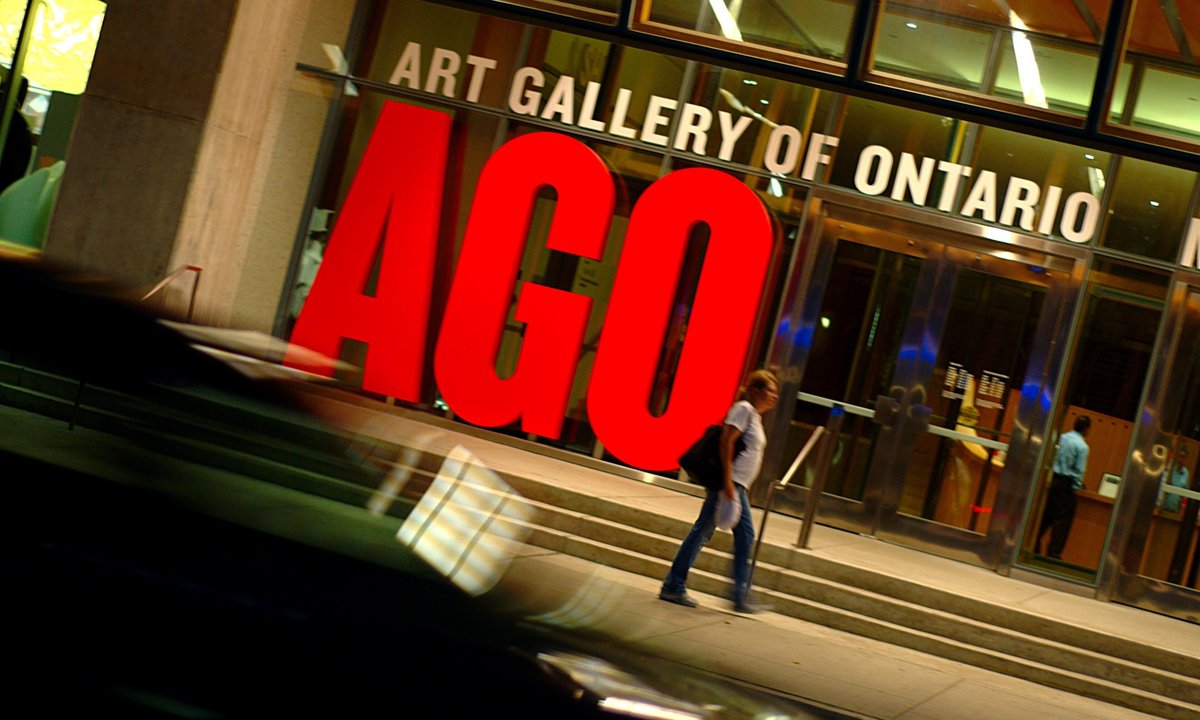
An open letter demanding curatorial independence at the Art Gallery of Ontario (AGO) has gathered over 500 signatures after trustee Judy Schulich reportedly blocked the acquisition of Nan Goldin's moving-image work *Stendhal Syndrome* (2024), calling the Jewish American photographer “antisemitic.” The AGO had planned to acquire the work jointly with the Vancouver Art Gallery and the Walker Art Center, but the vote was 11–9 against acquisition. In response, curator John Zeppetelli resigned, two volunteer committee members stepped down, and Goldin herself criticized the decision as censorship driven by donor influence. The AGO has since announced a restructuring of its modern and contemporary curatorial committee, splitting it into two groups for 20th- and 21st-century art, effective in 2026.

art gallery of ontario trustee nan goldin work israel gaza

A trustee at the Art Gallery of Ontario (AGO), Judy Schulich, advised the museum's acquisitions committee not to acquire a Nan Goldin video installation, *Stendhal Syndrome* (2024), due to Goldin's pro-Palestine statements and criticism of Israel's war in Gaza. The AGO had planned to purchase the work jointly with the Vancouver Art Gallery and the Walker Art Center, but the AGO withdrew after internal concerns were raised. The controversy led to the resignation of two committee members and one curator, and the museum promised a review of its acquisition process.

Venice Diary Day 1: At the Giardini, Artists Refuse to Make Fascism Cozy

Henrike Naumann's posthumous installation at the German Pavilion, which retains its 1938 Nazi-era fascist architecture, refuses to make the space 'cozy' by adorning windows with violently ripped domestic fabrics. The 2026 Venice Biennale is the first under president Pietrangelo Buttafuoco, associated with neo-fascist politics, and is overshadowed by controversy over his 'neutrality' policy allowing all countries to participate despite human rights concerns. The exhibition jury initially announced it would not consider pavilions from countries whose leaders are charged with crimes against humanity, then abruptly quit, leaving the situation unresolved. The US Pavilion features unimpressive blobs by Alma Allen, while the Russian Pavilion offers cut flowers and free vodka, and Andreas Angelidakis responds to fascist aesthetics at the Greek Pavilion.

washington post art critic sebastian smee laid off

The Washington Post laid off approximately 30% of its newsroom staff, including Pulitzer Prize-winning art critic Sebastian Smee, as part of broader cuts to sports, local news, and international coverage. Smee, who joined the Post in 2018 after working at the Boston Globe and The Australian, confirmed his departure in a statement to ARTnews, expressing gratitude to former editor Marty Baron and solidarity with affected colleagues. Another Pulitzer-winning critic, Philip Kennicott, reportedly remains on staff. The layoffs come shortly after the release of a documentary produced by Amazon MGM Studios, owned by Post owner Jeff Bezos.

Do you remember the last negative review you read?

« Vous souvenez-vous de la dernière critique négative que vous avez lue ? »

The traditional art of negative criticism is vanishing from mainstream media, replaced by a culture of polite consensus or violent but unprincipled social media attacks. Historically, critics like Baudelaire, Zola, and Huysmans used sharp, subjective arguments to defend avant-garde movements and challenge academicism, viewing the attack on certain artists as a necessary byproduct of championing others. Today, limited editorial space and a desire to support the arts have led French journalists to focus almost exclusively on praise, resulting in a loss of discernment and comparative analysis.

Open letter calls for ousting of Art Gallery of Ontario trustee who led vote against Nan Goldin acquisition

A major controversy has erupted at the Art Gallery of Ontario (AGO) following the revelation that trustee Judy Schulich led a successful effort to block the acquisition of a new work by photographer Nan Goldin. The museum's Modern and contemporary curatorial working committee voted 11-9 against jointly purchasing Goldin's video piece *Stendhal Syndrome* (2024) with two other institutions, after Goldin was reportedly labeled antisemitic and compared to Nazi propagandist Leni Riefenstahl for her criticism of Israel's actions in Gaza. The decision prompted the resignation of the AGO's curator of modern and contemporary art and two volunteer committee members.

The MAGA Theory of Art

The article examines the aesthetic dimensions of the MAGA movement, comparing and contrasting it with historical fascist regimes, particularly Nazi Germany. It argues that while both movements share a theatrical, media-savvy approach to politics and a resentment of cultural elites, MAGA lacks the disciplined, sophisticated aesthetic program and the cadre of high-profile artists and designers that characterized Nazi cultural production.

film nadav lapid yes israel palestine

Nadav Lapid's fifth feature film, *Yes*, follows an Israeli musician and his artist wife who adopt a hedonistic lifestyle of parties, orgies, and drug use alongside war ministers and Russian oligarchs in the wake of the October 7 attacks and the Gaza conflict. The film, which premiered out of competition at Cannes, faced production challenges including crew walkouts and actor dropouts, and struggled to find US distribution before being picked up by Kino Lorber for a March 27 release in New York and April 3 in Los Angeles.

Comment | Degenerate art all over again? Nazi attack on Modern art is not far away from trends in today’s world

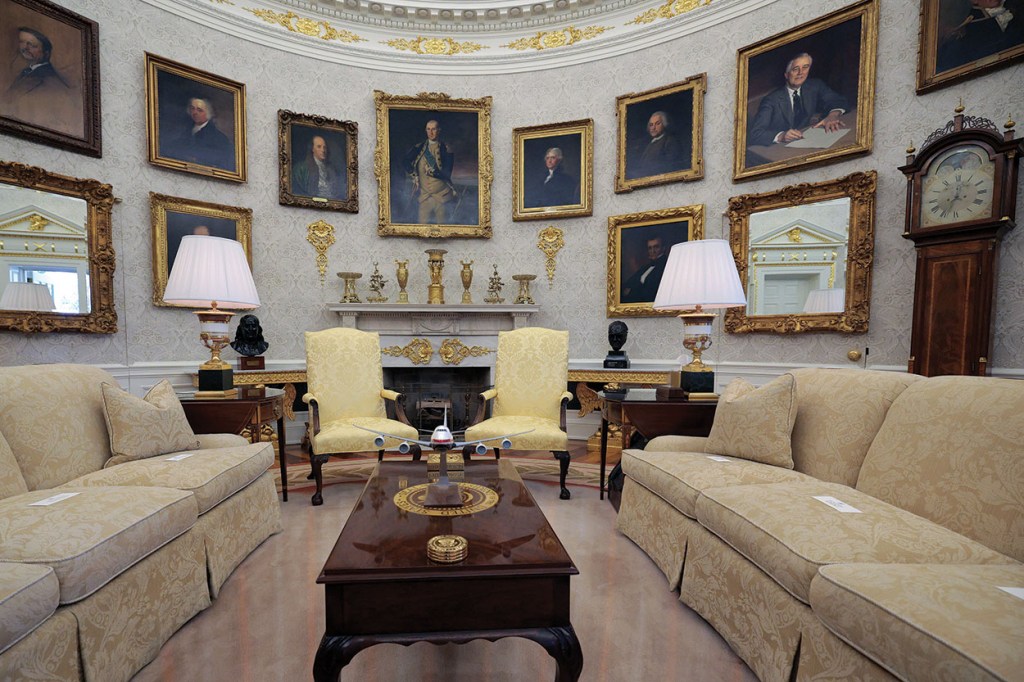
The article draws a provocative parallel between the Nazi regime's attack on modern art—epitomized by the 1937 "Degenerate Art" (Entartete Kunst) exhibition—and contemporary political aesthetics, particularly around President Donald Trump. It traces the Nazi party's early use of visual spectacle, mass rallies, and monumental art to forge a national identity, contrasting this with Trump's proposed National Garden for American Heroes and stalled White House Ballroom, which the author dismisses as kitsch but lacking the cohesive fascist aesthetic of Albert Speer's masterplans.