
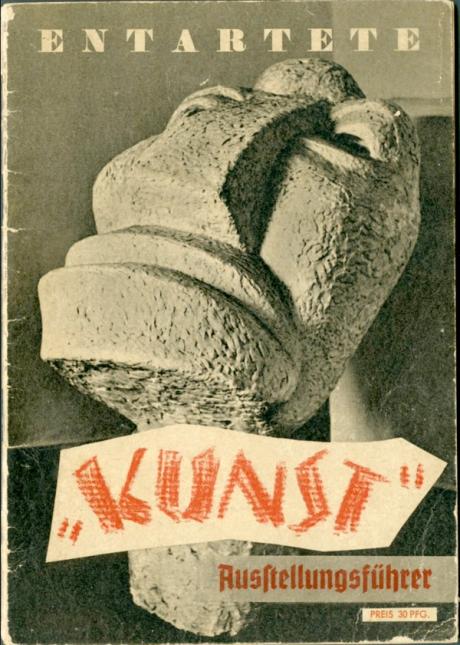
The article draws a provocative parallel between the Nazi regime's attack on modern art—epitomized by the 1937 "Degenerate Art" (Entartete Kunst) exhibition—and contemporary political aesthetics, particularly around President Donald Trump. It traces the Nazi party's early use of visual spectacle, mass rallies, and monumental art to forge a national identity, contrasting this with Trump's proposed National Garden for American Heroes and stalled White House Ballroom, which the author dismisses as kitsch but lacking the cohesive fascist aesthetic of Albert Speer's masterplans.
Why it matters: The piece argues that fascism is fundamentally aesthetic, and that understanding the role of art in authoritarian movements is crucial for evaluating today's political climate. By revisiting the "Degenerate Art" exhibition—which the author calls one of the most important of the 20th century—the article warns that censorship and vilification of modern art can amplify the very freedoms they seek to suppress. It challenges readers to consider whether anti-modern attitudes and the weaponization of culture are resurgent, making the historical lesson urgently relevant.