filter_list Showing 6 results for "Mierle Laderman Ukeles" close Clear
search
dashboard All 6 article news 2rate_review review 2article culture 1museum exhibitions 1
date_range Range Today This Week This Month All
Subscribe

Venice Biennale Strike Makes History

On May 8, thousands marched through Venice and more than two dozen national pavilions were partially or fully shuttered during a 24-hour strike organized by the Art Not Genocide Alliance and local activist groups. The strike, which included Palestinian flags draped over artworks, marks the first cultural strike in the Venice Biennale's 131-year history. Italian police beat back protesters as Editor-in-Chief Hakim Bishara reported from the scene. Separately, a nesting seagull near the Polish pavilion became an unexpected star, and the LA Art Book Fair opened with a focus on archival materials.
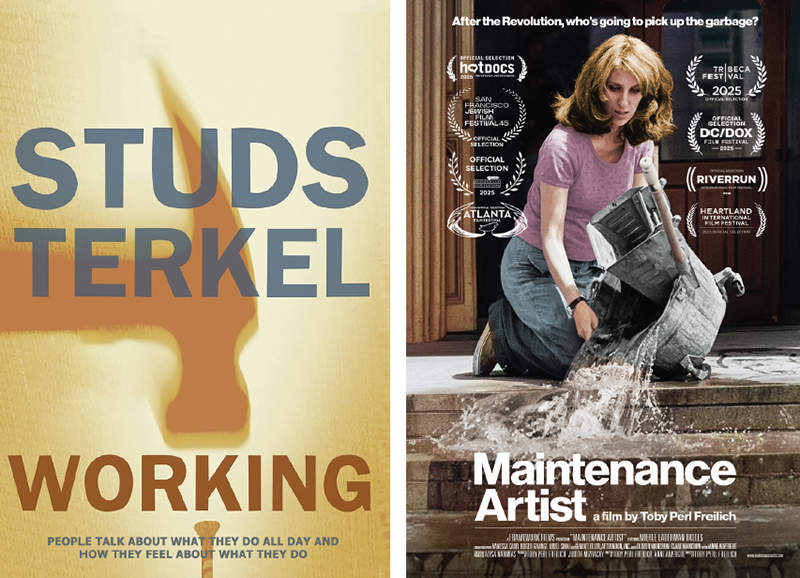
The Making of a Maintenance Artist

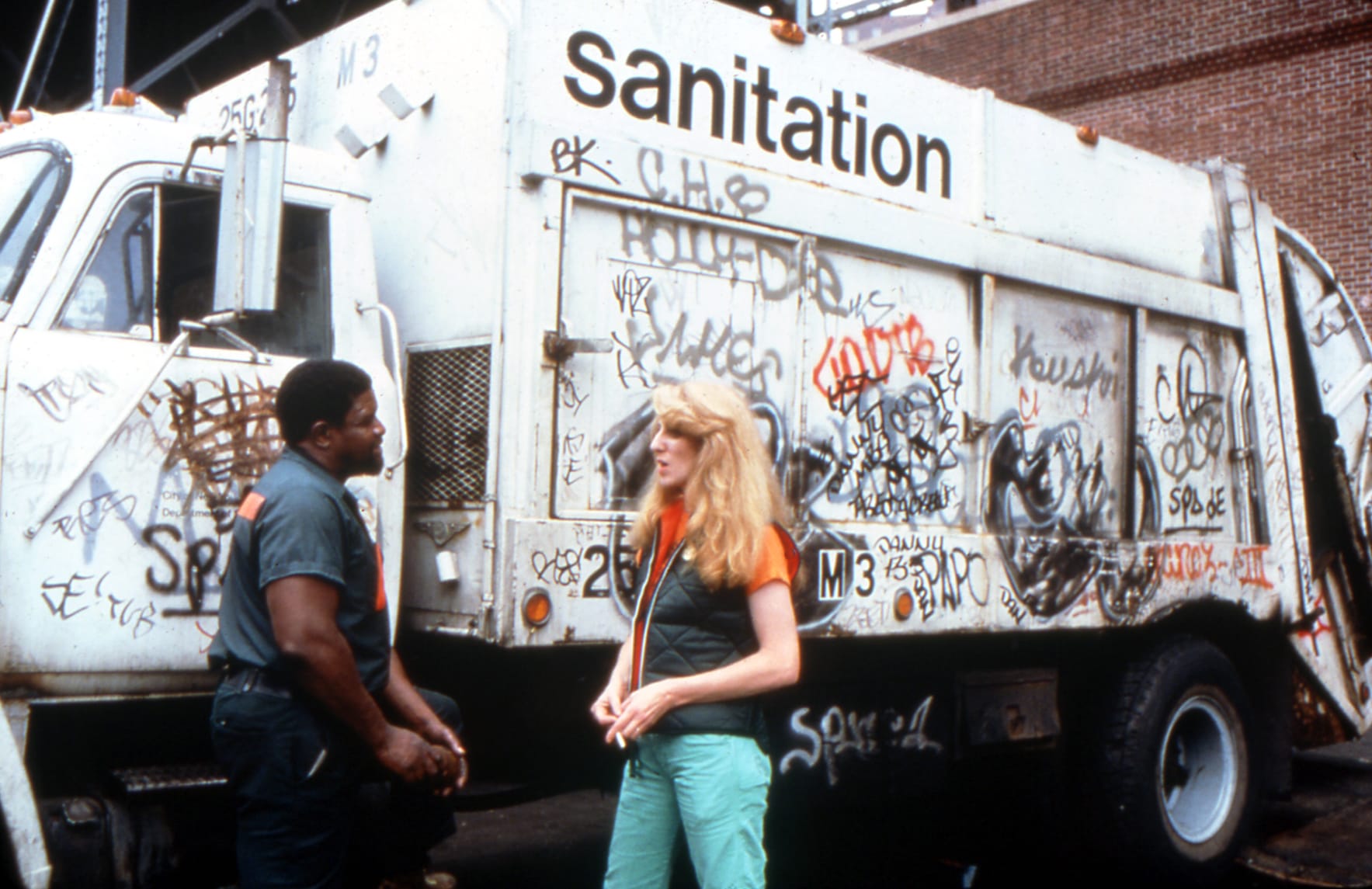
A new documentary titled "Maintenance Artist" (2025) traces the decades-long practice of Mierle Laderman Ukeles, a pioneering artist who focused on marginal, unpaid, and feminine labor. The film covers her career from her 1969 "CARE" manifesto, through her role as artist-in-residence at the New York City Department of Sanitation, to her first retrospective at the Queens Museum in 2017. It highlights her critique of art-world gender biases and her efforts to recognize discounted labor in all fields.

A True-to-Life Biennale

Hakim Bishara, editor-in-chief of Hyperallergic, reflects on the 61st Venice Biennale after returning to New York, describing it as historical, political, and thrilling. He counters critics who claimed the Biennale imploded due to boycotts and resignations, arguing it was more alive than ever. The late Koyo Kouoh's main exhibition "In Minor Keys" is praised for reflecting global woes and joys. The article also highlights a major strike by artists and cultural workers that disrupted the pre-opening, the first cultural strike in the Biennale's 131-year history, with 54 artists in the international exhibition and 22 national pavilion teams withdrawing from awards consideration in solidarity with the jury's resignation.

Maia Chao Performs the Museum

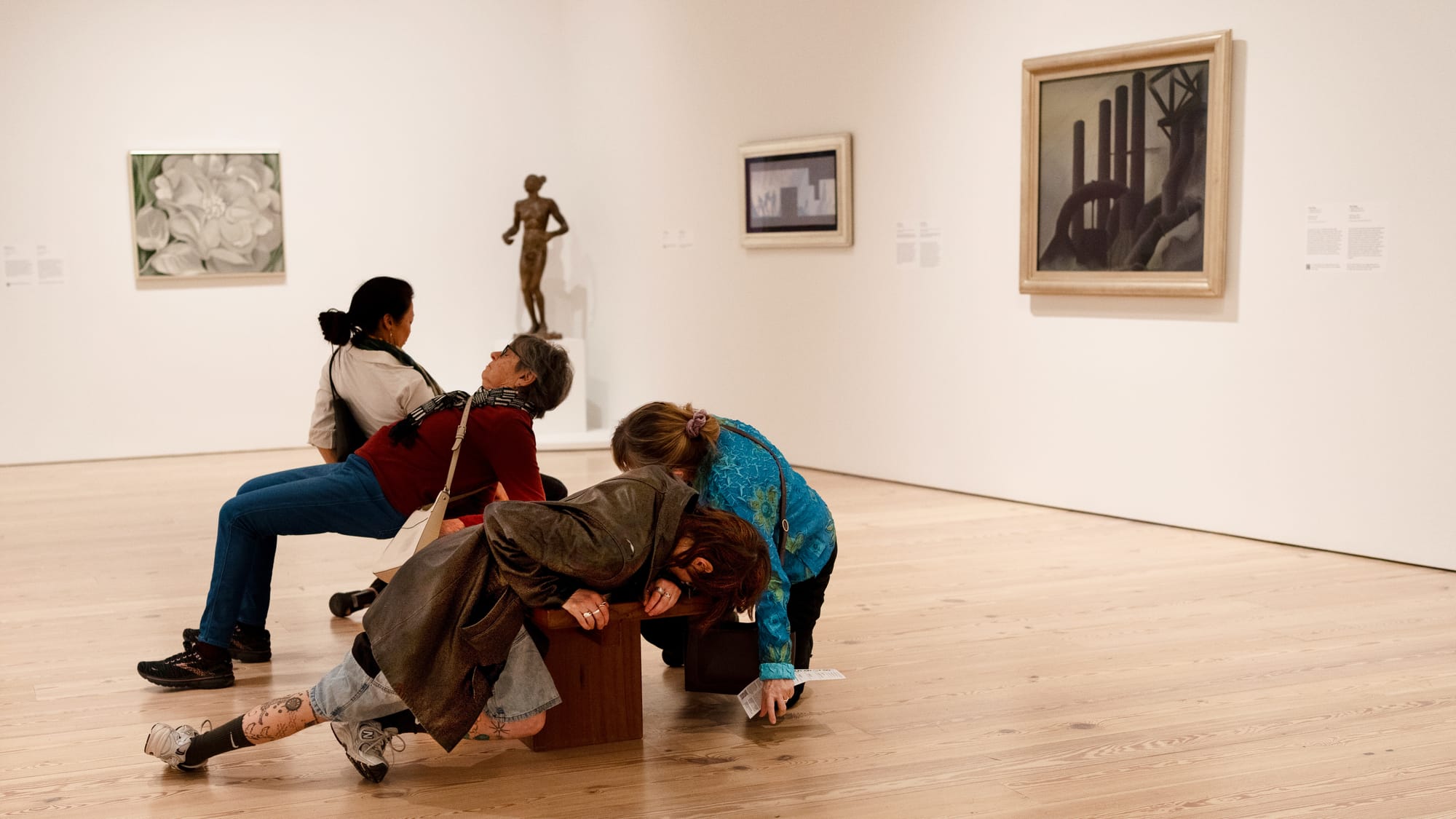
Artist Maia Chao will activate the seventh-floor galleries of the Whitney Museum of American Art with her performance "Being Moved" as part of the 2026 Whitney Biennial programming. The work explores the theatricality and choreography of a museum visit, examining the gap between the fantasy of profound encounter and the ambivalence of spectatorship. Chao, who studied cultural anthropology at Brown University and grew up with artist parents in Providence, Rhode Island, approaches the museum as a structure that quietly trains behavior and participation. Her earlier projects include "My Business (Cards)" (2017), which invokes Adrian Piper's work, and "Look at Art, Get Paid" (2015–20), which paid non-museum-goers to serve as guest critics.

The Politics of In-action: Review of In-action: Viennese Actionism and the Passivities of Performance Art

Caroline Lillian Schopp's new book *In-action: Viennese Actionism and the Passivities of Performance Art* (2025) offers a revisionist history of Viennese Actionism, a movement retroactively named in 1970 by Peter Weibel and Valie Export. Schopp introduces the term "in-action" to describe a politics of artistic action that emphasizes intimacy, hesitation, and vulnerability rather than the violent or liberatory extremes typically associated with the movement. She expands the canon to include women artists such as Anna Brus, Hanel Koeck, and Ingrid Wiener, and reexamines the work of Rudolf Schwarzkogler, whose death was mythologized as a suicide by self-castration but was actually a fall from a window. Through close readings of photographs, Schopp argues that Schwarzkogler's performances were characterized by passivity and "in-sincerity," challenging the dominant narrative of actionism as aggressive or heroic.

The Art of Performing Maintenance

This article explores the work of artist Mierle Laderman Ukeles, who in 1969 wrote her "Manifesto for Maintenance Art" after experiencing a crisis of meaning following the birth of her first child. She proposed that routine maintenance tasks—like cleaning, cooking, and laundry—could be redefined as art when performed in public, particularly in museums. The article traces her early exhibitions at the Wadsworth Athenaeum, where she swept and mopped as performance, and her later projects interviewing passersby on New York City sidewalks and embedding herself in a Manhattan office building, where she invited workers to declare their maintenance tasks art.