filter_list Showing 8 results for "Minister of Culture" close Clear
search
dashboard All 8 article news 4museum exhibitions 3article policy 1
date_range Range Today This Week This Month All
Subscribe

Sound-based Holy See pavilion opens at Venice Biennale as Vatican’s contemporary art ambitions grow

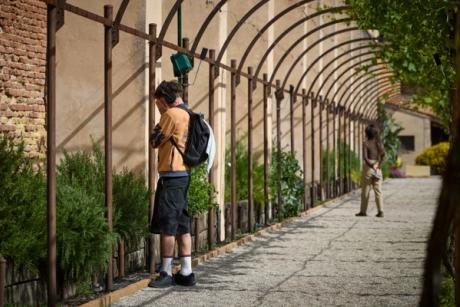
The Holy See's pavilion at the Venice Biennale has opened, featuring a sound-based exhibition titled "The Ear is the Eye of the Soul" (9 May–22 November). The show, inspired by the medieval Benedictine nun Saint Hildegard of Bingen, includes commissioned audio works by high-profile artists and musicians such as Brian Eno, FKA Twigs, Patti Smith, Jim Jarmusch, and Precious Okoyomon. The exhibition takes place across two Venetian sites—the Mystical Garden of the Discalced Carmelite and the Santa Maria Ausiliatrice complex—and is co-organized by Hans Ulrich Obrist, artistic director of the Serpentine Gallery, and curator Ben Vickers, in collaboration with Soundwalk Collective.
A Time of Transition

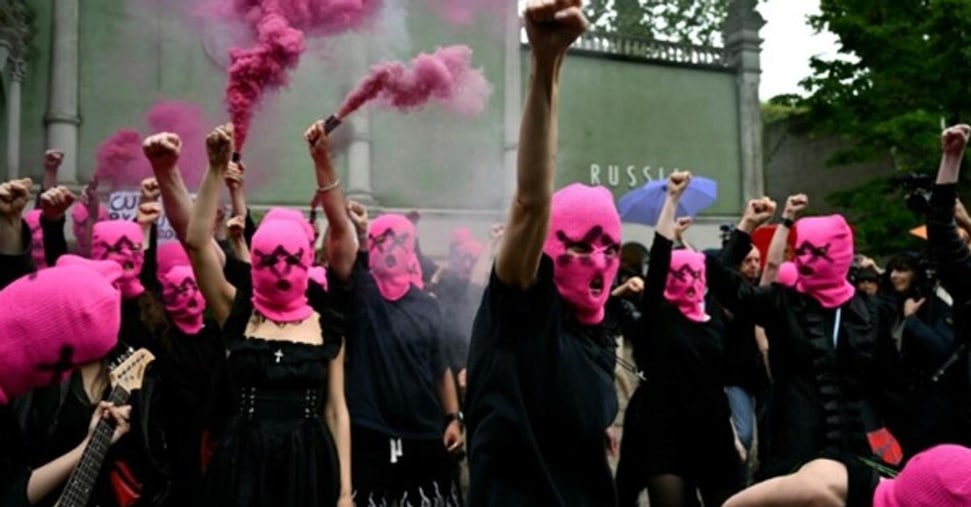
During the preview week of the 61st Venice Biennale, escalating protests targeted the national pavilions of Israel and Russia, with demonstrations by Pussy Riot, ANGA (Art Not Genocide Alliance), and Baltic pavilions. A major protest on May 8 drew over 3,000 people in solidarity with Palestine, and 27 national pavilions—including Austria, the Netherlands, France, and Japan—staged a strike, the first at the Biennale since 1968. The Golden Lion jury resigned after declaring they would not consider countries under ICC investigation (Israel and Russia), and the Biennale administration replaced the prize with a visitors' award, from which half the artists in the main exhibition have withdrawn.

Art Biennale: artists reject the popular jury

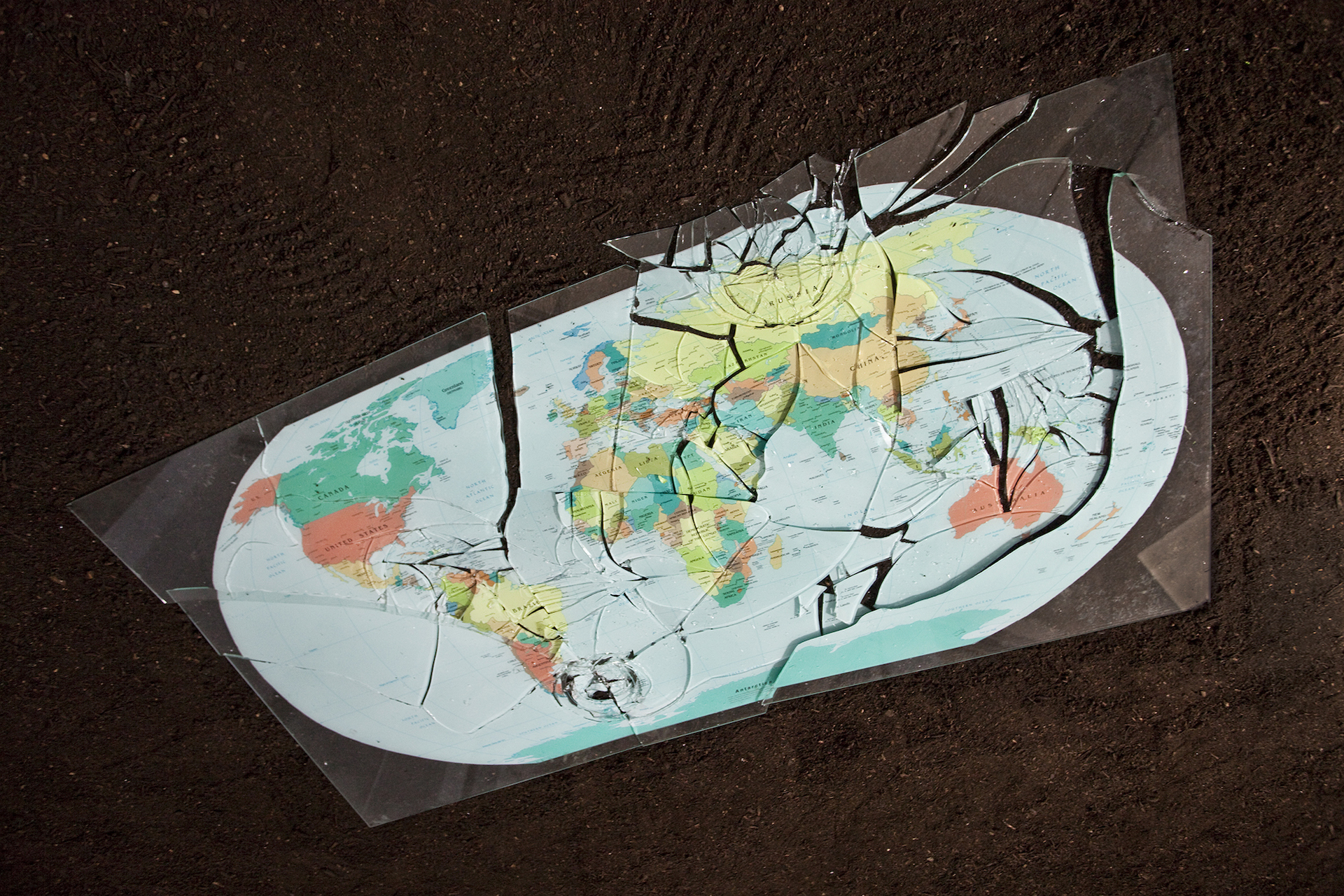
Fifty-two artists and curators, along with sixteen National Participants of the 61st Venice Art Biennale, have withdrawn from the newly introduced 'Lions of the Visitors' (People's Prizes) competition. The boycott follows the resignation of the jury appointed by artistic director Koyo Kouoh, who died in 2025, and is a protest against the inclusion of Russia and Israel in the prize—countries initially excluded by the international jury. The controversy escalated after Italian Minister of Culture Alessandro Giuli publicly opposed the Biennale president Pietrangelo Buttafuoco's decision to allow Russia's participation, drawing in the European Commission and even Ursula von der Leyen, who warned of potential sanctions violations. The signatories include artists and curators from France, Belgium, Luxembourg, Turkey, Switzerland, Spain, the Netherlands, and several other nations.

Giuli Buys Everything! The Ministry of Culture Also Wants to Take Over Rome's Teatro delle Vittorie and Venice's Palazzo Labia?

Giuli compra tutto! Il Ministero della Cultura vuole prendersi anche Il Teatro delle Vittorie di Roma e Palazzo Labia a Venezia?

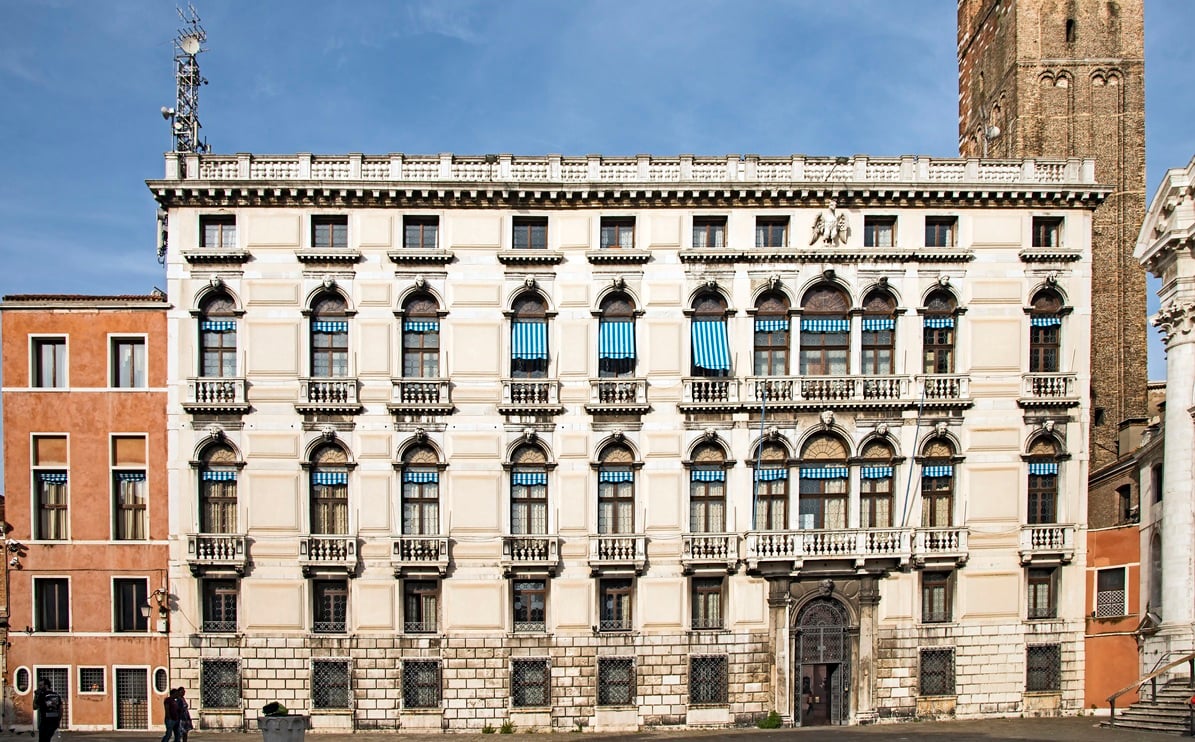
Italian Minister of Culture Alessandro Giuli is pursuing an aggressive acquisition campaign for cultural properties. After high-profile purchases including Antonello da Messina's *Ecce Homo* and Caravaggio's *Portrait of Monsignor Maffeo Barberini* (€30 million), the Ministry has now expressed interest in acquiring Rome's Teatro delle Vittorie and Venice's Palazzo Labia—both part of a real estate portfolio being sold by state broadcaster Rai. The Ministry also recently bought Verona's historic Cinema Astra (with a €7.5 million restoration plan) and Naples' Teatro Sannazzaro after a fire.

Peruvian artist's solo exhibition opens at Heydar Aliyev Center [PHOTOS]

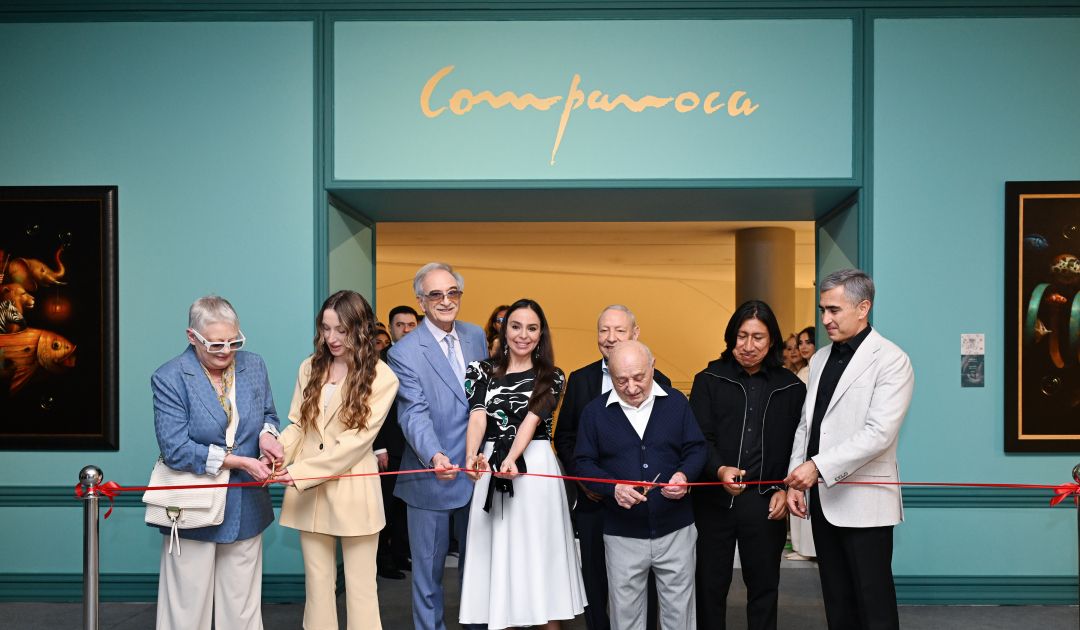
On May 21, a solo exhibition of Peruvian artist Ronald Companoca titled "The Theater of Dreams" opened at the Heydar Aliyev Center in Baku, Azerbaijan. The ceremony was attended by Leyla Aliyeva, Alena Aliyeva, Minister of Culture Adil Karimli, and other dignitaries. The exhibition features many works shown for the first time, including pieces inspired by Azerbaijani culture, such as carpet elements and national motifs. Companoca described his style as a synthesis of realistic and mystical elements, rooted in magical surrealism. An artistic performance with live characters mirroring the artwork accompanied the opening. The exhibition runs until March 1, 2027.

Jury for Venice Biennale's art prize resigns after refusing to recognise Israeli, Russian artists

The international jury of the 61st Venice Biennale art exhibition resigned just over a week before the May 9 prize ceremony, after announcing they would not consider artists from countries whose leaders face International Criminal Court charges—an apparent reference to Russia and Israel. The jury included president Solange Farkas, Zoe Butt, Elvira Dyangani Ose, Marta Kuzma, and Giovanna Zapperi. In response, the Biennale established two Visitors’ Lions to be awarded by ticket-holder vote, postponed the awards to November 22, and reaffirmed that all national participations remain eligible, effectively reinstating Russian and Israeli artists.

Two years ago Russia ceded its pavilion at the Biennale to Bolivia. A testimony from within

Due anni fa la Russia cedette il suo padiglione in Biennale alla Bolivia. Una testimonianza da dentro

Two years ago, Russia ceded its national pavilion at the Venice Biennale to Bolivia, a move that artist Inés Fontenla experienced firsthand when she was invited by Bolivia to participate in the 2024 edition. Fontenla recounts how the pavilion's organization shifted after Bolivia's 2025 elections, with the curator replaced by the new Minister of Culture just one month before the opening. She realized Russia was using Bolivia as a front to re-enter the Biennale after closing its own pavilion in 2022 in protest of the Ukraine invasion, and she ultimately withdrew from the project to avoid being instrumentalized by a military power.

Istanbul exhibition features artist voice via art at Karaköy Palace | Daily Sabah

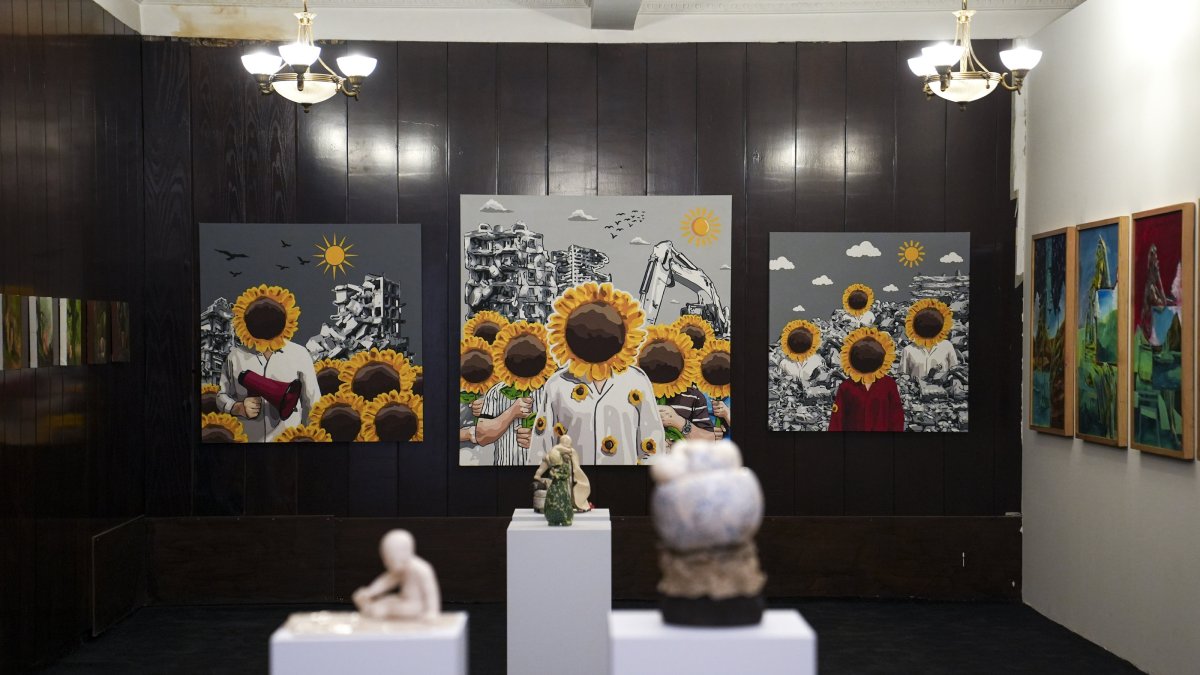
The Kültür Medeniyet Vakfı (KÜME) opened its ArtıKÜME 2025 and ODAK exhibitions at Karaköy Palas in Istanbul on Saturday, featuring 25 projects across disciplines from digital art to calligraphy under the theme 'Mümkün' ('Possible'). The exhibition transforms the historic Karaköy Palas into a platform for experimental and process-driven works, with artists like Muharrem Dalhan presenting interactive installations such as 'Threshold,' which critiques algorithm-driven media environments. The ODAK project was also introduced as a platform tracking cultural production across Türkiye, with its first publication, the ODAK 2025 book, launched alongside the exhibition.