filter_list Showing 12 results for "Minor Keys" close Clear
dashboard All 12 museum exhibitions 7article news 3rate_review review 2
date_range Range Today This Week This Month All
Subscribe

5 Trends Shaping the 2026 Venice Biennale

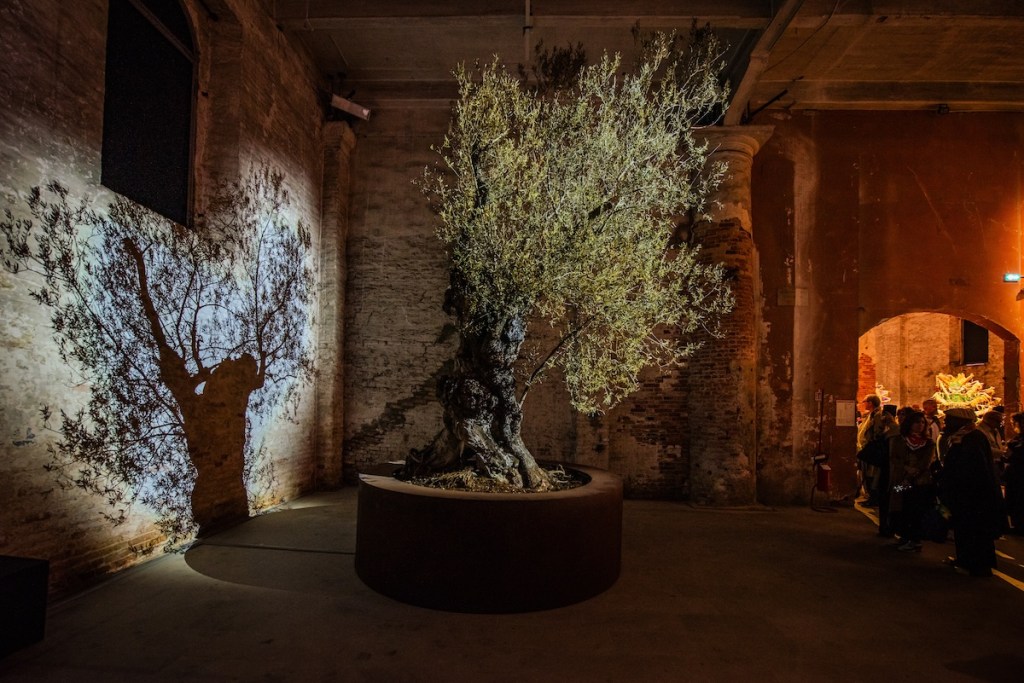
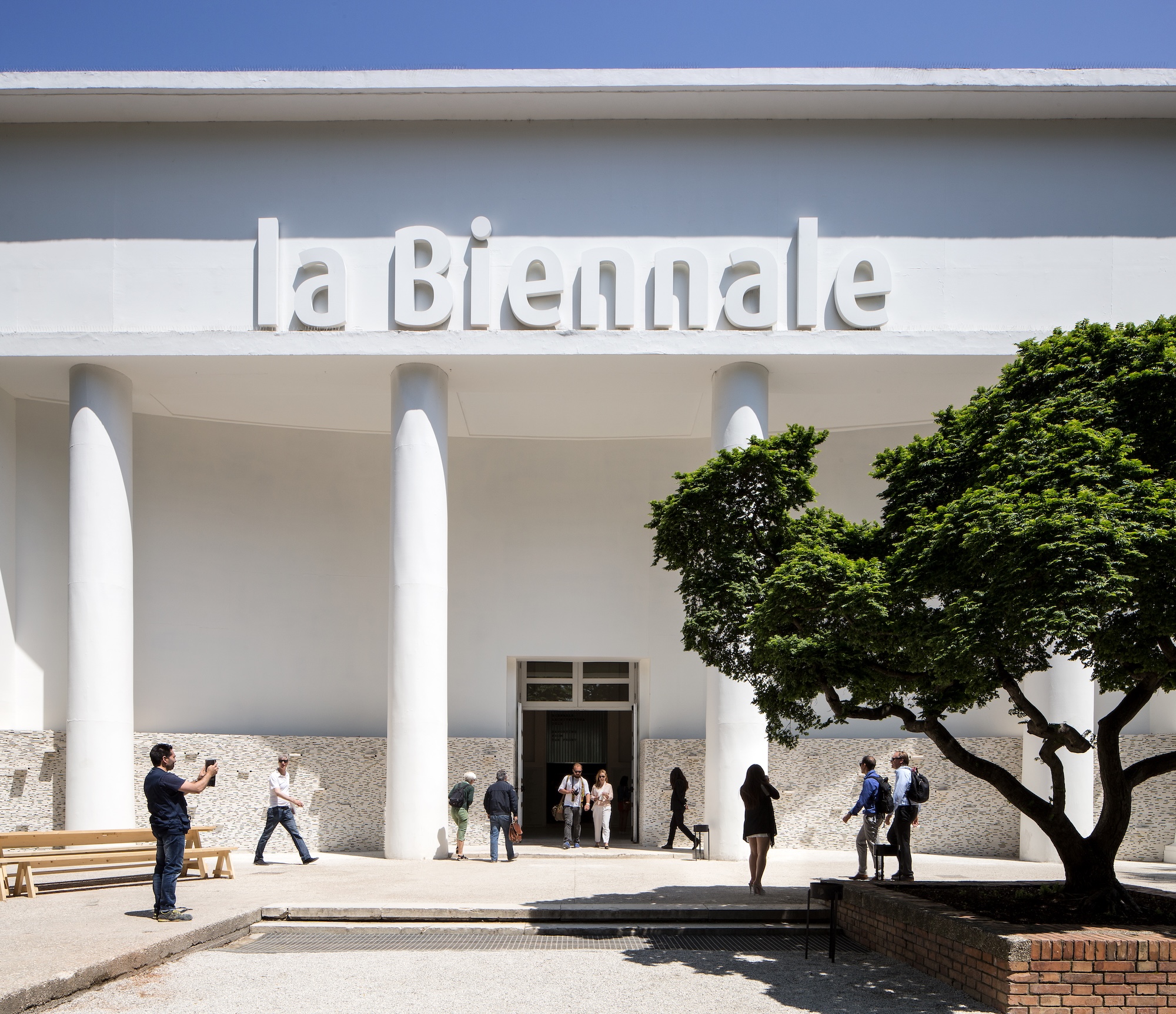
The 2026 Venice Biennale has opened to the public, featuring the main exhibition 'In Minor Keys' conceived by the late Cameroonian Swiss curator Koyo Kouoh, who died unexpectedly in May 2025. Kouoh, the first African woman appointed to lead the Biennale, had her curatorial team—including Rasha Salti, Marie Hélène Pereira, and Gabe Beckhurst Feijoo—carry forward her vision of art as a 'shared and sustaining force.' The opening was weighted with politics and emotion.
A Time of Transition

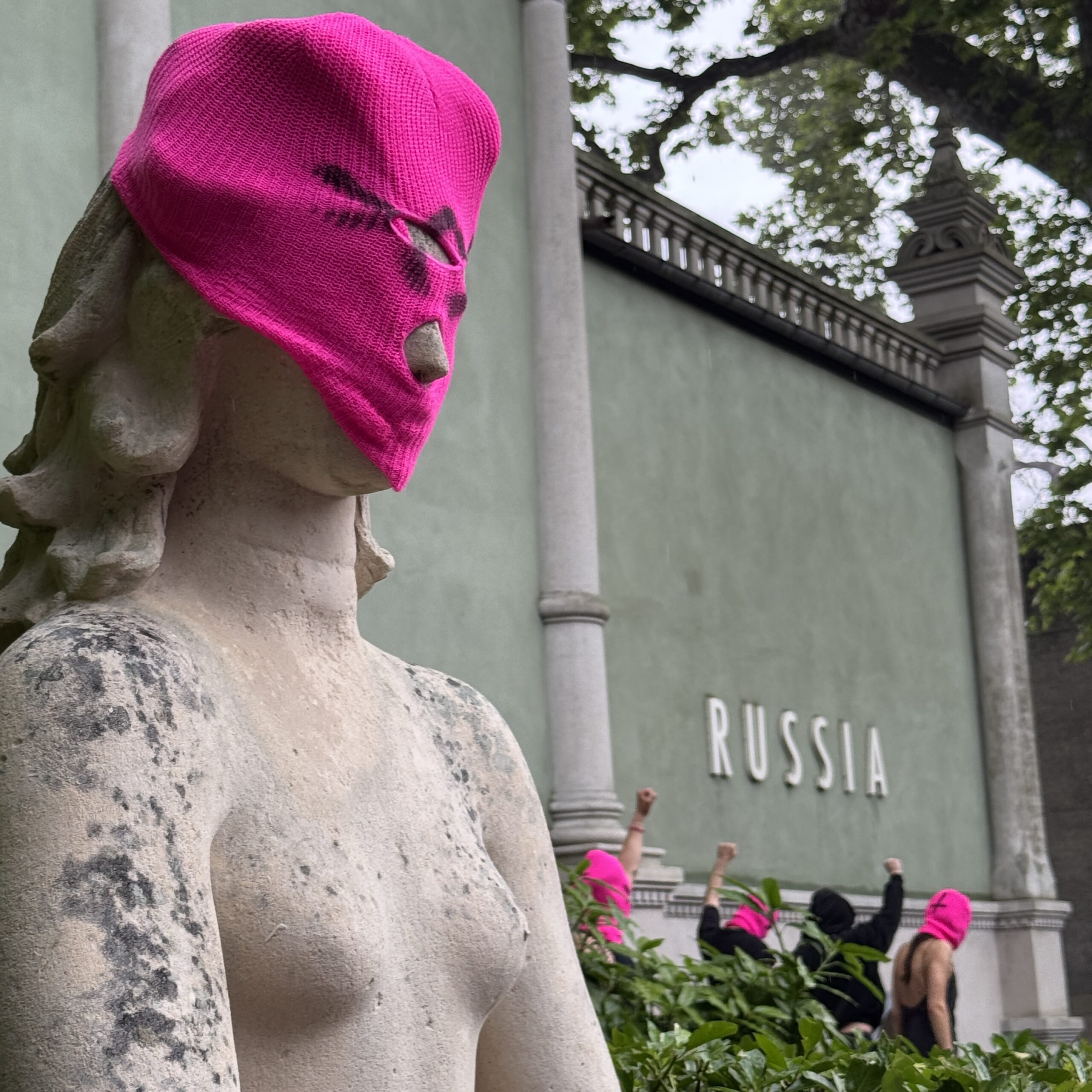
During the preview week of the 61st Venice Biennale, escalating protests targeted the national pavilions of Israel and Russia, with demonstrations by Pussy Riot, ANGA (Art Not Genocide Alliance), and Baltic pavilions. A major protest on May 8 drew over 3,000 people in solidarity with Palestine, and 27 national pavilions—including Austria, the Netherlands, France, and Japan—staged a strike, the first at the Biennale since 1968. The Golden Lion jury resigned after declaring they would not consider countries under ICC investigation (Israel and Russia), and the Biennale administration replaced the prize with a visitors' award, from which half the artists in the main exhibition have withdrawn.

Review: The Good, The Bad and The Venice Biennale

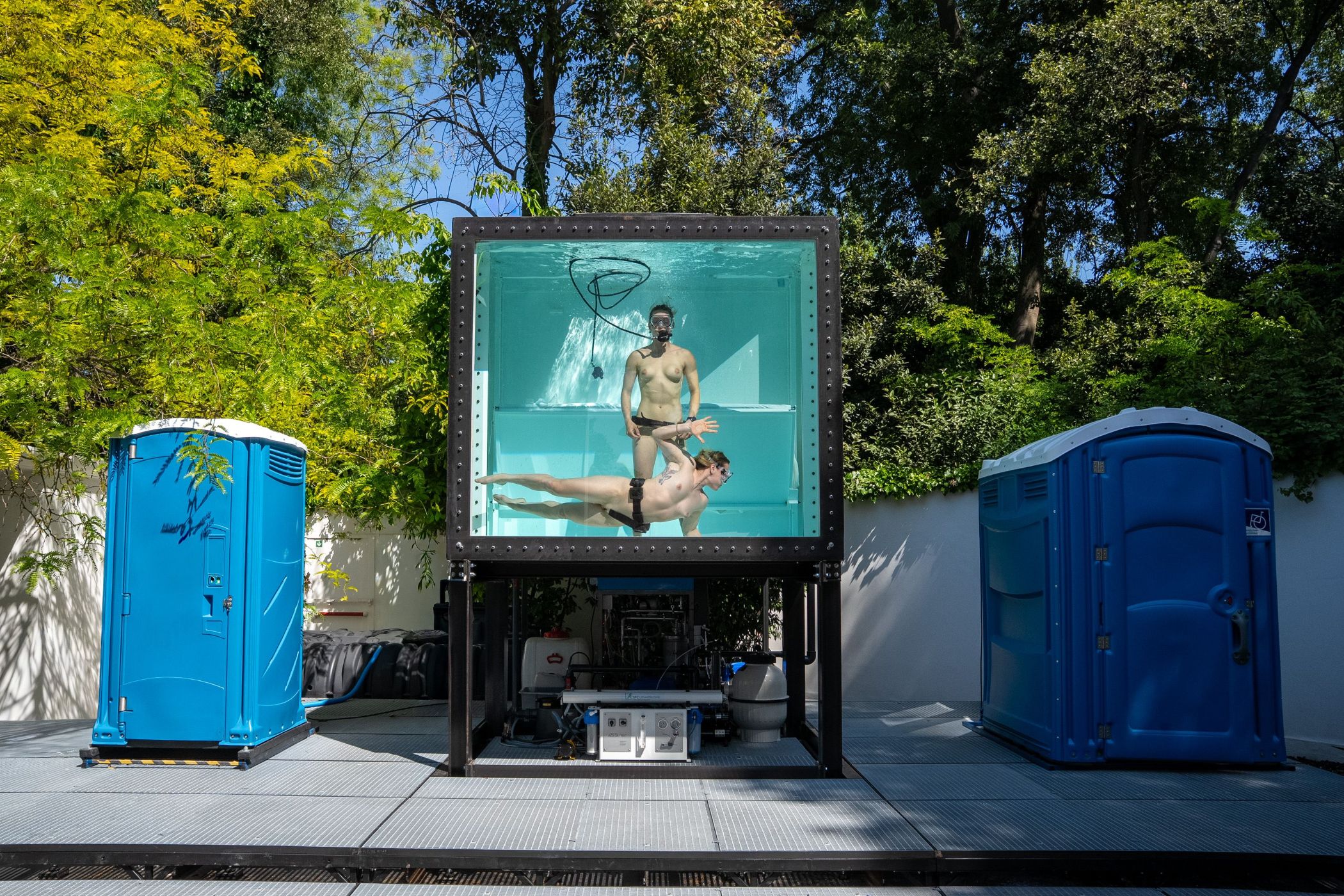
The article reviews the 2024 Venice Biennale, focusing on controversies over Russia's and Israel's participation. Protests erupted during opening week, leading the EU to cut funding and the International Jury to resign. As a result, awards like the Golden Lion and Silver Lion will be decided by public vote, with many pavilions and artists withdrawing in protest. The main exhibition, curated under the theme 'Minor Keys,' features standout works by Alfredo Jaar and Carrie Schneider, alongside national pavilions like Austria's provocative entry by Florentina Holzinger.

Across Venice, Artists Defy Censorship to Mourn and Memorialize Gaza

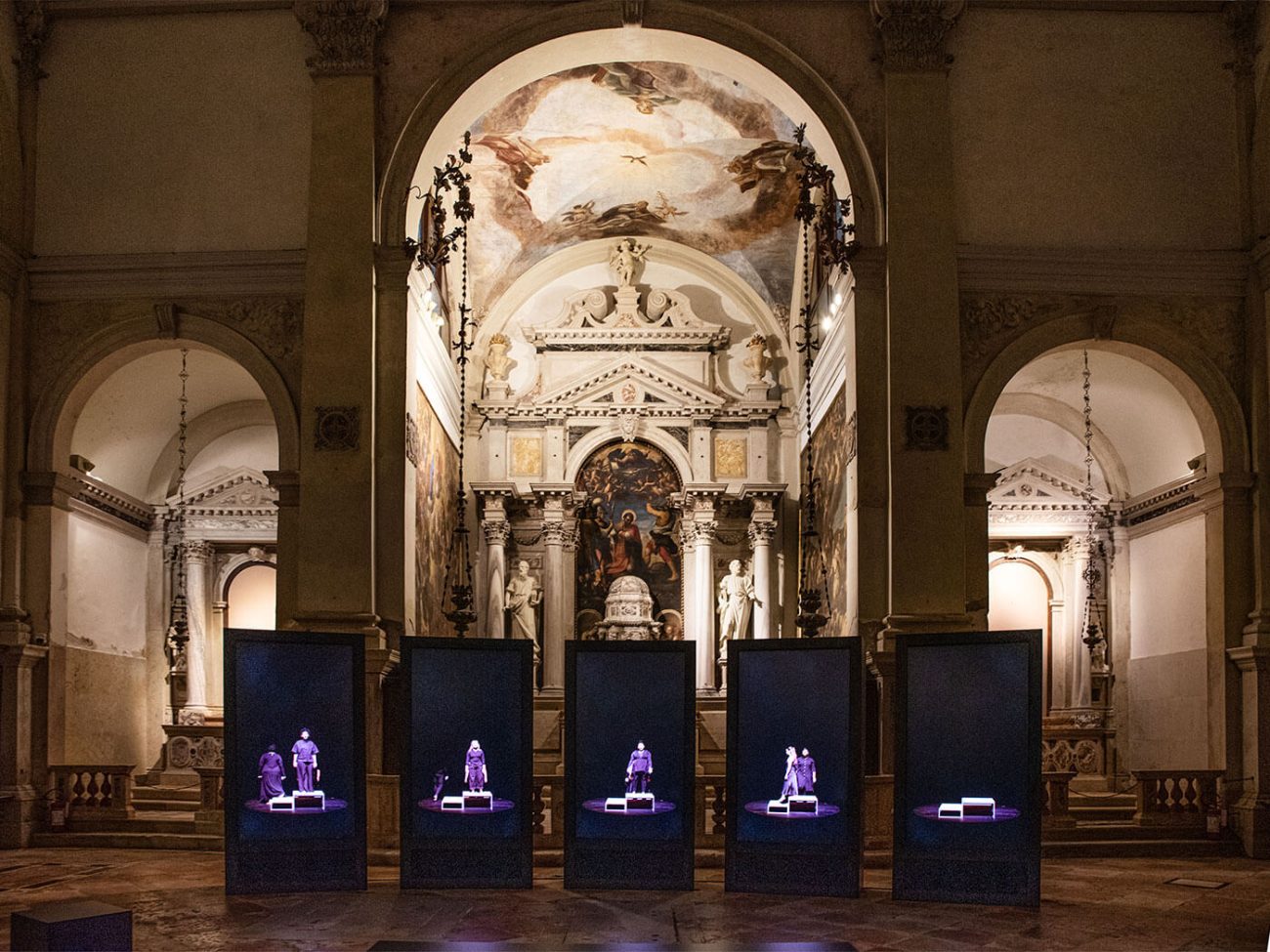
The 2026 Venice Biennale, titled “In Minor Keys,” features numerous artworks that mourn and memorialize the destruction of Gaza, despite censorship pressures. The main exhibition opens with a poem by slain Palestinian poet Refaat Alareer, and includes works by artists such as Theo Eshetu, Mohammed Joha, Manuel Mathieu, and Avi Mograbi that directly or indirectly address the conflict. Outside the official Biennale, South African artist Gabrielle Goliath’s performance series “Elegy” was censored by her country’s culture minister after she proposed a version honoring murdered Palestinian poet Hiba Abu Nada, leading her to present the work independently at a church in Venice.

A Poetic and Material Institutional Critique: Gala Porras-Kim at kurimanzutto and the Venice Biennale

UNA CRÍTICA INSTITUCIONAL POÉTICA Y MATERIAL: GALA PORRAS-KIM EN KURIMANZUTTO Y LA BIENAL DE VENECIA

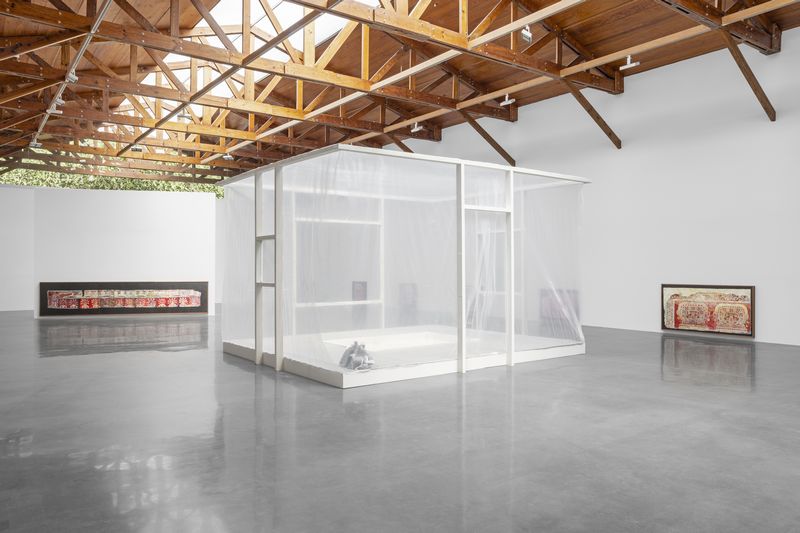
Colombian artist Gala Porras-Kim presents her first solo exhibition at kurimanzutto gallery in Mexico City, titled "Espacios del futuro replican los del pasado" (2026), alongside her participation in the 2026 Venice Biennale. The show critically examines how museum conservation protocols transform objects by detaching them from their original material, ritual, and spiritual contexts. Central to the exhibition is "The Motion of an Alluvial Record" (2024), a greenhouse that recreates the humidity and temperature of Yucatecan mangroves, allowing clay and sediment to shift continuously, resisting the linear, stratified time of Western archives and evoking cyclical Maya cosmologies. Another series, "Uprooted" (2026), reproduces fragments of looted Teotihuacan murals from Techinantitla, now held by the Metropolitan Museum of Art and the Ethnological Museum of Berlin, reinstalling them near the floor to restore their original architectural scale and orientation.

In Pictures: The Highlights of the 2026 Venice Biennale

En images : les grands moments de la Biennale de Venise 2026

The 2026 Venice Biennale, titled "In Minor Keys" and curated by Koyo Kouoh, opened on May 9, 2026, at the Arsenale and Giardini venues. Kouoh, who died suddenly in May 2025 at age 57, conceived the event as a counterpoint to global noise and fury, inviting visitors to slow down and tune into minor tonalities. The exhibition features works addressing colonial memory, slavery, and Gaza, with a team of four curators executing her vision. Highlights include Maria Magdalena Campos-Pons's tribute to Kouoh and Toni Morrison, Hala Schoukair's installation, and Gabrielle Goliath's "Elegy," alongside collateral shows like the Dries van Noten Foundation at Palazzo Pisani Moretta and the Victor Pinchuk Foundation's "Still Joy – from Ukraine into the World."

The Ukrainian Pavilion’s Deer Seen Around the World

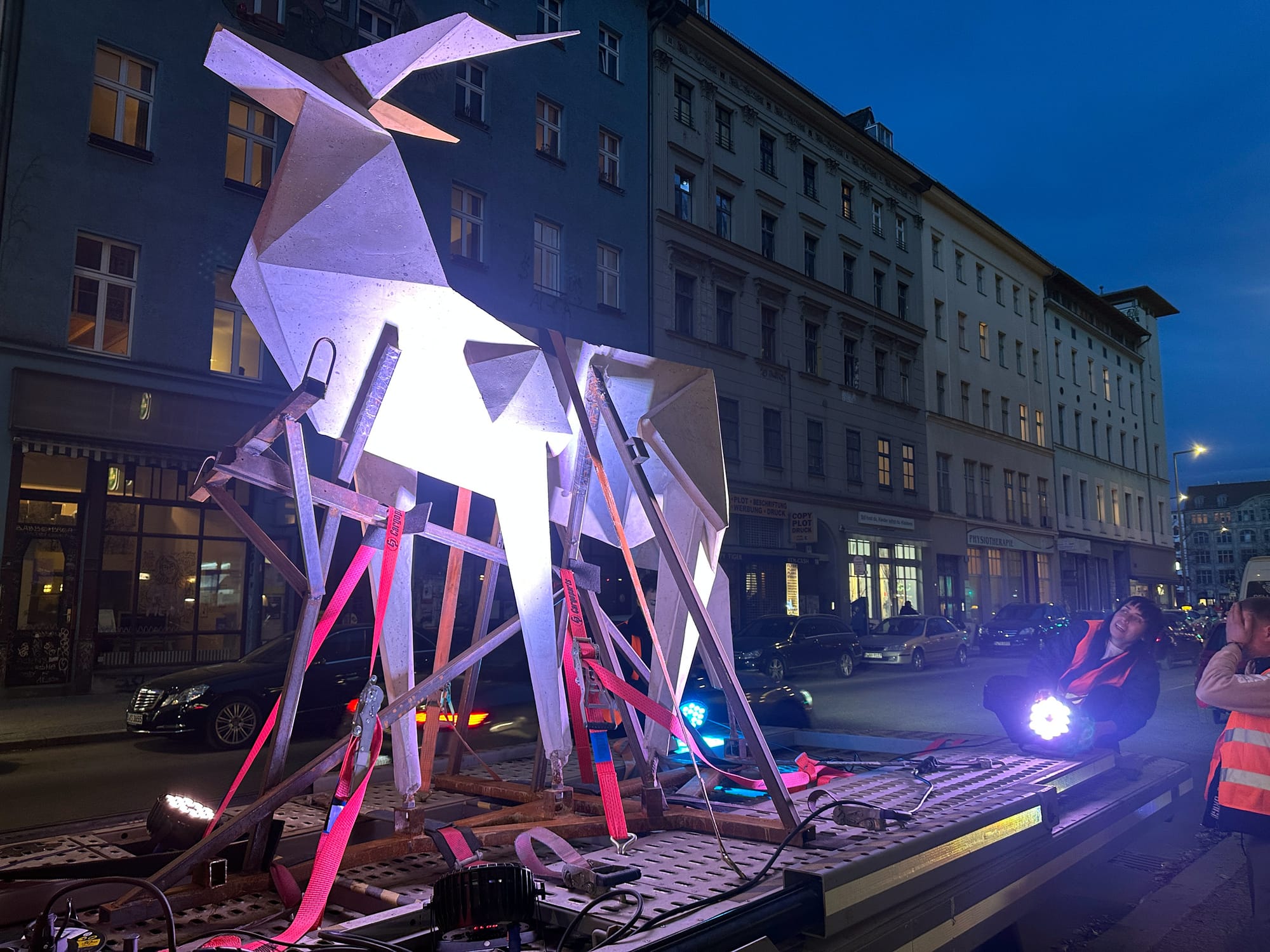
Zhanna Kadyrova's concrete sculpture "The Origami Deer" (2019) is prominently displayed at the entrance to the Giardini during the 61st Venice Biennale, part of her project "Security Guarantees" in the Ukrainian Pavilion. Originally installed in Pokrovsk, eastern Ukraine, the work was removed in 2024 as Russian forces advanced, then traveled through Vienna, Warsaw, Prague, Berlin, and Paris before reaching Venice—a journey mirroring the displacement of millions of Ukrainians. The sculpture, shaped like a deer and evoking folded paper, references the 1994 Budapest Memorandum, in which Russia, the UK, and US guaranteed Ukraine's security in exchange for its nuclear disarmament—guarantees that proved worthless after Russia's invasions.

72 Hours in Venice: Palazzos, Protests, and a Biennale on the Brink

The article recounts a journalist's 72-hour visit to the Venice Biennale, beginning with a protest by Pussy Riot and Femen at the Russian Pavilion. The action features pink smoke, chants of "Blood is Russia's art," and a guerrilla performance of the song "Disobey," set against a backdrop of internal Biennale strife—including juror resignations over countries whose leaders face ICC arrest warrants (Netanyahu and Putin). The narrative also notes the presence of alt-right figures like Ryan Coyne and sculptor Alma Allen's troubled U.S. pavilion representation.

Buhlebezwe Siwani “uYana umhlaba” at Consonni Radziszewski, Milan

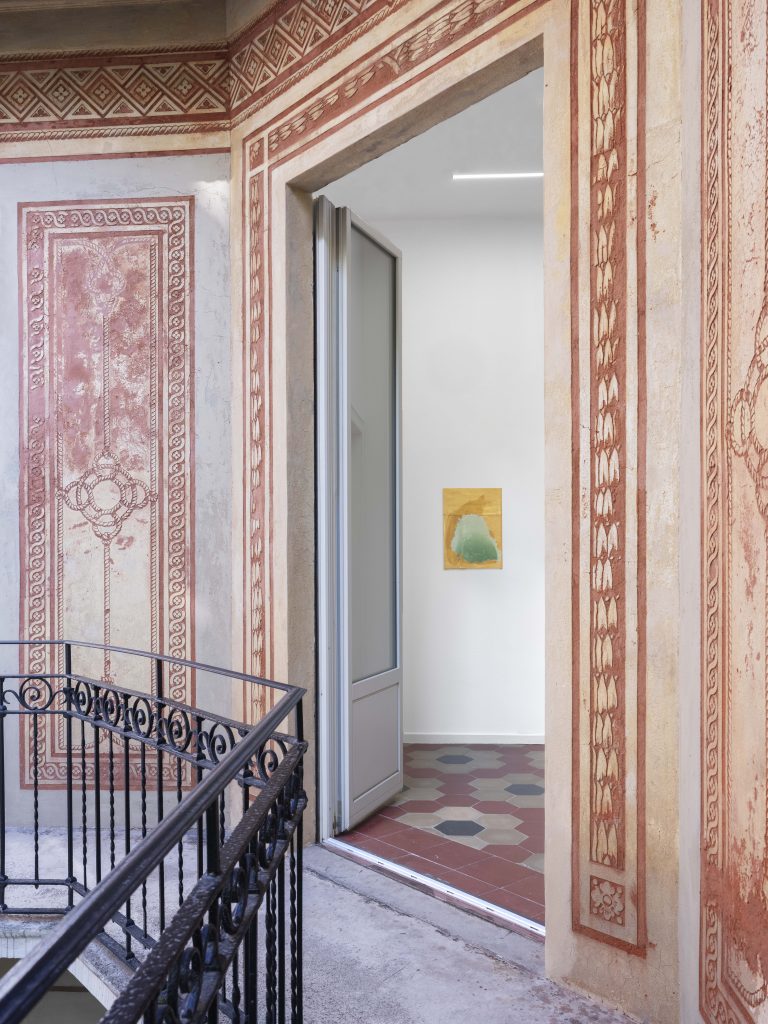
Consonni Radziszewski inaugurates its Milan space with "uYana umhlaba," the first solo exhibition in Italy by South African artist Buhlebezwe Siwani. The show presents a new body of work that expands on research begun in 2020 with the Inkanyamba series, first exhibited at the Galeria Municipal de Almada in Portugal.

Brittany Invites Itself to the Venice Biennale: An Unusual Pavilion Dedicated to Breton Creation Moors in the Lagoon

La Bretagne s’invite à la Biennale de Venise : un insolite pavillon dédié à la création bretonne s’est amarré dans la lagune

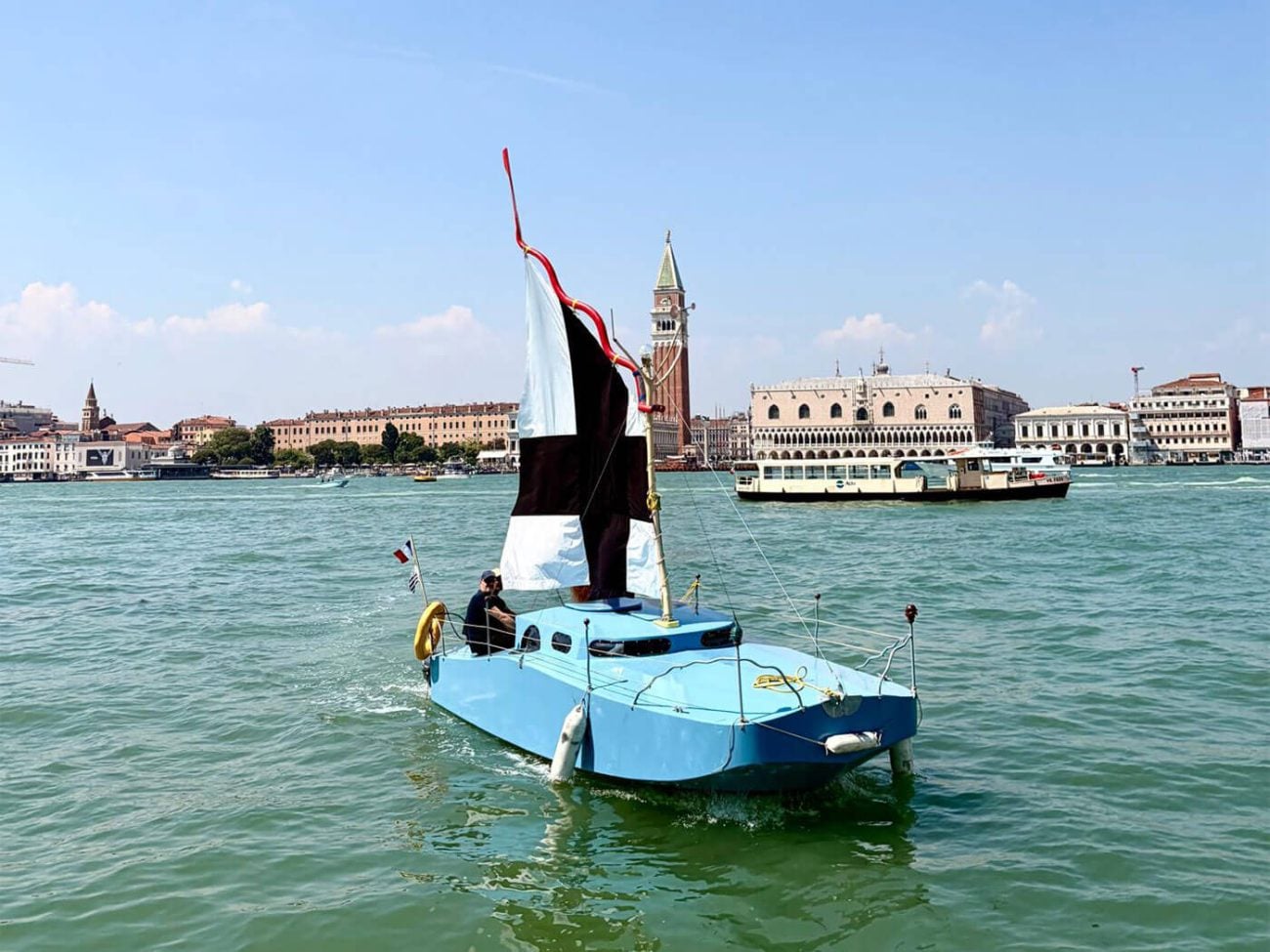
For the 61st Venice Biennale, a group of artists and art figures from Brittany have created an unofficial "Breton pavilion" in the form of a spectacular sailboat moored on the island of San Giorgio Maggiore. The boat, designed by artist Joachim Monvoisin, features contributions from Morgane Tschiember (who sewed a sail with a black cross, the 11th-century Breton flag) and master glassmaker Andrew Erdos (who made the navigation lights). Performances during the opening week included readings by Breton authors and traditional music concerts with binious and bombardes on the Via Garibaldi.

Iran has not withdrawn from 2026 Venice Biennale, pavilion commissioner says

Iran has denied withdrawing from the 2026 Venice Biennale, despite the Biennale's announcement that the country would not participate. Aydin Mahdizadeh Tehrani, director-general of visual arts at Iran's ministry of culture and Islamic guidance and the country's pavilion commissioner, stated that Iran requested more time rather than submitting a withdrawal. He cited the US-Israel war with Iran, political and economic challenges, and a sharp currency devaluation that tripled projected costs as reasons for the delay. Iran proposed a shorter two-to-three-month participation, which was rejected, but has since sent a letter insisting on opening its pavilion even after the opening. The foreign ministry has intervened to support Iran's participation, and a final response from the Biennale is expected soon.

Iran’s Participation in the Venice Biennale Still Uncertain

Iran’s participation in the 61st Venice Biennale remains uncertain after a public contradiction emerged between the Biennale Foundation and Iran’s Ministry of Culture and Islamic Guidance (MCIG). The Biennale Foundation had announced that Iran would not participate in the 2026 edition, curated by Koyo Kouoh, but Aydin Mahdizadeh Tehrani, director general of visual arts at the MCIG and commissioner of the Iranian Pavilion, stated in an interview with the Iranian Students’ News Agency (ISNA) that Iran never submitted a withdrawal letter. Instead, Iran requested more time and sent a letter on May 10 asking for the pavilion to open even if ineligible for prizes. Mahdizadeh Tehrani cited the US-Israel war with Iran as causing currency fluctuations that nearly tripled projected costs, complicating prior agreements, and noted that Iran had proposed a shorter exhibition period, which the Biennale rejected.