
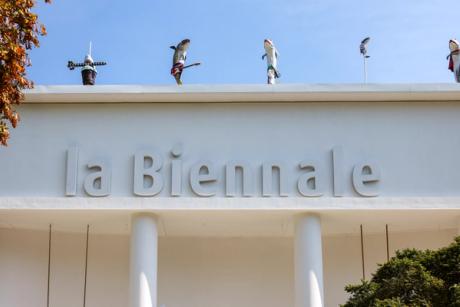
Iran has denied withdrawing from the 2026 Venice Biennale, despite the Biennale's announcement that the country would not participate. Aydin Mahdizadeh Tehrani, director-general of visual arts at Iran's ministry of culture and Islamic guidance and the country's pavilion commissioner, stated that Iran requested more time rather than submitting a withdrawal. He cited the US-Israel war with Iran, political and economic challenges, and a sharp currency devaluation that tripled projected costs as reasons for the delay. Iran proposed a shorter two-to-three-month participation, which was rejected, but has since sent a letter insisting on opening its pavilion even after the opening. The foreign ministry has intervened to support Iran's participation, and a final response from the Biennale is expected soon.
This matters because it highlights the intersection of geopolitics and international art exhibitions, where national pavilions at the Venice Biennale serve as diplomatic and cultural platforms. Iran's potential absence—or reduced presence—reflects how war, economic instability, and bureaucratic hurdles can disrupt cultural diplomacy. The dispute also underscores the Biennale's strict scheduling and the challenges faced by nations with limited resources or ongoing conflicts. Iran's push for a permanent secretariat and independent budget for its Biennale participation signals a long-term strategic shift, aiming to stabilize its cultural representation on the global stage.