filter_list Showing 8 results for "Musée de Grenoble" close Clear
search
dashboard All 8 museum exhibitions 5article culture 2article news 1
date_range Range Today This Week This Month All
Subscribe

arte popular brazil artists rediscovered

Earlier this spring, artist Julia Isídrez led a guided tour at São Paulo's Gomide & Co. gallery for a joint exhibition with Maria Lira. The show highlights two artists from different generations and mediums—Lira from Brazil (painting) and Isídrez from Paraguay (sculpture, featured in the 2024 Venice Biennale)—who both engage Indigenous and Afro-Indigenous traditions from a contemporary perspective. Gallerist Thiago Gomide rejects labels like 'folk' or 'popular,' insisting it is simply an art exhibition. The article profiles a network of Brazilian dealers, including Vilma Eid of Galeria Estação and Antonio Almeida of Almeida & Dale, who have worked to revive interest in arte popular, a category historically applied to self-taught, Indigenous, and Black artists.

matisse daughter

The Museum of Modern Art in Paris has opened "Matisse and Marguerite: Through Her Father's Eyes," an exhibition running through August 24 that explores the lifelong bond between Henri Matisse and his eldest daughter, Marguerite Duthuit-Matisse. Featuring over 100 works—including paintings, drawings, prints, sculptures, and ceramics—the show traces their relationship from her childhood through World War II, with many pieces rarely exhibited before. Loans come from institutions in the United States, Switzerland, and Japan, supplemented by photographs and archival materials.

Sur Arte Radio et dans une expo, l’enquête d’Adrianna Wallis sur les traces de sa grand-mère peintre spoliée par les nazis

Artist Adrianna Wallis (born 1981) discovers that her paternal grandmother, painter Diane Esmond (1910–1981), was a victim of Nazi looting during World War II. After being contacted by historians Patricia Helletzgruber and Sophie Juliard, Wallis learns that much of Esmond's work was systematically destroyed by the ERR, the Nazi organization responsible for art theft in occupied countries. This revelation sparks a personal investigation that becomes a podcast for Arte Radio titled "Il restera la gravité," blending documentary, autobiographical inquiry, and sound installation. Wallis delves into archives, examining microfilms and lists that detail 46 of Esmond's paintings—each methodically described and declared destroyed, such as "Woman in blue evening dress: annihilated."

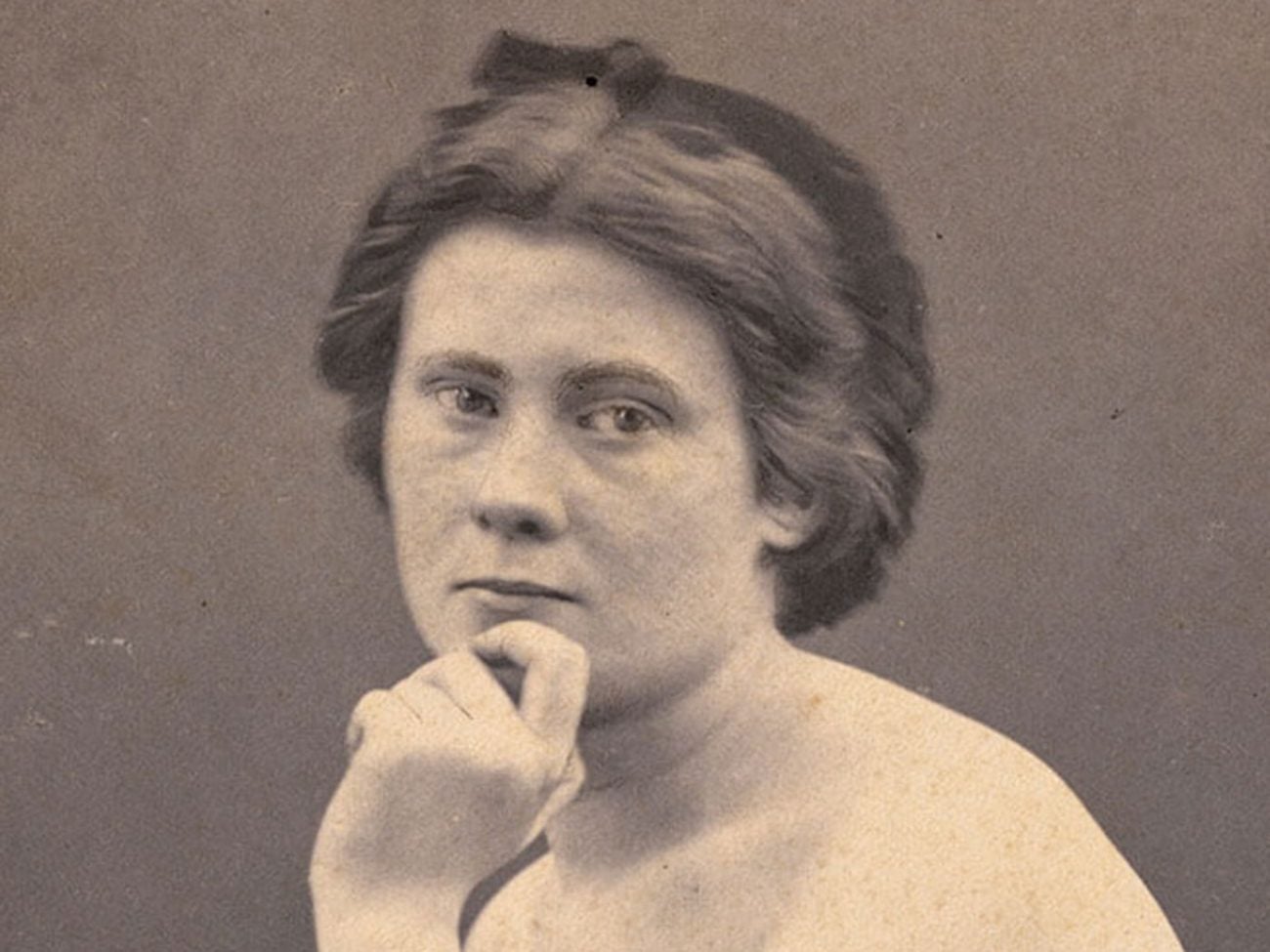
Photographs of Victorine Meurent who posed for 'Le Déjeuner sur l'herbe' discovered by chance in Grenoble

Les photos de Victorine Meurent qui ont servi de modèle au « Déjeuner sur l’herbe » retrouvées par hasard à Grenoble

A chance discovery at the Musée de Grenoble has unearthed two previously unknown photographs of Victorine Meurent, the favorite model of Édouard Manet, taken by Gaudenzio Marconi in 1863. Art historian Laure Boyer, while researching a different subject, recognized Meurent in the images and realized they directly served as studies for Manet's iconic paintings *Le Déjeuner sur l'herbe* and *Olympia*. The photographs show Meurent in poses nearly identical to the figures in both works, with only the orientation reversed in one case and facial expressions swapped between the two paintings.

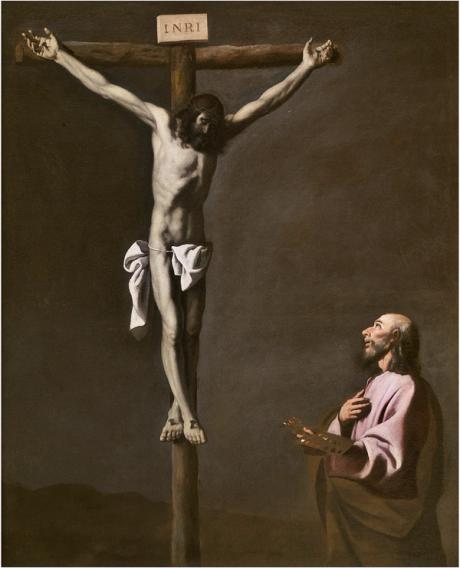
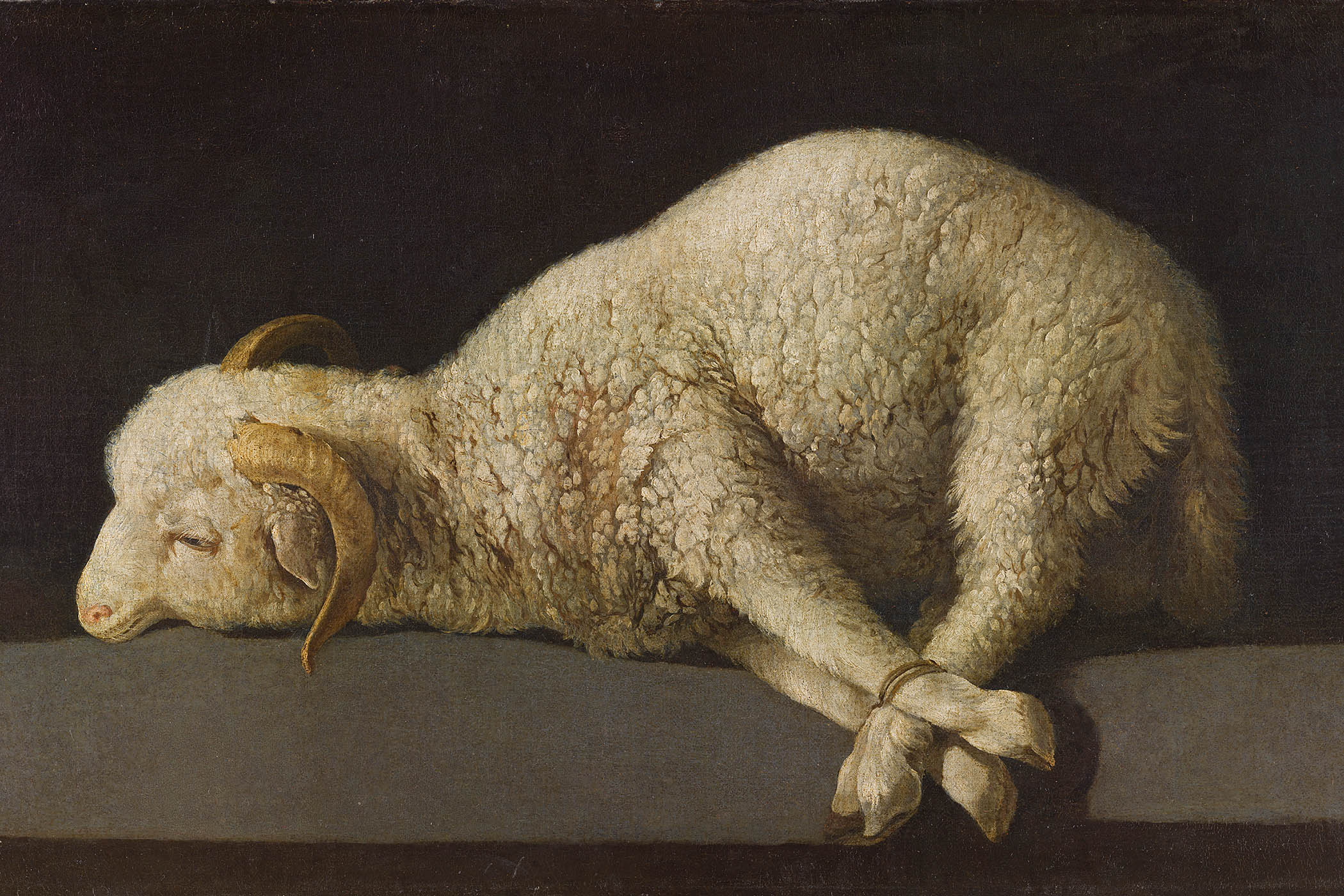
From intimate still lives to shadowed saints: the many sides of Spanish painter Francisco de Zurbarán go on show at London’s National Gallery

The National Gallery in London is opening a major survey exhibition of Spanish painter Francisco de Zurbarán (1598-1664), the first on this scale since 1987. The show expands beyond his famous austere saints to include intimate still-lifes, late private devotional works, and large-scale altarpiece reconstructions. Curator Daniel Sobrino Ralston highlights two newly discovered paintings, including *Alcarraza on a Plate*, and a rare reconstruction of the second tier of the Charterhouse of Jerez de la Frontera altarpiece, reuniting works from museums in Grenoble and Poznań.

Zurbarán at the National Gallery - an unmissable show of baroque genius

The National Gallery in London presents a landmark exhibition of Francisco de Zurbarán (1598-1664), the first major retrospective of the Spanish Baroque master in Britain. In collaboration with the Louvre and the Art Institute of Chicago, the gallery has assembled over 40 works from institutions worldwide, including Seville and San Diego. The show features Zurbarán's electrifying religious paintings and radiant still lifes, displayed in darkened galleries that echo the chiaroscuro of his compositions. Highlights include the shattering *The Crucifixion* (1627) and *Saint Peter Nolasco's Vision of Saint Peter the Apostle* (1629), which demonstrate his hyper-real, sculptural approach to sacred subjects.

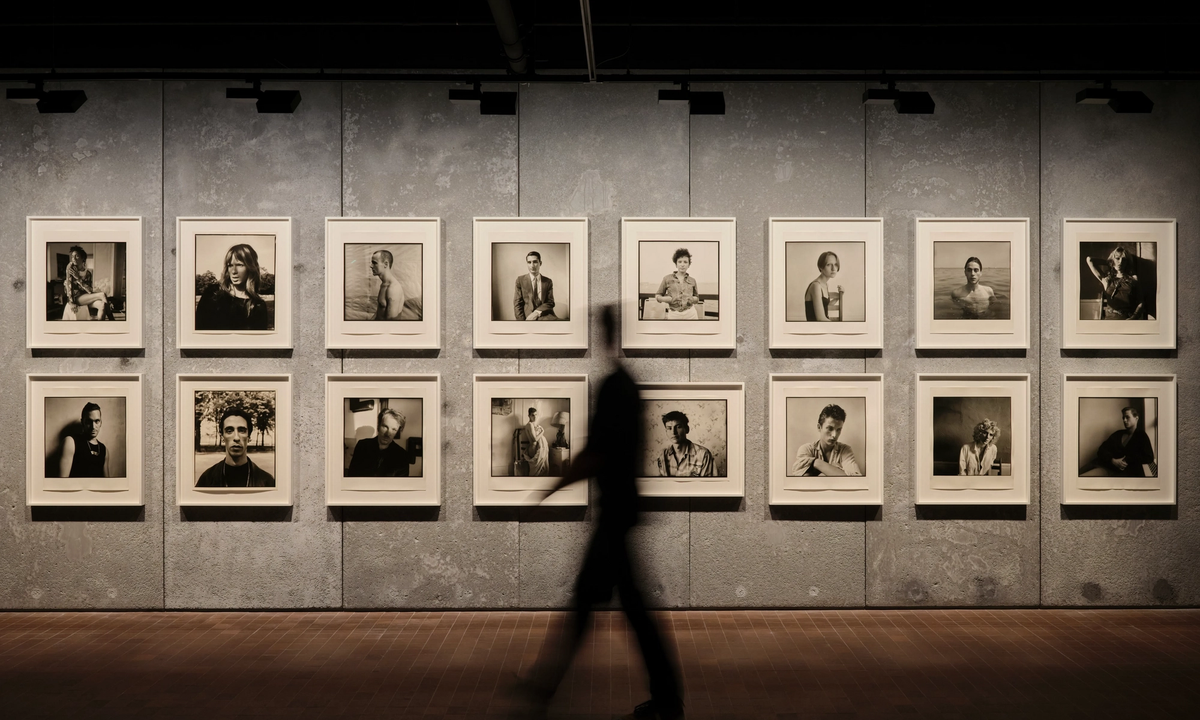
Anonymous image makers, New York nights and confronting the colonial: three photography shows to see at Les Rencontres d'Arles

The article highlights three photography exhibitions at the 2025 Rencontres d'Arles festival, titled "Disobedient Images." The first show features the late David Armstrong, a Boston School photographer, with vintage prints and contact sheets capturing 1970s-80s New York counterculture. The second, "On Country: Photography from Australia," presents works by Indigenous and non-Indigenous photographers that challenge colonial narratives and explore First Peoples' connection to land. The festival runs across multiple venues in Arles through summer and fall.

Rain, insomnia and finding a model: how Morocco challenged and changed Matisse

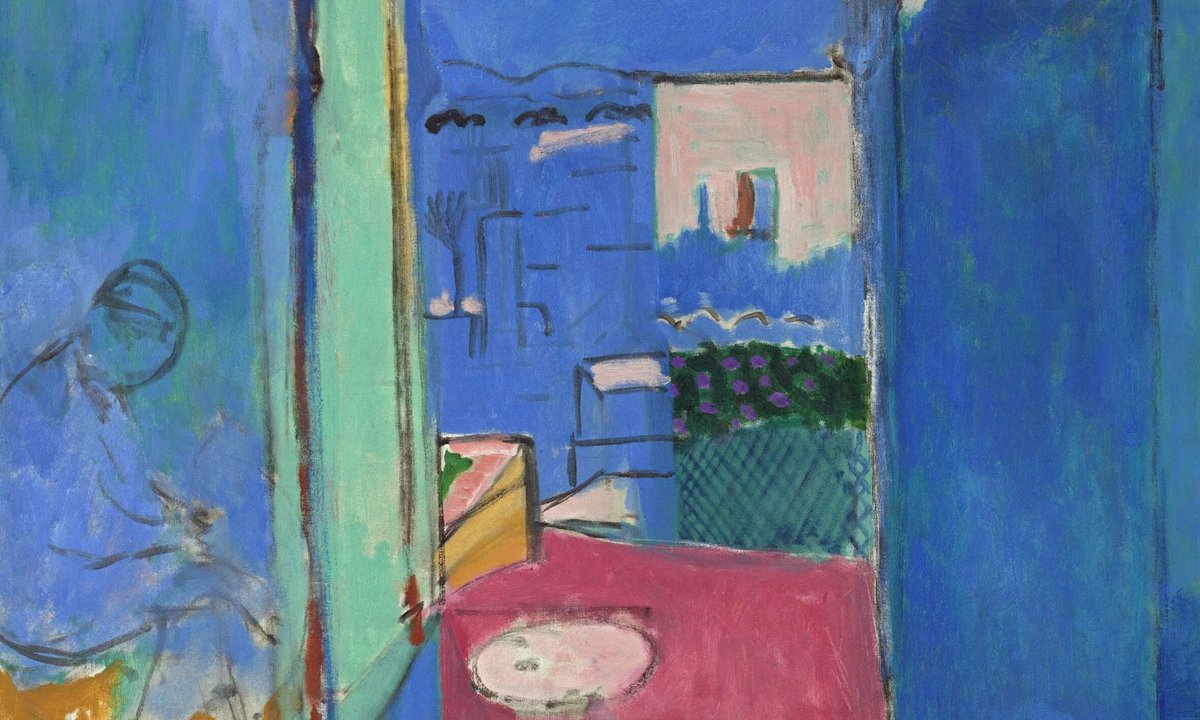
Henri Matisse made two pivotal trips to Tangier, Morocco, in 1912-1913, documented in Jeff Koehler's new book *Matisse in Morocco: A Journey of Light and Colour*. At a low point in his career—having lost patrons and critical support after his Fauve period—Matisse sought new inspiration, producing over 20 paintings despite challenges like rain, insomnia, and difficulty finding models. Commissions from Russian collectors Sergei Shchukin and Ivan Morozov helped fund the trips, and Matisse worked at the Villa Brooks estate, creating works such as *Moroccan Landscape (Acanthus)* (1912) and *The Palm* (1912). The article also highlights Matisse's discovery of fingerprints on *View of the Bay of Tangier* (1912-13) and his reliance on a Moroccan model named Zorah.