filter_list Showing 6 results for "National Gallery exhibition" close Clear
search
dashboard All 6 museum exhibitions 3trending_up market 1article news 1article policy 1
date_range Range Today This Week This Month All
Subscribe

quartet of masterpieces by monet signac degas and leger to headline sothebys spring modern contemporary sale in london

Four major paintings by Claude Monet, Paul Signac, Edgar Degas, and Fernand Léger will be offered at Sotheby's Modern and Contemporary evening sale in London on March 4. The works have a combined high estimate of £24 million, led by Monet's rare Italian Riviera scene 'Maison de Jardinier' (1884) with an £8.5 million high estimate.

Framing Van Gogh: why the artist did not want to surround his works with gold

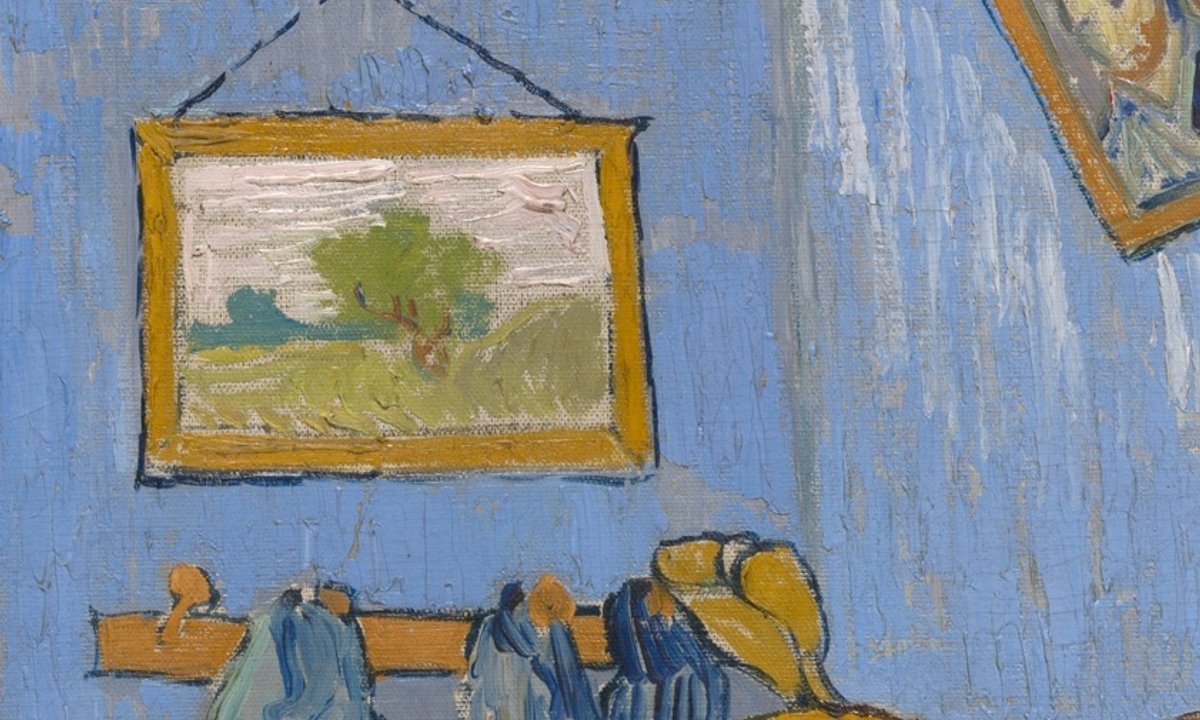
London's National Gallery exhibition "Van Gogh: Poets & Lovers" displayed nearly all of its loaned paintings in ornate gilded frames, despite the artist's documented preference for simple, unadorned wooden frames. Van Gogh wrote to his sister Wil questioning the need for gilding, and Paul Gachet Jr., son of the doctor who cared for the artist, called gold frames around Van Gogh's works "an act of moral barbarism." A few exceptions stood out, including six paintings from the Kröller-Müller Museum in Otterlo, which were shown in replica frames based on early 20th-century designs by Jacob van den Bosch, and a Van Gogh from Tokyo's National Museum of Western Art that was reframed in a replica of a frame once owned by Dr. Paul Gachet.

Van Gogh was not fantasising when he painted mountain landscapes with ‘The Two Holes’

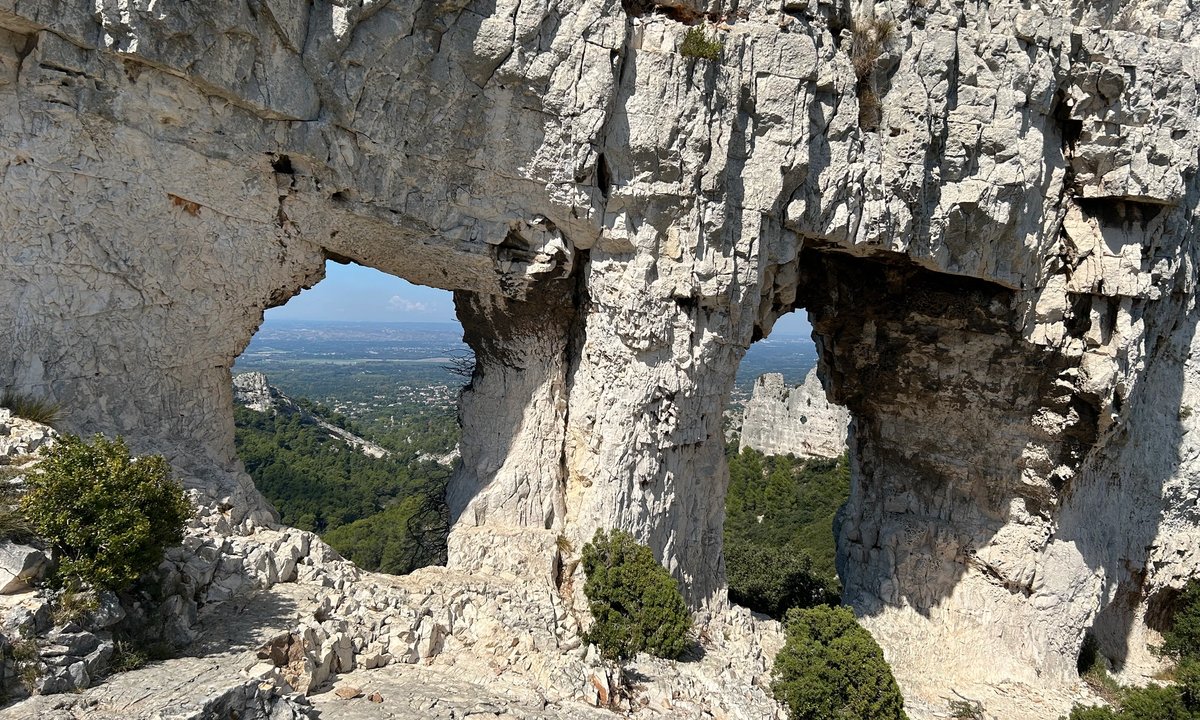
Martin Bailey, a leading Van Gogh specialist, reveals that the distinctive rock formation known as Le Rocher des Deux Trous (The Rock of the Two Holes), which appears in two of Vincent van Gogh's paintings—The Olive Trees (June 1889) and Mountains at Saint-Rémy (July 1889)—is a real geological feature near the asylum in Saint-Rémy-de-Provence, not a figment of the artist's imagination. The two paintings, held by the Museum of Modern Art and the Solomon R. Guggenheim Museum in New York, were recently displayed together at London's National Gallery exhibition Van Gogh: Poets & Lovers (14 September 2024–19 January 2025), offering a rare chance to compare them. Bailey traces the history of the formation, noting that an anonymous 17th-century artist also depicted it, and describes a walking route from the former asylum to the site.

Simply divine: the extraordinary supernatural visions of Francisco de Zurbarán

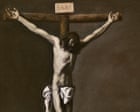
Francisco de Zurbarán, one of the three great Spanish 17th-century painters alongside Velázquez and Murillo, is finally receiving his first solo exhibition in the UK at the National Gallery in London. The show highlights his distinctive style of religious painting, characterized by stark chiaroscuro, sculptural realism, and a meditative stillness that makes the immaterial seem tangible. Works such as his crucified Christ and The Apparition of Saint Peter to Saint Peter Nolasco exemplify his ability to depict visions and inner spirituality, often commissioned by powerful religious foundations in Seville during the Counter-Reformation.

London’s National Gallery to cut staff as it faces £8.2m deficit

London's National Gallery is implementing significant staff cuts and restructuring its operations to address a projected £8.2 million deficit for the 2026-27 financial year. The institution will first offer a voluntary exit scheme to its nearly 500 staff, with compulsory redundancies possible if savings are insufficient. The financial crisis stems from rising operational costs, stagnant income, and visitor numbers that have not fully recovered to pre-pandemic levels, despite a recent boost from a popular Van Gogh exhibition.

Seeing God in nature: US National Gallery exhibition celebrates art from the dawn of European natural history

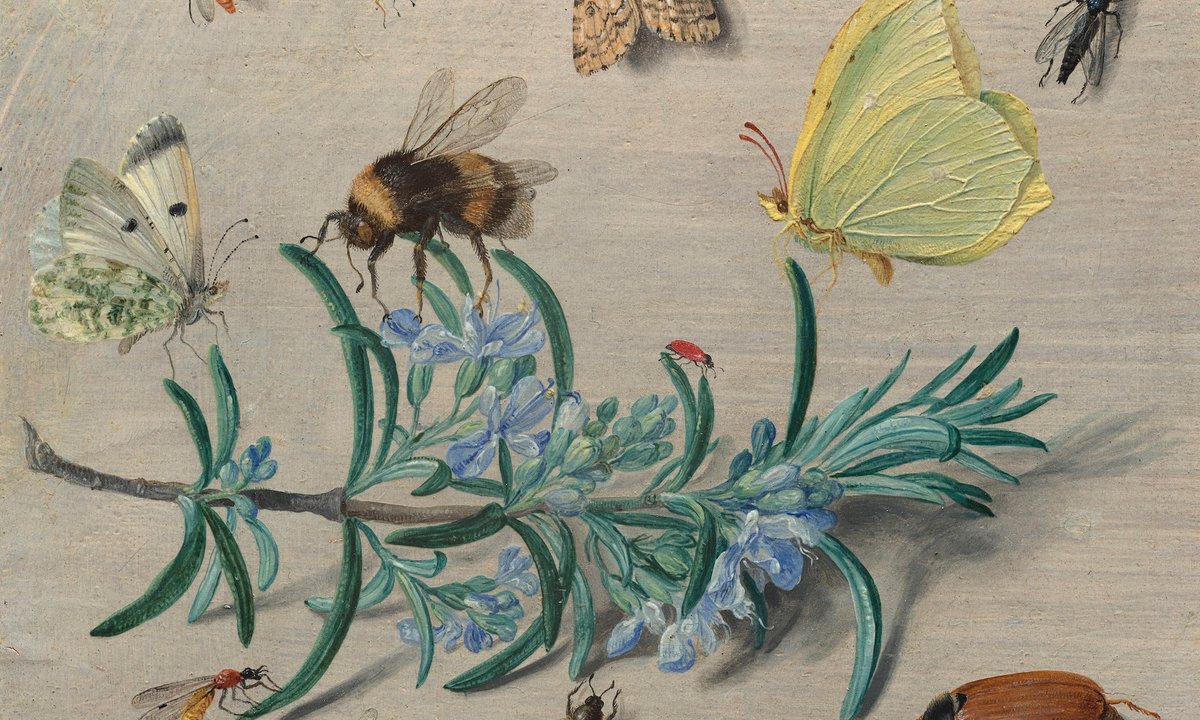
The National Gallery of Art in Washington, DC, is presenting "Little Beasts: Art, Wonder and the Natural World," an exhibition of 16th- and 17th-century European paintings and prints by artists including Jan van Kessel, Joris Hoefnagel, and Teodoro Filippo di Liagno. The works, drawn from the dawn of European natural history, depict insects, animals, and natural specimens with extraordinary detail, reflecting the era's expanding trade routes and fascination with the natural world.