filter_list Showing 8 results for "Nazi Occupation" close Clear
dashboard All 8 gavel restitution 4museum exhibitions 3article culture 1
date_range Range Today This Week This Month All
Subscribe

Art with Bite: Putting Claude Cahun and Marcel Moore’s Bravery on Display

An exhibition at the Art Institute of Chicago, 'Claude Cahun and Marcel Moore: The Seeing Stone,' presents the collaborative and subversive work of the French artists and life partners. The show features over 200 objects, including photographs, photomontages, and manuscripts, focusing on their radical self-portraiture and resistance to gender and social norms.

Jewish Heirs File Suit in French Court Over Ownership of Pissarro Painting

jewish heirs file suite french court met ownership pissarro painting 1234771992

Seven heirs of the late department store magnate and art collector Max Julius Braunthal have filed a lawsuit in a French court, seeking to nullify the 1941 sale of Camille Pissarro's painting 'Haystacks, Morning, Eragny' (1899). They argue the sale was made under duress during the Nazi occupation of France. The painting is now in the collection of the Metropolitan Museum of Art, which maintains Braunthal received fair market value.

david nahmad denies modigliani nazi loot 517082

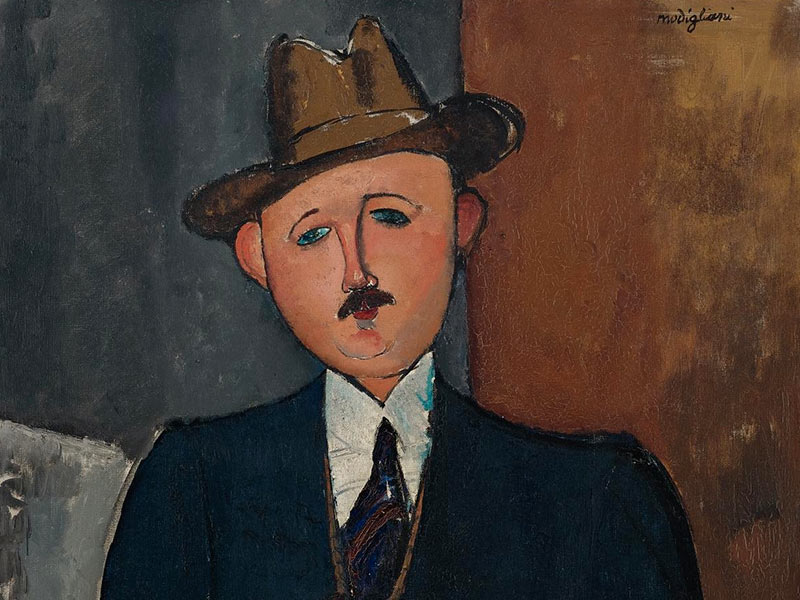
Art collector David Nahmad has publicly denied allegations that Amedeo Modigliani’s "Seated Man with a Cane" (1918) is Nazi-looted property. Following revelations from the Panama Papers that Nahmad is the true owner of the painting via the International Art Center, he defended his provenance, claiming the work sought by the heirs of Jewish art dealer Oscar Stettiner is a different painting entirely. Nahmad asserted that if the work is definitively proven to be looted, he will return it, but he currently maintains that the historical documentation regarding a 1944 sale at Drouot refers to a self-portrait, not the work in his possession.

Musée d’Orsay displays Renoir and Degas works looted by Nazis

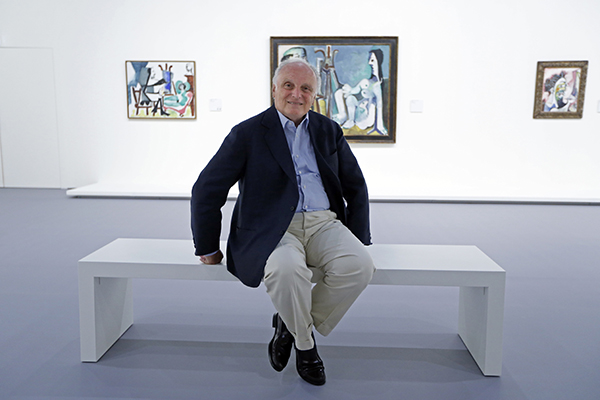
The Musée d’Orsay in Paris has opened a new gallery dedicated exclusively to artworks suspected of being looted or forcibly sold during the Nazi occupation of France. Among the 13 works on display is Edgar Degas's *Dinner at the Ball* (1919), originally owned by Jewish collector Fernand Ochsé, who was deported to Auschwitz with his wife in 1941. The painting passed through multiple hands before being identified as one of over 100,000 artworks plundered by the Nazis. The museum has assembled a team of six provenance researchers to spend three years tracing the original owners of these works, which are part of the "MNR" (Musées nationaux récupération) collection—some 2,200 pieces deemed too important to sell but whose owners remain unknown.

New York Court Orders Restitution of a Modigliani to the Oscar Stettiner Estate

La justice new-yorkaise ordonne la restitution d’un Modigliani à la succession d’Oscar Stettiner

A New York court has ordered the restitution of Amedeo Modigliani’s 1918 painting 'Seated Man with a Cane' to the heirs of Oscar Stettiner, a Jewish art dealer. The work was seized during the Nazi occupation of Paris and sold at a forced auction in 1944 before eventually being purchased by the billionaire Nahmad family via an offshore company in 1996. Judge Joel M. Cohen ruled that the evidence of Stettiner’s prior ownership was "unusually strong" and dismissed the defense's claims that the painting was a different version or that the claim was filed too late.

Anne Frank exhibit debuts Friday with rare artifacts in Chicago

A new exhibition titled "Anne Frank The Exhibition" opens Friday, May 1 at the Griffin Museum of Science and Industry in Chicago. It features 130 collection items from the Anne Frank House in Amsterdam, including artifacts from the Secret Annex where Anne Frank and her family hid during the Nazi occupation. Some of these items have never been displayed in the United States before. The exhibition offers a personal look at the Frank family's life in hiding, including a board game that helped pass the time.

Immediately after the Second World War, how did six exhibitions attempt to make sense of the atrocities?

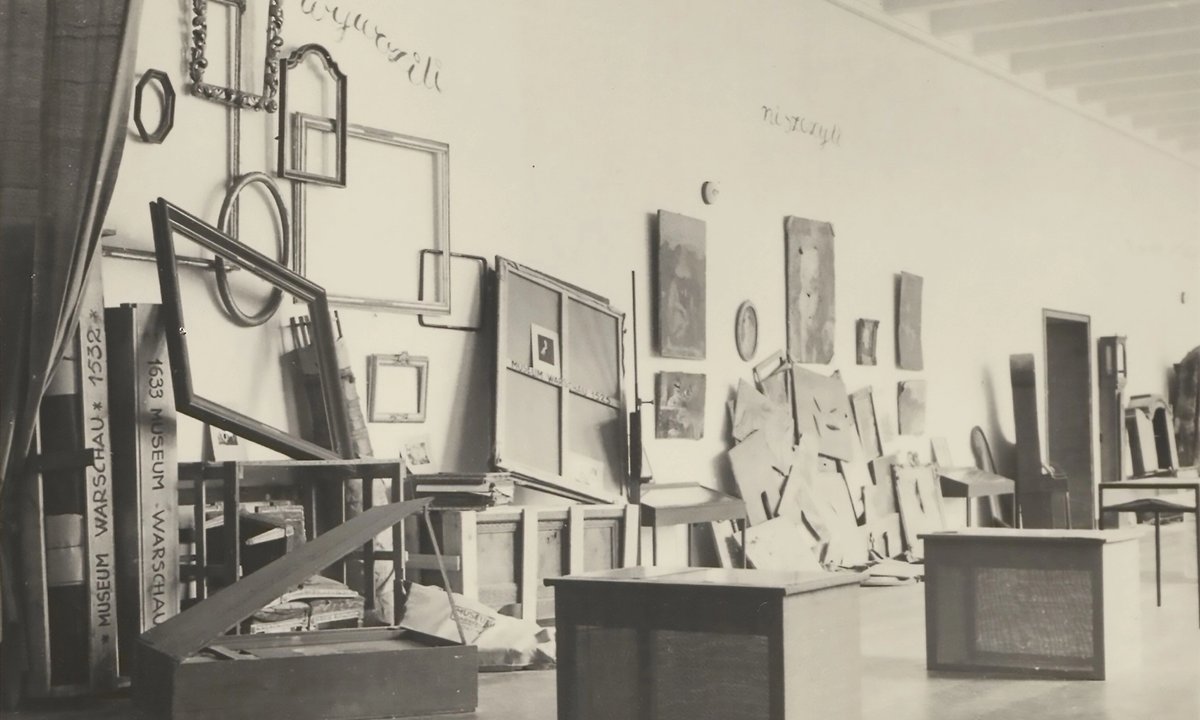
Berlin's Deutsches Historisches Museum has opened an exhibition titled "On Displaying Violence: First Exhibitions on the Nazi Occupation in Europe, 1945-48," which revisits six post-World War II exhibitions that attempted to process the atrocities of the war. These shows took place in venues ranging from the Grand Palais in Paris to a Czech villa formerly occupied by a Nazi official, and included displays such as the UK's Daily Express "The Horror Camps" (1945), the French traveling show "Hitlerian Crimes" (1945), "Warsaw Accuses" (1945) at the National Museum in Warsaw, and "Our Path to Freedom" (1947) at the Bergen-Belsen concentration camp. The Berlin exhibition uses original objects, film footage, photographs, and recordings to recreate the experience of these early post-war shows.

craft as protest 2741909

Craft-based activism is surging in the U.S. as a form of protest against Immigration and Customs Enforcement (ICE) policies and operations under President Trump's second term. Projects include the "Melt the ICE" hat, a red beanie pattern that has sold over 65,000 copies and raised over $600,000 for immigrant-support nonprofits, and origami rabbits for a detained five-year-old boy, drawing direct parallels to historical craft-as-resistance movements like the Norwegian topplue worn against Nazi occupation.