Comment | Bristol's Spike Island has become an environmental beacon—here's why it makes financial sense for others to follow suit
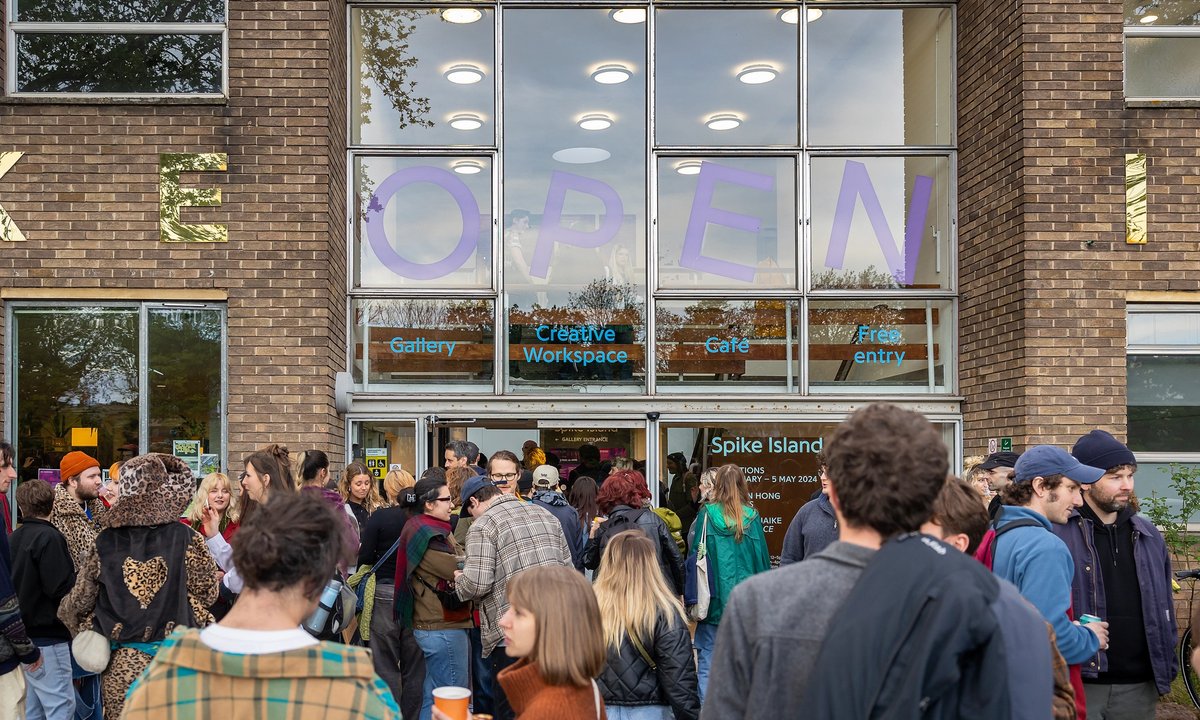
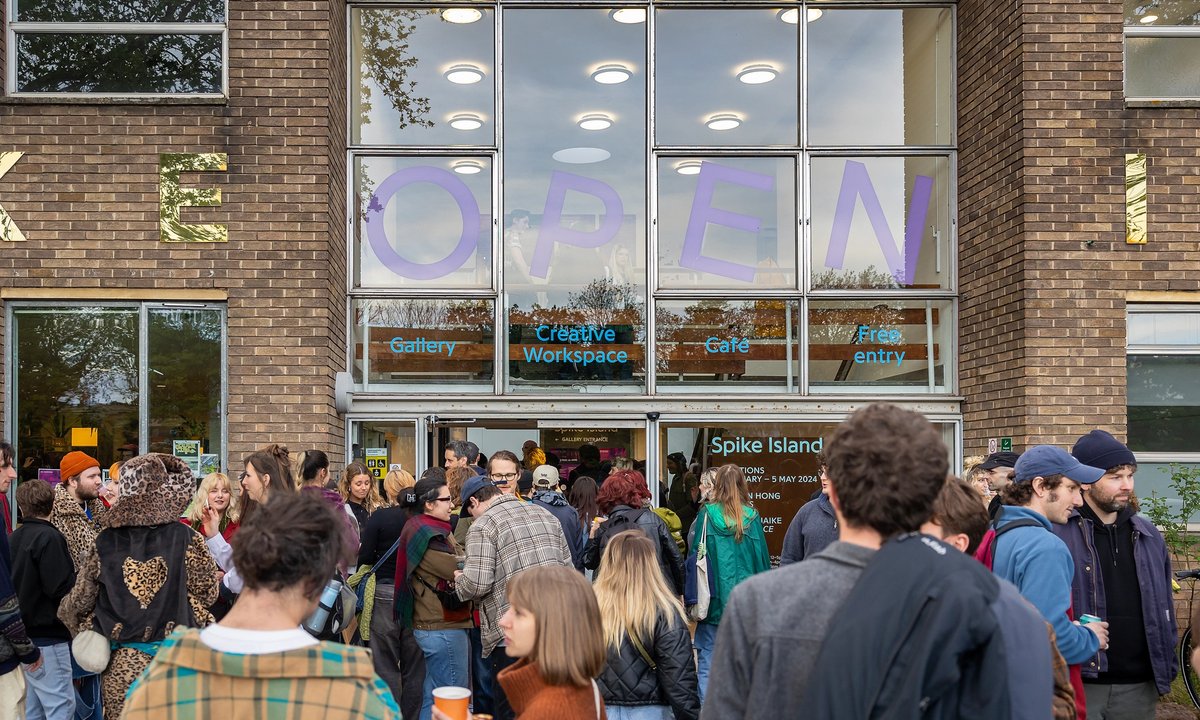
Spike Island, a creative hub in Bristol housed in a historic tea packing factory, has become a model for environmental sustainability in the art world. Its director Nicole Yip commissioned an energy report during the Covid-19 pandemic, which revealed that 85% of the organization's emissions and a large portion of its running costs were due to heat loss through the roof. In response, Spike Island replaced the roof and installed solar panels, which have already saved 6,000 kilograms of CO2 emissions since March. The upgrades are now part of a larger capital masterplan developed with Max Fordham and 6a Architects, aiming to reduce heat loss by 50% over the next decade.