
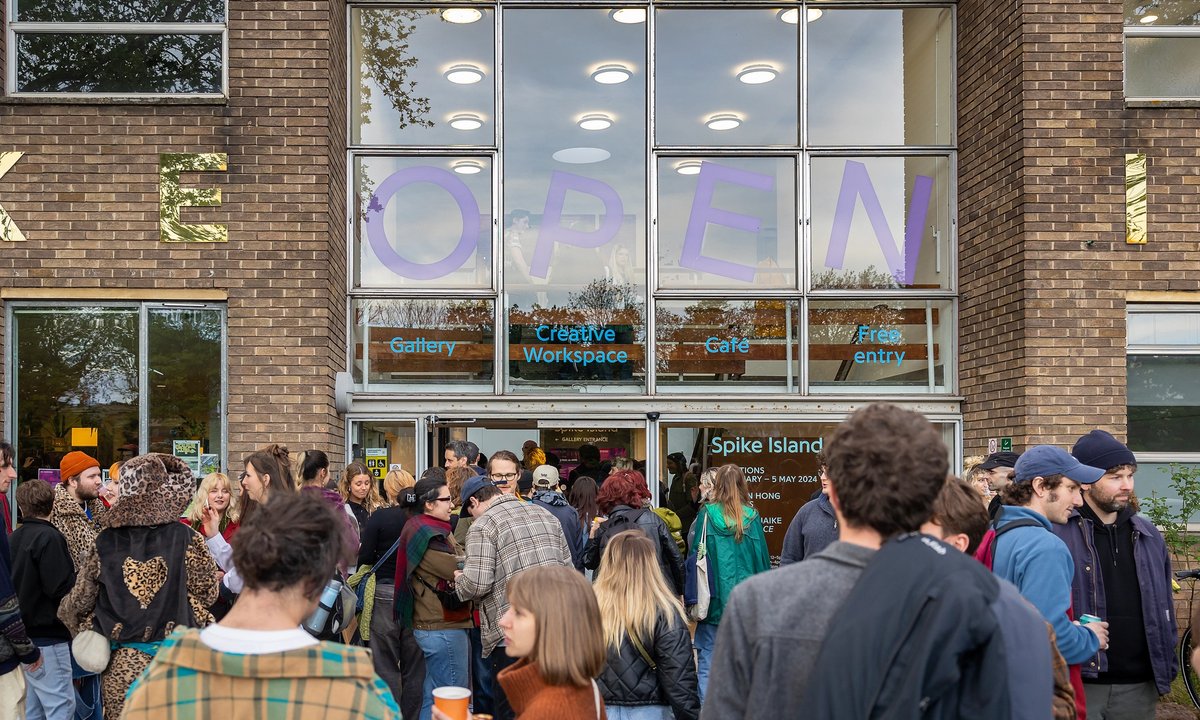
Spike Island, a creative hub in Bristol housed in a historic tea packing factory, has been recognized by the Gallery Climate Coalition (GCC) as a model of environmentally sustainable practice. After an energy audit revealed that 85% of its emissions and running costs came from heating the leaky 1950s building, the organization installed solar panels and began a major retrofit. Since March, the panels have saved 6,000 kilograms of CO2, and further upgrades—including heat pumps and insulation—are planned as part of a long-term capital masterplan developed with Max Fordham and 6a Architects.
This story matters because it demonstrates that environmental action in the arts can be both practical and financially beneficial. Spike Island’s director, Nicole Yip, notes that the organization realized its environmental and financial futures were the same. By linking sustainability to cost savings and operational resilience, the case offers a replicable blueprint for other cash-strapped cultural institutions. It also highlights the GCC’s Active Membership program, which pushes organizations beyond green rhetoric toward measurable, annually renewable commitments to reduce carbon impact and waste.