filter_list Showing 4 results for "Office of War Information" close Clear
search
dashboard All 4 museum exhibitions 2article culture 1rate_review review 1
date_range Range Today This Week This Month All
Subscribe

norman rockwell thanksgiving freedom from want three facts

Norman Rockwell's iconic painting "Freedom From Want" (1943), known as the quintessential Thanksgiving image, is examined through three lesser-known facts. The painting was part of a series responding to FDR's "Four Freedoms" speech, initially rejected by the military's Office of War Information before being embraced for a war bond campaign that raised over $132 million. Rockwell used friends and family as models, including his wife and the family cook, who actually prepared the turkey depicted. The work has recently returned to the spotlight: a four-panel Rockwell suite sold for $7.2 million at Heritage Auctions to the White House Historical Association, while Rockwell's family criticized the Department of Homeland Security for using his art in divisive social media posts.
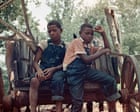
Segregation stories: Gordon Parks in the US south – in pictures

Jackson Fine Art in Atlanta is hosting "Gordon Parks: The South in Colour," a major exhibition curated by photographer Dawoud Bey. The show features over 30 works from Parks’ seminal 1956 "Segregation Story" series, including several previously unshown images of the Thornton, Causey, and Tanner families in Alabama. The exhibition coincides with the 70th anniversary of the series' original publication in Life magazine and the 20th anniversary of The Gordon Parks Foundation.

Is This What “Made in America” Looks Like?

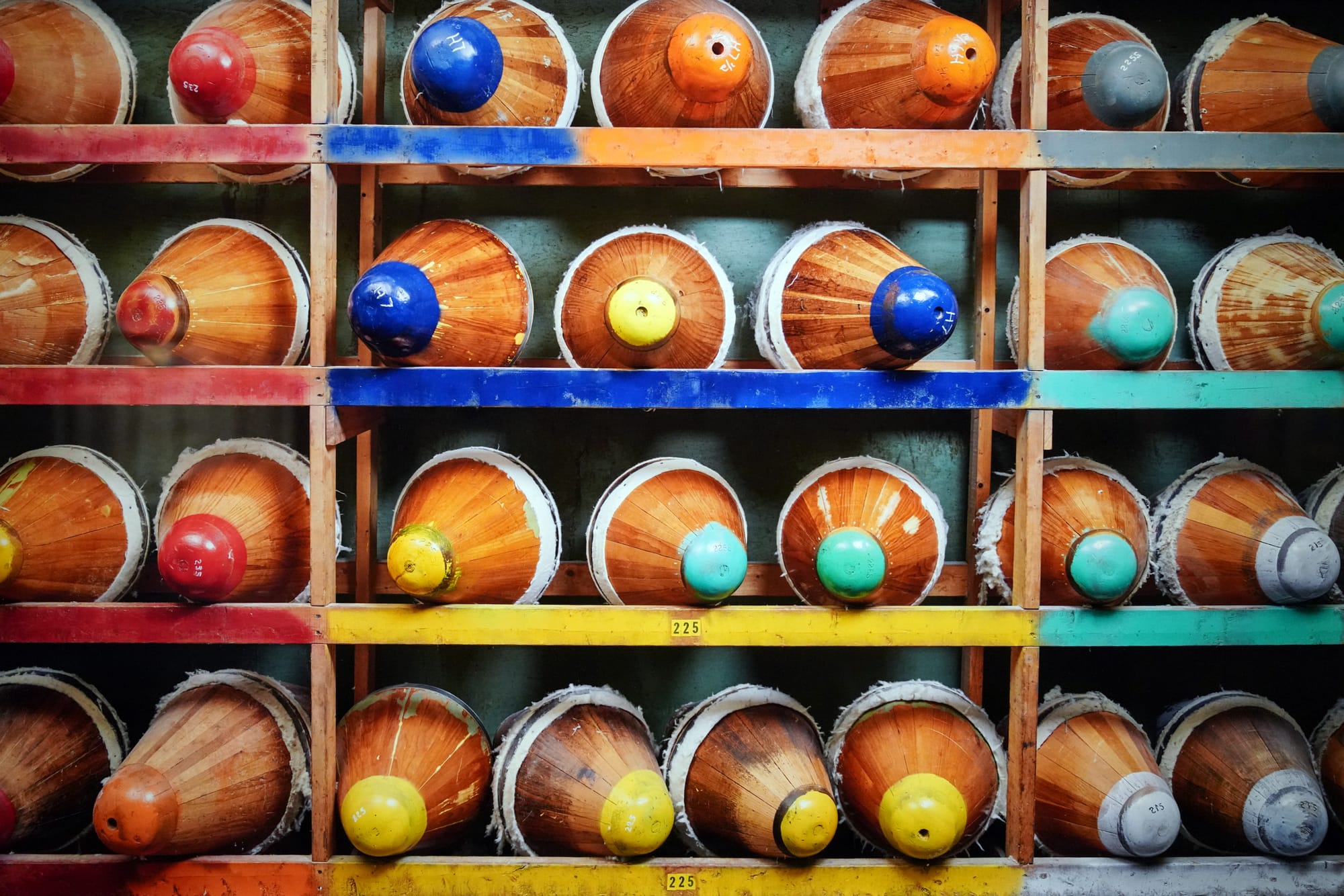
Christopher Payne's exhibition "Made in America: The Industrial Photography of Christopher Payne" at the Cooper Hewitt, Smithsonian Design Museum showcases 72 large-format photographs documenting active American factories and manufacturing processes. The trained architect turned photographer spent a decade visiting dozens of production sites across the United States, from the New York Times printing plant in Queens to the Bollman Hat Company in Pennsylvania, capturing workers' craftsmanship and the intricate steps involved in making everything from Peeps candies to jet engines. The exhibition is organized into three sections—traditional handcraft, large-scale production, and cutting-edge technologies—and coincides with the Smithsonian's celebration of the nation's 250th anniversary.

‘Your homes will be destroyed, your family killed’: the US has dropped millions of war propaganda leaflets – but do they work?

The United States military has been dropping propaganda leaflets in psychological operations (psyops) for over a century, from World War I through the Gulf War and the wars in Iraq and Afghanistan. A new interactive exhibit at Pioneer Works in Brooklyn, organized by the digital archive group Khajistan, displays hundreds of these leaflets, including those dropped on Japan during World War II and in more recent conflicts. However, declassified internal documents, such as a 1971 US Air Force report, reveal that leaflets were often used as toilet paper, cigarette rolling paper, or souvenirs by enemy soldiers, undermining the official narrative of their effectiveness.