
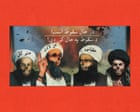
The United States military has been dropping propaganda leaflets in psychological operations (psyops) for over a century, from World War I through the Gulf War and the wars in Iraq and Afghanistan. A new interactive exhibit at Pioneer Works in Brooklyn, organized by the digital archive group Khajistan, displays hundreds of these leaflets, including those dropped on Japan during World War II and in more recent conflicts. However, declassified internal documents, such as a 1971 US Air Force report, reveal that leaflets were often used as toilet paper, cigarette rolling paper, or souvenirs by enemy soldiers, undermining the official narrative of their effectiveness.
This article matters because it challenges the long-held belief that propaganda leafleting is a highly successful military tactic, exposing a gap between official claims and on-the-ground reality. By bringing these artifacts to public view through an art exhibition, it raises critical questions about the ethics and efficacy of psychological operations, and how governments use media to shape war narratives. The exhibit also highlights the role of grassroots archival projects in preserving and interrogating hidden histories of conflict.