filter_list Showing 6 results for "Polish Pavilion" close Clear
dashboard All 6 museum exhibitions 3article news 3
date_range Range Today This Week This Month All
Subscribe

What not to miss at the 2026 Venice Biennale

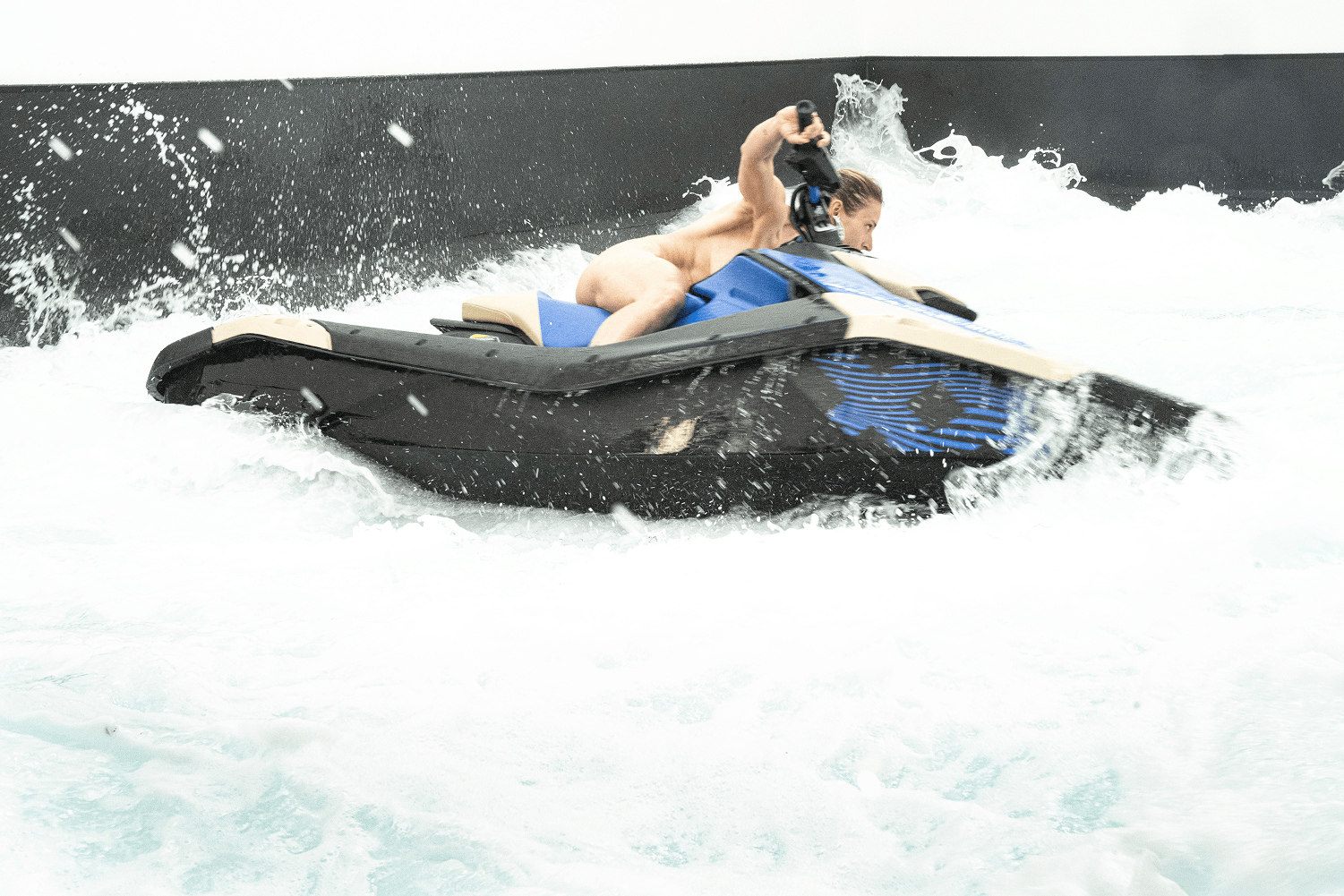
The article highlights five standout pavilions and installations at the 2026 Venice Biennale. Florentina Holzinger's Austrian pavilion features extreme, nude performances including a woman submerged in a urine-purified tank, drawing police attention. Sanya Kantarovsky presents eerie paintings and a Murano glass sculpture in a historic palazzo. Gabrielle Goliath's 'Elegy'—a hypnotic mourning performance for women killed in violence—was banned by South Africa but staged with London's Ibraaz. Carrie Schneider's 1.5km photographic curl in the Arsenale references Chris Marker's 'La Jetée'. Lydia Ourahmane's delicate sculptural show uses materials sourced from Venice, including a bead curtain made by inmates.
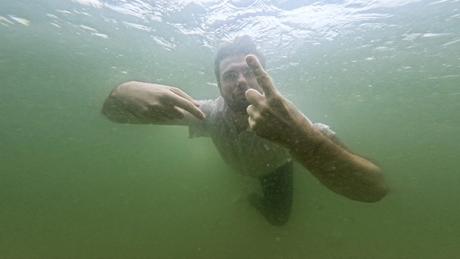
Polish pavilion at Venice Biennale explores fluidity of language with film recorded underwater

Poland's entry for the 2024 Venice Biennale, titled *Liquid Tongues*, is an audio-video installation by artists Bogna Burska and Daniel Kotowski. The work centers on a performance by the Chór w Ruchu (Choir in Motion), which includes both hearing and deaf performers, with much of the content filmed underwater in a Warsaw swimming pool. Presented across two screens in the Polish pavilion, the installation draws inspiration from whale song to explore alternative modes of communication, using spoken English and International Sign. The project builds on a previous performance at Warsaw's Zachęta National Gallery of Art and was developed in close collaboration with curators Ewa Chomicka and Jolanta Woszczenko.

Currents of the 61st Biennale: Inside Venice’s Flow of Art and Power

The 61st Venice Biennale jury, composed of five curators—Solange Oliveira Farkas, Zoe Butt, Elvira Dyangani Ose, Marta Kuzma, and Giovanna Zapperi—resigned on April 30th amid internal tensions over decisions that conflicted with the late Koyo Kouoh's curatorial vision. The jury had previously stated it would refrain from considering countries whose leaders are charged with crimes against humanity by the International Criminal Court. Meanwhile, Filipino artist Jon Cuyson prepares to present his installation at the Philippine Pavilion, featuring works shipped 60 days before geopolitical conflict escalated, navigating unstable maritime routes. His project includes the film series "Sea of Love (Dagat ng Pag-ibig)" and a new fourth film, "Sea of Echoes," exploring themes of migration, queer experience, and ecological resilience through mussels as non-human protagonists.

Nesting Seagull Becomes Unexpected Star of Venice Biennale

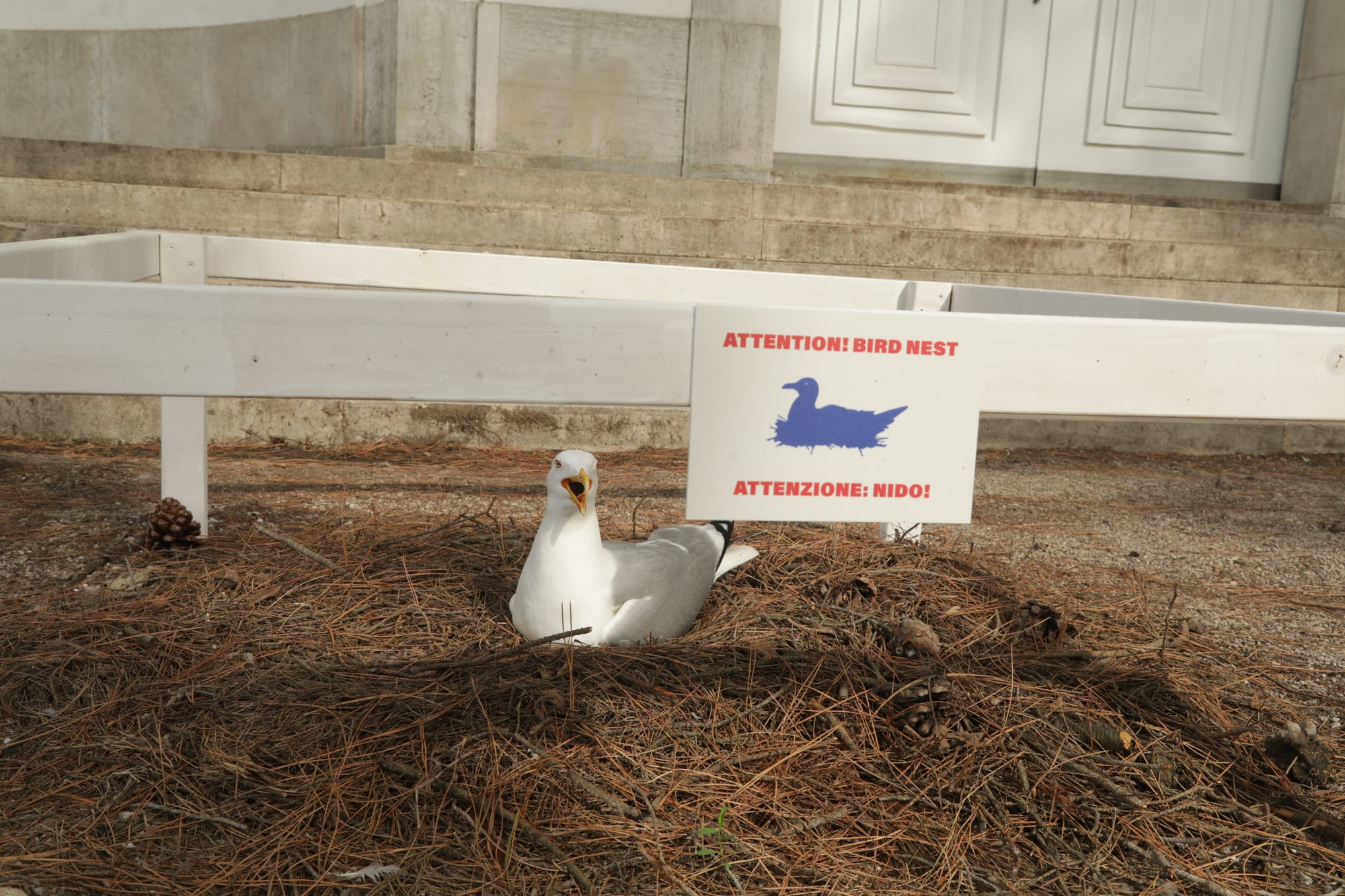
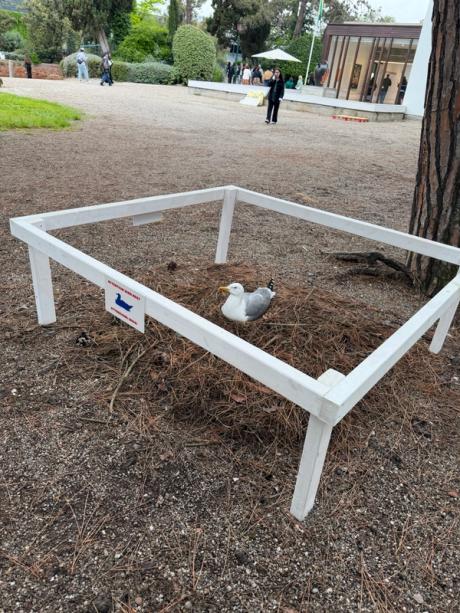
A seagull nesting near the Polish pavilion at the Venice Biennale has become an unexpected attraction, drawing bemused visitors and media attention. The bird laid eggs in the Giardini grounds, and a fence with a warning sign in English and Italian was erected around the nest. Organizers say this is the first known instance of a seagull nesting in such a prominent area of the exhibition. The Polish pavilion was closed on May 8 as part of a historic strike protesting the inclusion of aggressor states in the Biennale, with a sign supporting the Ukrainian Pavilion.

Nature is healing? Seagull lays eggs in the Giardini during Venice Biennale preview

During the VIP preview of the Venice Biennale, a seagull laid three eggs near the entrance of the Polish Pavilion in the Giardini. Pavilion staff built a protective barrier around the nest and warned visitors to avoid the protective bird, which one Italian collector called "the main attraction."

Anti-Russia Protests Spread Beyond the Biennale and Into Venice

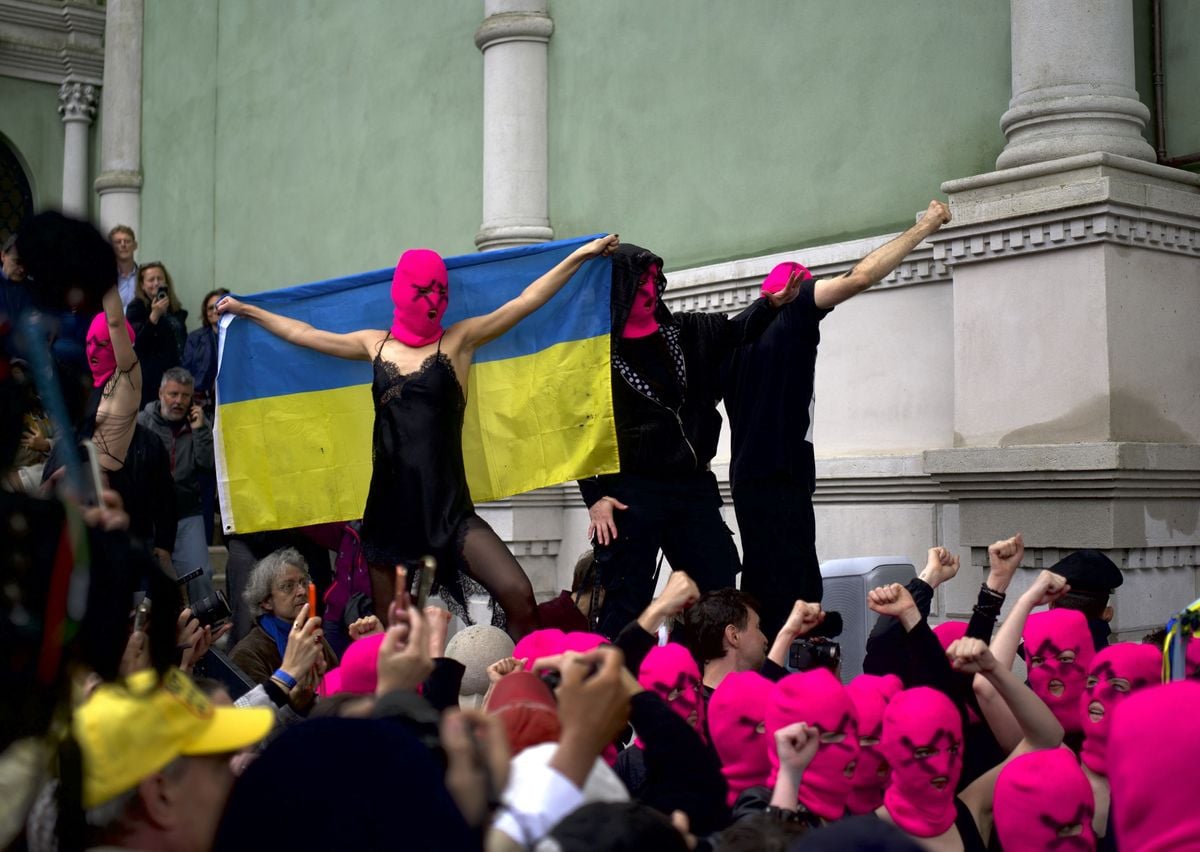
Protests against the reopening of the Russian pavilion erupted at the Venice Biennale and spread across the city on the second day of the 61st edition. Visual artist Shalva Nikvashvili, who grew up in post-Soviet Georgia, began a silent performance wearing a muzzle-style mask and carrying a chair, holding a sign reading “La Biennale di Venezia” and “violence.” Shortly after, a group of about 20 protesters led by Pussy Riot co-founder Nadya Tolokonnikova gathered outside the Russian pavilion, chanting against Vladimir Putin, waving Ukrainian flags, and releasing a pink smoke flare. The protests followed the Biennale's decision to allow Russia to participate for the first time since its 2022 invasion of Ukraine, despite calls from artists and politicians to exclude the country.