filter_list Showing 6 results for "Qingyuan Deng" close Clear
search
dashboard All 6 museum exhibitions 3article news 2article culture 1
date_range Range Today This Week This Month All
Subscribe

The Same Dead Thing Alive: Contemporary Archives in L.A. and Beyond

MONUMENTS at MOCA and The Brick

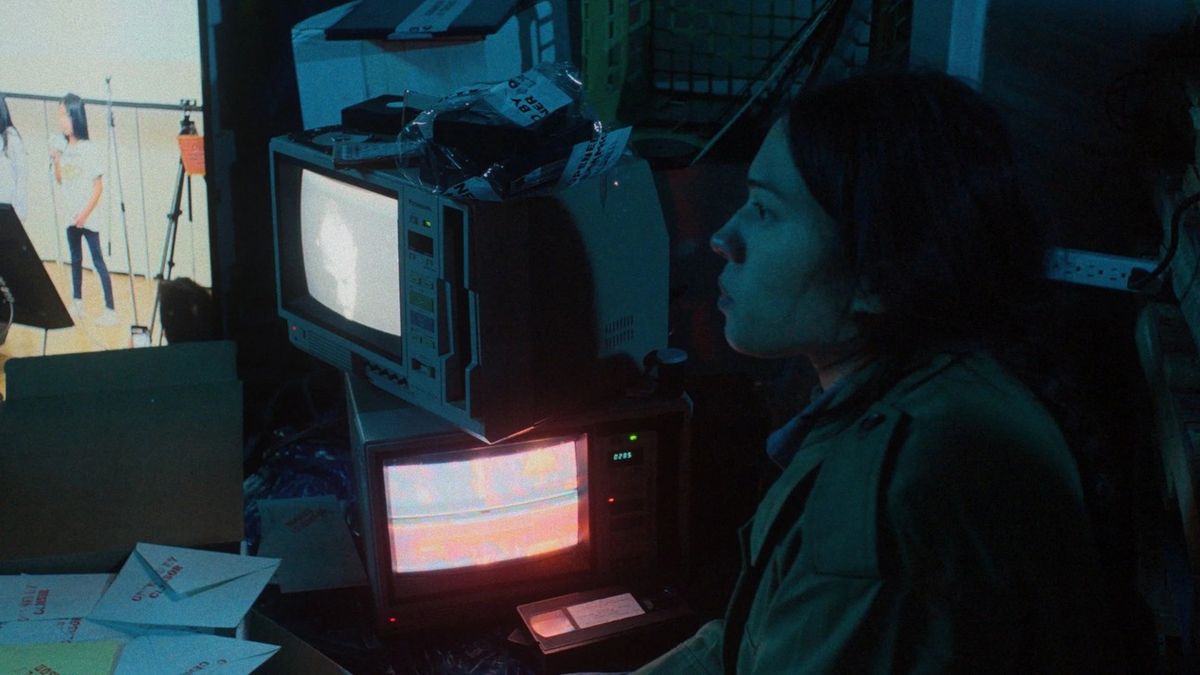
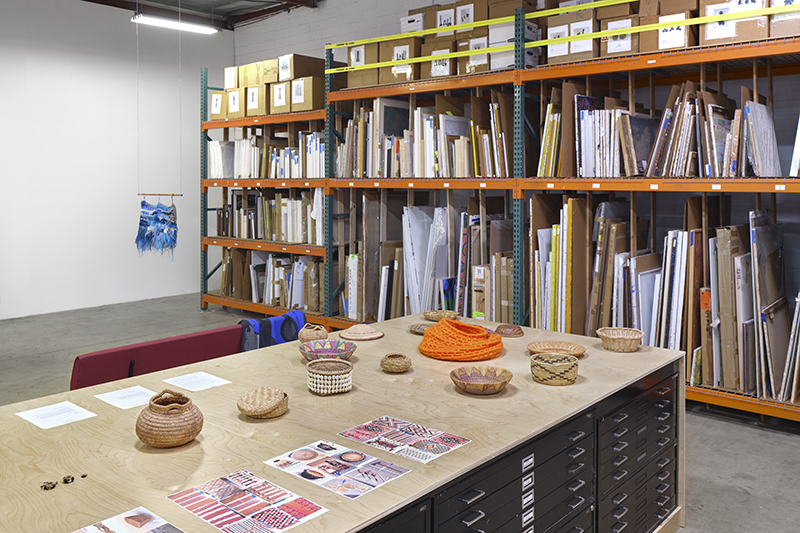
The article reviews the exhibition "MONUMENTS" held at both MOCA (Museum of Contemporary Art, Los Angeles) and The Brick, as covered by Contemporary Art Review LA. The review, written by Qingyuan Deng, appears in Issue 43 (February 2026) of the publication, which also features other reviews, interviews, and essays on topics ranging from olfactory art to tarot and video art.
2026 Carla Art Auction is Live!

Minnie Pwerle, Emily Pwerle, Molly Pwerle, Galya Pwerle at Château Shatto

Château Shatto gallery in Los Angeles is presenting a group exhibition featuring works by Minnie Pwerle, Emily Pwerle, Molly Pwerle, and Galya Pwerle, four Indigenous Australian artists from the Anmatyerre community. The show highlights their distinctive painting styles, which often draw on ancestral stories and bold abstract patterns, continuing the legacy of Aboriginal art in a contemporary gallery context.

ArtReview April & May 2026 Issue Out Now

ArtReview's April & May 2026 issue explores boundaries and limitations in art, with a focus on the 61st Venice Biennale opening amid global conflicts. The cover features Japanese-American performance artist Ei Arakawa-Nash with his husband and twin babies, whose collaborative installation at the Japanese Pavilion incorporates the unpredictability of childcare. The issue includes coverage of controversial national pavilions (Russian, Israeli, American), profiles of artists representing Mongolia and Singapore, and features on Beverly Buchanan, Arthur Jafa, Richard Prince, and Zehra Doğan's report from Rojava. It also reviews the 82nd Whitney Biennial, the 25th Biennale of Sydney, and the 15th Shanghai Biennale.

On Paranoid Time

Film Notes has published Qingyuan Deng's essay exploring the intersection of Lacan's concept of retroactive meaning and Eve Kosofsky Sedgwick's distinction between paranoid and reparative reading, as applied to recent artists' films and moving-image installations. The essay examines how works like Alison Nguyen's installation "Perforation, Ellipse" at New York's Storefront for Art and Architecture use cinematic techniques—such as perforations, splices, and missing scenes—to hold the temporal gap between an event and its belated political comprehension, focusing on the censorship of Vietnamese bolero songs after the American War.