filter_list Showing 21 results for "Sélavy" close Clear
dashboard All 21 museum exhibitions 12article culture 3rate_review review 3trending_up market 2person people 1
date_range Range Today This Week This Month All
Subscribe

The Marcel Duchamps That Got Away: On Collecting His Work and the Sprawling MoMA Show

The article recounts the author's personal experience as a collector who passed up the opportunity to buy a complete set of Marcel Duchamp's readymades at a 2002 Phillips de Pury and Luxembourg auction. The set, editioned by dealer Arturo Schwartz in 1964, included iconic works like *Fountain* and *Bicycle Wheel*, but the sale was a financial failure, with many pieces bought-in or selling for far below expectations. The author later acquired some of the unsold works privately. The piece is framed around the concurrent Duchamp exhibitions at the Museum of Modern Art and Gagosian.

hauser wirth uptown sale jens hoffmann project wet paint 2638685

Hauser & Wirth has sold its Upper East Side townhouse at 32 East 69th Street for $10.5 million to a developer, ending a decades-long presence in the neighborhood. The property, purchased in the 1990s as a family residence, was renovated by architect Annabelle Selldorf and later used as gallery space from 2009, hosting exhibitions by artists like Pope.L, Anna Maria Maiolino, Luchita Hurtado, and Arshile Gorky. Gallery co-founder Iwan Wirth cited a shift in the family's center of gravity to Chelsea and the business's expansion downtown with new locations on West 18th Street and Wooster Street in SoHo.

swiss artist publisher childrens books rachel harrison 1234771027

Rachel Harrison's recent exhibition "The Friedmann Equations" at Greene Naftali in New York was a highlight of 2025, featuring her signature brainy, oblique, and funny sculptures and drawings. The show included works alluding to Marcel Duchamp and his alter-ego Rrose Sélavy, as well as drawings riffing on Hans Holbein's portraits of Henry VIII and his court. During a visit to the gallery, Harrison's dealer Carol Greene handed the author a copy of Harrison's new children's book, "Hold Still, Henry!", which reproduces those Holbein-inspired drawings in a board-book format for young readers. The book is published by Rookie Books, a small press founded in 2022 by artist Camillo Paravicini of Basel, Switzerland, who has previously worked with artists like Monster Chetwynd, Martin Parr, and Nathalie Du Pasquier.

john vincler new york gallery guide summer

The article surveys several New York gallery exhibitions during the transition from spring to summer 2025, focusing on how the human body is depicted in contemporary art. Key shows include David Zwirner's "Circa 1995: New Figuration in New York," featuring works by John Currin, Lisa Yuskavage, Marlene Dumas, Luc Tuymans, Laura Owens, and Peter Doig; Skarstedt's "Andy Warhol: Oxidation Paintings," presenting Warhol's urine-reactive abstract works; and Rachel Harrison's "The Friedmann Equations" at Greene Naftali, which explores spectatorship and the somatic through photographs, drawings, and sculptures.

Do We Have Duchamp All Wrong? A Brilliant MoMA Retrospective Reintroduces One of Modernism’s Greats

The Museum of Modern Art has launched a massive retrospective of Marcel Duchamp, featuring over 300 works spanning the artist's career from the early 1900s to the late 1960s. Organized in collaboration with the Philadelphia Museum of Art, the exhibition eschews a heavy-handed narrative in favor of a methodical, factual presentation. Key highlights include the controversial "Genre Allegory" (1943) and his iconic readymades, alongside his early experiments in painting like "Nude Descending a Staircase (No. 2)."

A Duchamp Retrospective at MoMA Presents an Artist Who Challenged the Very Definition of Art

The Museum of Modern Art (MoMA) has launched a major retrospective of Marcel Duchamp, marking the first comprehensive North American survey of the artist’s work in over 50 years. Co-organized with the Philadelphia Museum of Art and the Centre Pompidou, the exhibition traces Duchamp’s evolution from his early Cubo-Futurist paintings to his revolutionary "Readymades" and optical experiments. The show features seminal works such as Nude (Study), Sad Young Man on a Train and explores his various personas, including his female alter ego, Rrose Sélavy.

art artist couples eric firestone gallery

A new exhibition titled “Couples” at Eric Firestone Gallery in New York features the work of 26 artist-partners, exploring how they navigate material, color, and form in complementary ways. The show runs through May 2. CULTURED magazine brought together five duos from the exhibition to answer questions about mixing professional and personal lives, with each artist responding without seeing their partner’s answers. Featured couples include Caitlin Lonegan and Spencer Lewis, who discuss topics such as sharing studios, jealousy, and role models like Charline von Heyl and Christopher Wool.

art duchamp jill magid cory arcangel maya man darren bader

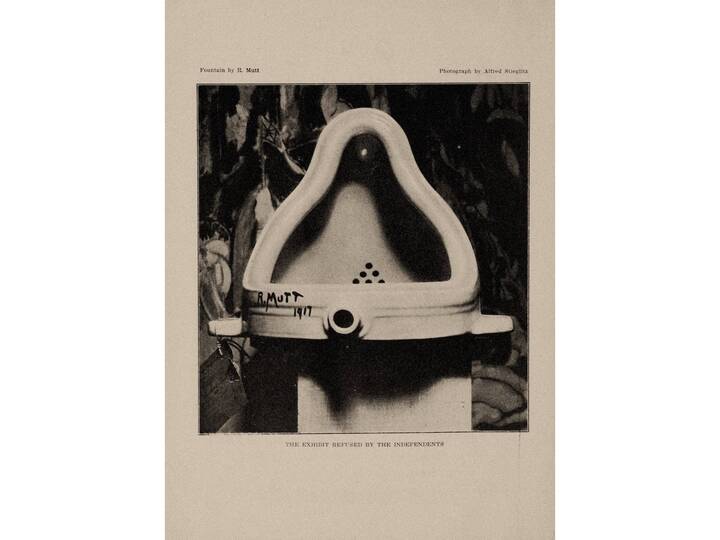
Marcel Duchamp remains one of the most influential figures in contemporary art, a century after his readymades like *Fountain* (1917) challenged definitions of art. MoMA is opening a major retrospective on April 9, co-organized by Ann Temkin and Michelle Kuo, exploring Duchamp's conceptual legacy. The article profiles four contemporary artists—including Cory Arcangel—who are extending Duchamp's ideas into digital and conceptual realms, such as Arcangel's modified Nintendo game *Super Mario Clouds* (2002).

art howardena pindell interview white cube show

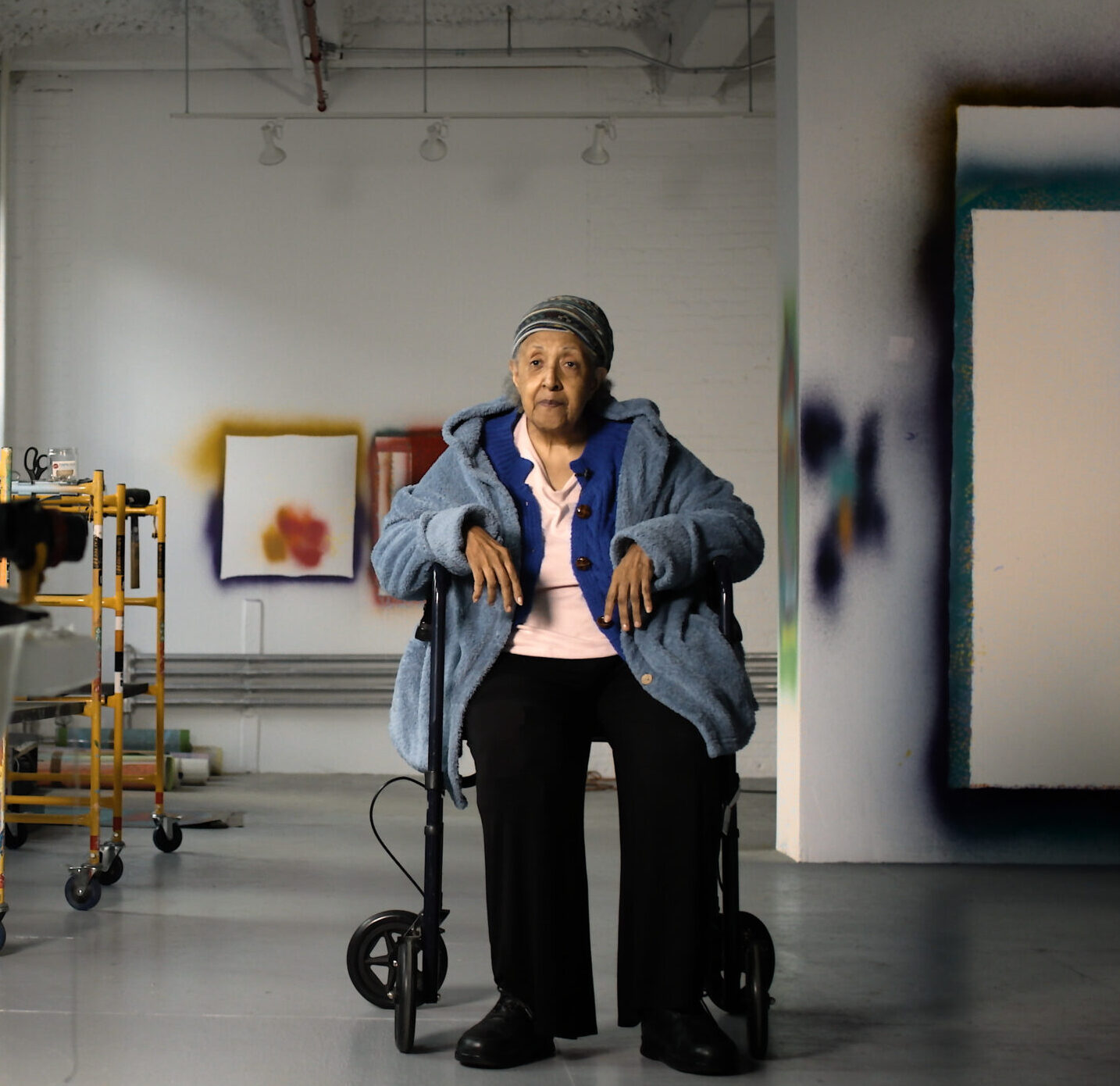
Howardena Pindell, the 82-year-old artist known for her dot-based abstractions and incisive video works, was honored with a Cultural Leadership Award at the American Federation of Arts’s 2025 Gala. In an interview with Cultured, she discusses her current White Cube show “Off the Grid” in London, which spans her decades-long career from early figurative work to new abstract pieces. The exhibition runs through January 18, and Pindell also reveals upcoming projects: a 50-foot-tall stained-glass mural for the University of Texas at Austin, a Dia Beacon acquisition of her works for long-term display in 2026, and her inclusion as the only living artist in the AFA’s touring exhibition Abstract Expressionists: The Women.

Marcel Duchamp & Sturtevant | Dialogues are mostly fried snowballs

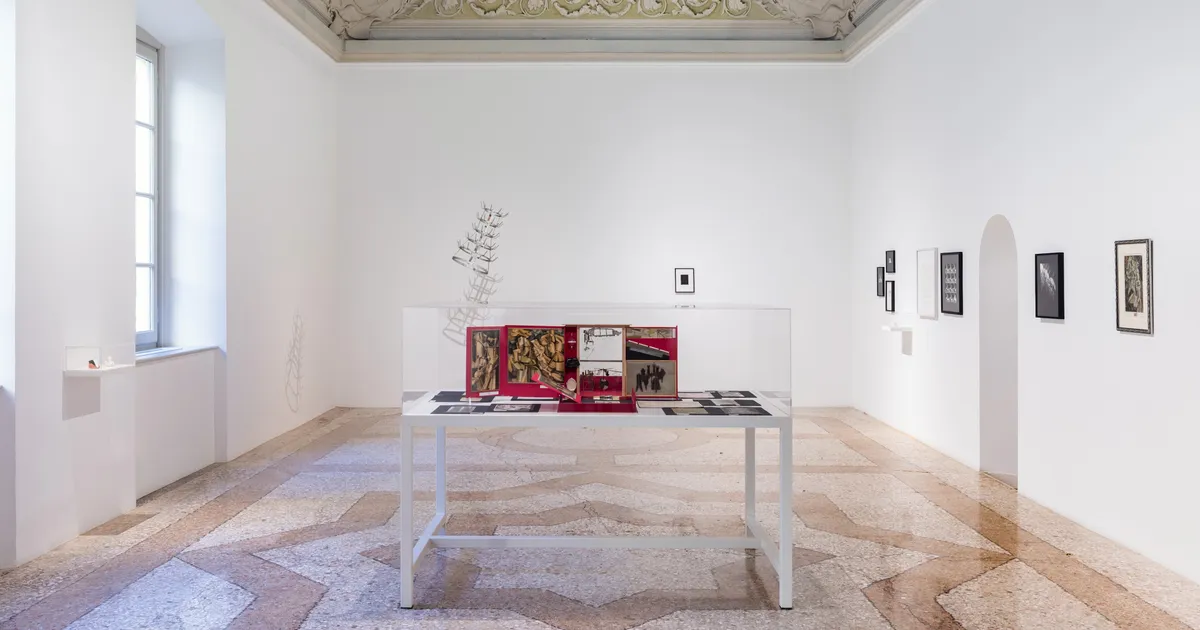
Thaddaeus Ropac Milan is hosting a landmark exhibition titled "Dialogues are mostly fried snowballs," marking the first-ever joint presentation of Marcel Duchamp and Sturtevant. The show stages a cerebral confrontation between Duchamp’s original readymades, such as "Porte-bouteilles" and "Trébuchet," and Sturtevant’s radical repetitions of his work. By showcasing these pieces alongside archival materials and films, the exhibition traces how Sturtevant used Duchamp’s style as a medium to investigate the canonization and "understructure" of conceptual art.

11 Must-See Museum Exhibitions This Summer

This article highlights 11 must-see museum exhibitions for summer 2025, curated by Monica Jae Yeon Moon. Key shows include Melissa Joseph's site-specific installation 'Tender' at the Brooklyn Museum, a comprehensive solo exhibition of 18th-century Dutch still life painter Rachel Ruysch at the Toledo Museum of Art and Museum of Fine Arts Boston, and a queer photography exhibition at the Getty Center. Other notable events include the Venice Architecture Biennale, Berlin Biennale, and Ljubljana Biennial, with a focus on women artists like Emily Kam Kngwarray and Takako Yamaguchi receiving overdue recognition.

I’ve Got the Post-Duchamp Blues

The article is a review of the Marcel Duchamp retrospective at the Museum of Modern Art (MoMA) in New York, the first such show since 1973. Featuring around 300 works from Duchamp's six-decade career, the exhibition includes his iconic readymades like "Fountain" (1917) and early paintings such as "Nude Descending a Staircase, No. 2" (1912). Co-curated by MoMA's Ann Temkin and Michelle Kuo along with Matthew Affron of the Philadelphia Museum of Art, the show runs through August 22, 2026, before traveling to Philadelphia.

Marcel Duchamp Was the Messenger of History

The Museum of Modern Art (MoMA) in New York is launching the first comprehensive U.S. exhibition of Marcel Duchamp’s work in over 50 years. In an interview regarding the opening, renowned scholar Thierry de Duve discusses the artist's enduring legacy, from his infamous readymades like "Fountain" to his complex, labor-intensive works like the "Large Glass." The exhibition seeks to reconcile Duchamp’s identity as both a conceptual provocateur and a meticulous craftsman.

Marcel Duchamp Is Stripped Bare at MoMA

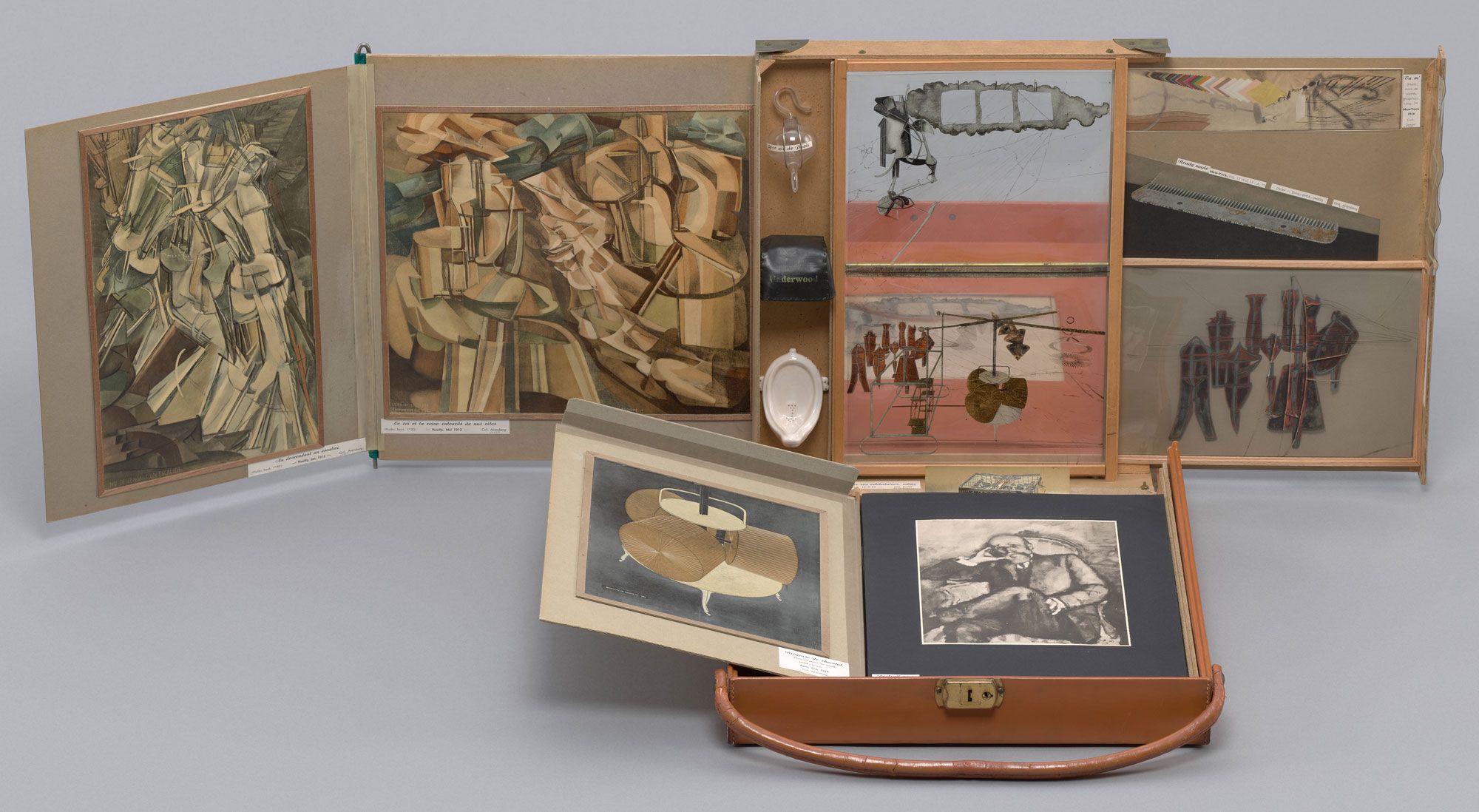
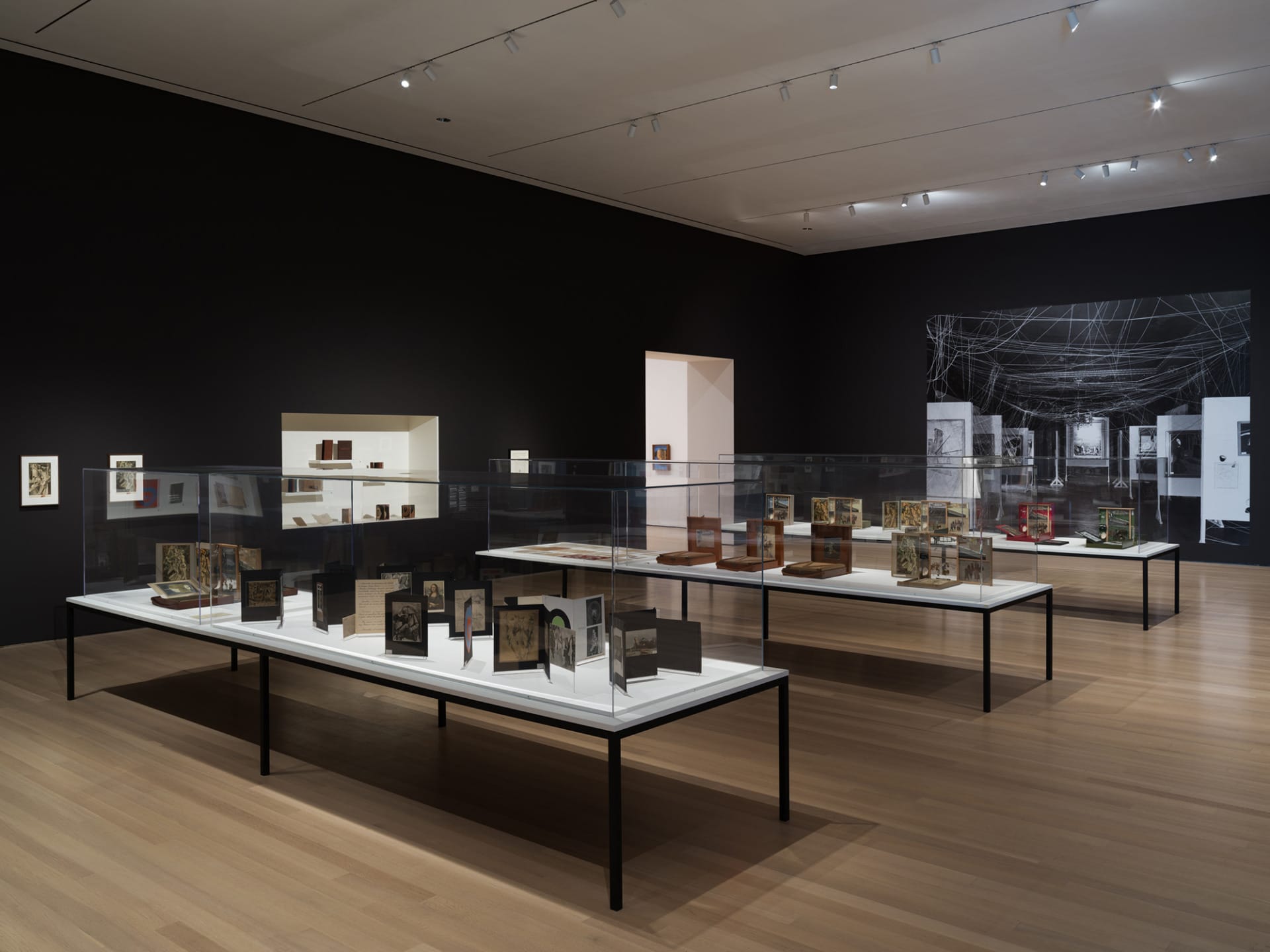
The Museum of Modern Art in New York has opened "Marcel Duchamp," the first retrospective of the artist on this continent in over 50 years. Curated by Ann Temkin, Michelle Kuo, and Matthew Affron, the exhibition is organized strictly chronologically and features Duchamp's most famous works—including his revolutionary readymades like *Fountain* (1917) and *Bicycle Wheel* (1913)—often shown only in photographic reproduction or as later refabricated copies, replicas, and miniatures from his *Box in a Valise* series. The show highlights how Duchamp's original objects have been lost or dematerialized, forcing viewers to confront the very definition of an artwork.

What’s Left to Learn from Marcel Duchamp?

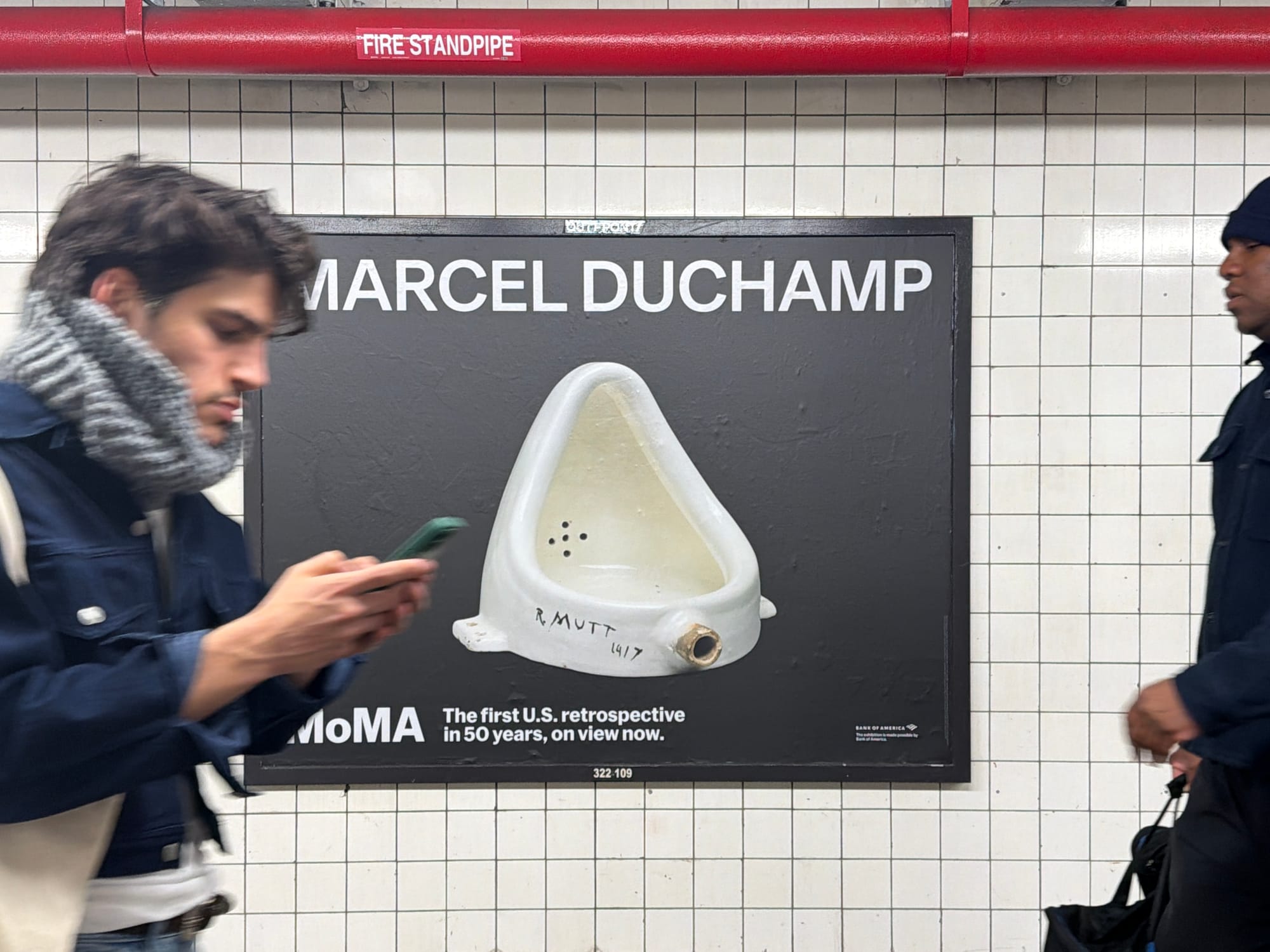
The article examines Marcel Duchamp's enduring influence on contemporary art, focusing on his readymades such as "Fountain" (1917) and "Bicycle Wheel" (1913/1951). It notes that a major survey co-organized by the Museum of Modern Art and the Philadelphia Museum of Art, 70 years after Duchamp predicted his true public would emerge in 50 to 100 years, reaffirms his status as the most influential artist of the past century. The piece discusses how Duchamp's practice of selecting and presenting ordinary objects as art—from a urinal to a snow shovel—once shocked the art world but now seems quaint compared to later works like Maurizio Cattelan's taped banana.

Marcel Duchamp at MoMA: Five Revelations From the Artist’s First North American Survey in Over 50 Years

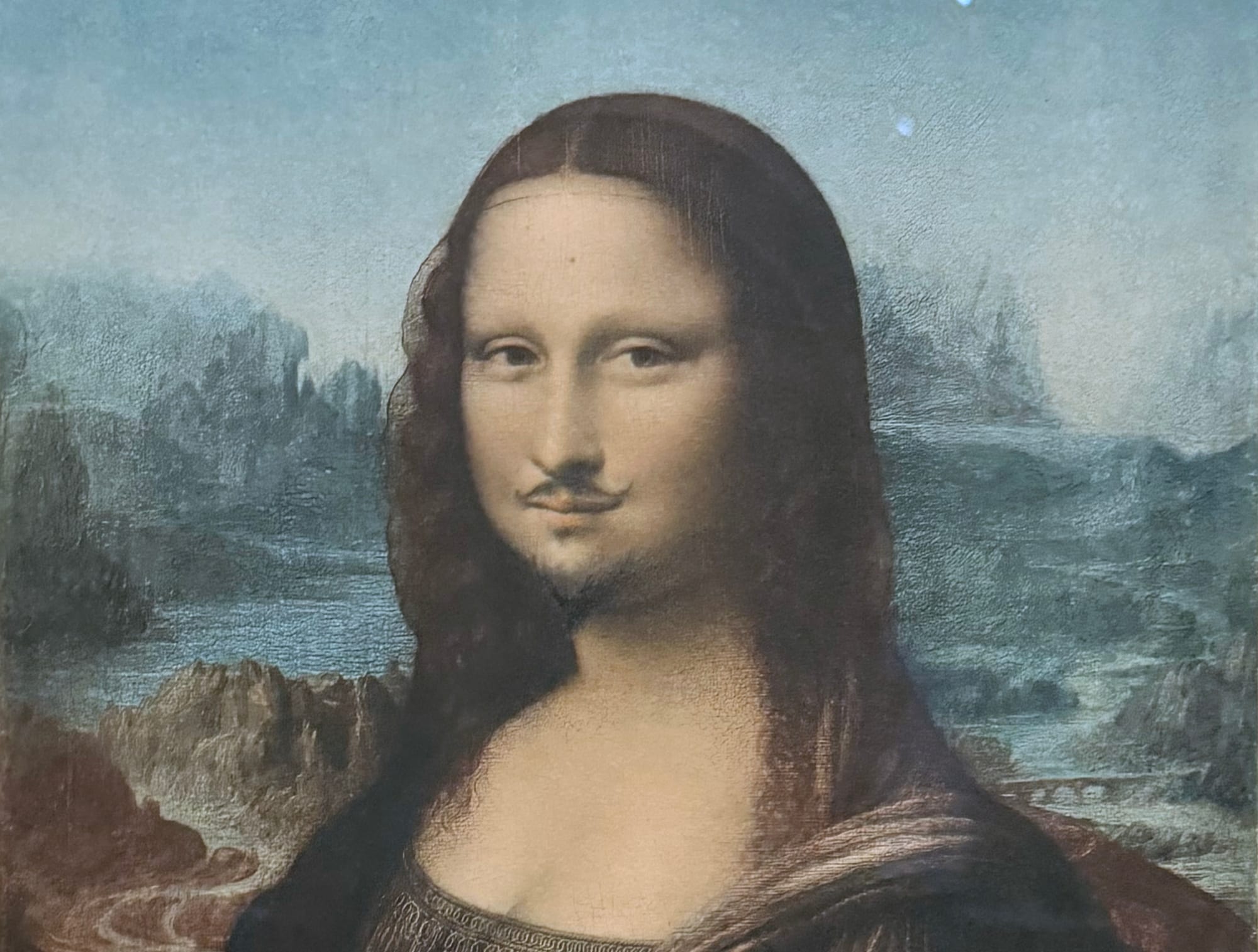
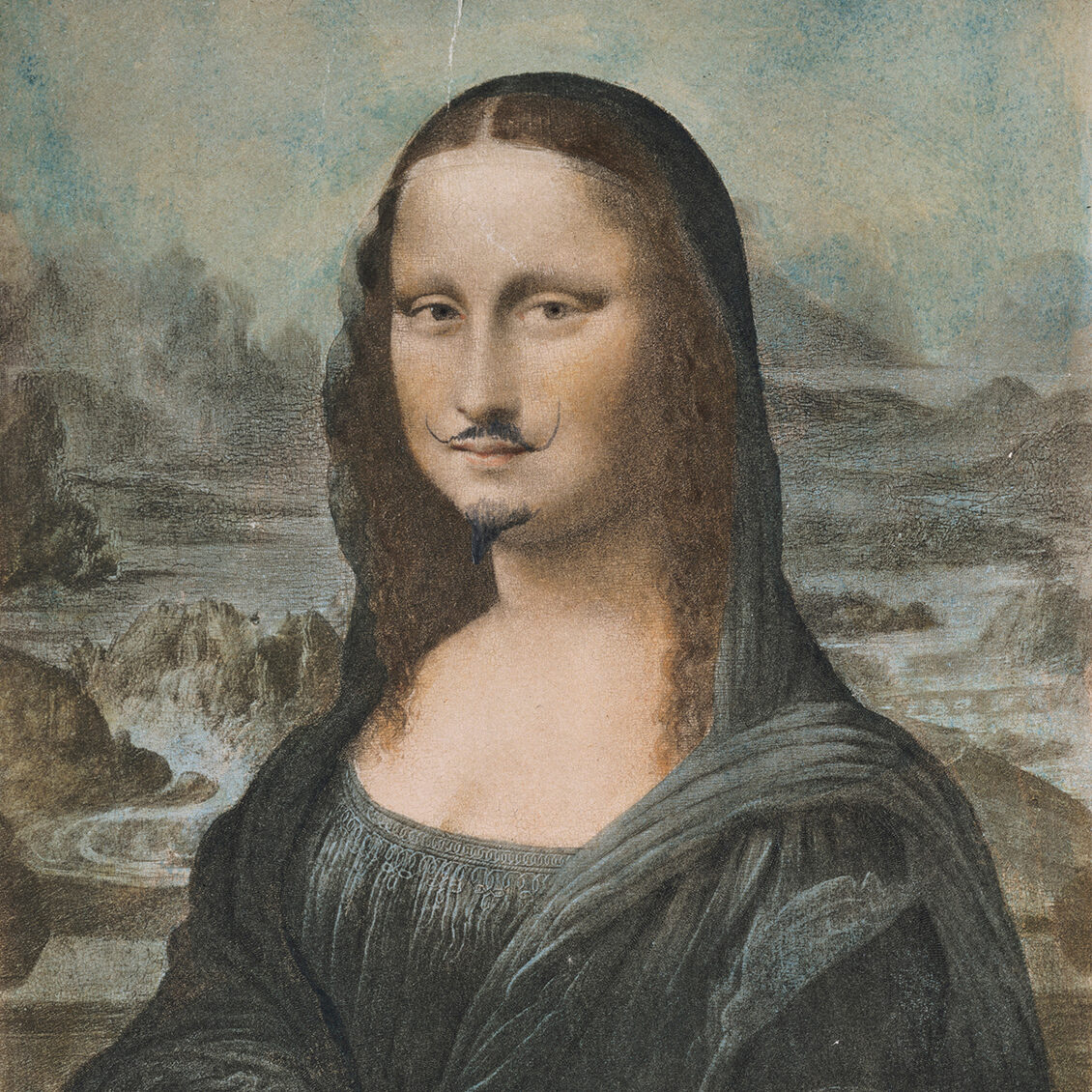
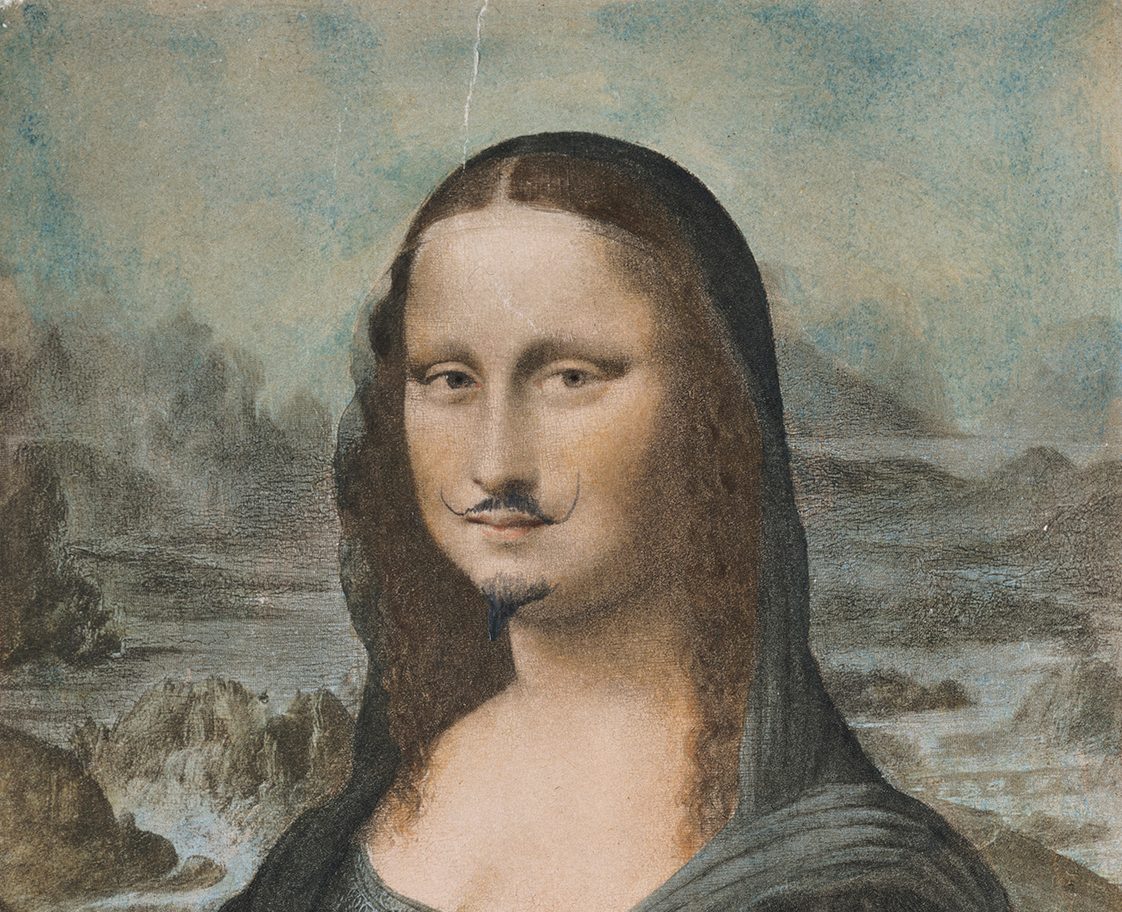
The Museum of Modern Art in New York has launched a major retrospective of Marcel Duchamp, marking the artist's first comprehensive North American survey in over half a century. The exhibition traces Duchamp’s evolution from his early satirical drawings and avant-garde paintings to his revolutionary experiments with movement and mechanization, featuring iconic works like "Nude Descending a Staircase" and "L.H.O.O.Q." alongside technical diagrams and studies for "The Large Glass."

What Made Marcel Duchamp’s Readymades So Revolutionary?

Marcel Duchamp transformed the trajectory of 20th-century art by introducing the 'Readymade,' a concept where mass-produced, everyday objects are elevated to the status of art through the artist's selection rather than manual craft. Beginning with a bicycle wheel in 1913 and a bottle rack in 1914, Duchamp eventually formalized the term during a 1915 stay in New York, where the city's industrial modernity and lack of rigid class structures inspired him to challenge traditional definitions of creativity.

“Persona” Crafts a Lineage of Performed Identity

Boston Art Review (BAR) has published an article titled “Persona” Crafts a Lineage of Performed Identity, exploring how contemporary artists use persona and self-performance to trace a lineage of identity construction. The piece examines works by artists who adopt alter egos or theatrical roles to challenge fixed notions of selfhood, drawing connections to historical precedents in art and culture.

The Many Forms of Marcel Duchamp

The New Yorker's Hilton Als reviews "Marcel Duchamp," a major retrospective at the Museum of Modern Art (MoMA) in New York, running through August 22, 2026. Curated by Matthew Affron, Michelle Kuo, and Ann Temkin, it is the first North American retrospective of Duchamp's work since 1973, organized in collaboration with the Philadelphia Museum of Art. The exhibition spans MoMA's entire sixth floor, showcasing Duchamp's shape-shifting practice—from iconic works like "Nude Descending a Staircase (No. 2)" (1912) and "Bicycle Wheel" (1951) to his readymades and conceptual pieces—emphasizing his rejection of commodification and embrace of intellectual freedom, play, and queer sensibilities.

Duchamp and the Museum

The Museum of Modern Art and the Philadelphia Museum of Art have co-organized a major exhibition and catalogue exploring Marcel Duchamp’s complex relationship with art institutions. Despite his reputation as a skeptical iconoclast who famously claimed to avoid the Louvre, Duchamp spent decades actively reshaping how museums function through his "portable museum" projects, curatorial collaborations, and the strategic placement of his legacy within permanent collections.

MoMA Delivers with First American Marcel Duchamp Retrospective in 50 Years

The Museum of Modern Art (MoMA) has launched a comprehensive retrospective of Marcel Duchamp, marking the first major American survey of the artist's work in five decades. The exhibition follows a chronological path through Duchamp’s radical career, featuring early pen-and-ink drawings, his transition through Cubism and Dadaism, and his revolutionary "readymades" like the urinal titled Fountain. Highlights include the rare gathering of all three versions of Nude Descending a Staircase and documentation of his final, secretive installation, Étant donnés.