
filter_list Showing 3 results for "Sarah Maisey" close Clear
search
dashboard All 3 article news 2article culture 1
date_range Range Today This Week This Month All
Subscribe

Researchers Identify Enslaved Boy in Joshua Reynolds Painting

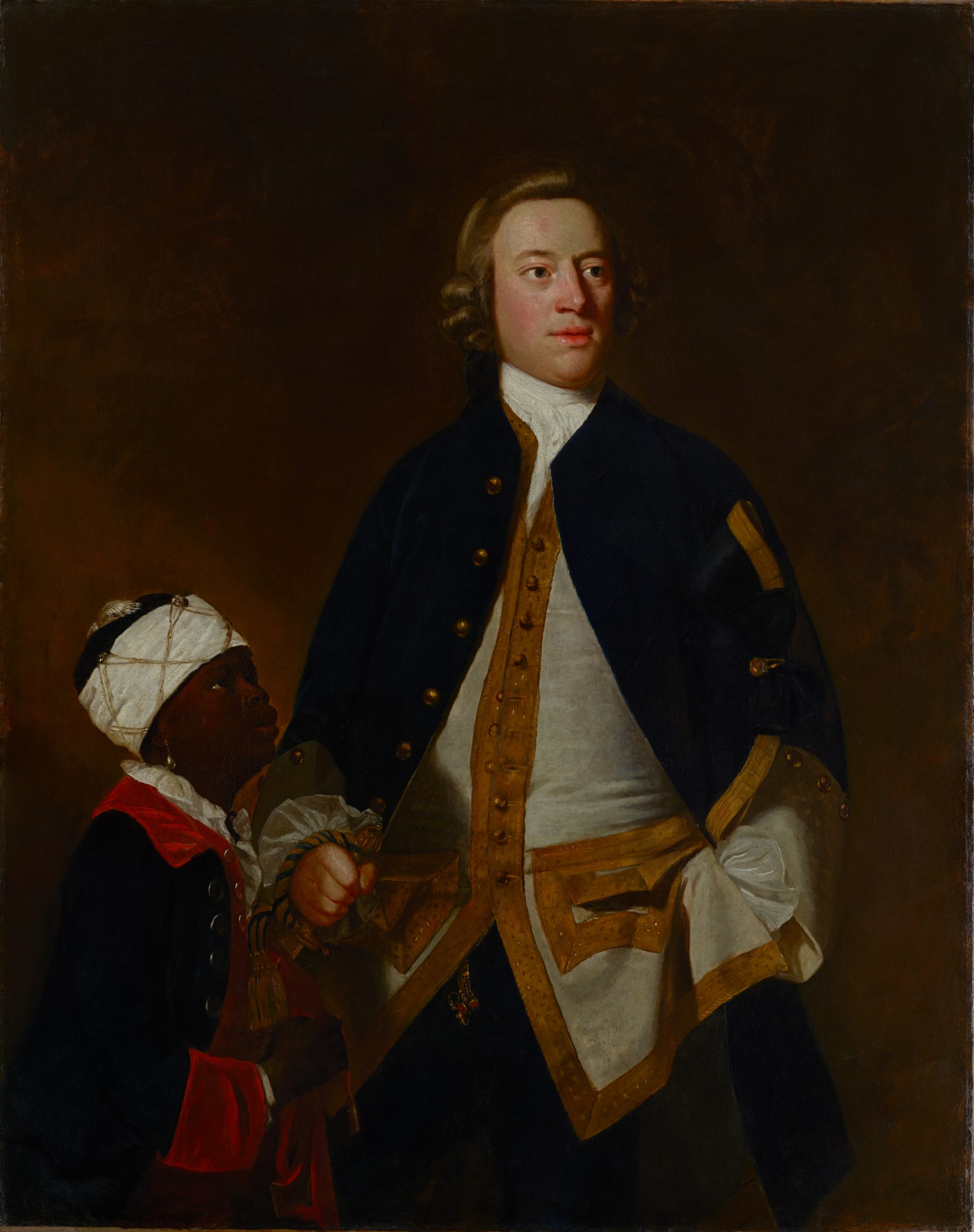
Researchers in the U.K. have identified the enslaved boy depicted in Joshua Reynolds's 1748 painting of Royal Navy lieutenant Paul Henry Ourry. For centuries known only as "Jersey," the boy has been identified as George Walker, also called Boston Jersey, through baptismal and admiralty records. Walker was baptized at age 15 in Westminster in 1752, served on HMS Monmouth and HMS Deptford, and was discharged in 1753, after which his fate remains unknown. The research, a collaboration between the National Trust, the National Gallery in London, and Royal Museums Greenwich, also used scientific analysis to reveal Reynolds's original compositional intentions.
Story of enslaved boy featured in 1748 Joshua Reynolds portrait emerges in new study

A research project by the National Trust, the National Gallery in London, and Royal Museums Greenwich has uncovered new details about the identity of an enslaved boy known only as “Jersey,” who appears in a 1748 portrait by Sir Joshua Reynolds. The painting, which hangs at Saltram in Devon, depicts Jersey with his enslaver, naval officer and MP Paul Henry Ourry. Through admiralty records, muster books, and baptismal certificates, researchers identified the boy as “Boston Jersey,” later baptised as George Walker, and found evidence of his naval service and possible path to freedom.

Conservation of Tintoretto painting in UK reveals ‘layer of history hiding under the surface’

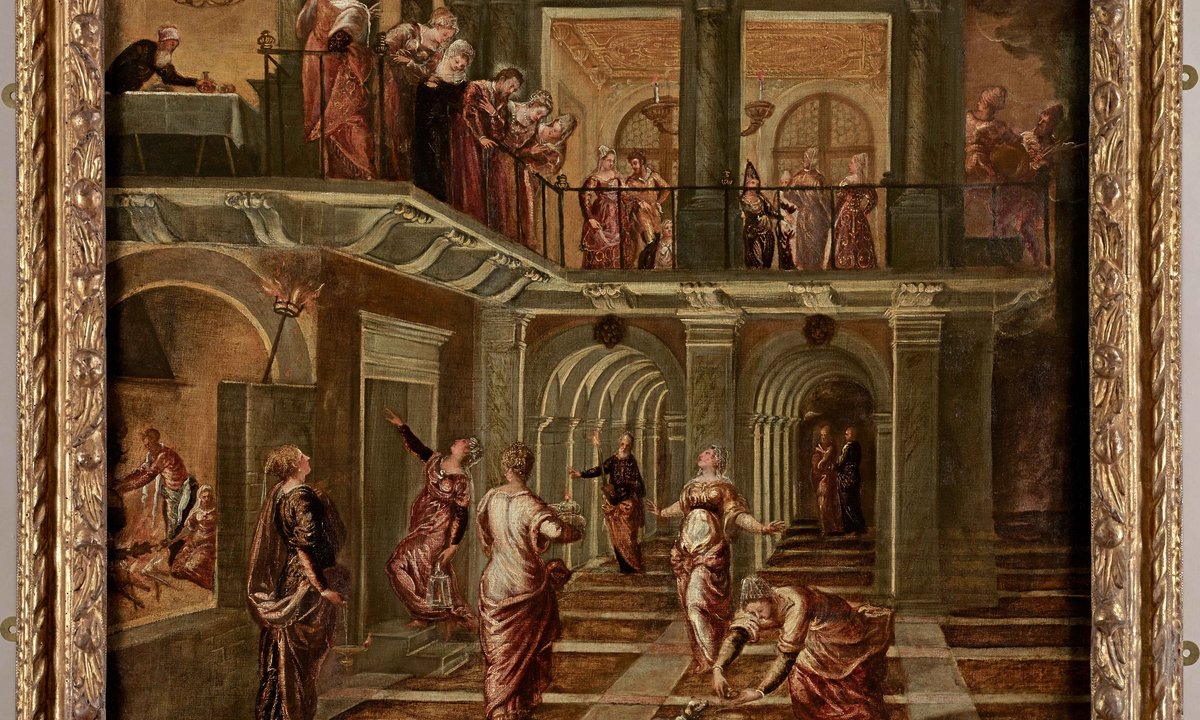
A two-year conservation project by the National Trust has uncovered significant compositional changes in Jacopo Tintoretto's painting *The Wise and Foolish Virgins* (around 1546), which returns to public display at Upton House in Warwickshire, UK on 28 April. X-ray imaging revealed a hidden stone balcony beneath the final architectural setting, matching a balcony in a related version at the Museum Boijmans Van Beuningen in Rotterdam. Infrared scanning and paint analysis also showed that Tintoretto removed criss-cross elements and a balcony section, replacing them with a servant laying a table, while previous restorers had misinterpreted these pentimenti as part of the intended composition.