filter_list Showing 8 results for "Somalia Pavilion" close Clear
dashboard All 8 article news 4museum exhibitions 3rate_review review 1
date_range Range Today This Week This Month All
Subscribe

Venice Biennale Controversies Continue, French Parliament Report Finds Flaws in Museum Security, and More: Morning Links for May 13, 2026

Iran has denied withdrawing from the Venice Biennale, with Mahdizadeh Tehrani, general director of visual arts at Iran's Ministry of Culture, stating the country still hopes to participate despite Biennale organizers announcing Iran would not be represented at its pavilion. Meanwhile, the Somalia Pavilion has sparked controversy, with the Somali Arts Foundation alleging it was led by diaspora figures and European collaborators without meaningful consultation of artists based in Somalia, and the queer collective Warbixinta Cidda demanding the removal of an Italian co-curator due to Italy's colonial history. Separately, a French parliamentary inquiry has exposed major security flaws in the country's museums, following the theft of France's crown jewels from the Louvre in October, calling for reforms in security resources and museum leadership appointments.
Review: The Good, The Bad and The Venice Biennale

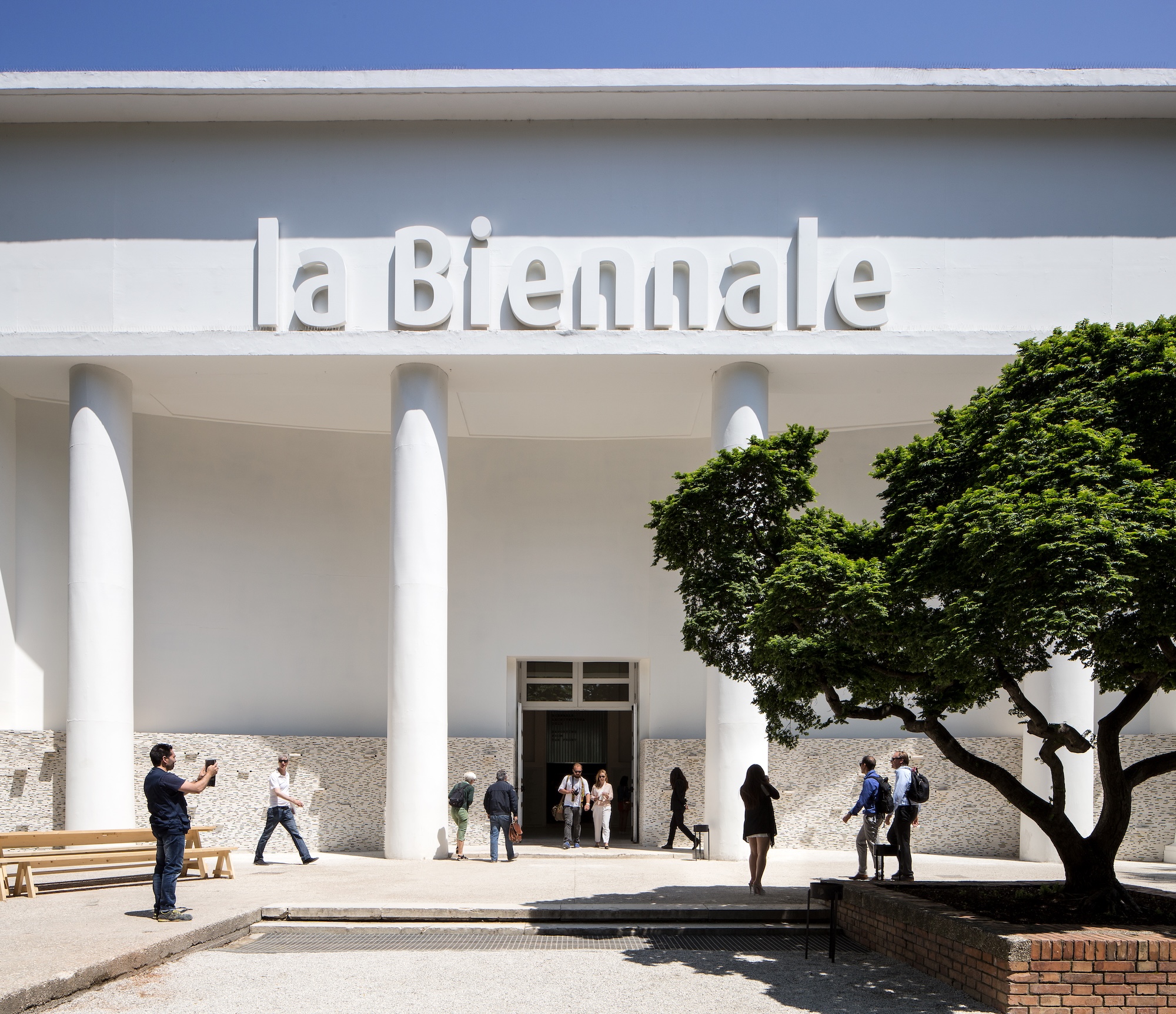
The article reviews the 2024 Venice Biennale, focusing on controversies over Russia's and Israel's participation. Protests erupted during opening week, leading the EU to cut funding and the International Jury to resign. As a result, awards like the Golden Lion and Silver Lion will be decided by public vote, with many pavilions and artists withdrawing in protest. The main exhibition, curated under the theme 'Minor Keys,' features standout works by Alfredo Jaar and Carrie Schneider, alongside national pavilions like Austria's provocative entry by Florentina Holzinger.

Ayan Farah and Asmaa Jama on Representing Somalia at the 61st Venice Biennale

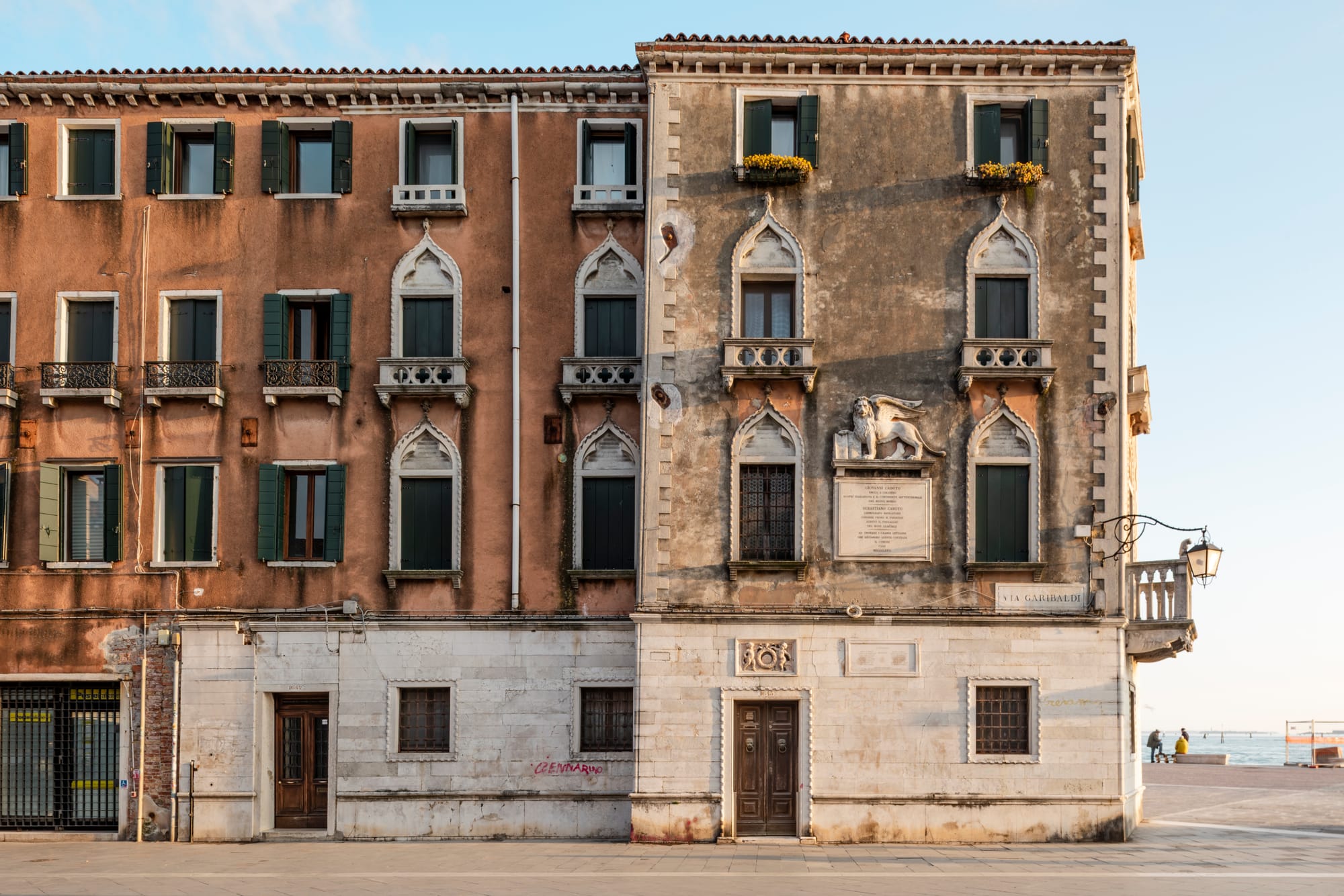
Ayan Farah and Asmaa Jama, two of the three artists representing Somalia at the 61st Venice Biennale (2026), discuss their plans for the national pavilion in an interview with ArtReview. Farah will present an installation of large-scale embroidered landscape paintings using clay pigment sourced from Somalia and shell-derived pigment from Scotland, alongside silk paintings exploring time and nature. Jama will focus on the Somali poetry form saddexleey, creating a sensorial experience through moving image, installation, and visual artworks that draw on magical realism and cinematic surrealism. The pavilion is located in the Palazzo Caboto, and the third representative is poet Warsan Shire.

Somali Artists Take Issue With Nation's First-Ever Venice Biennale Pavilion

Somalia's first-ever national pavilion at the 61st Venice Biennale has sparked controversy, with local cultural organizations accusing organizers of excluding Somalia-based artists. The pavilion, titled SADDEXLEEY, features only diaspora artists—Somali-Swedish painter Ayan Farfah, Somali-Danish poet Asmaa Jama, and Somali-British poet Warsan Shire—while the Somalia Arts Foundation (SAF) and queer collective Warbixinta Cidda have denounced the appointment of Italian co-curator Fabio Scrivanti, citing colonial tensions. SAF founder Sagal Ali and others allege that artists in Somalia were not meaningfully consulted, and that organizers used intimidation tactics against critics. The pavilion's organizers claim it includes Mogadishu-based painter 4C and will host accompanying events, but details remain unconfirmed.

Somali artists and culture workers express concern over Somalia Pavilion in Venice

Somali artists, cultural workers, and organizations have published multiple open letters and statements expressing concern over the Somalia Pavilion at the Venice Biennale. The pavilion, announced in March for the 2026 edition, is titled 'SADDEXLEEY' and features Somali-Swedish artist Ayan Farah, Somali-Danish poet and filmmaker Asmaa Jama, and Somali-British writer Warsan Shire, curated by Stockholm-based Mohamed Mire and Italian project manager Fabio Scrivanti. Critics, including the Somali Arts Foundation and the queer collective Warbixinta Cidda, allege that the pavilion was organized without meaningful consultation of artists and organizations based in Somalia, and object to the appointment of an Italian co-curator given Italy's colonial history in Somalia. An anonymous open letter further alleges intimidation and coercive pressure against critics, and demands Scrivanti's removal, calling for a boycott if demands are not met.

Somali Cultural Organizations Unhappy With Somalia Pavilion at the Venice Biennale

Somali artists and cultural organizations are protesting the Somalia pavilion at the 2024 Venice Biennale, arguing it excludes artists based in Somalia and relies on diaspora figures and an Italian co-curator, which they view as colonial. The Somali Arts Foundation issued a statement condemning the lack of consultation, while the queer arts collective Warbixinta Cidda criticized the appointment of Italian curator Fabio Scrivanti. Somali American poet Ladan Osman boycotted the pavilion, calling it "anti-indigenous."

In Minor Keys: The 61st Biennale di Arte Venezia Opens Under Koyo Kouoh (1967–2025).

The 61st Biennale di Arte Venezia opens under the posthumous curatorial vision of Koyo Kouoh (1967–2025), the late Cameroonian-born curator who reshaped contemporary African and diasporic art discourse. The central exhibition, spanning the Giardini and Arsenale, features 111 participants including artists, collectives, and artist-led organizations from across the Global South, with works in textiles, film, sculpture, and performance that interrogate colonialism, migration, and ecological repair. The Biennale is also marked by a pronounced presence of African and diasporic narratives across national pavilions, including several first-time pavilions from the African continent.

On the Somalia Pavillion

At the 2026 Venice Biennale, Somalia has established its first-ever national pavilion, commissioned by the Somali government to showcase the richness of Somali culture through the theme of Saddaxleey, a triadic form of Somali poetry and proverbs. The pavilion features works by Somali Swedish artist Ayan Farah, UK-based Somali Danish multidisciplinary artist Asmaa Jama, and Somali British poet Warsan Shire. However, a collective of queer Somali artists, curators, and culture workers called Warbixinta Cidda has publicly criticized the pavilion for overrepresenting the diaspora, selecting an all-male advisory board, and appointing an Italian co-curator instead of Somali curators, raising concerns about representation and neocolonialism.