filter_list Showing 4 results for "Tapestry" close Clear
dashboard All 4 article culture 2museum exhibitions 1article local 1
date_range Range Today This Week This Month All
Subscribe

La grande fiera TEFAF si tiene a New York da 10 anni. Come sarà l’edizione 2026?

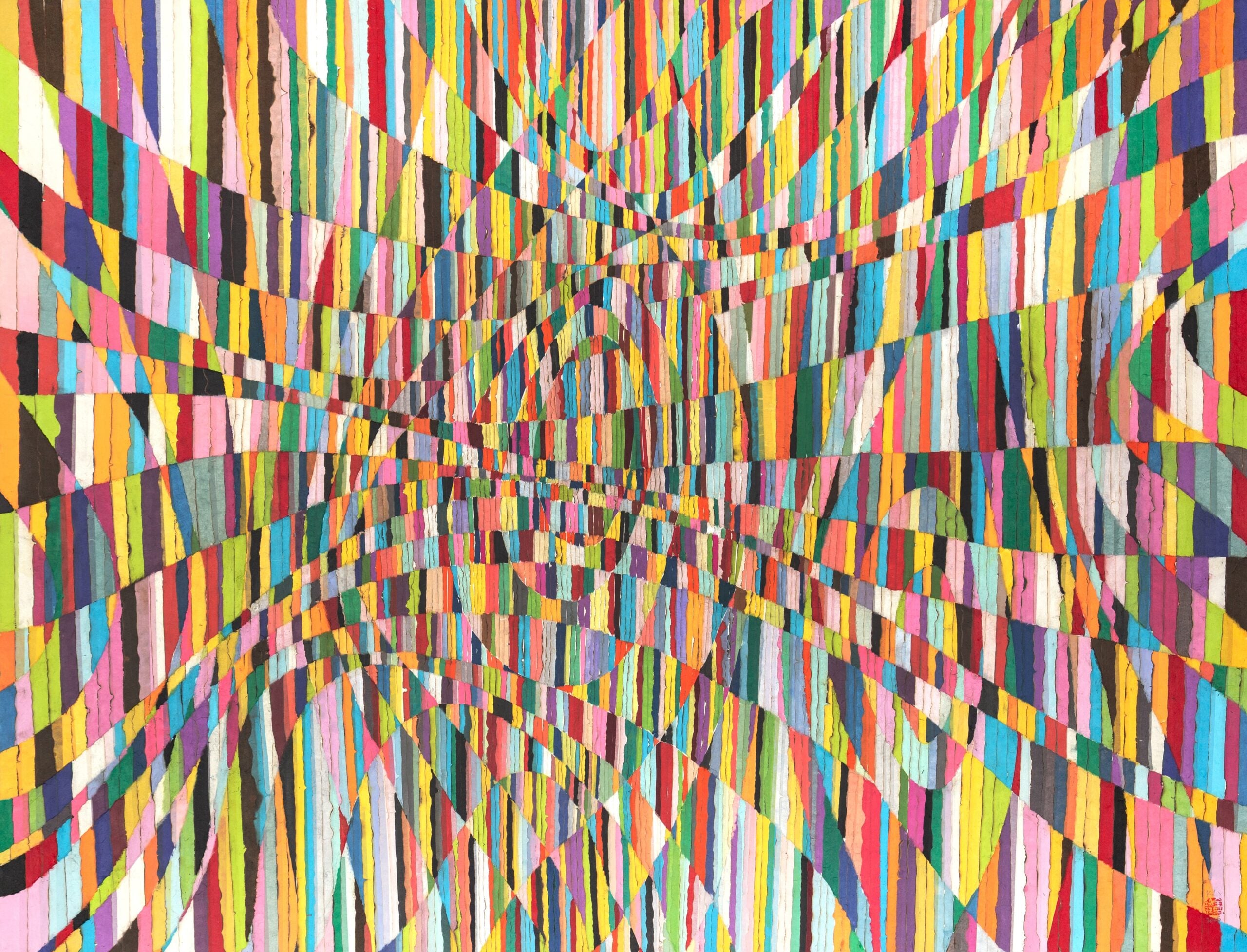
TEFAF New York returns to the Park Avenue Armory from May 15–19, 2026 (with a collector preview on May 14), marking the fair's tenth anniversary. The 2026 edition will host 88 top international galleries from 15 countries across four continents, offering museum-quality selections of modern and contemporary art, jewelry, antiques, and design. Highlights include Andy Warhol's Mao (1973) at ML Fine Art, Cecily Brown's Functor Hideaway (2008) at Berggruen Gallery, and a 2026 work by Minjung Kim at Voena. The fair also extends into the Armory's historic period rooms, and the TEFAF Museum Restoration Fund will support the conservation of a Medici tapestry owned by the Minneapolis Institute of Art.
How the adoption of canvas in Venice changed the way artists painted

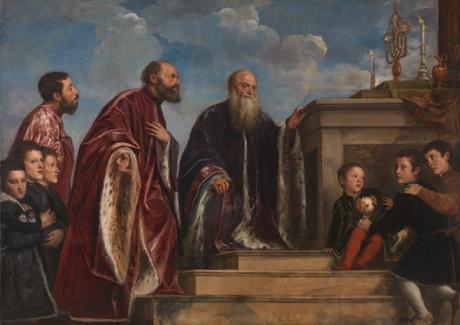
Art historian Cleo Nisse has published a new book, *Venetian Canvas and the Transformation of Painting*, examining how 16th-century Venetian painters such as Titian, Veronese, and Tintoretto pioneered the use of canvas as a painting support. Nisse reveals that canvas was not a uniform material—artists experimented with different weaves, including tabby and herringbone patterns, and even repurposed sailcloth and tablecloth-quality fabrics to achieve specific visual effects. The book argues that canvas was already familiar in the late Middle Ages for banners and alternatives to tapestry, and that Vittore Carpaccio was the first master of the medium, varying canvas types for expressive purposes in his *Legend of St Ursula* series.

Stitches in time: the artist chronicling the DRC’s blood-soaked history in tapestry

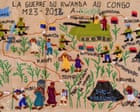
Lucie Kamusekera, an 82-year-old artist in Goma, Democratic Republic of the Congo, creates embroidered tapestries on tobacco sacks that chronicle the country's violent history. Born in 1944 and taught sewing by Italian nuns, she began documenting contemporary conflicts after witnessing a military truck filled with corpses. Her more than 70 works depict events from the colonial Belgian Congo era to the 1961 assassination of Patrice Lumumba and the second Congo war, as well as personal tragedies including her husband's murder by rebels. Despite ongoing danger from rebel offensives, she continues to stitch from her home studio, training her children and great-granddaughter to carry on her work.

"For me, art is less about the finished piece and more about the journey"

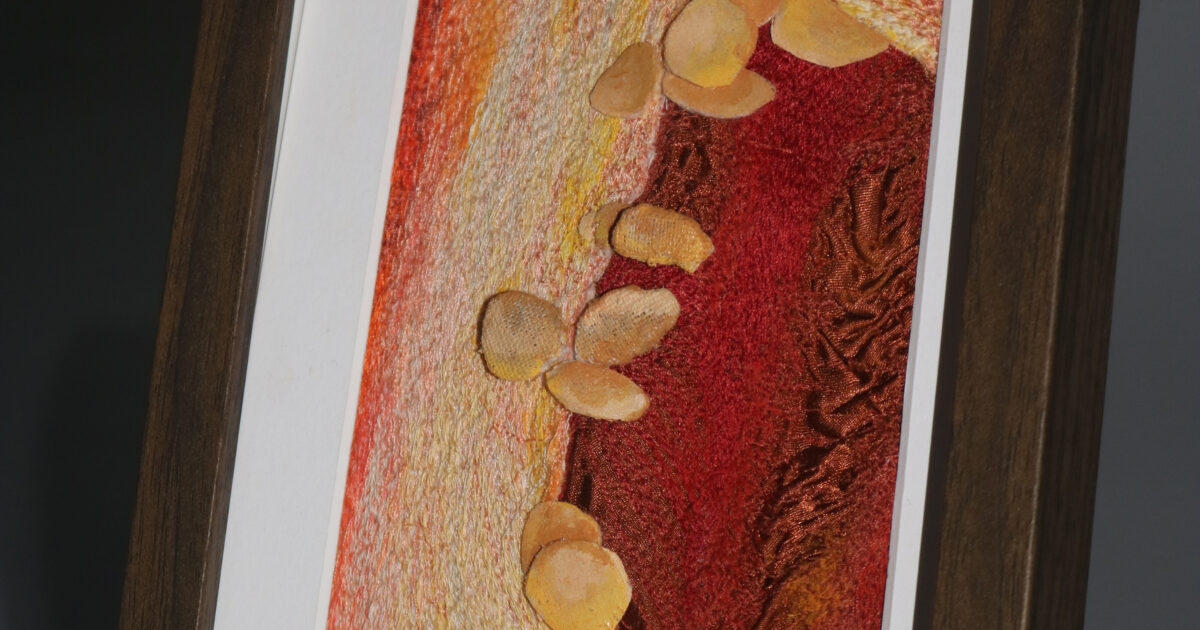
Rotherham-born, Sheffield-based textile artist Jodie Cooper, who specializes in free-motion embroidery, discusses her journey from completing a degree in Fine and Applied Arts at University Centre Rotherham to becoming a full-time artist. She was commissioned by ArtWorks Together International and East Midlands Railway to create a tactile tapestry installation at Sheffield Train Station, running until 15 June, which explores themes of travel anxiety, neurodiversity, and accessibility. Cooper also shares her work through ArtWorks Together International Festival at Millennium Gallery and local art markets.