filter_list Showing 12 results for "The Shift" close Clear
dashboard All 12 museum exhibitions 5article news 3article culture 2trending_up market 1rate_review review 1
date_range Range Today This Week This Month All
Subscribe

Ary Scheffer en 2 minutes

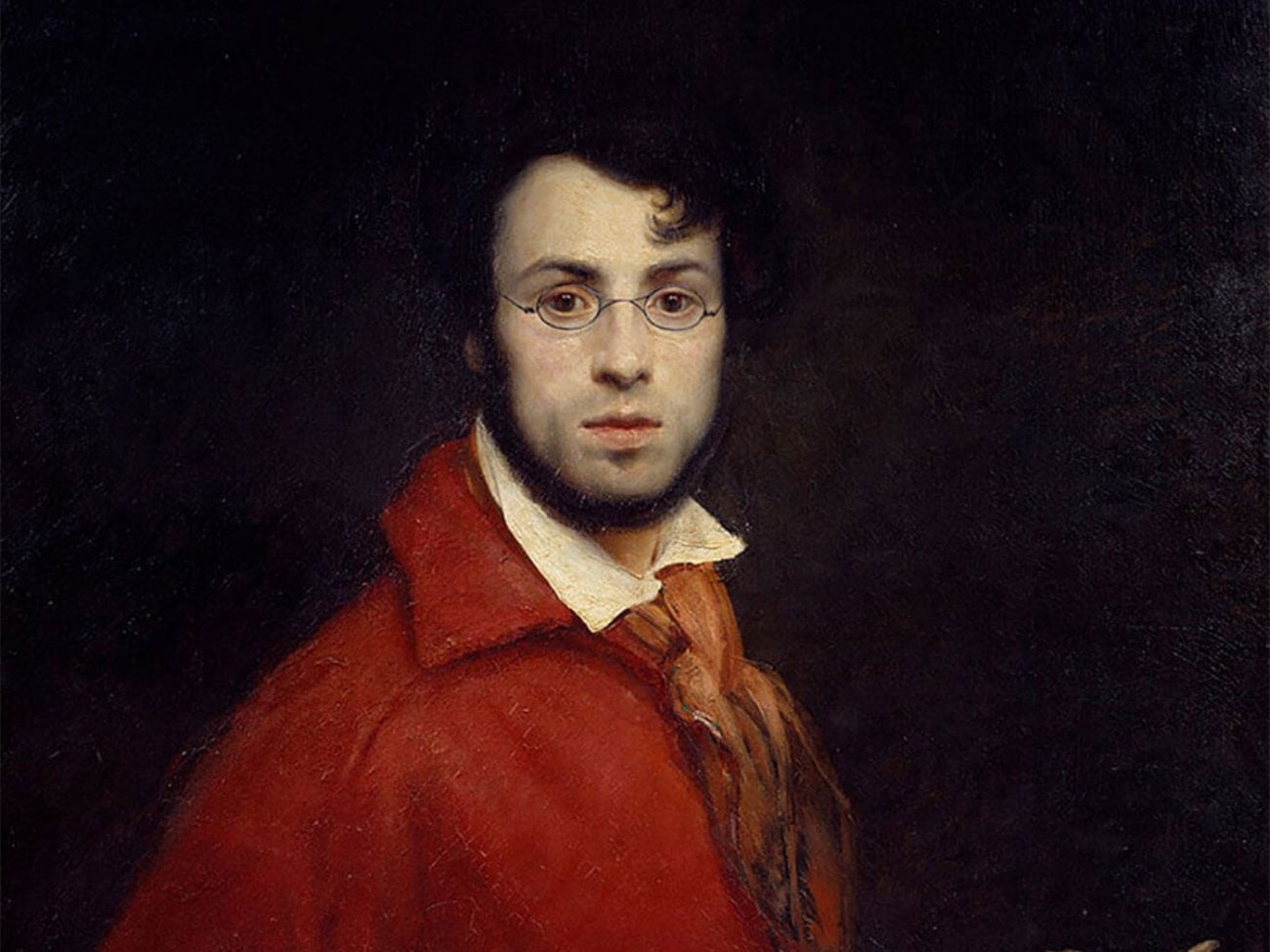
Ary Scheffer (1795–1858) was a Dutch-born Romantic painter who became a central figure in Parisian artistic and cultural life during the July Monarchy. He was the official portraitist of the Orléans family and created deeply melancholic, spiritual works inspired by Dante, Goethe, and the Gospels. His studio at 16 rue Chaptal, in the Nouvelle Athènes district, hosted legendary Friday gatherings attended by Chopin, Liszt, George Sand, and Dickens, and now houses the Musée de la Vie romantique. Key works include *Le Dévouement patriotique des six Bourgeois de Calais* (1819) and *Les Femmes souliotes* (1827), both acquired by the French state.
New York art world spared worst of logistics woes

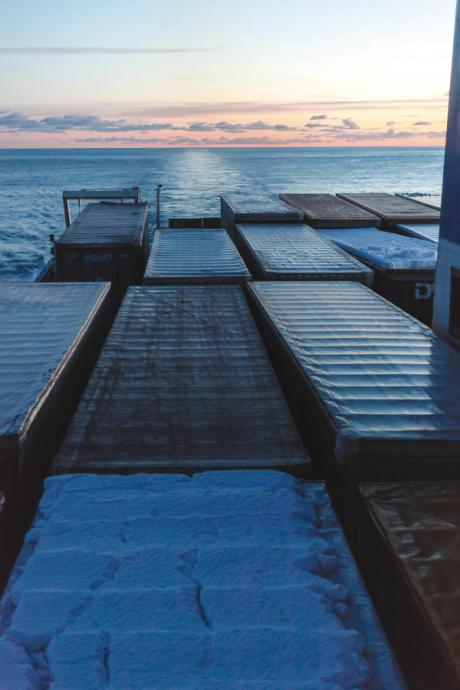
New York's spring art fairs—including Frieze, Tefaf, Independent, and Nada—are proceeding largely on schedule despite ongoing disruptions from the war in Iran. Airspace closures, reduced flights, rising fuel costs, and the closure of the Strait of Hormuz have strained global art logistics, forcing rerouting, last-minute cancellations, and cost increases of up to 2,500%. Logistics firms like Hasenkamp and Gander & White report that while shipments are still arriving, the system has become fragile, with clients prioritizing safety and resilience over speed.

Review: The Good, The Bad and The Venice Biennale

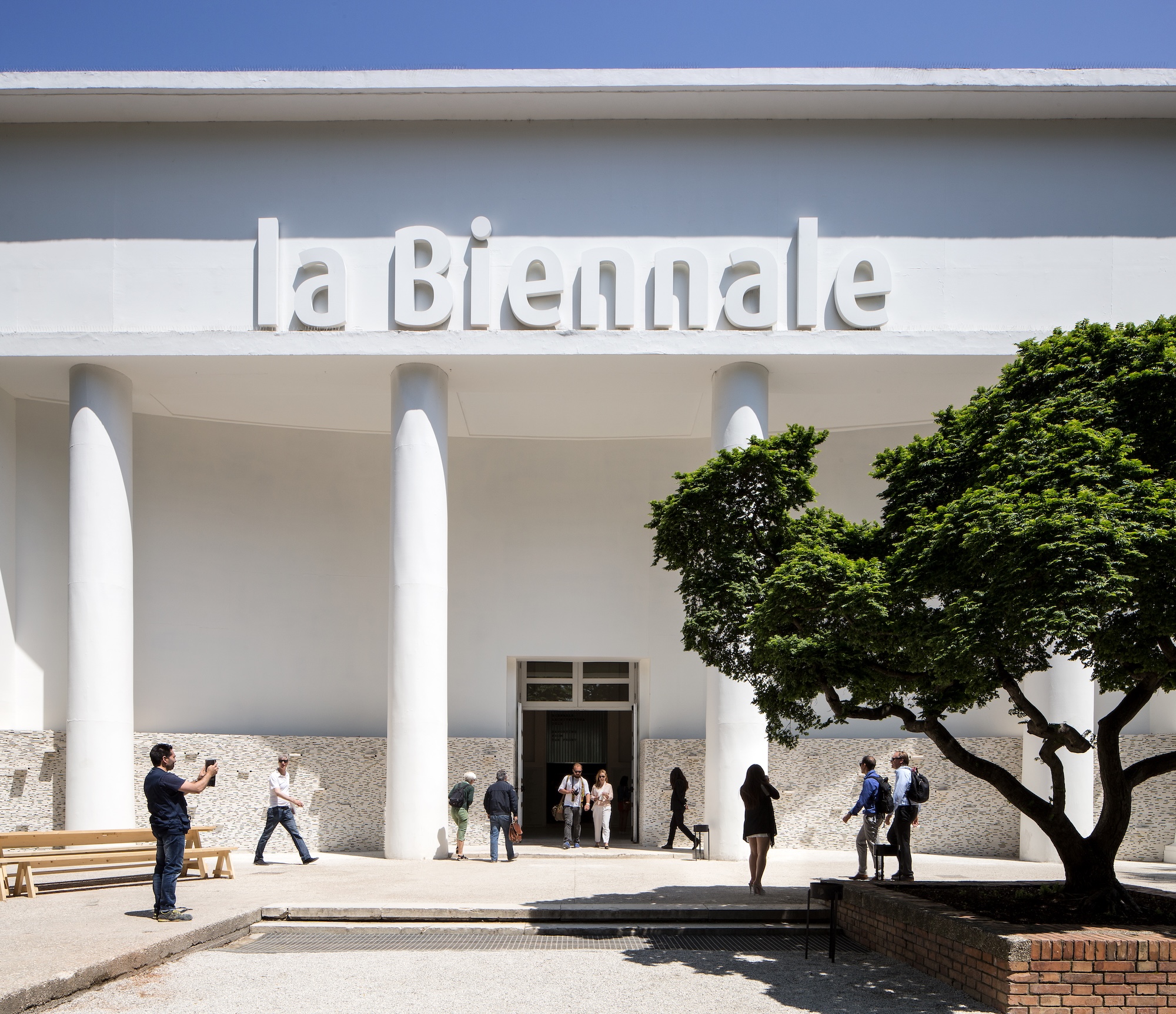
The article reviews the 2024 Venice Biennale, focusing on controversies over Russia's and Israel's participation. Protests erupted during opening week, leading the EU to cut funding and the International Jury to resign. As a result, awards like the Golden Lion and Silver Lion will be decided by public vote, with many pavilions and artists withdrawing in protest. The main exhibition, curated under the theme 'Minor Keys,' features standout works by Alfredo Jaar and Carrie Schneider, alongside national pavilions like Austria's provocative entry by Florentina Holzinger.

The best and worst we saw at the Venice Art Biennale 2026. Artribune's hits and flops

Il meglio e il peggio che abbiamo visto alla Biennale d’Arte di Venezia 2026. Top e flop di Artribune

The 61st Venice Biennale, titled "In Minor Keys" and directed by Koyo Kouoh, opened amid significant turmoil: the death of a newly appointed curator, diplomatic tensions over the presence of Russia and Israel, political protests, and the unprecedented collective resignation of the jury, which led to the Golden Lions being awarded by public vote for the first time. Despite this chaotic backdrop, the exhibition—featuring a record 100 national pavilions—has been widely praised for avoiding moralistic pedagogy and instead embracing visual seduction, formal quality, and sensory joy while addressing themes of identity, memory, colonialism, ecological crisis, and violence. The article highlights top and flop moments from the opening week, including strong showings by Biennale president Pietrangelo Buttafuoco and a standout exhibition at Fondazione Prada.

Israeli Pavilion artist issued legal warnings before Biennale jury resignation

Belu-Simion Fainaru, the artist representing Israel at the 2026 Venice Biennale, issued legal warnings to the Biennale, the Italian Ministry of Culture, and the Italian Prime Minister’s office after the Golden Lion jury announced it would not consider pavilions from countries whose leaders are charged with crimes against humanity by the International Criminal Court, including Israel and Russia. Fainaru’s legal threats cited alleged antisemitism and nationality-based discrimination. Shortly after, the Biennale jury resigned, prompting organizers to postpone the awards ceremony to the closing day and replace the Golden and Silver Lions with two 'Visitors’ Lions' voted on by attendees, with all national participations eligible.

Comment | Flourishing markets beyond the big three will benefit the art ecosystem—and the planet

The article analyzes the shifting dynamics of the global art market, reporting that regions outside the traditional 'big three' hubs of the US, UK, and China have increased their market share from 17% in 2015 to 24% in 2025. This shift is driven by nationally protective regulations like Brexit and tariffs, which have stifled the free circulation of contemporary art. While the US market remains dominant at 44%, countries such as South Korea, Switzerland, Japan, and Australia have seen growth, and emerging cultural energy is noted in places like Bangkok, Warsaw, Margate, and Qatar.

Drained, Drowning, and Decay: The Best National Pavilions at the Venice Biennale

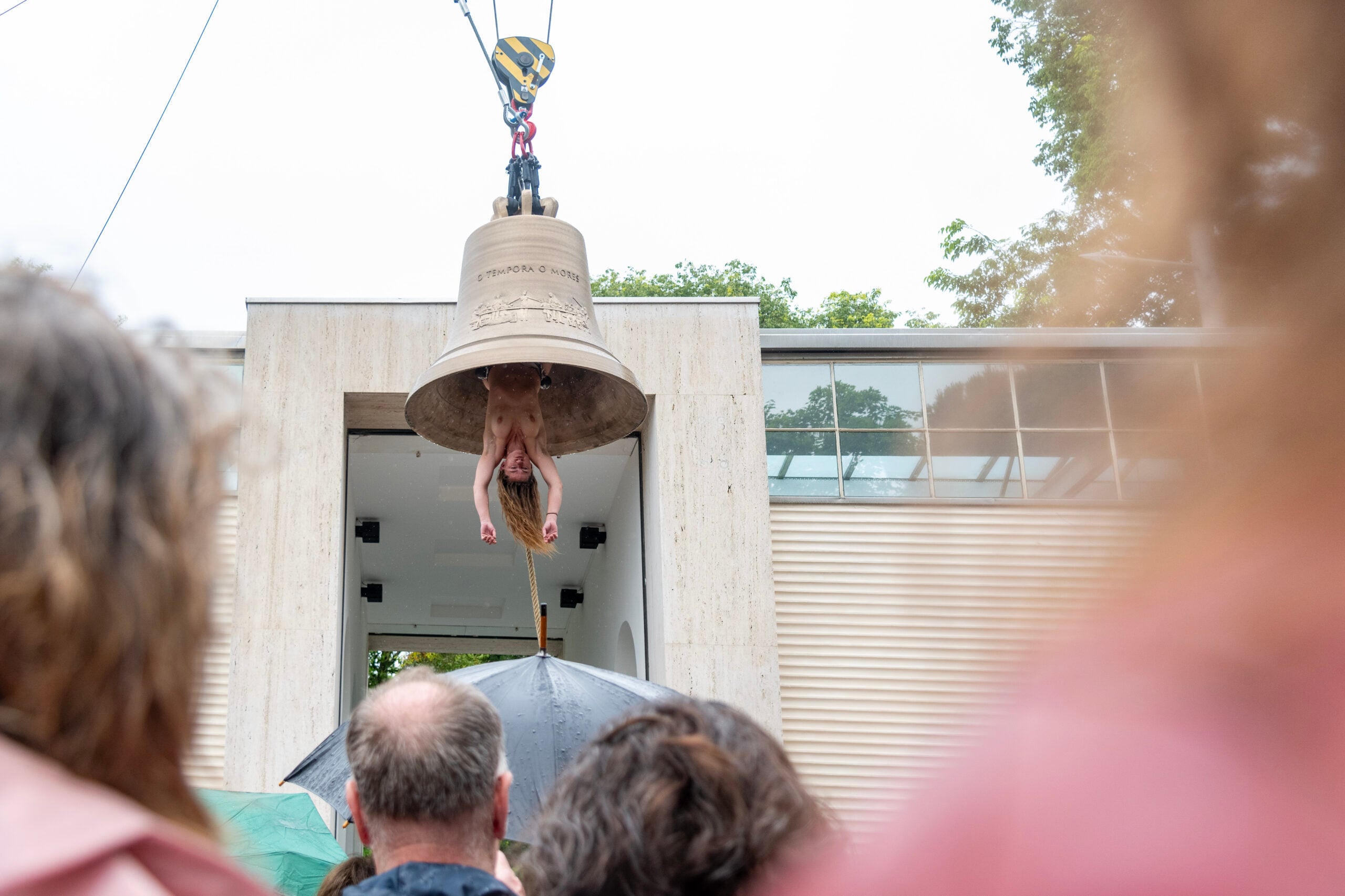
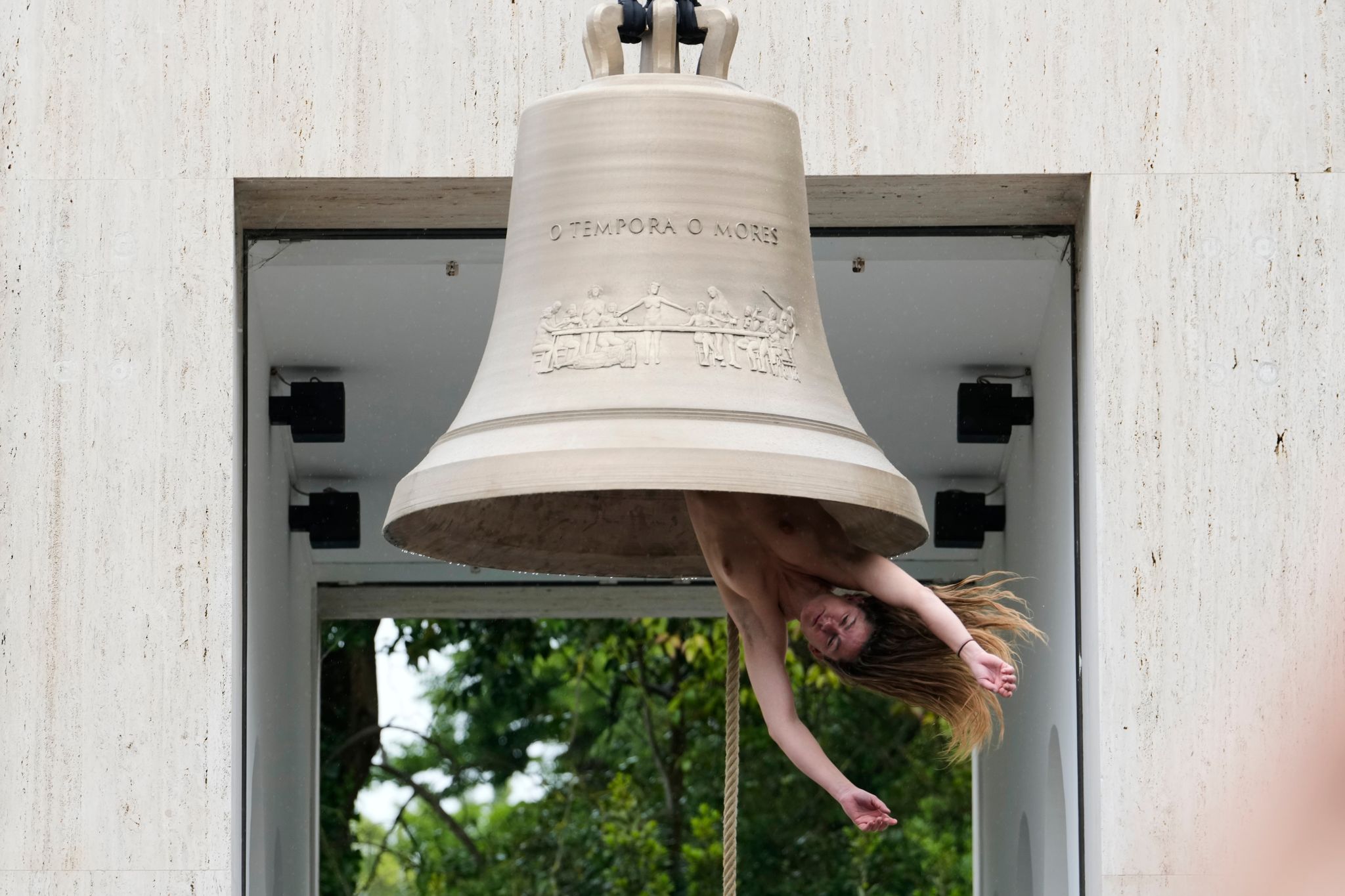
The 2026 Venice Biennale is defined by themes of ruin and decay, with standout national pavilions exploring bodily, infrastructural, and archaeological collapse. The Slovenian Pavilion features the Nonument Group repurposing materials from past Biennales into a ruin of a mosque for Bosnian Muslim soldiers from World War I. Syria presents its first national pavilion since the Civil War, with Sara Shamma invoking Palmyra, destroyed by ISIS. Germany's pavilion, titled "Ruin," features works by Henrike Naumann (who died in February) and Sung Tieu, questioning the pavilion's fascist architecture and nationalist residue. The Austrian Pavilion, curated by Florentina Holzinger, offers a visceral performance titled "Sea World." The Biennale is also marked by the abrupt resignation of its five-member jury, who refused to consider nations charged with crimes against humanity, leading to awards being chosen by public vote. Additionally, the main exhibition "In Minor Keys" was affected by the death of its curator, Koyo Kouoh.

Political Fallout Rocks Venice Biennale Prize System

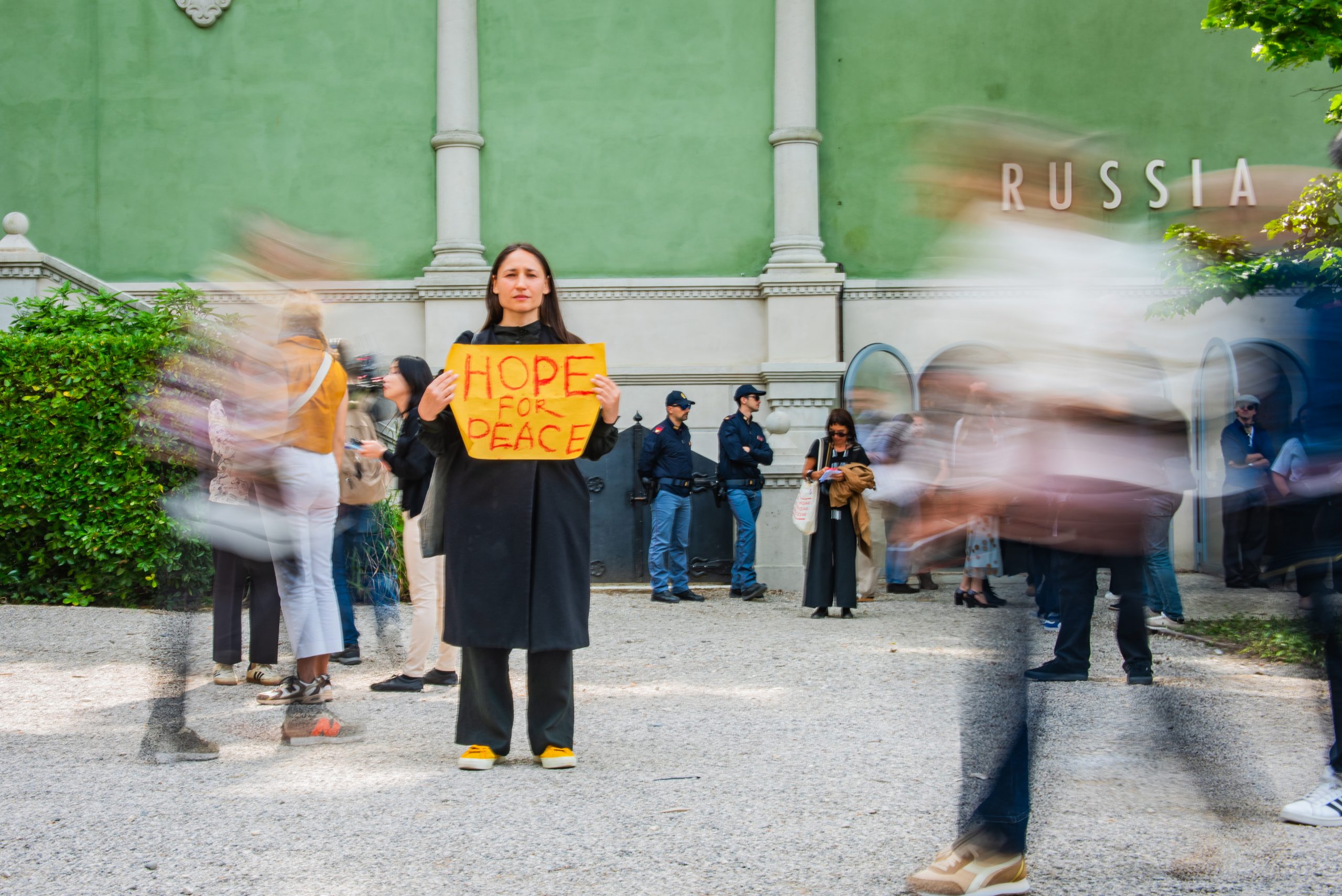
Dozens of artists participating in the 2026 Venice Biennale have withdrawn from consideration for the newly created Visitor Lion awards, replacing the traditional Gold and Silver Lion prizes. A total of 57 artists from the main exhibition and 22 national pavilions signed a statement published on e-flux on May 9, acting in solidarity with the five-person prize jury that resigned on April 30 over the continued participation of Russia and Israel. The jury had objected to awarding prizes to artists from countries whose leaders face International Criminal Court charges, including Russian president Vladimir Putin and Israeli prime minister Benjamin Netanyahu. In response, the Biennale organizers postponed the awards ceremony to November 22 and introduced visitor voting, a move they described as consistent with openness and dialogue. Meanwhile, the Russian Pavilion, which returned after lending its space to Bolivia in 2024, faced protests, closure after previews, and a €2 million funding pull by the European Union for the 2028 Biennale.

The 10 best pavilions to see at the 2026 Venice Art Biennale. Artribune's top ten

I 10 migliori padiglioni da vedere alla Biennale d’Arte di Venezia 2026. La top ten di Artribune

Artribune presents its top ten must-see national pavilions at the 2026 Venice Biennale, which features a record 100 participating countries. The article highlights standout projects including Greece's escape room by Andreas Angelidakis critiquing nationalist populism, Belgium's participatory dance installation by Miet Warloop, and Canada's greenhouse-like pavilion by Abbas Akhavan exploring colonial botany. The Biennale, curated by Koyo Kouoh under the theme "In Minor Keys," is marked by last-minute jury resignations leading to public voting for the Golden Lions, as well as protests over the participation of Russia and Israel.

Belfast’s murals are an open-air gallery of history and art

Belfast's murals, long used as tools of political expression and territorial marking during the Troubles, are gradually changing. Research shows that three-quarters of the most intimidatory murals in the loyalist Shankill area have disappeared since 1998. Newer murals commemorate figures like Queen Elizabeth II and King Charles III, while non-sectarian artistic murals—including tributes to murdered journalist Lyra McKee—are appearing across the city. However, some paramilitary-linked murals persist, and a 2024 incident saw a wall in north Belfast rebuilt and its threatening imagery repainted, reflecting ongoing tensions and the complex politics of 'conflict transformation' funding.

Venice Biennale opens without a jury amid strife over Russian and Israeli participation

The Venice Biennale, one of the world's most prestigious contemporary art exhibitions, opens its most contested edition in memory without a jury after the jury resigned in protest over the participation of Israel and Russia, both under investigation by the International Criminal Court for human rights abuses. Protests have erupted outside the Israeli and Russian pavilions, with demonstrators clashing with police, while feminist groups from Ukraine and Russia converged on the Russian Pavilion and Palestinians remembered artists killed in Gaza. The Biennale has replaced the jury with a public vote via email, with winners announced at the close on November 22.

'Optical debris': Be transported to a world of light and shadows at unique art exhibit

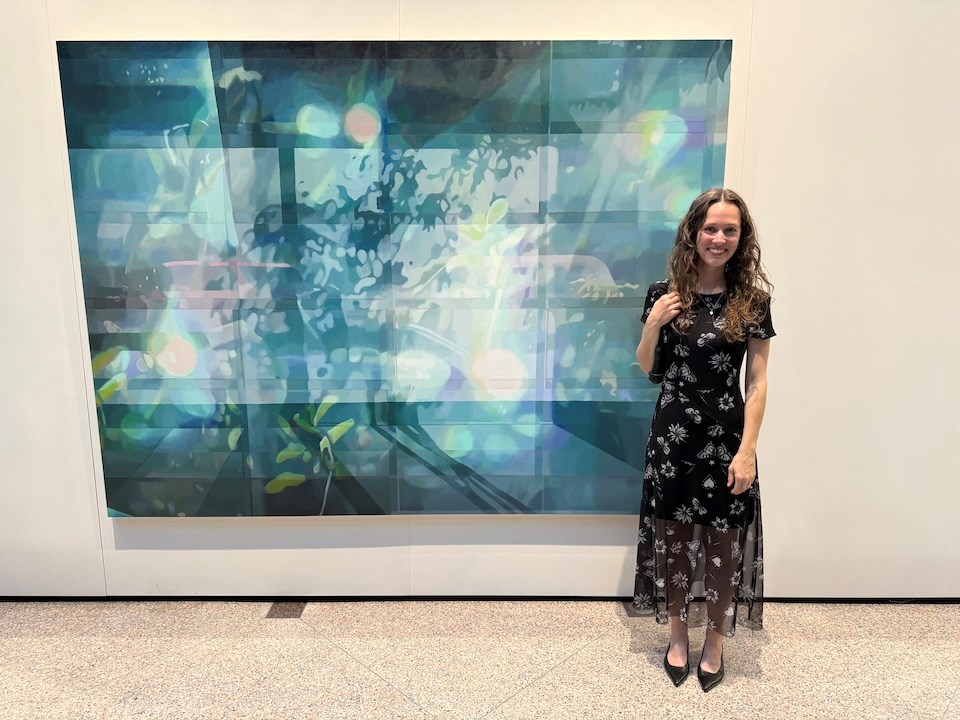
Two Vancouver-based artists, Emilie Fantuz and Gillian Richards, are showcasing their work in a joint exhibition titled "Liminal City" at the Pendulum Gallery in downtown Vancouver. The show explores the effects of light and shadow in painting, with Fantuz focusing on what she calls "optical debris"—bursts of light and shadows that fracture contemporary vision—while Richards highlights transitional urban spaces and functional architecture, elevating overlooked everyday scenes. Fantuz, who is completing her MFA at Emily Carr University, has shifted from detailed neighborhood paintings to abstract studies of light and perception, often filtered through windows and screens. Richards, a former scenic artist in the film industry, uses photography as a starting point to capture intimate views of utilitarian structures.