
filter_list Showing 3 results for "The Turn" close Clear
dashboard All 3 article news 2museum exhibitions 1
date_range Range Today This Week This Month All
Subscribe

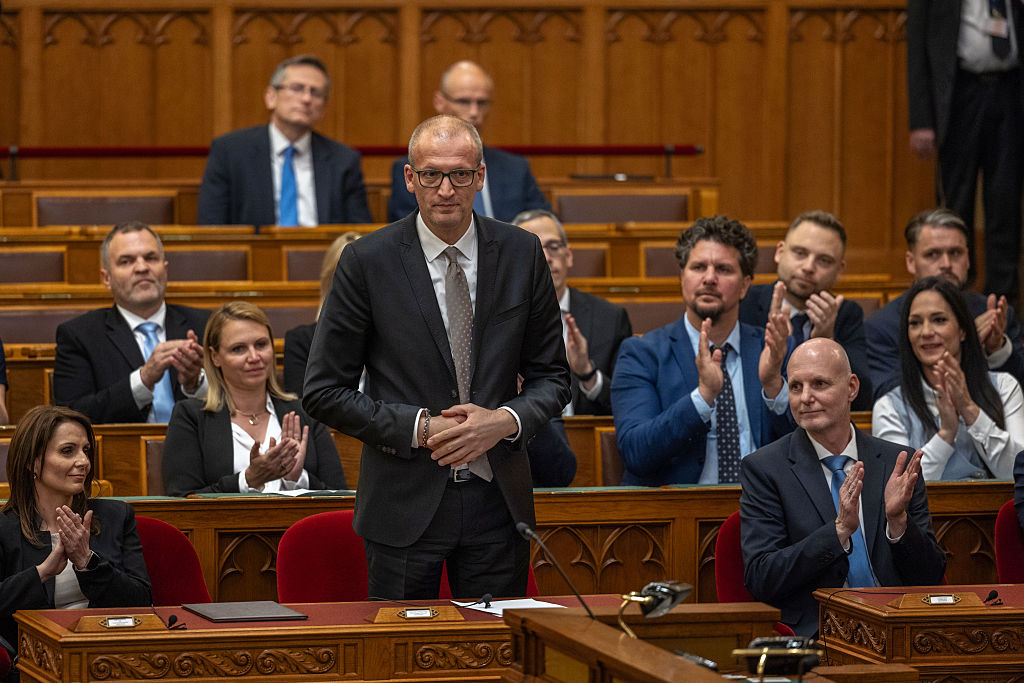
Hungary’s New Minister of Culture Vows to Restore Artistic Freedom, Turner’s Famous ‘Self-Portrait’ Called Into Doubt, and More: Morning Links for May 14, 2026

An expert claims that the iconic self-portrait of J.M.W. Turner, which hangs in Tate Britain and appears on British £20 notes, was not actually painted by Turner. James Hamilton, a Turner scholar, argues the work was misattributed when it entered the Turner Bequest and may instead be by Turner contemporary John Opie. Meanwhile, Hungary’s new Minister of Culture, Zoltán Tarr, vows to restore artistic freedom and dismantle political control over cultural institutions following the election of Prime Minister Peter Magyar. The Trump administration is proceeding with construction of a contested Triumphal Arch and a White House ballroom, and a former Louvre employee has been charged in a ticket fraud scandal.
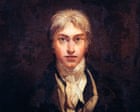
Most famous image of JMW Turner not a self-portrait, says expert

Dr James Hamilton, a leading Turner expert, has claimed that the most famous portrait of JMW Turner—long believed to be a self-portrait and featured on the UK £20 banknote—is actually by the painter John Opie. Hamilton argues that the work, dated around 1799, was mistakenly included in the Turner Bequest after the artist's death in 1851, when his studio was in disarray and the attribution was never properly verified. He points to stylistic evidence, including Opie's characteristic use of dramatic light and shadow, and calls on Tate Britain to reattribute the painting.

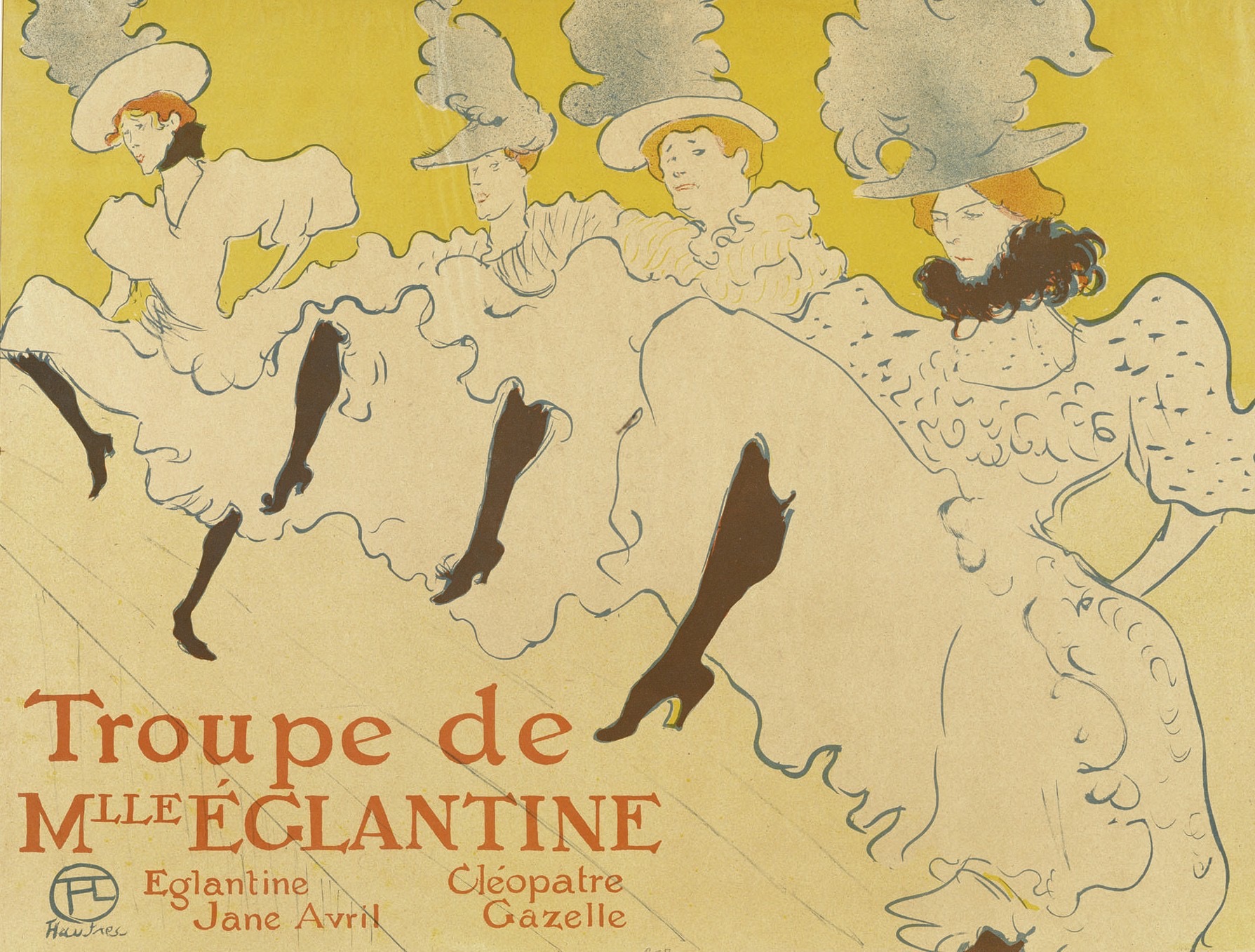
Grand Rapids Art Museum presents: ‘Decadent Spirit: French Art at the Turn of the Century’

The Grand Rapids Art Museum (GRAM) has announced its summer exhibition 'Decadent Spirit: French Art at the Turn of the Century,' on view from May 29 to September 6. Featuring over 130 works spanning 1880 to 1910, the show highlights artists such as Henri de Toulouse-Lautrec, Pierre Bonnard, Jules Chéret, Hector Guimard, and Théophile Alexandre Steinlen, alongside early film pioneers Auguste and Louis Lumière, Georges Méliès, and Alice Guy-Blaché. The exhibition includes works on paper, painting, sculpture, metalwork, interior and urban design, and early film, exploring the cafés, streets, theaters, and domestic scenes of fin-de-siècle Paris. It closes with an 1899 French motorcar, symbolizing the era's new mobility.