filter_list Showing 4 results for "Treasures of Tutankhamun" close Clear
search
dashboard All 4 museum exhibitions 3article news 1
date_range Range Today This Week This Month All
Subscribe

met conde m nast galleries costume institute art

The Metropolitan Museum of Art's Costume Institute announced its spring 2026 blockbuster exhibition, "Costume Art," which will explore the relationship between fashion and the dressed body across visual art history. Curator Andrew Bolton explained that the show aims to correct the long-held belief that fashion must be disembodied to be considered art. The exhibition will inaugurate the new 12,000-square-foot Condé M. Nast galleries and will pair historical and contemporary garments with paintings, drawings, and objects spanning 5,000 years from the Met's other curatorial departments.
king tuts iconic death mask was intended for someone else researchers say

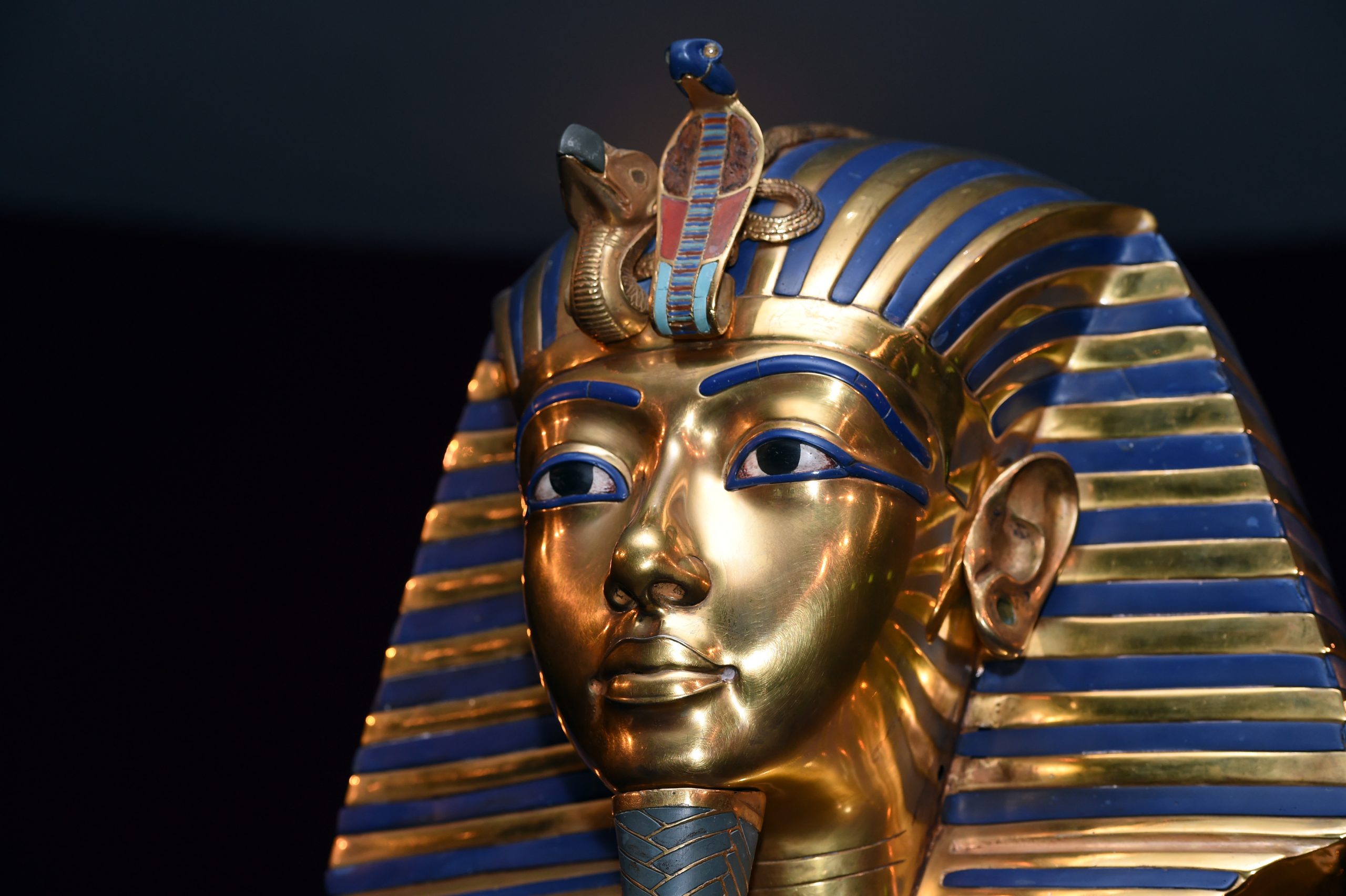
Researchers from the University of York have proposed that King Tutankhamun's iconic death mask, discovered in 1925 by Egyptologist Howard Carter, was not originally made for the young pharaoh. The theory, based on the mask's pierced ears—a feature typically found on female rulers and children—suggests it was intended for a regal female burial, possibly Queen Nefertiti. Analysis of the gold used on the face versus the rest of the mask indicates the face was added later, effectively grafted onto a pre-existing mask. This idea, first raised by British Egyptologist Nicholas Reeves in 2015, is supported by evidence that Tutankhamun's death at around age 19 was sudden, leading to a hurried burial with repurposed funerary objects.

The largest U.S. showcase of ancient Italy's fascinating Etruscan culture debuts at Legion of Honor.

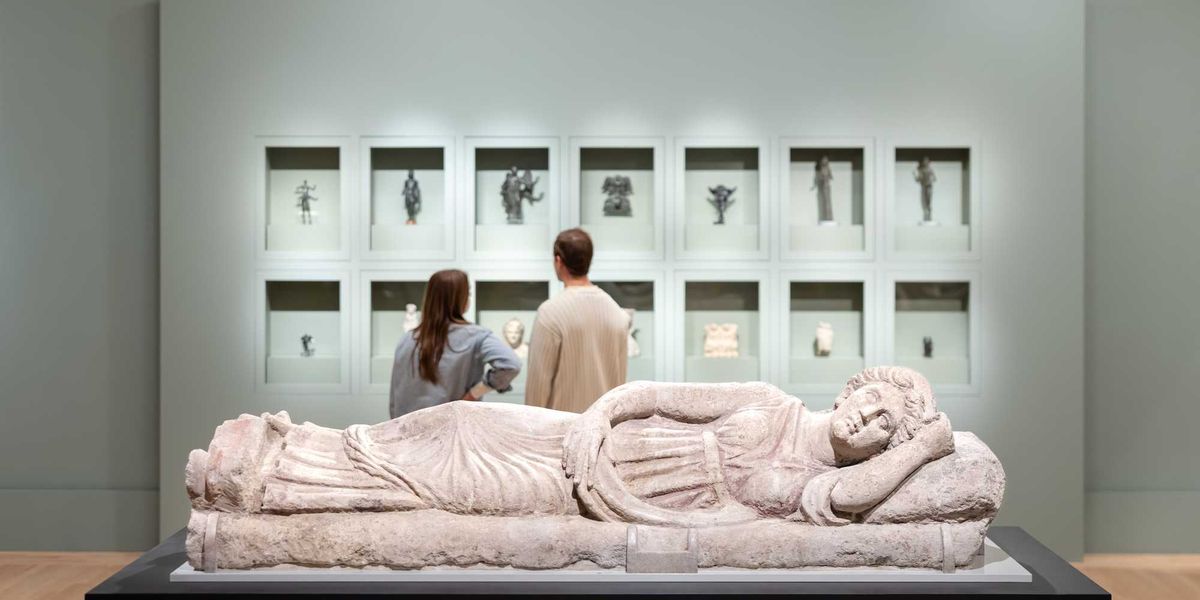
The Fine Arts Museums of San Francisco have opened "The Etruscans: From the Heart of Ancient Italy" at the Legion of Honor, the largest U.S. exhibition dedicated to the ancient Etruscan civilization. Curated by Renée Dreyfus, the show brings together approximately 150 objects borrowed from 28 institutions, including the Vatican, the British Museum, and the Metropolitan Museum of Art. It explores Etruscan engineering, architecture, art, and social customs, including the elevated status of women, and features highlights such as a granulated gold drinking bowl and the bronze Liver of Piacenza.

Straight-line storytelling: how will the British Museum display the Bayeux Tapestry?

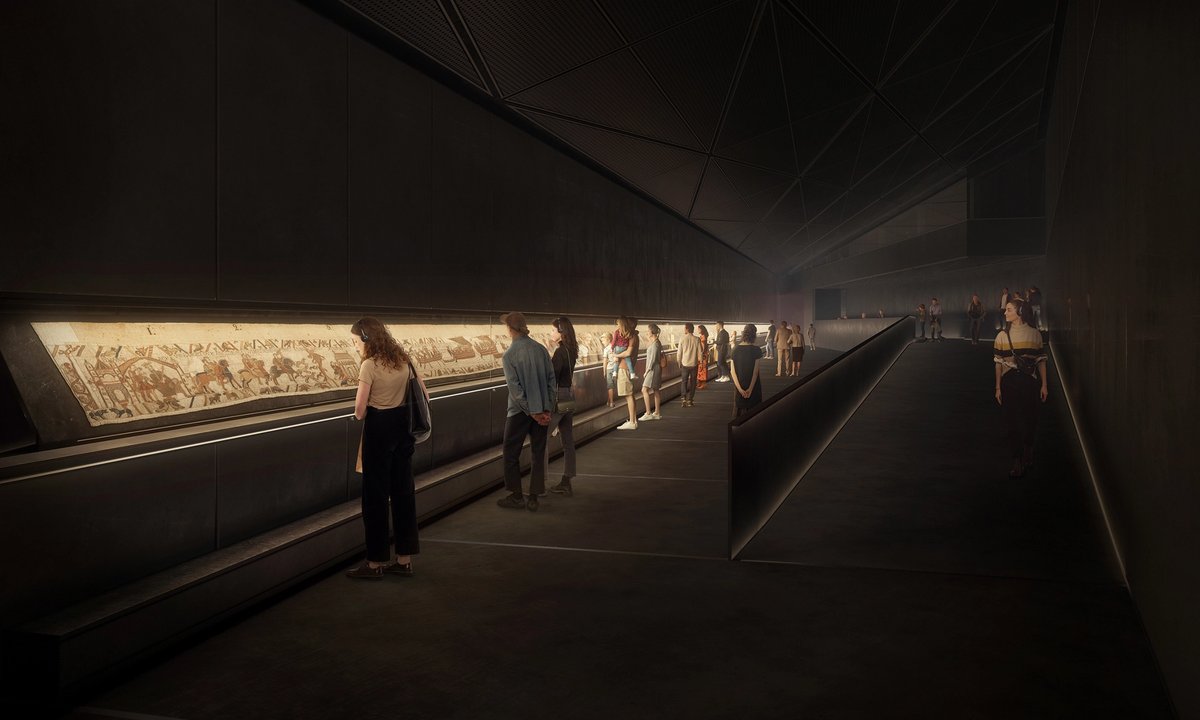
The British Museum (BM) is planning to display the Bayeux Tapestry from September 2026 to July 2027, following a loan agreement with the French government. The tapestry, owned by the French state, will return to England for the first time in nearly a thousand years after its dedicated museum in Bayeux closed for renovations. The BM's Sainsbury Exhibitions Gallery is long enough to accommodate the 70-meter embroidered strip in a single straight line, a key factor in securing the loan over other contenders like the Victoria and Albert Museum. Conservators will display the tapestry at a 60-degree angle with low lighting to minimize fading, and visitors will likely follow an audio-guided tour with 25 minutes to view the 58 scenes.