filter_list Showing 20 results for "UVI" close Clear
dashboard All 20 museum exhibitions 17article news 2person people 1
date_range Range Today This Week This Month All
Subscribe

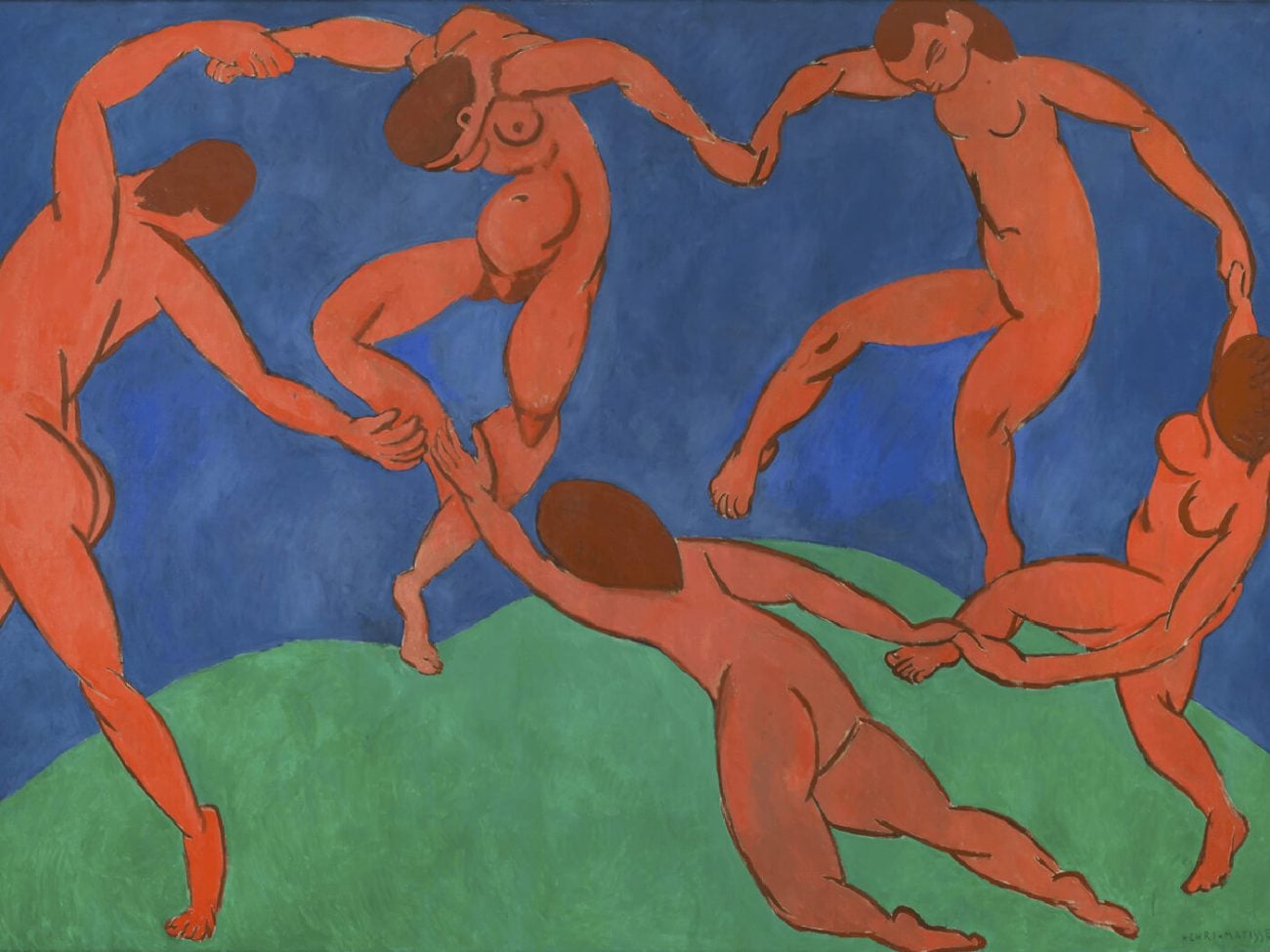
Everything you need to know about Henri Matisse, star of the Grand Palais this spring

Tout ce qu’il faut savoir sur Henri Matisse, star du Grand Palais ce printemps

The Grand Palais in Paris is hosting a major retrospective focusing on the final masterpieces of Henri Matisse, the pioneer of Fauvism. The exhibition highlights the artist's late-career reinvention between 1941 and 1954, featuring his innovative gouache cut-outs, illustrated books, and stained glass designs created while he was bedridden in Nice.
Gallery Openings This Week in Paris

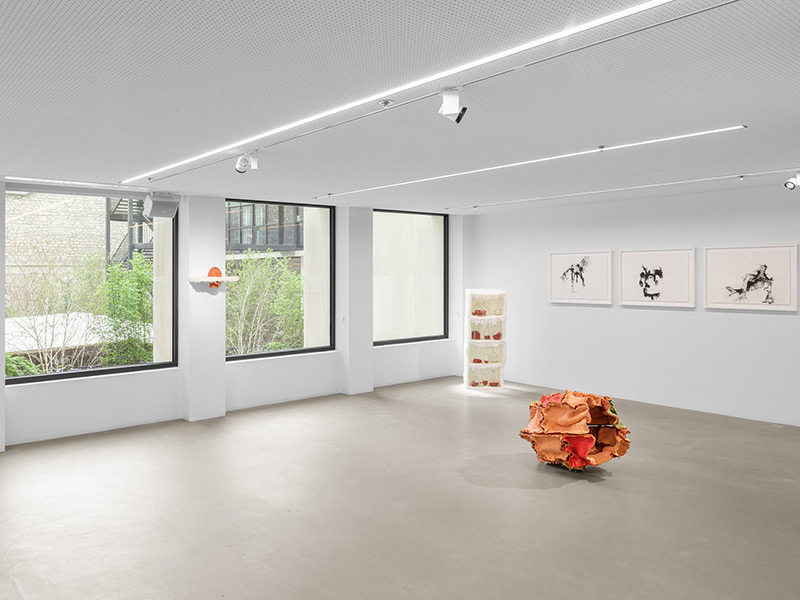
Les vernissages cette semaine dans les galeries parisiennes

The Paris gallery scene is experiencing a surge of new activity this week with several high-profile openings across the city's major art districts. Highlights include Rosson Crow’s vibrant, chaotic landscapes at Galerie Nathalie Obadia, the inauguration of Galerie Sator’s new Marais space with sculptures by Kokou Ferdinand Makouvia, and a curated dialogue between historical avant-gardes and contemporary abstraction at Galerie Le Minotaure. Additionally, Gagosian is showcasing late works by Francis Bacon, while Esther Schipper presents the first Paris solo exhibition for Sojourner Truth Parsons.

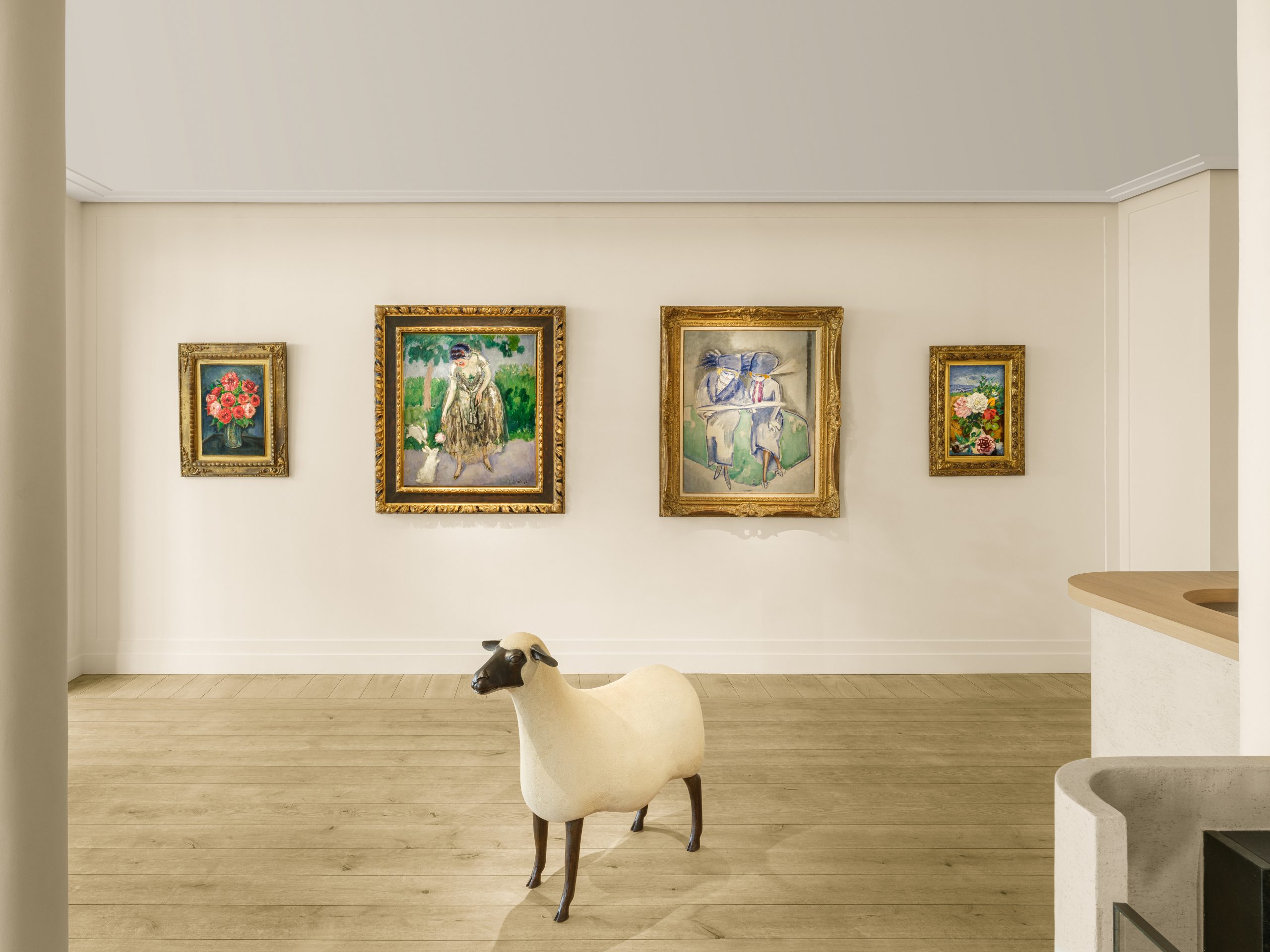
Revisiting One of Fauvism’s Wildest Painters

The Parisian gallery Helene Bailly Marcilhac is hosting a comprehensive monographic exhibition dedicated to the Dutch-French painter Kees van Dongen. The show traces the artist's career from his early days as a leading figure of the Fauvist movement through his later developments in portraiture, still life, and genre painting. Spanning several decades, the exhibition highlights Van Dongen's evolution from the "terrifying" bold colors of his youth to the more nuanced, expressive works of his later years, such as his 1950s floral studies and racing scenes.

5 Artists on Our Radar This April

Artsy has highlighted five emerging and established artists to watch this April, selected based on recent gallery representation, exhibition success, and market data. The list features Peruvian painter Sylvia Fernández, known for her meticulous and majestic depictions of the natural world, alongside four other artists who have made significant impacts through recent art fairs and new bodies of work.

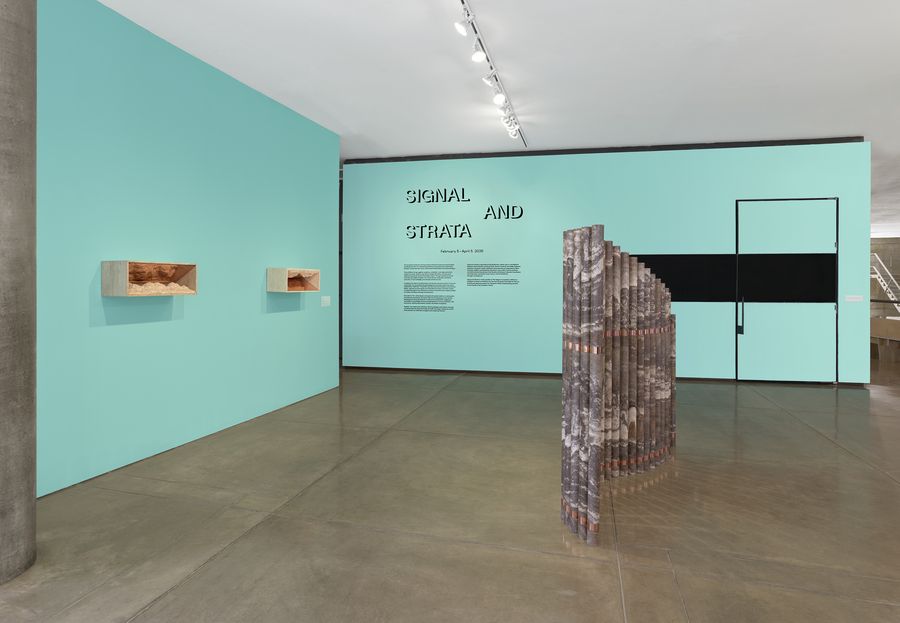
ELENA DAMIANI, XIMENA GARRIDO-LECCA AND ISHMAEL RANDALL-WEEKS: SIGNAL AND STRATA

ELENA DAMIANI, XIMENA GARRIDO-LECCA E ISHMAEL RANDALL-WEEKS: SIGNAL AND STRATA

An exhibition titled 'Signal and Strata' featuring Peruvian artists Elena Damiani, Ximena Garrido-Lecca, and Ishmael Randall-Weeks was presented at the Carpenter Center for the Visual Arts from February 5 to April 5, 2026. The show, examined in an accompanying essay by curator Madeline Murphy Turner, focuses on how the artists use materials like travertine, copper, and concrete to interrogate narratives of modernity, resource extraction, and the climate crisis.

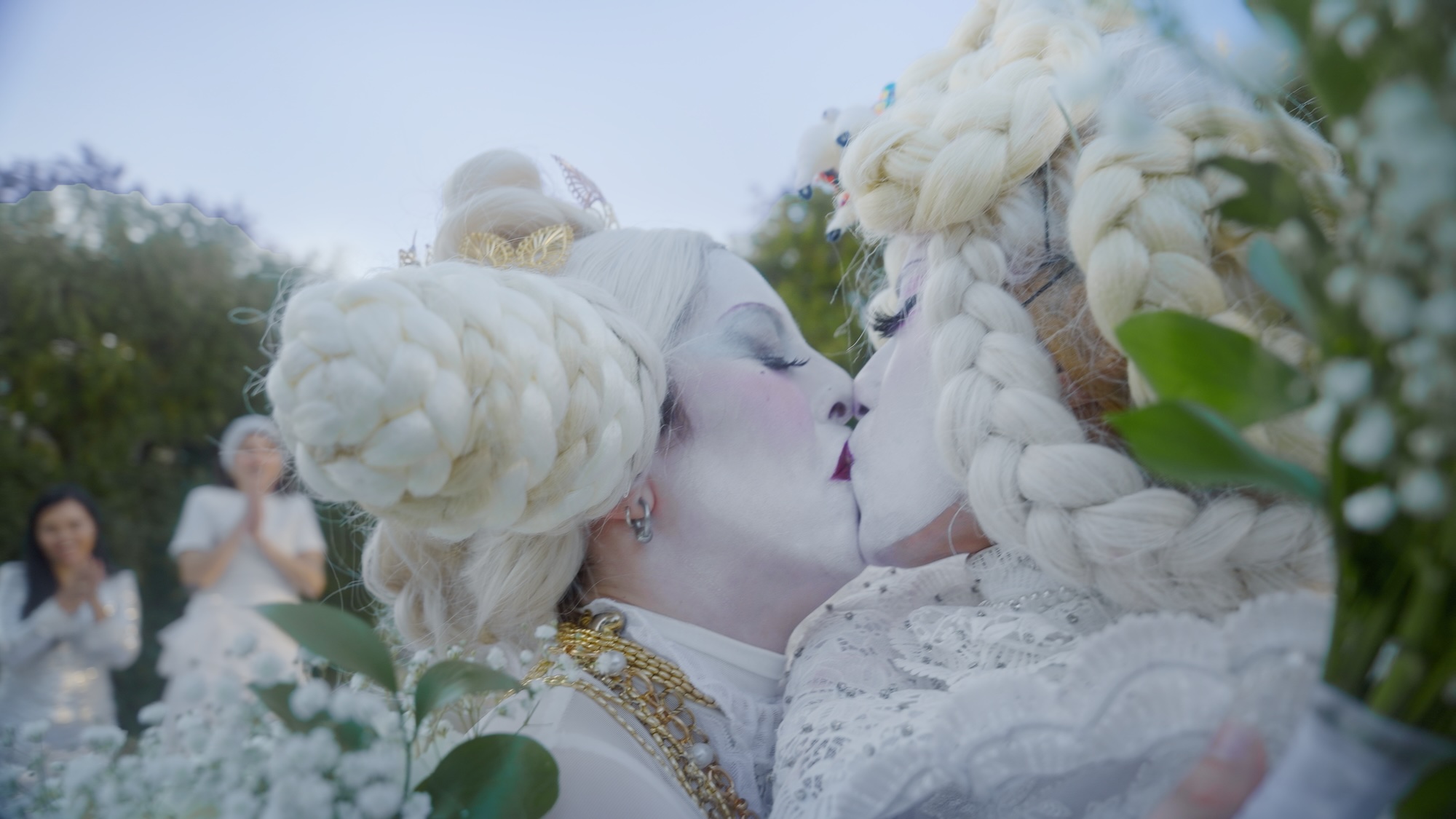
What makes love political, Wynnie Mynerva?

Was macht Liebe politisch, Wynnie Mynerva?

Peruvian artist Wynnie Mynerva discusses her exhibition "Volveré y seré millones" at the Société gallery in Berlin, timed to coincide with Gallery Weekend. The artist explores Andean cosmologies, specifically the concept of 'Ayni' or collective reciprocity, as a counter-narrative to Western, capitalist structures of romantic love and individualism. Her work draws from her personal experience as a migrant in Europe and her observations of Berlin’s queer scene, questioning how care and survival function within modern political frameworks.

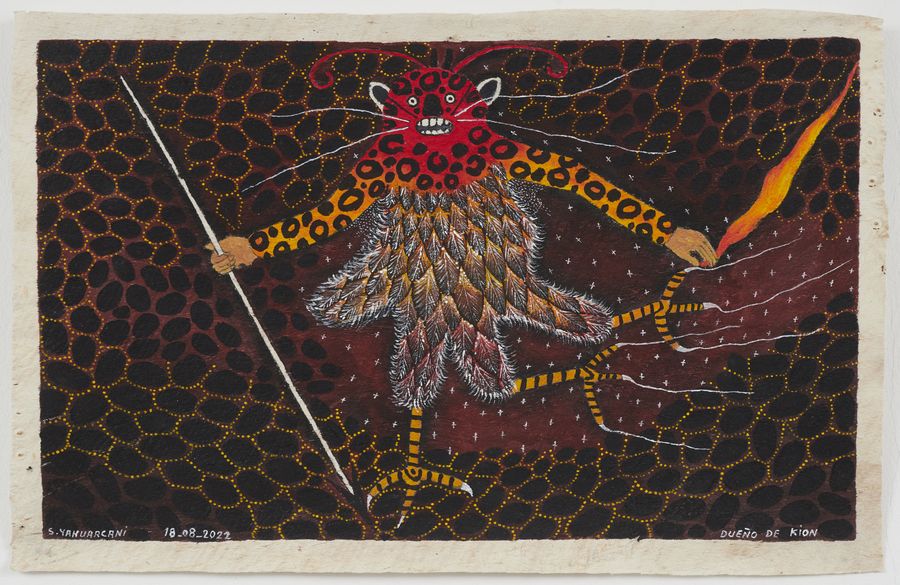
Santiago Yahuarcani: The Beginning of Knowledge

SANTIAGO YAHUARCANI: EL PRINCIPIO DEL CONOCIMIENTO

The Museu de Arte de São Paulo (MASP) is hosting "El principio del conocimiento," the first solo exhibition in Brazil for Peruvian artist Santiago Yahuarcani. Curated by Amanda Carneiro, the show features approximately 35 paintings on llanchama (tree bark) that explore the Uitoto worldview. The exhibition is organized into five thematic sections that navigate the sensory experience of the Amazon, the spiritual significance of sacred plants like coca and tobacco, and the brutal historical memory of colonial extraction.

Emerging Practices and New Languages: This is How Pinta Lima 2026 is Shaped

EMERGING PRACTICES AND NEW LANGUAGES THIS IS HOW PINTA LIMA 2026 IS SHAPED

Pinta Lima has announced the details for its 13th edition, scheduled to take place from April 23 to 26, 2026, at Casa Prado. Under the artistic direction of Irene Gelfman, the fair will feature 45 galleries from 15 international cities, with nearly 70% of participants arriving from outside Peru. The event is structured into five specialized sections, including the Main Section, RADAR (curated by Ilaria Conti), NEXT (curated by Juan Canela), and dedicated spaces for video and special projects.

DANCING OUR PROBLEMS LATIN AMERICAN PRESENCE AT MOCA S ART ON THE PLAZA 2026 AWARDS IN MIAMI

Peruvian multidisciplinary artist Joan Jiménez Suero, known as Entes, has been named one of three winners for the Museum of Contemporary Art North Miami’s (MOCA) Art on the Plaza 2026. His winning installation, "Bailando Nuestros Problemas" (Dancing Our Problems), features kinetic metal sculptures inspired by Afro-Peruvian traditions and salsa culture. The work, which officially opens on April 15, 2026, transforms rigid industrial materials into fluid figures of musicians and dancers to celebrate the resilience of the Latin American diaspora.

MAYA WATANABE IN A GROUP EXHIBITION AT THE HOSPEDALETTO COMPLEX IN VENICE

The In Between Art Film Foundation has announced "Canicula," the final installment of its "Trilogy of Uncertainties," set to open at the Ospedaletto Complex during the 2026 Venice Biennale. Curated by Alessandro Rabottini and Leonardo Bigazzi, the exhibition features eight international artists, including Peruvian video artist Maya Watanabe, whose work investigates memory and the politics of representation. The show utilizes the unique architecture of the Ospedaletto’s church and music hall to create immersive environments exploring themes of environmental and political pressure.

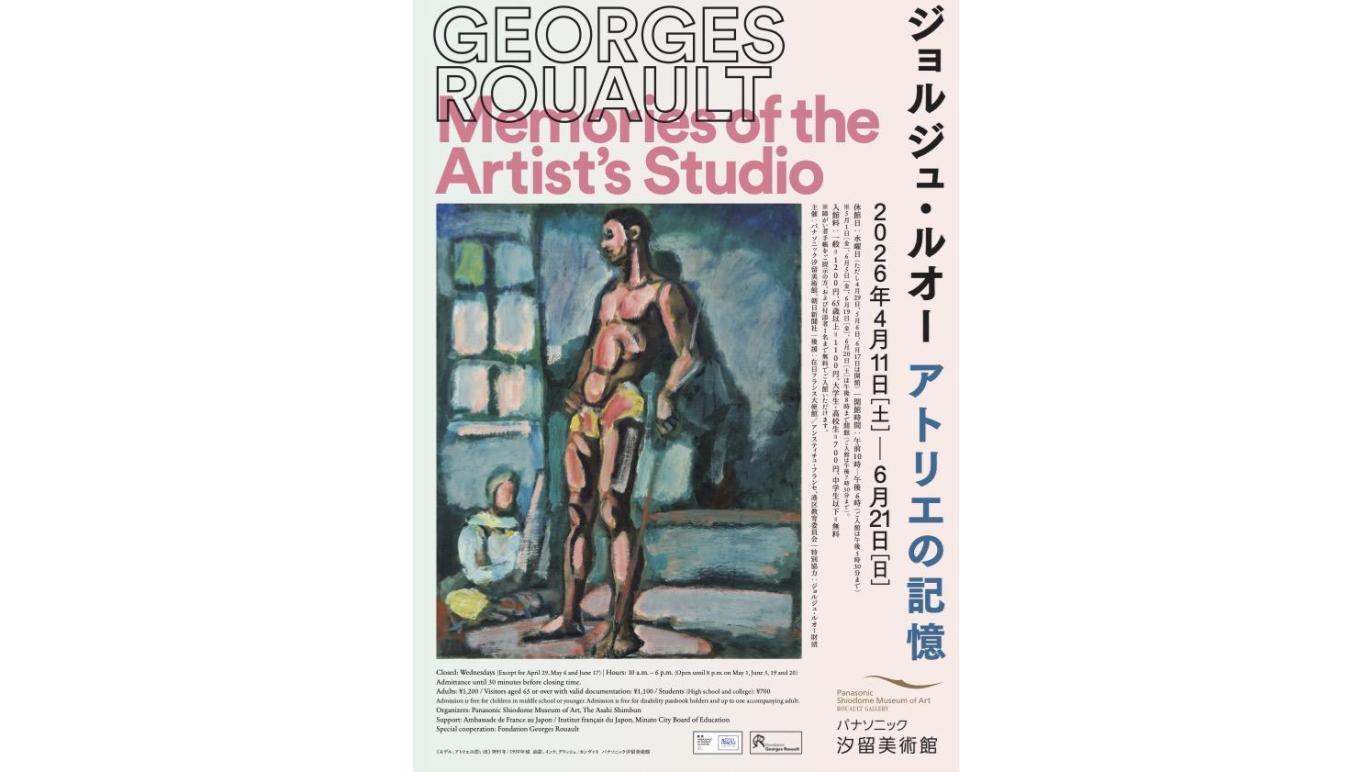
Georges Rouault: Memories of the Artist’s Studio | Panasonic Shiodome Museum | Art in Tokyo

The Panasonic Shiodome Museum in Tokyo is set to host "Georges Rouault: Memories of the Artist’s Studio," an exhibition drawing from the museum’s extensive collection of approximately 270 works. The show features a chronological exploration of Rouault’s career, specifically highlighting recent acquisitions from his Fauvist period and a partial reconstruction of his final Paris studio using original tools and materials.

Exploring the magical colors of Matisse

The Times Art Museum has launched a major retrospective of Henri Matisse’s printmaking, featuring 100 works that span his career from early line drawings to his iconic late-period cut-outs. Titled "Bathe in Color — A Journey of Lines, Body and Dreams," the exhibition includes significant collaborations with Paris-based workshops Mourlot Studios and Atelier Auval, highlighted by the vibrant composition La Gerbe.

WAYS OF REMEMBERING YAHUARCANI AND MUNOZ AT MASP

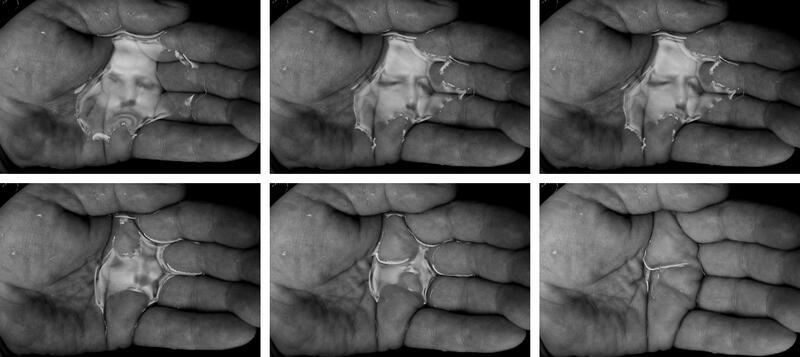
The Museu de Arte de São Paulo (MASP) is currently presenting two distinct exhibitions that explore memory, identity, and historical violence in Latin America. 'Santiago Yahuarcani: The Beginning of Knowledge' features 35 works by the Peruvian artist that weave together Uitoto cosmology with the traumatic history of the Amazon rubber boom, while 'Video Room: Oscar Muñoz' showcases three video works by the Colombian artist that use ephemeral materials to reflect on political disappearance and the instability of the image.

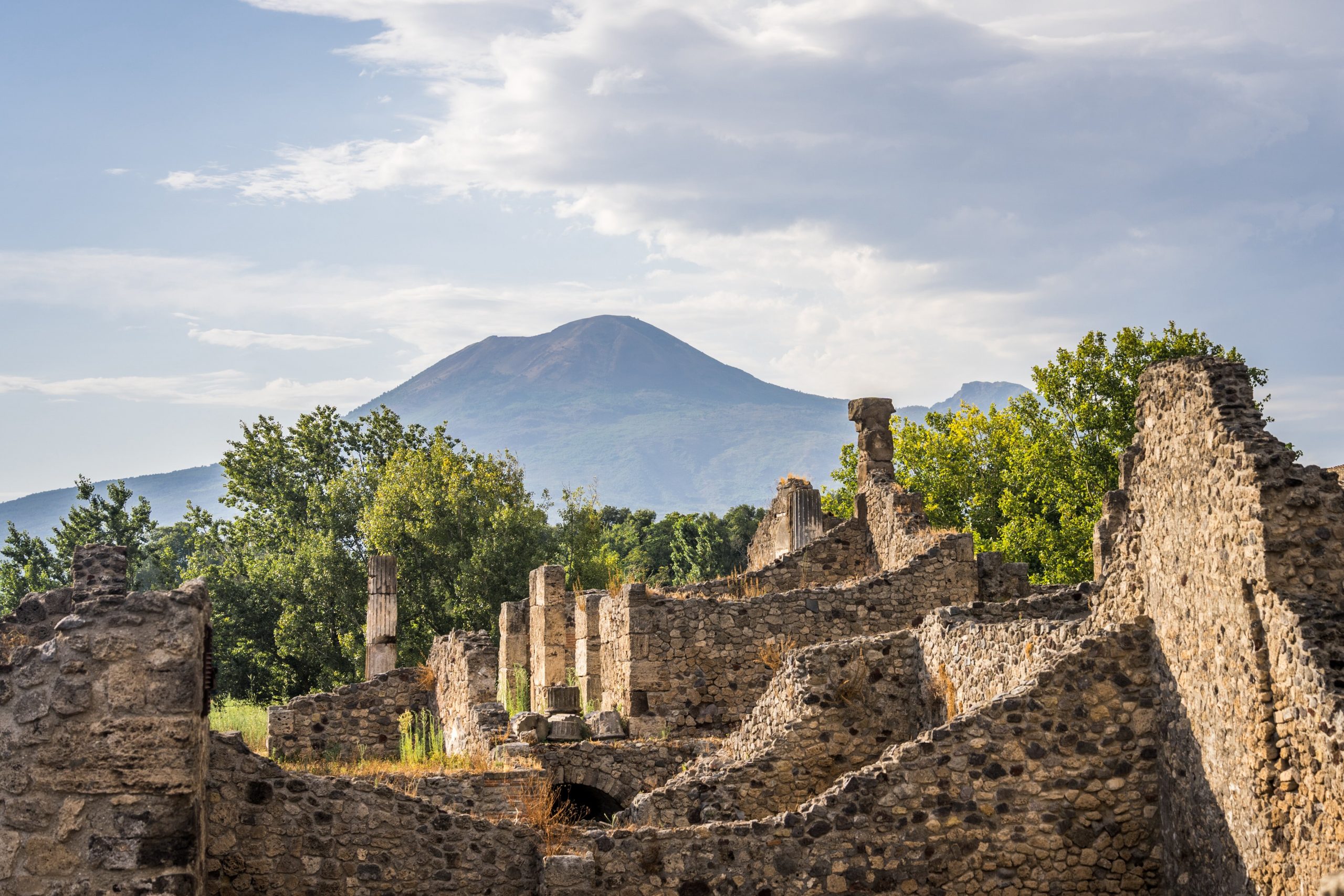
What Did Pompeii Smell Like? A New Study Analyzes Its Ancient Incense

A team of international researchers has published the first scientific analysis of ritual incense residues from Pompeii. By examining ash from two ancient censers—one from an inn and another from a domestic shrine—they identified charred plants like oak and laurel, as well as evidence of imported frankincense from India.

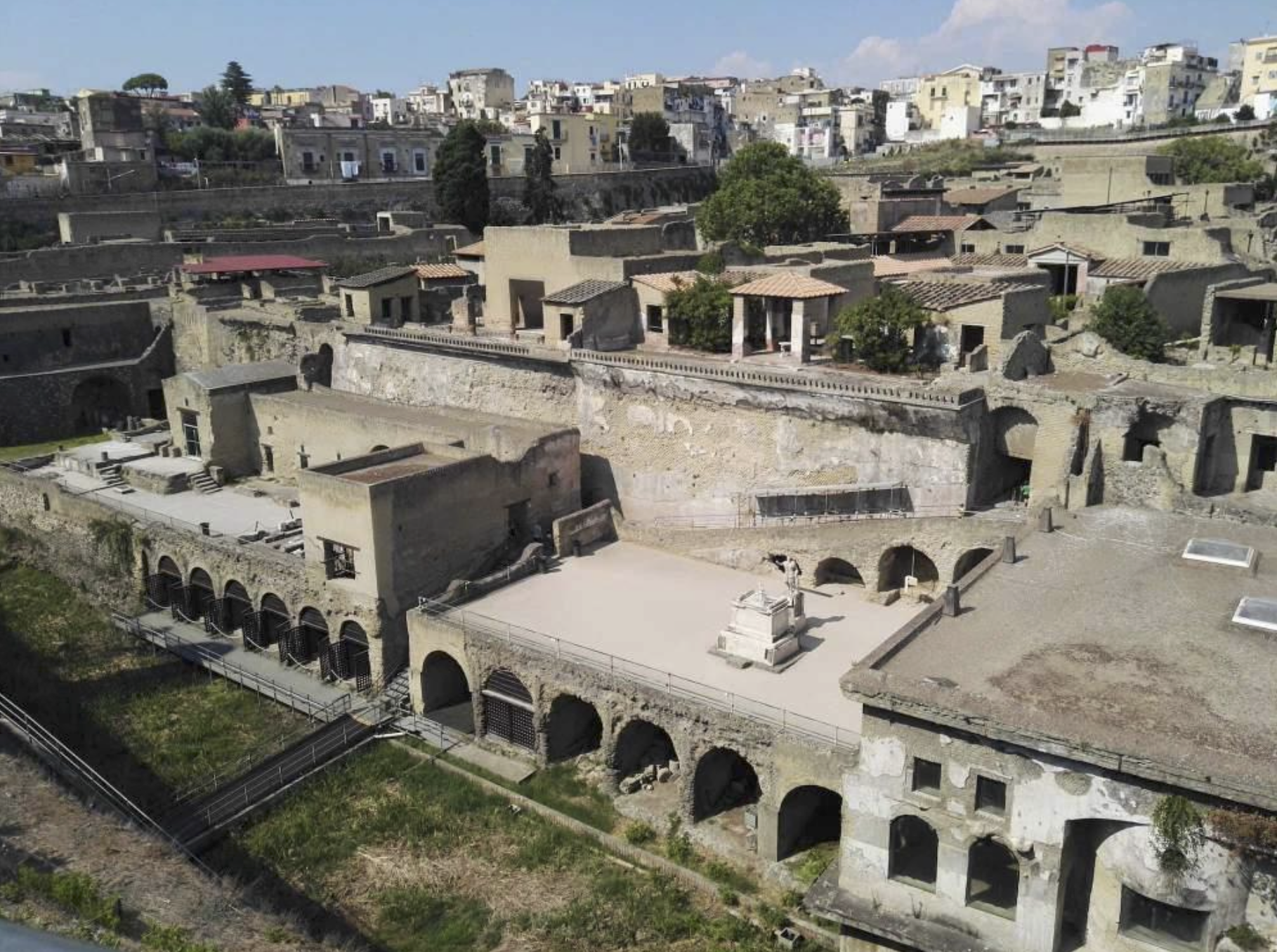
Bread, Wine, and Fish: How the Archaeology of Food Tells the Story of Life in Herculaneum

Pane, vino e pesce. Tutta l’archeologia del cibo racconta che vita si faceva a Ercolano: l’itinerario gratuito

The Herculaneum Archaeological Park has launched a new thematic itinerary titled "I luoghi del cibo a Ercolano" (The Places of Food in Herculaneum), offering visitors a deep dive into the gastronomic culture of the Roman city buried by Vesuvius in 79 AD. The guided path leads through ancient street food stalls known as thermopolia, specialized wine shops, and the bakery of Sextus Patulcius Felix, where stone mills and ovens remain intact. The experience extends to the Casa dei Cervi to illustrate the social rituals of elite banqueting and includes a supplementary exhibition at Villa Campolieto featuring organic remains preserved by the eruption.

First Indigenous Representative of Peru at the Venice Biennale, Sara Flores Opens the Doors of Her Studio in the Heart of the Amazon

Première représentante autochtone du Pérou à la Biennale de Venise, Sara Flores ouvre les portes de son atelier au cœur de l’Amazonie

Sara Flores, a 76-year-old artist from the Shipibo-Konibo Indigenous community in the Peruvian Amazon, has been selected as the first Indigenous artist to represent Peru at the Venice Biennale. In her open-air studio deep in the rainforest, she creates large-scale geometric compositions in the kené ("true drawing") tradition, using natural dyes from local plants. She is also co-founder of the Bakish Mai Multiversity, an educational institution dedicated to Indigenous knowledge and artist residencies, alongside Matteo Norzi, one of the two curators of the Peruvian pavilion. The article offers an intimate portrait of her life, her matriarchal family, and her creative process.

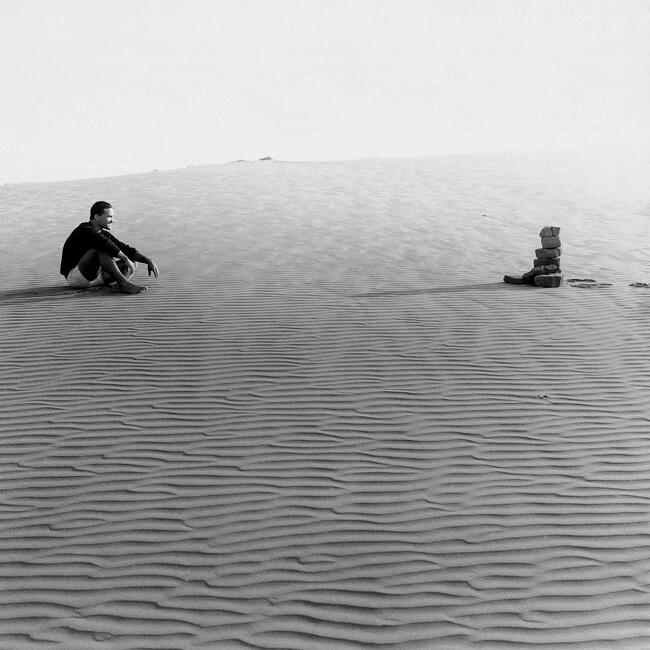
Views from Behind. A Figure Without a Portrait

Vu[e]s de dos. Une figure sans portrait

The exhibition "Vu[e]s de dos. Une figure sans portrait" at Les Franciscaines in Deauville, running from February 28 to May 31, 2026, explores the artistic motif of figures seen from behind. Curated by director Annie Madet-Vache, the show was inspired by a small painting from the museum's own collection, André Hambourg's *L'Enterrement de Poincaré*. Unable to secure loans of iconic works such as those by Friedrich, Delacroix, Ingres, or Vermeer, Madet-Vache instead displays large black-and-white reproductions of these masterpieces alongside contemporary works they inspired, turning the absence of the originals into a conceptual strength.

Carlos Runcie Tanaka's Ceramics in Pinta Lima's Special Project

CARLOS RUNCIE TANAKA S CERAMICS IN PINTA LIMA S SPECIAL PROJECT

The art fair Pinta Lima is presenting a Special Project dedicated to the late Peruvian ceramic artist Carlos Runcie Tanaka. Organized by Fundación Pinta, Henrique Faría Gallery, and the artist's estate, the exhibition brings together a selection of works from 2001 to 2007, focusing on his mastery of the clay sphere and his unique visual language.

The Image of Another World Takes Shape in a Vibrant Form: Five Peruvian Artists at Pinta Lima 2026

THE IMAGE OF ANOTHER WORLD TAKES SHAPE IN A VIBRANT FORM FIVE PERUVIAN ARTISTS AT PINTA LIMA 2026

Pinta Lima 2026, an art fair in Peru, has unveiled a Special Project curated by Florencia Portocarrero and Irene Gelfman, featuring five young Peruvian artists: Elizabeth Vásquez, Fátima Rodrigo, Pierina Másquez, Verovcha, and Yone Makino. The exhibition transforms the gallery into an immersive, habitable space where diverse works in textiles, ceramics, painting, and installation form a cohesive map of contemporary Peruvian art.

THREE PERUVIAN GALLERIES AT PINTA LIMA 2026 A DIALOGUE BETWEEN THE LOCAL AND THE GLOBAL

Three prominent Peruvian galleries—Galería Enlace, Forum, and Livia Benavides—are presenting curated selections of artists at the Pinta Lima 2026 art fair. Their proposals blend emerging and established artists from Peru and abroad, working across painting, sculpture, installation, and new media, to foster a dialogue between local traditions and global contemporary practices.