filter_list Showing 10 results for "Uffizi" close Clear
dashboard All 10 article culture 3museum exhibitions 3article policy 2article news 2
date_range Range Today This Week This Month All
Subscribe

13 Nudes That Changed Western Art History

The article presents a curated list of 13 seminal Western artworks featuring the nude form, highlighting how each piece shifted artistic conventions and cultural perceptions. It begins with the Paleolithic Venus of Willendorf and moves chronologically through works by artists including Sandro Botticelli, Leonardo da Vinci, Lavinia Fontana, and Édouard Manet, analyzing their groundbreaking approaches to depicting the human body.
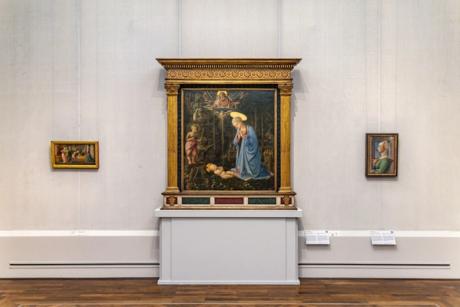
Filippo Lippi painting—once the centrepiece of Florence's Palazzo Medici Chapel—to undergo two-year restoration

The Staatliche Museen zu Berlin has announced a two-year restoration of Filippo Lippi’s 1459 painting *The Adoration in the Forest*, funded by the Ernst von Siemens Kunststiftung and the Schoof’schen Stiftung. The tempera-on-panel work, a centerpiece of the Palazzo Medici chapel in Florence, is now in the Gemäldegalerie’s collection. Conservators discovered that a 19th-century varnish layer is degrading the paint, causing it to lift off the panel, particularly affecting the Virgin’s blue cloak, skin, and gold leaf areas. The treatment aims to remove the varnish while stabilizing the paint layer, and may also reveal Lippi’s use of oil paint alongside egg tempera.

What you want from your body? Antony Gormley, iron and crawling

British sculptor Antony Gormley discusses his solo exhibition "What Holds Us" at Galleria Continua in San Gimignano, on view from 9 May to 13 September 2026. The show transforms the gallery's former cinema-theatre into an interactive environment where visitors are invited to crawl through massive cardboard bodies, exploring interior spaces and shifting from passive spectatorship to bodily engagement. Gormley explains that the title connects "hold" and "whole," suggesting that being held—by the ground, the womb, or the body—is essential for growth and wholeness.

The Multibillion-Dollar Maneuvers Behind the Met’s Raphael Show

The Metropolitan Museum of Art has opened “Raphael: Sublime Poetry,” the largest survey dedicated to the Renaissance master in the U.S., featuring 33 paintings and 142 works on paper. The exhibition includes loans from 60 public institutions across 11 countries, as well as private loans from billionaire Leon Black, and the estimated aggregate value of the art on view is in the billions of dollars. Curated by Carmen Bambach, the show took eight years to organize and follows her previous triumphs on Leonardo and Michelangelo.

Italian Renaissance masterpieces debut in Beijing exhibition

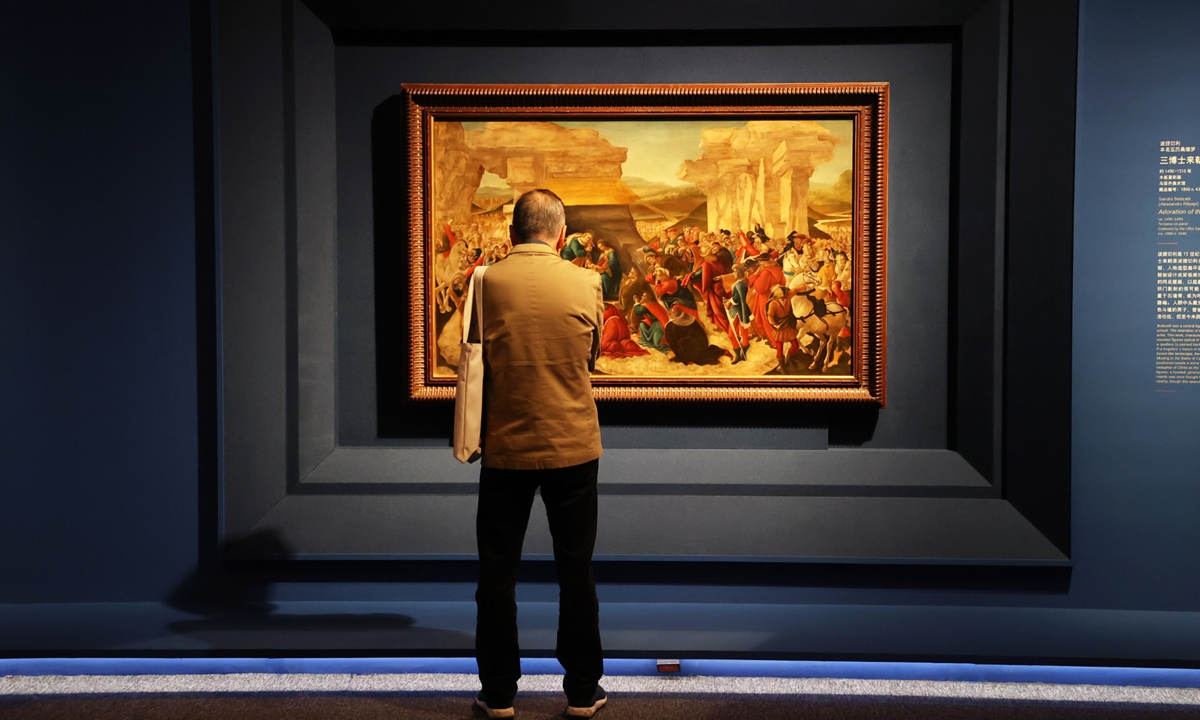
An exhibition titled 'Homage to the Virtuosos: From Leonardo da Vinci to Caravaggio - Masterpieces of the Italian Renaissance' has opened at the National Art Museum of China in Beijing, featuring 36 Renaissance masterpieces from Italy's Uffizi Galleries. The show includes works by Leonardo da Vinci, Michelangelo, Raphael, and Caravaggio, with many pieces traveling to China for the first time. The exhibition is jointly curated by the National Art Museum of China and the Uffizi Galleries, and is divided into three thematic sections tracing the evolution of Renaissance painting, from early Florentine masters through Mannerism to Venetian and Caravaggio's revolutionary works.

Meloni takes control of Italian museums

Meloni reprend en main les musées italiens

Italy’s culture ministry under Prime Minister Giorgia Meloni has appointed 14 new directors for so-called “second-tier” museums, reinforcing a shift away from the international “super-director” model introduced by the 2014 Franceschini reform. All appointees are Italian except for French director Axel Hémery, who was reappointed at the Pinacoteca di Siena due to his strong performance. The move follows the earlier ousting of foreign directors at top-tier museums, with only two foreign-born directors—Eike Schmidt and Gabriel Zuchtriegel—remaining, both of whom hold Italian citizenship.

Tourist Damages Florence’s Neptune Fountain in Pre-Wedding Stunt

A 28-year-old tourist in Florence climbed the Neptune Fountain in Piazza della Signoria and caused €5,000 ($5,800) in damage while attempting to touch the statue's genitals as part of a pre-wedding challenge. Police intervened, and specialists from the Fabbrica di Palazzo Vecchio later found damage to a horse's legs and a frieze. The woman has been reported to judicial authorities but is presumed innocent until a verdict.

That Time Raphael Visited Tivoli, Transforming Antiquity into Art

Quella volta che Raffaello visitò Tivoli trasformando l’antichità in arte

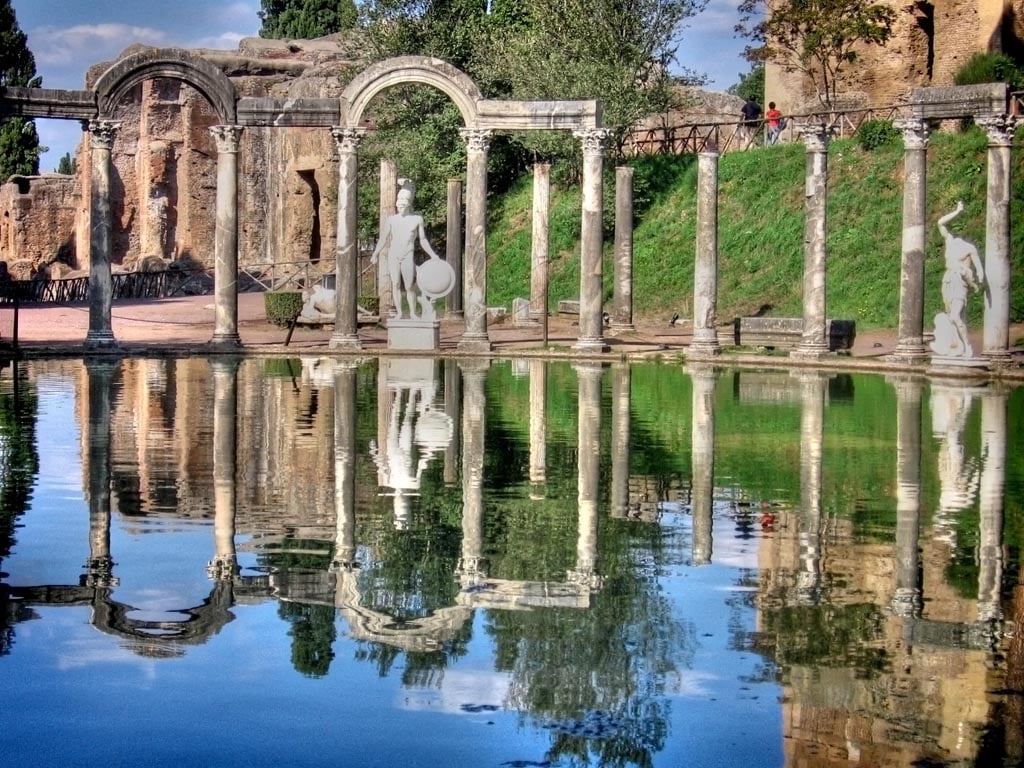
In April 1516, Raphael Sanzio embarked on a historic excursion to Tivoli alongside a prestigious circle of Renaissance intellectuals, including Baldassarre Castiglione and Pietro Bembo. This journey served as a critical field study for Raphael, who had recently been appointed as Rome's prefect of antiquities. By examining the complex ruins of Hadrian's Villa and the Sanctuary of the Sibyl, the group engaged in a sophisticated blend of archaeological investigation and humanist leisure that defined the cultural climate under Pope Leo X.

Directors Chosen by Internal Call Rather Than Competition: The Great Restoration of State Museums

Direttori scelti per interpello e non per concorso. La grande restaurazione dei musei statali

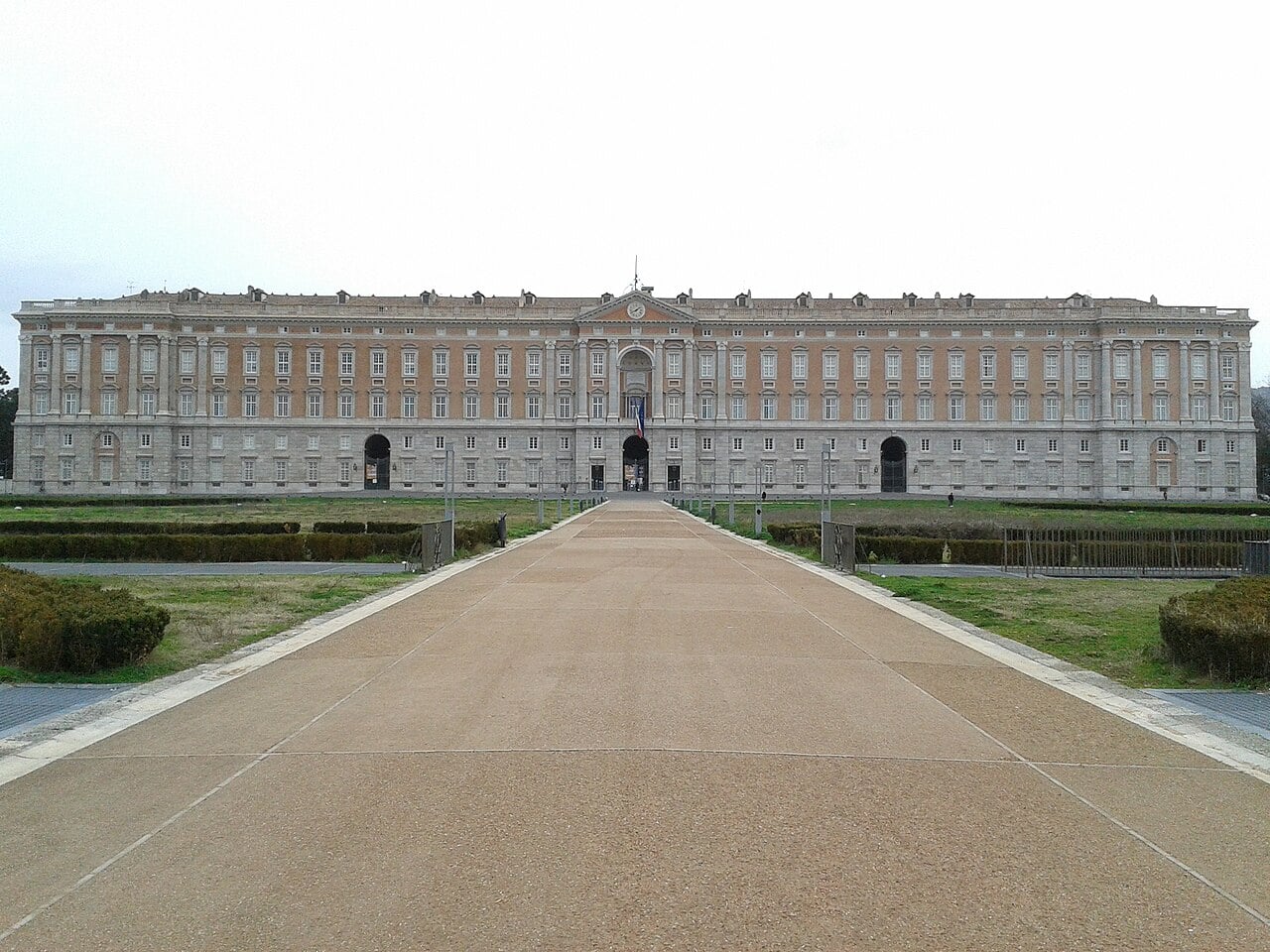
The Italian state museum system is undergoing a significant reversal of the landmark 2015 Franceschini reforms, which originally opened director positions to international competition and private-sector expertise. Recent appointments at major institutions like the Reggia di Caserta and the Gallerie dell’Accademia in Venice indicate a shift away from global searches toward internal ministerial assignments, effectively turning museum leadership back into a closed bureaucratic career path.

Do you hate art museums? Why (and how) to take a 2nd look

Do you hate art museums? Why (and how) to take a 2nd look

The traditional art museum experience often leads to exhaustion and a sense of alienation due to the overwhelming abundance of artworks and the pressure to see everything quickly. This phenomenon, which affects even visitors to world-class institutions like the Vatican or the Uffizi, stems from a 'problem of abundance' rather than a lack of appreciation for the art itself. The author suggests that smaller, more intimate spaces and a slower approach to viewing would make art more accessible and less intimidating for the general public.