filter_list Showing 5 results for "Ukraine war" close Clear
dashboard All 5 article news 2museum exhibitions 1article local 1rate_review review 1
date_range Range Today This Week This Month All
Subscribe

The week around the world in 20 pictures

This photo essay from The Guardian presents 20 images capturing global events from the past week, including a protest by Femen and Pussy Riot activists against Russia's participation at the Venice Biennale art show, Israeli strikes in Gaza, the hantavirus outbreak, and Emma Chamberlain at the Met Gala. Other images document the war in Ukraine, with scenes of Russian military rehearsals in Moscow, damaged monuments, and drone strike aftermath, as well as a political protest in Nashville where Democratic state representative Justin J Pearson was removed from the house gallery during a redistricting protest.

At the Venice Biennale I saw anger at Russia and Israel – and its leadership pretending everything was fine | Charlotte Higgins

At the 2024 Venice Biennale, the Russian pavilion returned with festive performances and prosecco deliveries, drawing sharp criticism from observers who saw it as a propaganda effort to distract from Russia's war in Ukraine. Meanwhile, Ukraine's Kramatorsk was bombed, and protests erupted, including a Pussy Riot intervention. Biennale president Pietrangelo Buttafuoco defended Russia's and Israel's participation, rejecting preemptive bans despite open letters and appeals. European Commission investigated potential sanctions breaches, and culture ministers from Ukraine, Poland, Estonia, and Baltic states boycotted or condemned the biennale's stance, accusing it of yielding to the aggressor.

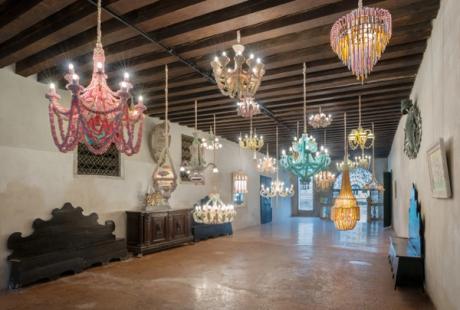
At the Venice Biennale, Ukraine’s Pinchuk Art Centre finds fragile moments of joy amid loss

The Pinchuk Art Centre in Kyiv has transformed its Venice Biennale presentation from a glamorous celebration of young artists into a somber exhibition responding to the Russian invasion of Ukraine. This year's show, titled "Still Joy — From Ukraine into the World" (9 May-1 August) at the Palazzo Contarini-Polignac, features works by international artists like Tacita Dean and Julian Charriere alongside Ukrainian artists, as well as testimonials from soldiers collected by former marine Hlib Stryzhko. The exhibition explores how joy can persist amid trauma, with installations including pink scrolls bearing survivors' quotes, light box photographs of bombed interiors with rescued pot plants, and a sculpture of bells with displaced women's fingerprints.

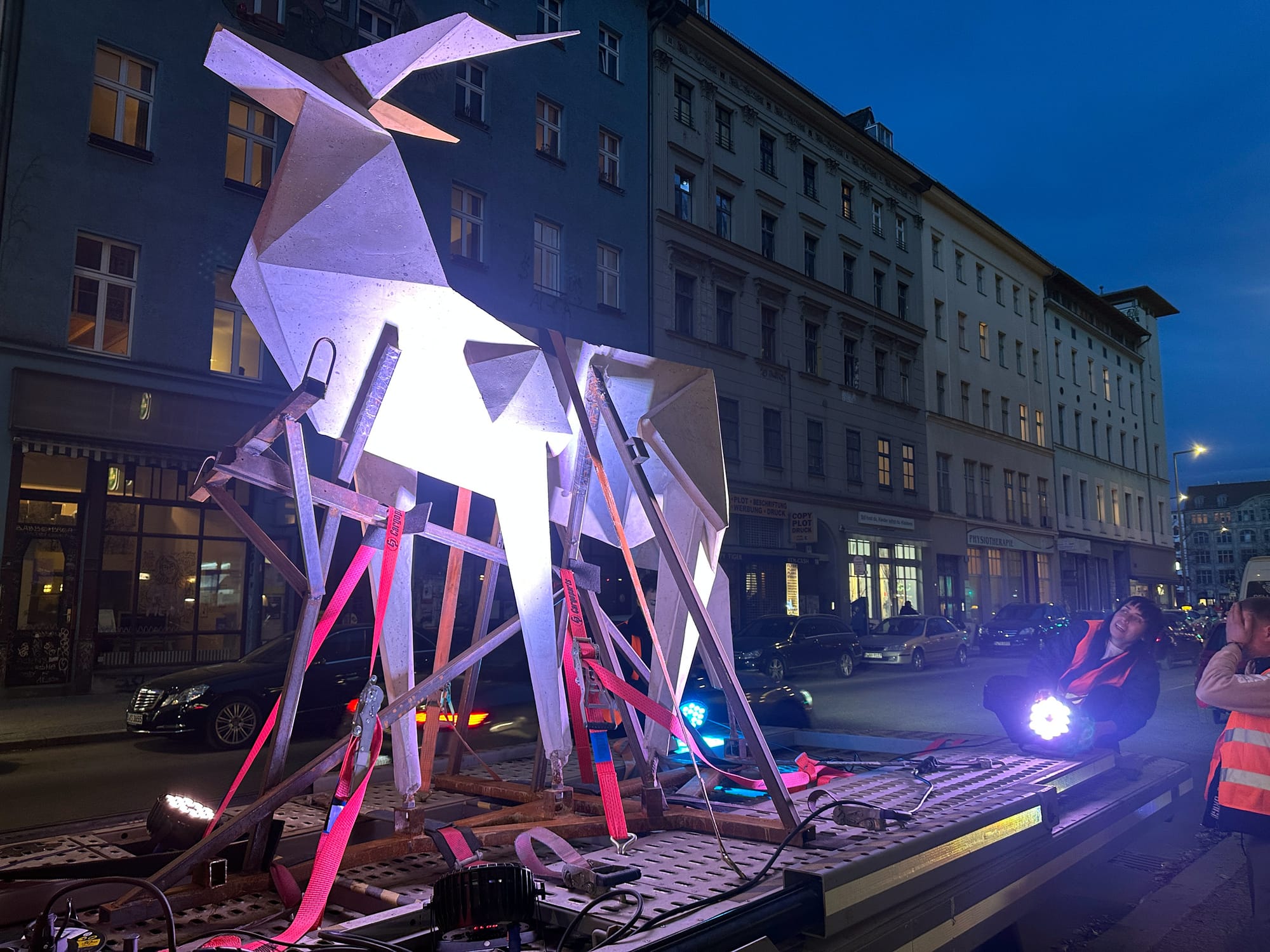
The Ukrainian Pavilion’s Deer Seen Around the World

Zhanna Kadyrova's concrete sculpture "The Origami Deer" (2019) is prominently displayed at the entrance to the Giardini during the 61st Venice Biennale, part of her project "Security Guarantees" in the Ukrainian Pavilion. Originally installed in Pokrovsk, eastern Ukraine, the work was removed in 2024 as Russian forces advanced, then traveled through Vienna, Warsaw, Prague, Berlin, and Paris before reaching Venice—a journey mirroring the displacement of millions of Ukrainians. The sculpture, shaped like a deer and evoking folded paper, references the 1994 Budapest Memorandum, in which Russia, the UK, and US guaranteed Ukraine's security in exchange for its nuclear disarmament—guarantees that proved worthless after Russia's invasions.

The Mykolaiv Regional Art Museum has shown how it operates during the war

The Mykolaiv Regional Art Museum in Ukraine has adapted to wartime conditions by evacuating part of its collection and packing remaining exhibits with available materials. A research tour offered a behind-the-scenes look at these efforts, as reported by NikVesti. The MyART platform is creating a digital collection of Mykolaiv's cultural heritage, involving the art museum, local history museum, naval museum, central library, observatory, and shipyard museum. The museum, founded in 1914 by Prince Mykola Hedroits, now operates from a building on Velyka Morska Street built in 1904, and staff continue to research its founder's history.