filter_list Showing 14 results for "Uncanny" close Clear
dashboard All 14 museum exhibitions 9article culture 2candle obituary 1article news 1rate_review review 1
date_range Range Today This Week This Month All
Subscribe

Can Art Feel?

Hyperallergic's newsletter explores the question of whether artworks can possess personhood, drawing on Lisa Siraganian's essay that references the 2010 Citizens United Supreme Court decision and Pierre Huyghe's uncanny human statues. Other featured pieces include Ed Simon's review of Elizabeth Goldring's new book on Hans Holbein the Younger, Michael Glover's introduction to George Stubbs's equine portraits at the National Gallery in London, and news of a historic $116M gift to the National Gallery of Art for an artwork lending program. The newsletter also covers Byron Kim's exhibition at James Cohan Gallery, the new V&A East museum in London, and obituaries for Desmond Morris, James Hayward, and Flo Oy Wong.
German artist Thomas Zipp, who explored the dark side of humanity, dies at 60.

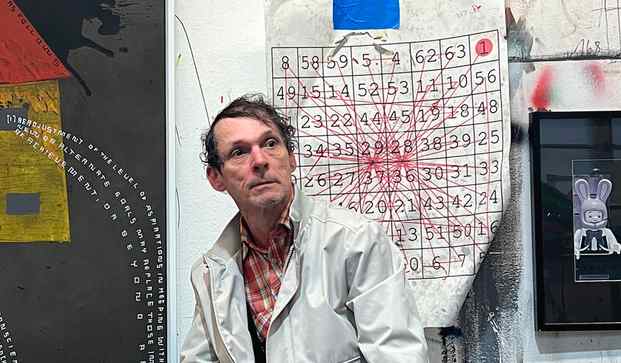
German artist Thomas Zipp, a prominent figure in the Berlin art scene known for his dark, immersive installations, has died at the age of 60. His longtime representative, Galerie Barbara Thumm, confirmed his passing on April 4th, noting that the artist died far too soon. Zipp gained international recognition for his multidisciplinary approach, blending painting, sculpture, and performance into theatrical environments that often felt like unsettling psychological experiments.

Aileen Murphy Sleeps on the Ceiling

Aileen Murphy's third exhibition at Deborah Schamoni in Munich, titled "Sleeps on the Ceiling," presents five new paintings dominated by rosé and pink tones. The works revolve around a table-like motif, featuring animals, disembodied limbs, and surreal details such as a white cat with red eyes and a yellow snake. Murphy, who completed her studies in 2018, blends abstract gestures with detailed figuration, creating scenes that are both playful and uncanny. The exhibition's title is borrowed from Elizabeth Bishop's poem "Sleeping on the Ceiling" (1946), reflecting a dissolution of domestic interior, urban monument, and psychological landscape.

schiaparelli fashion exhibition review 1234781242

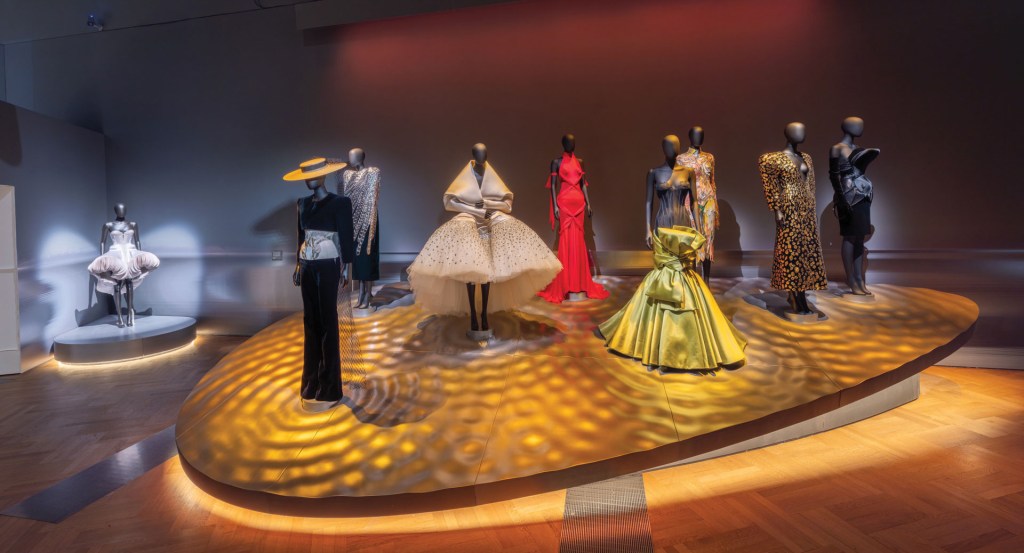
The Victoria & Albert Museum presents "Schiaparelli: Fashion Becomes Art," the first UK retrospective dedicated to the Italian designer Elsa Schiaparelli. The exhibition highlights her central role within the Parisian avant-garde of the 1930s, showcasing her famous collaborations with artists like Salvador Dalí, Alberto Giacometti, and Meret Oppenheim. By displaying iconic pieces such as the 1938 skeleton dress alongside personal notes and related artworks, the show argues that Schiaparelli was not merely a follower of Surrealism but a primary catalyst for its innovation.

Negative Impressions and Positive Traces of ’20th Century Debris’.

Marc Brandenburg's solo exhibition '20th Century Debris' is on view at the Berlinische Galerie in Berlin until September 14, 2026. The show features approximately 150 works, including early drawings from the 1990s, recent pieces, video, photography, and tattoo editions, all exploring spectral cityscapes and the debris of contemporary life through a process of tonal reversal and inversion.

In Paris, step inside Swedish artist Mamma Andersson's broken reality

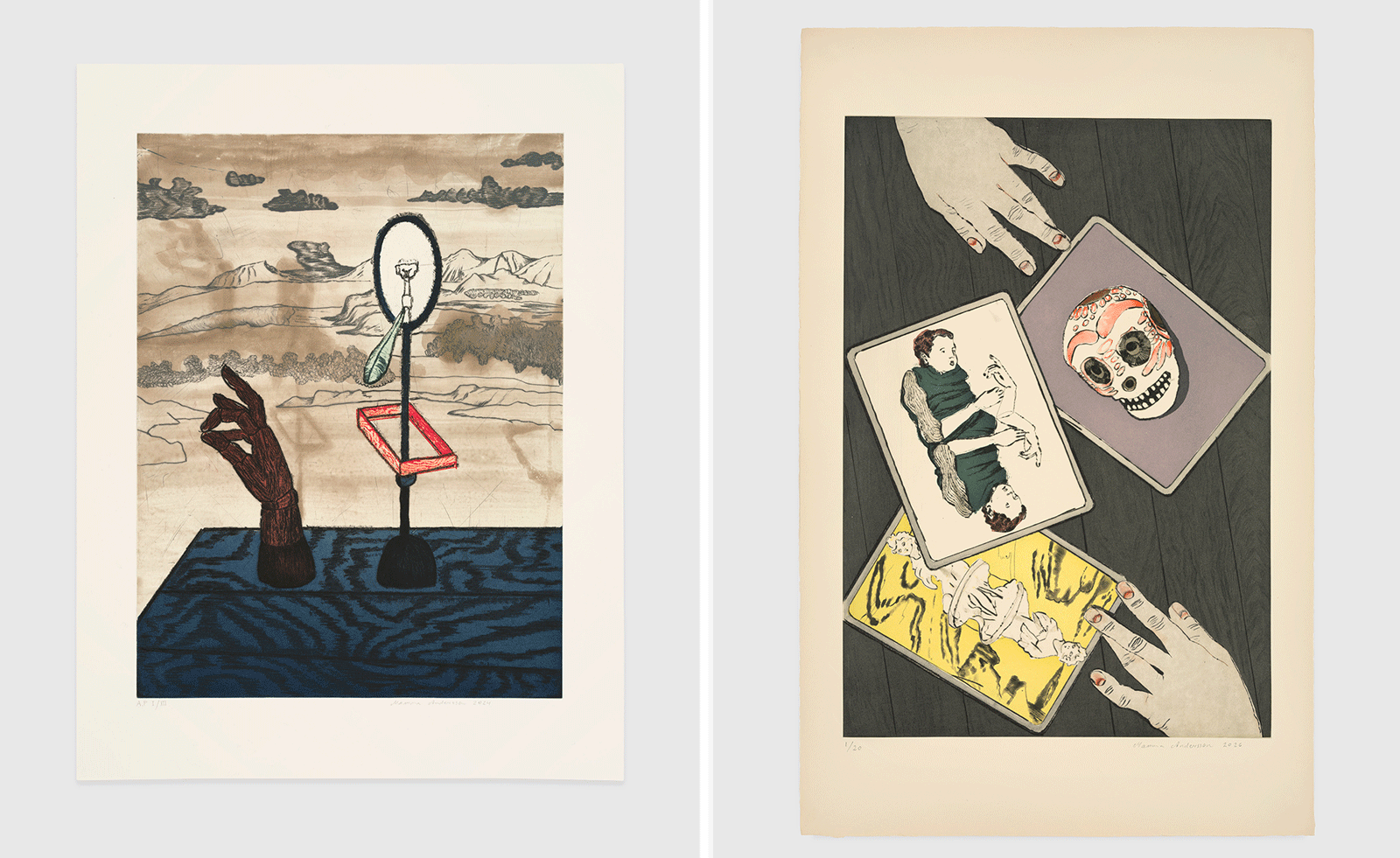
Swedish artist Mamma Andersson is preparing for a new exhibition, 'Œuvres sur papier', at David Zwirner Paris, showcasing her works on paper including aquatint, etching, lithograph, and woodcut. The article visits her studio in Stockholm, where she discusses her creative process, recurring motifs like chairs, masks, and deer, and her collaborations with writer Karl Ove Knausgaard. The show also features vitrines with reference materials and books alongside original artworks.

Li Yi-Fan: Error and Effigy

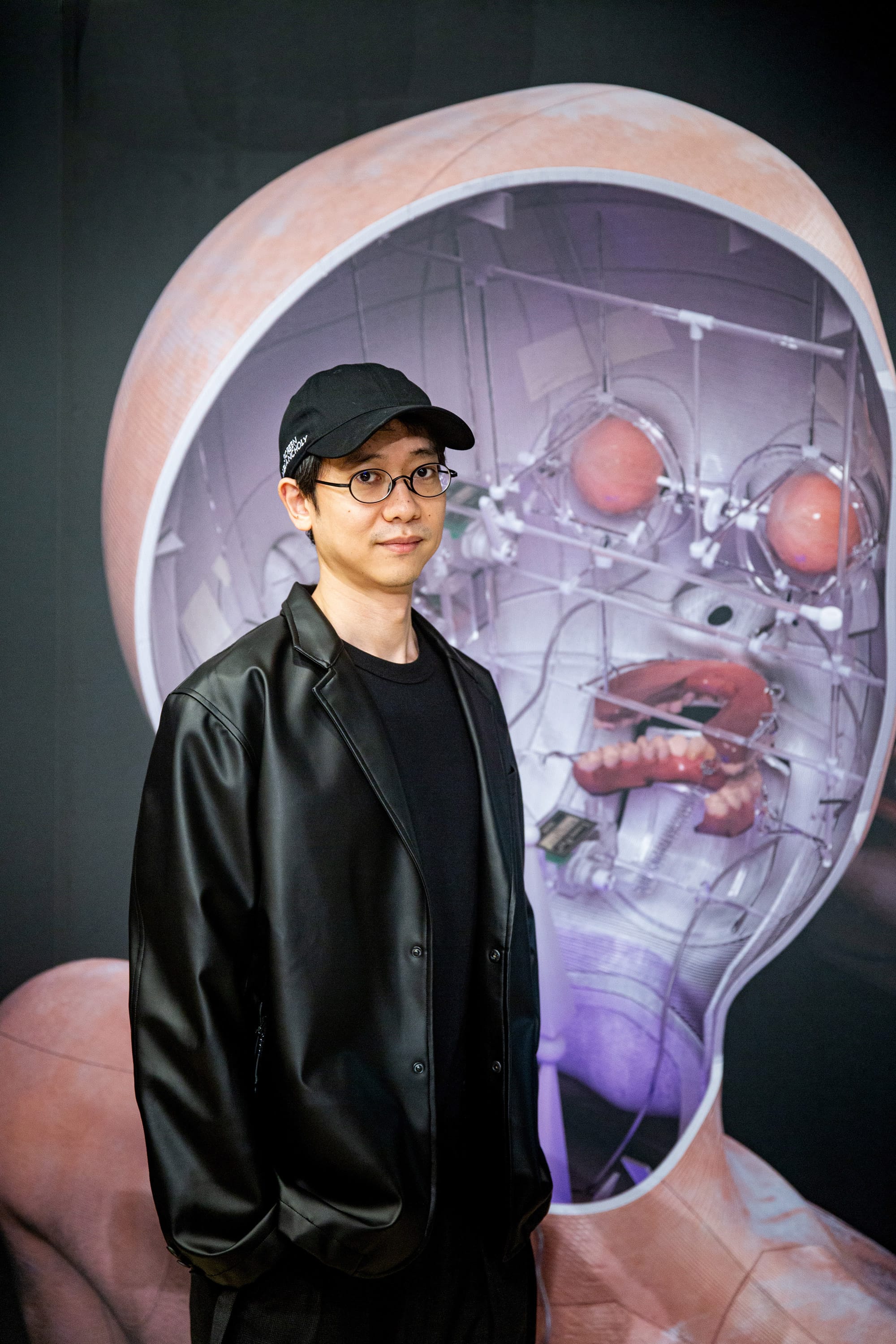
Taiwanese artist Li Yi-Fan, born in 1989 and based between Taipei and Amsterdam, creates unsettling digital marionettes using modified game engines and digital puppetry. His pale, chalky figures with uncanny proportions discuss voyeurism, sexual fantasies, philosophy, memes, and computer programming, often resembling the artist himself. Li works a nine-to-five schedule, spends hours on computer games as research, and describes himself as 'probably the most boring artist.' His practice relies on free or subscription software and purchased digital assets, staging what it feels like to make digital art within platform systems and corporate infrastructure.

Take a walk on the wild side with the Haas Brothers' fantastical new show

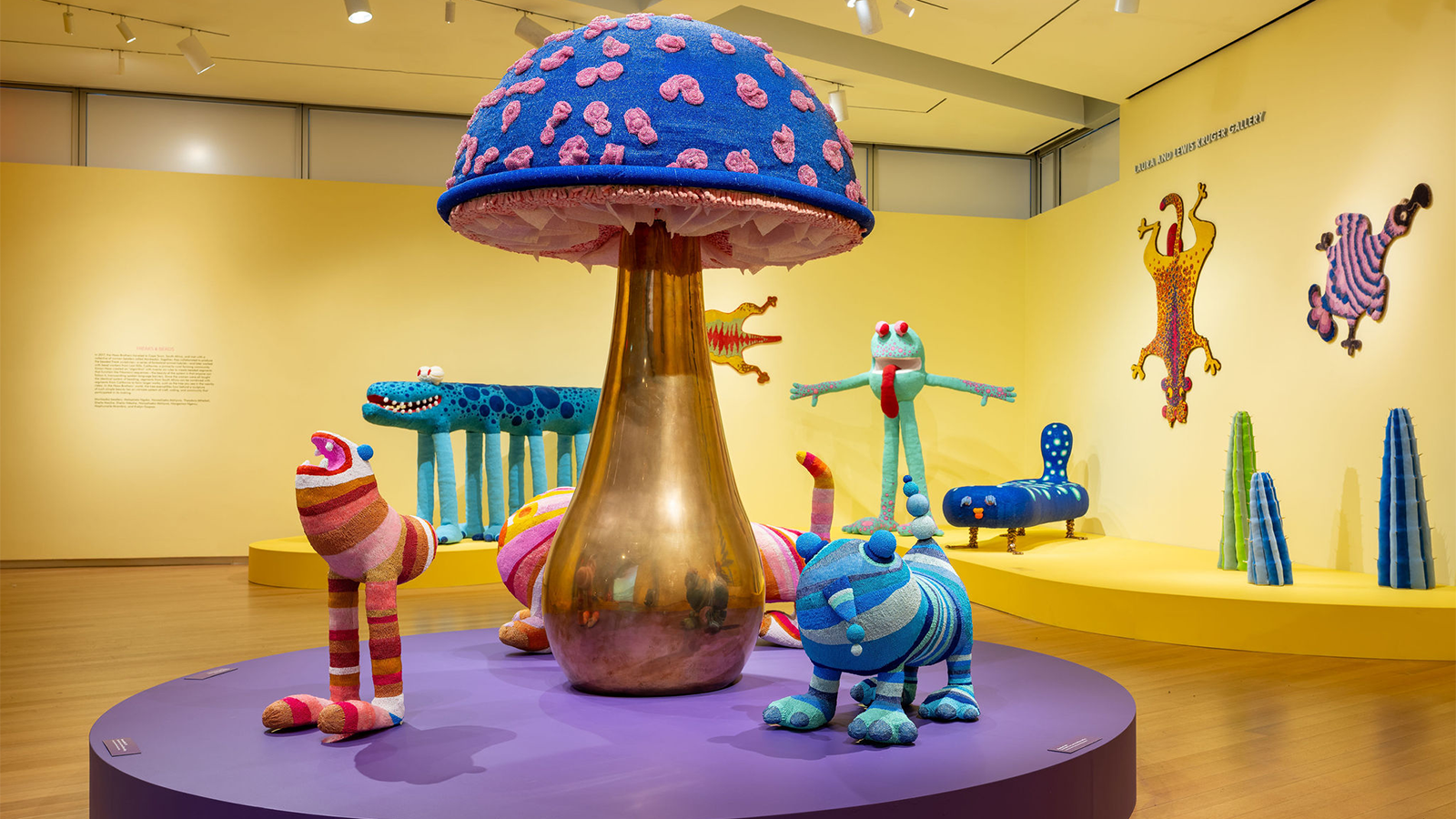
The Museum of Arts and Design (MAD) in New York has opened "Uncanny Valley," a major exhibition dedicated to the Los Angeles-based duo Nikolai and Simon Haas. The show features 85 works spanning 15 years of their practice, showcasing their signature blend of art, furniture, and craft through zoomorphic sculptures and kooky forms. Organized in collaboration with the Cranbrook Art Museum, the exhibition places these physical objects against surreal, algorithmically-generated backdrops that explore the intersection of human craftsmanship and digital technology.

Roar materials: the ‘uncanny’ art of dinosaur puppetry – in pictures

The Australian puppetry company Erth is preparing for a new immersive dinosaur show at the Sydney Opera House. The article provides a behind-the-scenes look at their workshop in Marrickville, where a team of artists and designers hand-craft highly realistic, large-scale dinosaur puppets using animatronics, 3D printing, and traditional craftsmanship.

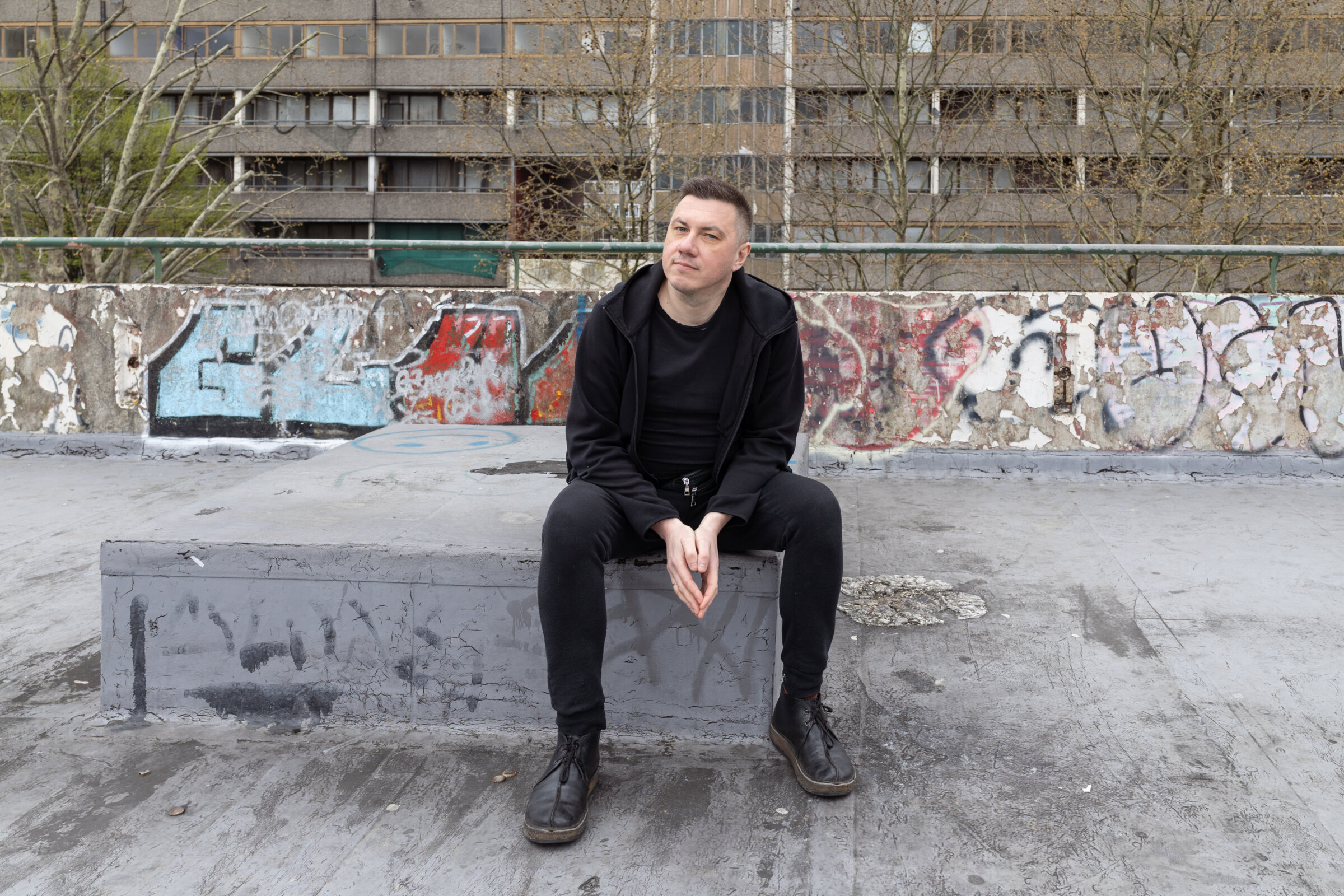
“Double Outsider”: in the London studio of artist Pavel Otdelnov

Russian contemporary artist Pavel Otdelnov has established a home studio in London, where his domestic environment serves as an extension of his artistic practice. Following his relocation in 2022, Otdelnov has integrated Soviet-era motifs—such as wall carpets and television color grids—into his English terraced house to explore themes of memory and the 'uncanny.' His recent works, including 'Unheimlich' and 'No Signal,' utilize these familiar objects to critique how nostalgia can be weaponized and how violence often hides within the mundane.

‘As If’ by Isabel Waidner, Reviewed

Isabel Waidner’s latest novel, 'As If', follows the surreal intersection of two actors, Lewis and Korine, who share an uncanny resemblance and wives with the same name. After meeting in a Central London sublet, the pair decide to swap lives: the younger Korine takes over a high-stakes audition for the grieving Lewis, while Lewis assumes Korine’s domestic and financial burdens. Set against the brutalist backdrop of London’s Barbican and Golden Lane estate, the narrative uses this identity swap to explore the thin line between performance and reality.

In Monica Rohan’s Paintings, Tablecloths and Chairs Uncannily Perch in Remote Landscapes

Monica Rohan, a Brisbane-based artist, creates vibrant oil paintings in which domestic objects like patterned tablecloths and bentwood dining chairs appear in remote, natural landscapes. Her recent works, including those from her upcoming solo exhibition "Invitations" at Sophie Gannon Gallery in Melbourne this June, increasingly omit human figures, allowing the objects themselves to become stand-ins for people. The scenes are inspired by her hiking trip through Tasmania, featuring alpine summits, streams, and meadows.

Anthropomorpha at the Arts Club

The Arts Club of Chicago is currently hosting "Into Your Arm’s Length," a solo exhibition by New York-based artist Oren Pinhassi. The installation features a series of anthropomorphic sculptures crafted from sand and polymer, which Pinhassi integrates with rigid architectural elements like steel bedframes, glass panels, and venetian blinds. These hybrid forms create a surreal landscape where bulbous, organic shapes appear to interact with or "clutch" domestic furniture, challenging the viewer's perception of texture and weight.

Artificial Intelligence as an Uncanny Machine is on Display in a Florence Air-Raid Shelter

L’intelligenza artificiale come macchina perturbante è in mostra in un rifugio antiaereo di Firenze

Artist and philosopher Francesco D’Isa presents "Latent Rooms" at Rifugio Digitale, a gallery located within a former air-raid shelter in Florence. The exhibition features video works created using generative AI models like Midjourney and Seedance 2.0, which D’Isa manipulates to create dreamlike, glitch-heavy sequences. Rather than aiming for cinematic realism, the artist embraces the technical errors and "hallucinations" of the AI, resulting in an aesthetic that blends Renaissance beauty with haunting, domestic melancholy.