filter_list Showing 11 results for "Venice Biennale 2024" close Clear
search
dashboard All 11 museum exhibitions 5article culture 2article news 2rate_review review 2
date_range Range Today This Week This Month All
Subscribe

In Pictures: New Museum curator Gary Carrion-Murayari’s Frieze favourites

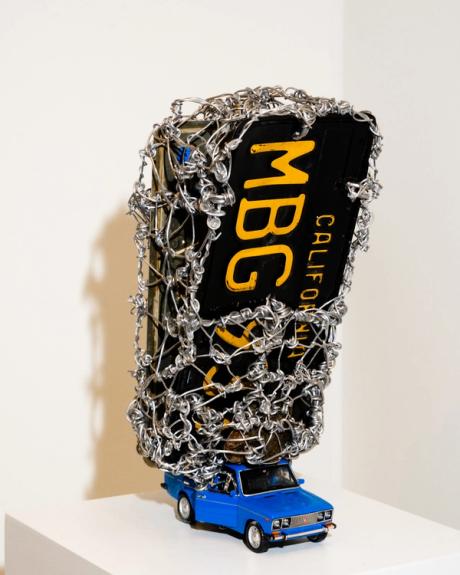
New Museum curator Gary Carrion-Murayari shares his personal highlights from the Frieze New York art fair, selecting works by artists including Arthur Simms, Haegue Yang, Abel Rodriguez and Aycoobo-Wilson Rodríguez, Sung Tieu, Maryam Hoseini, Pedro Neves, and Melvin Way. Each pick is accompanied by a brief commentary explaining why the work resonates with him, ranging from underappreciated talents to artists featured in the 2024 Venice Biennale.
Gabrielle Goliath’s "Elegy" Comes to Venice

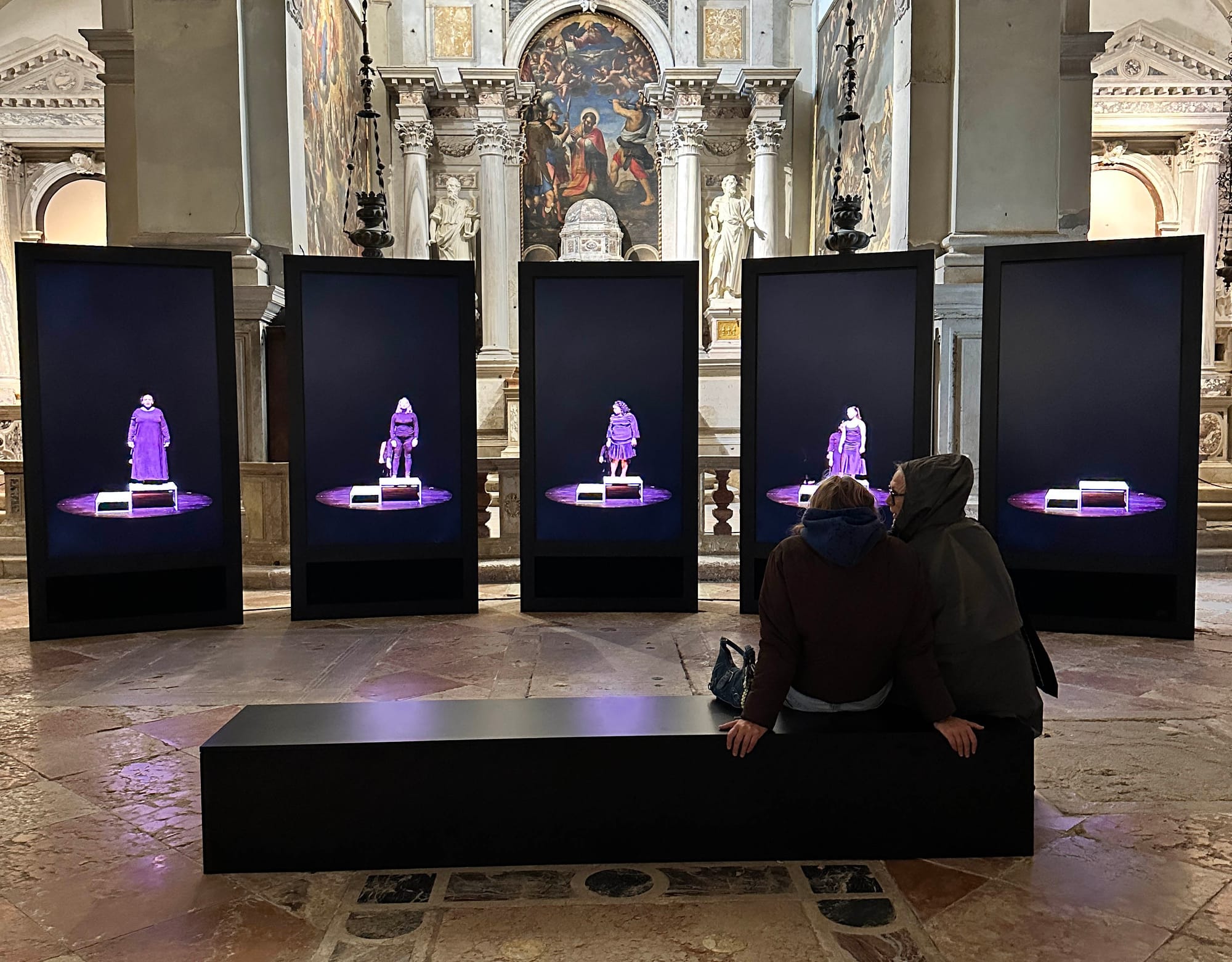
South African artist Gabrielle Goliath’s installation "Elegy" was initially censored by South Africa’s Culture Minister Gayton McKenzie, who blocked it from the country’s pavilion at the Venice Biennale over its focus on Palestinian grief. After public outcry and support from several organizations, the work was instead installed in a Venice church, where critic Aruna D’Souza describes it as "hauntingly beautiful and achingly tender." The article also covers related news: a smear campaign against British-Nigerian photographer Misan Harriman for his Palestinian solidarity, and a list of summer art books.

Review: The Good, The Bad and The Venice Biennale

The article reviews the 2024 Venice Biennale, focusing on controversies over Russia's and Israel's participation. Protests erupted during opening week, leading the EU to cut funding and the International Jury to resign. As a result, awards like the Golden Lion and Silver Lion will be decided by public vote, with many pavilions and artists withdrawing in protest. The main exhibition, curated under the theme 'Minor Keys,' features standout works by Alfredo Jaar and Carrie Schneider, alongside national pavilions like Austria's provocative entry by Florentina Holzinger.

A Political Anthology of the United States: The Great Exhibition of Arthur Jafa and Richard Prince in Venice

Un’antologia politica degli Stati Uniti. La grande mostra di Arthur Jafa e Richard Prince a Venezia

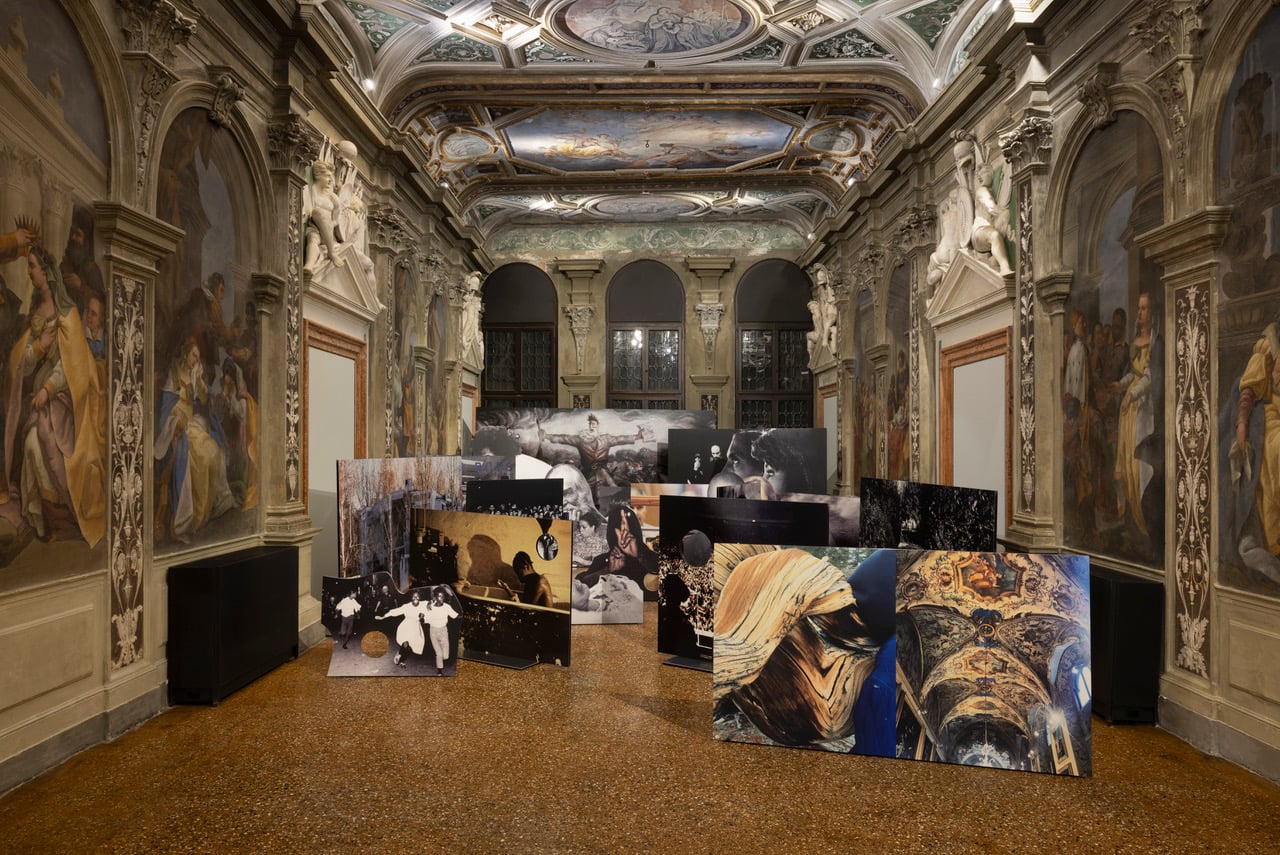
Fondazione Prada presents "Helter Skelter: Arthur Jafa and Richard Prince" at Cà Corner della Regina in Venice, the 15th exhibition produced by the foundation in the city. Curated by Nancy Spector of the Brooklyn Museum, the two-person show brings together over fifty works—photographs, videos, installations, sculptures, and paintings—that explore the fractured identity of the United States through the lens of race, masculinity, popular culture, and appropriation. Both artists, though separated by more than a decade in age, share a practice of scavenging and recontextualizing images from film, comics, advertising, and social media to critique American society.

Finnish museum creates a new and radical support model for artists

Finland's largest art museum, the Espoo Museum of Modern Art (Emma), has launched a radical new artist support model under director Krist Gruijthuijsen. The program commits to four artists—P. Staff, Tarik Kiswanson, Jenna Sutela, and Eglė Budvytytė—over several years, providing financial backing through acquisitions, production support, a part-time stipend, and health insurance. It will culminate in mid-career survey exhibitions in 2029 and 2030, which the museum plans to tour with partner institutions. Three of the artists are currently showing at the Venice Biennale with Emma's support.

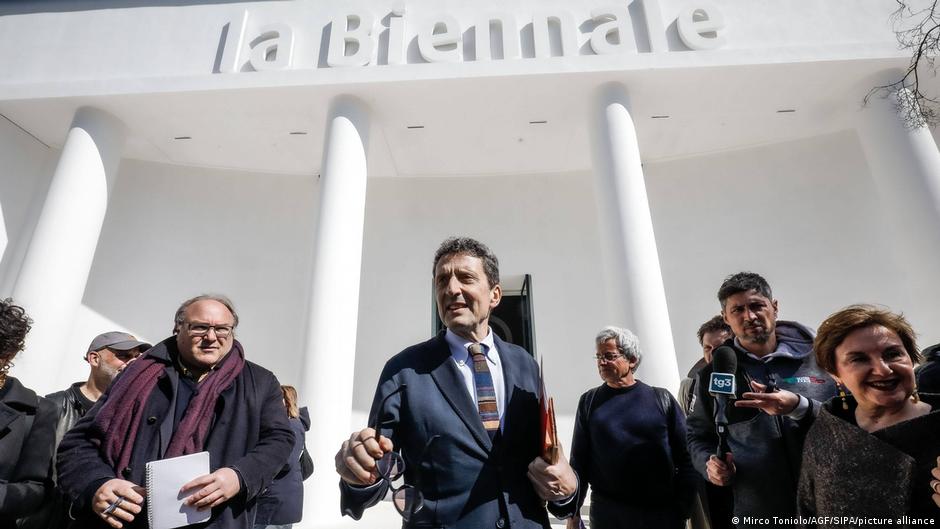
At this year's Venice Biennale, a clash of politics and art exposes the need for a rethink

The 2026 Venice Biennale is plagued by controversy and structural issues. Curator Koyo Kouoh died of cancer in 2025, leaving her team to execute the main exhibition "In Minor Keys" without her. The Biennale's jury resigned after refusing to judge entries from countries charged with war crimes, and media coverage during preview week focused on protests against the Israeli and Russian pavilions rather than the art. The sprawling exhibition features 96 national pavilions and 110 artists, with works ranging from Daniel Lind-Ramos's found-material figures to María Magdalena Campos-Pons's tribute to Toni Morrison and Kouoh.

Gabrielle Goliath Sounds a Call to Action in Venice

Gabrielle Goliath’s exhibition "Elegy" is presented as South Africa’s unofficial pavilion at the 61st Venice Biennale, after the country’s Culture Minister Gayton McKenzie overrode an independent committee’s selection of Goliath, citing her proposed inclusion of a memorial for Palestinians killed in Gaza. The installation features three video works in which singers sound a single note in tribute to victims of violence: a South African femicide victim, two women killed in Germany’s colonial genocide in Namibia, and Palestinian poet Heba Abunada. The show occupies the Chiesa di Sant'Antonin in Venice, curated with Ingrid Masondo, after a legal challenge against McKenzie was dismissed.

Since 1968, Protests Have Revealed the Real Impact of the Venice Biennale

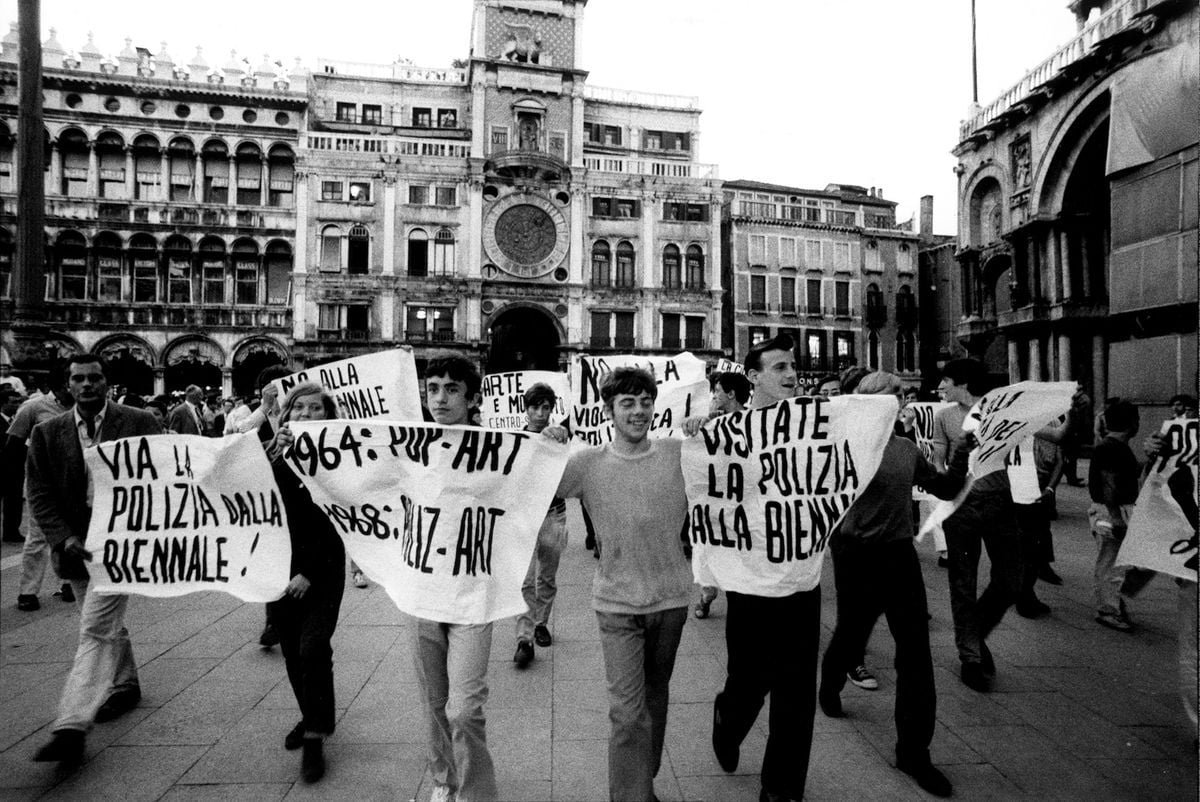
The article recounts the 1968 protests at the Venice Biennale, where artists, students, and activists clashed with police over the event's perceived ties to bourgeois power and capitalist commodification. It draws parallels to the 2024 Biennale, where groups like Art Not Genocide Alliance, Pussy Riot, and Femen demonstrated against the participation of Russia and Israel, while artists staged strikes and performances like the Solidarity Drone Chorus to highlight the Gaza conflict.

Iran Pushes Back on Venice Biennale Withdrawal Reports: ‘We’re Still Coming’

Iran has pushed back against reports that it withdrew from the 2024 Venice Biennale, with Aydin Mahdizadeh Tehrani, director-general of visual arts at Iran's ministry of culture, stating that the country never withdrew and is still in negotiations to participate. Tehrani told the Iran Students News Agency that Iran submitted a plan for a pavilion and is awaiting a final response, despite unresolved issues including sanctions, high rental costs, and the ongoing war with Israel and the US. Meanwhile, a separate unofficial pavilion called the Hyperstitional Pavilion of Iran, curated by Pouya Jafari and Nazli Jan Parvar, has been announced, featuring works by Iranian artists and organized by Finland-based nonprofit Perpetuum Mobile.

Ashfika Rahman's art lands in New York Times Critics' Top 6

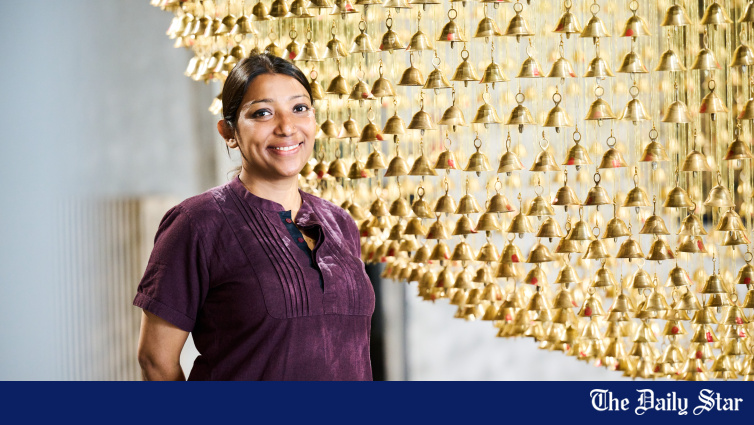
Bangladeshi visual artist Ashfika Rahman has been recognized by The New York Times as one of the six must-see shows at the Venice Biennale, with her work "Than Para — No Land Without Us" featured in the collateral exhibition "Still Joy — From Ukraine into the World." The installation, presented by the PinchukArtCentre and curated by Björn Geldhof and Oleksandra Pohrebnyak, incorporates thousands of small temple bells gathered from different spiritual traditions and draws on testimonies from Ukraine as well as the struggles of Indigenous communities in Bangladesh's Hill Tracts.

Venice Biennale: Is art ever separate from politics?

The article, published by DW, examines the ongoing debate about the relationship between art and politics, using the Venice Biennale as a case study. It highlights how the 2024 edition of the Biennale has become a platform for political statements, particularly regarding Russia's exclusion from the event following its invasion of Ukraine, and the broader question of whether cultural institutions can remain neutral in times of geopolitical conflict.