filter_list Showing 7 results for "Vittore Carpaccio" close Clear
search
dashboard All 7 museum exhibitions 4article culture 2gavel restitution 1
date_range Range Today This Week This Month All
Subscribe

At MAXXI L'Aquila, exhibition dedicated to Ai Weiwei recounts catastrophes and memory

From April 29 to September 6, 2026, MAXXI L'Aquila presents "AI WEIWEI: Aftershock," an exhibition curated by Tim Marlow featuring approximately seventy works by Chinese artist, architect, and activist Ai Weiwei. The show spans his entire career, focusing on themes of earthquakes, wars, political repression, and memory. The centerpiece is the installation "Straight" (2009–2012), made from 150 tons of steel rods recovered from schools that collapsed in the 2008 Sichuan earthquake, displayed across three rooms. The exhibition is held at Palazzo Ardinghelli, a Baroque building that houses MAXXI L'Aquila and was itself restored after the 2009 L'Aquila earthquake, creating a dialogue between the works and the building's history of recovery.

art bites doges palace fire 2718336

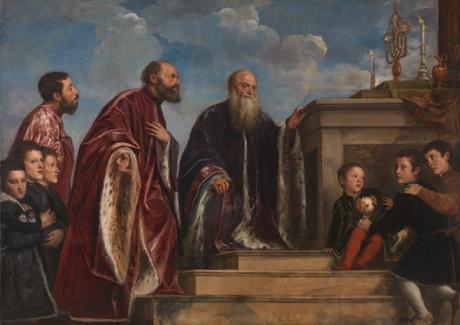
The Doge's Palace in Venice has suffered multiple fires over its history, with the most devastating occurring in 1577. That blaze destroyed the Great Council Chamber, consuming irreplaceable artworks including a 1365 fresco by Guariento di Arpo, portraits of past doges by Titian, and paintings by Tintoretto, Vittore Carpaccio, Pisanello, Bellini, and Paolo Veronese. The fire's cause remains unknown, but its impact was catastrophic due to the chamber's concentration of highly valued Renaissance paintings.

An eerie Renaissance masterpiece, fresh from a four-year restoration process, goes on show in Berlin

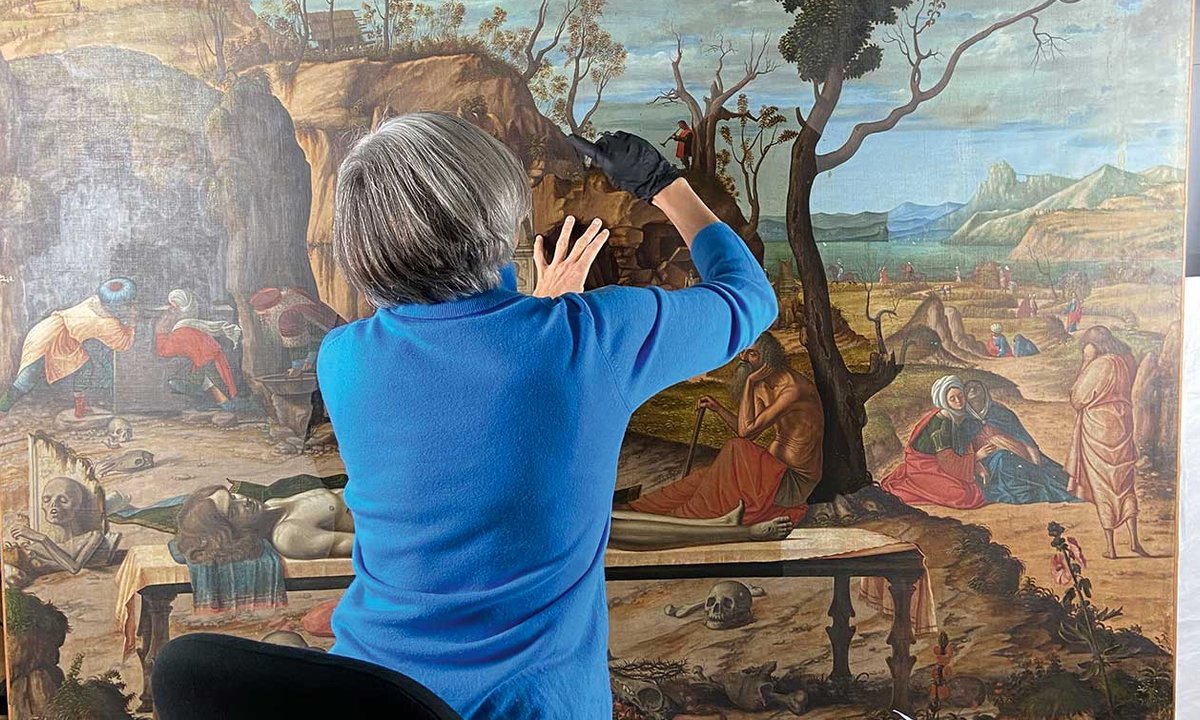
Berlin's Gemäldegalerie has unveiled Vittore Carpaccio's "The Preparation of Christ's Tomb" (circa 1505-20) after a four-year restoration that removed decades of dirt and discolored varnish. The cleaned painting reveals new subtleties, including a striking sky of bright blue and stubborn grey clouds, and will be the centerpiece of a small exhibition titled "Tribute to Vittore Carpaccio" running from November 20 to April 6, 2026. The restoration was led by recently retired head conservator Babette Hartwieg, who also reinvestigated a false Mantegna signature that had misled earlier attributions.

How the adoption of canvas in Venice changed the way artists painted

Art historian Cleo Nisse has published a new book, *Venetian Canvas and the Transformation of Painting*, examining how 16th-century Venetian painters such as Titian, Veronese, and Tintoretto pioneered the use of canvas as a painting support. Nisse reveals that canvas was not a uniform material—artists experimented with different weaves, including tabby and herringbone patterns, and even repurposed sailcloth and tablecloth-quality fabrics to achieve specific visual effects. The book argues that canvas was already familiar in the late Middle Ages for banners and alternatives to tapestry, and that Vittore Carpaccio was the first master of the medium, varying canvas types for expressive purposes in his *Legend of St Ursula* series.

italian politicians protest return of altarpiece slovenia 1234751577

A 16th-century altarpiece by Vittore Carpaccio, *Madonna and Child Enthroned with Six Saints* (1518), has been returned to the Slovenian town of Piran, where it was originally commissioned for the Church of St. Francis of Assisi. The painting was removed in 1940 and placed in Padua for safekeeping during World War II, remaining in the Basilica of Sant’Antonio for decades. Following pressure from Franciscan friars in Padua, the work was quietly transferred back to Piran on September 4, days before Italian President Sergio Mattarella’s state visit to Slovenia. Slovenian Culture Minister Asta Vrečko hailed the return as the result of long-standing efforts.

Frist Exhibition Dresses a Bloody History in Silk and Velvet

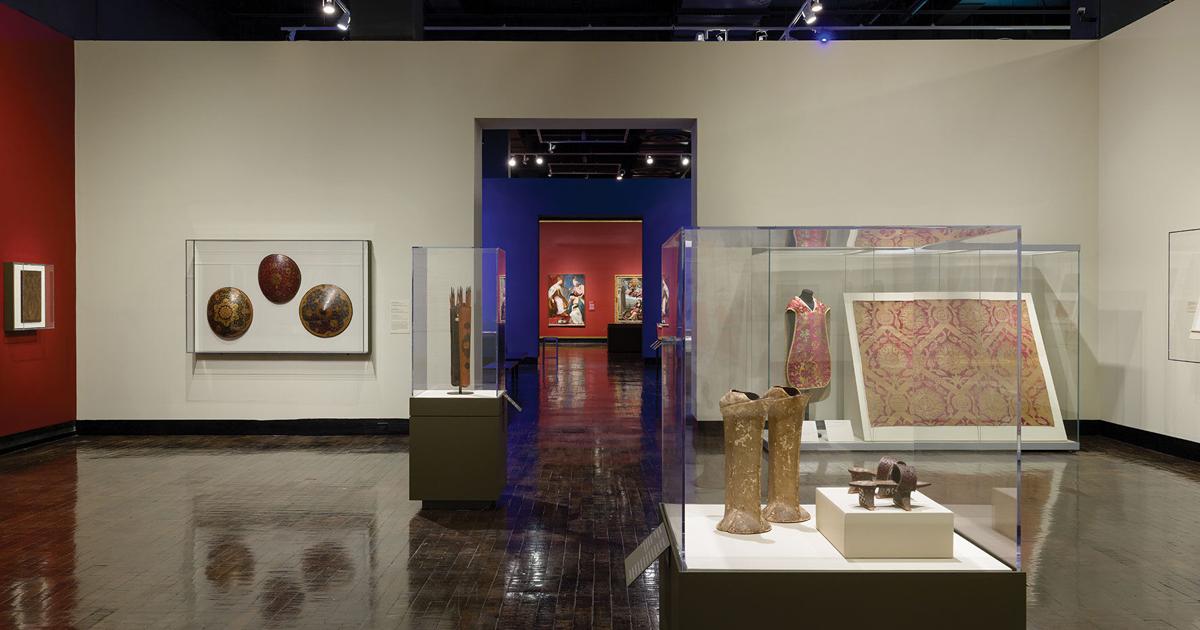
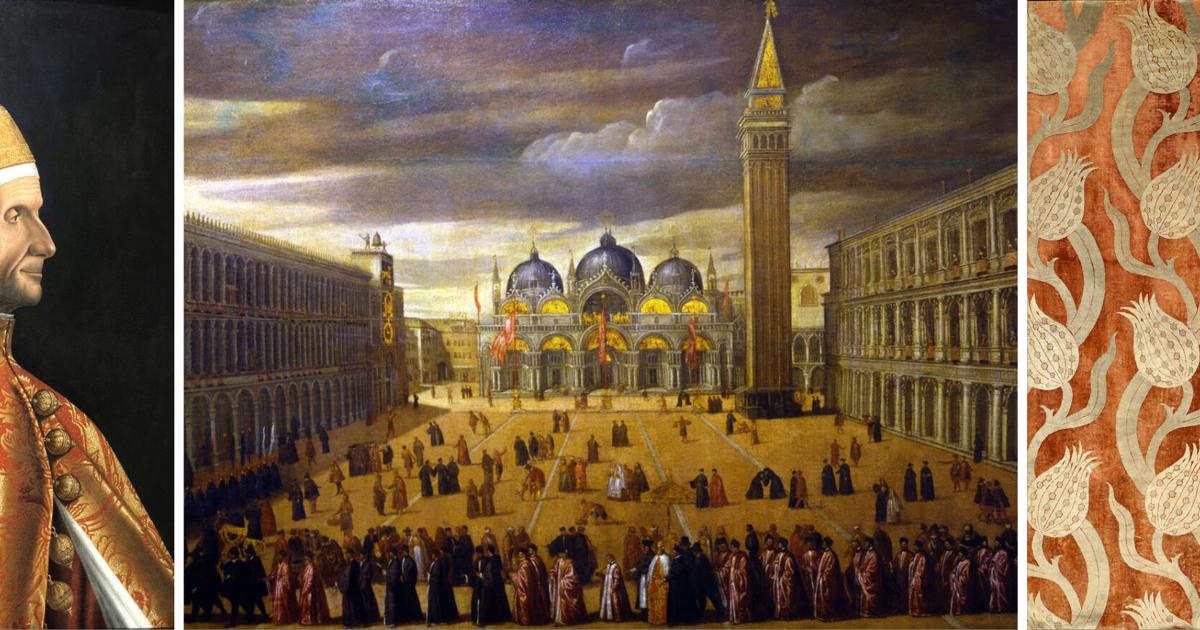
The Frist Art Museum's summer exhibition, "Venice and the Ottoman Empire," presents over 150 artifacts from Venice's civic museums, Fondazione Musei Civici di Venezia, and the University of Zadar's museum. Co-curated by Stefano Carboni and Trinita Kennedy, the show explores the complex relationship between the Ottoman Empire and the Republic of Venice, highlighting not only their centuries of brutal warfare but also their extensive trade networks and cultural exchange. Luxury textiles, including silk and velvet with Ottoman designs, feature prominently, alongside books, a qibla indicator, and military artifacts like a 17th-century Ottoman banner. The exhibition focuses on commerce and the elite who commissioned portraits, though it notably omits discussion of the slave trades and minimizes production processes.

NSIDER: Frist Art Museum Debuts ‘Venice and the Ottoman Empire’

The Frist Art Museum has debuted 'Venice and the Ottoman Empire,' an interactive exhibition exploring the cultural, artistic, and commercial exchanges between Venetians and Ottomans from 1400 to 1800. Featuring over 150 works from seven Venetian museums, the show includes ceramics, glass, metalwork, paintings, prints, and textiles by artists such as Gentile Bellini and Vittore Carpaccio, alongside anonymous craftspeople. Immersive elements like soundscapes, scent stations, and a video installation with Nashville chefs Paulette Licitra and Ilyas Bakla enhance the experience, with rooms dedicated to doges, sultans, shipwreck artifacts, and the spice trade.