filter_list Showing 5 results for "Zurbarán at the National Gallery" close Clear
search
dashboard All 5 museum exhibitions 3rate_review review 2
date_range Range Today This Week This Month All
Subscribe

A mind-bending Spaniard, an imagistic Puerto Rican and a lush Latvian – the week in art

This week's art roundup from The Guardian features a major exhibition on Spanish painter Francisco de Zurbarán at the National Gallery in London, described as a mind-bending and revelatory show with loans from the Prado and other top museums, positioning him alongside Goya and Picasso. Other highlights include Gilbert & George's tribute to their late homeless friend at their London centre, outdoor sculptures by Lynn Chadwick at Houghton Hall, thickly built-up paintings by Angel Otero at Hauser & Wirth Somerset, and abstract works by Latvian sculptor Daiga Grantina at Warwick Arts Centre. The article also covers a new Banksy statue in central London depicting a man marching with a flag, and a Masterpiece of the Week feature on Guido Reni's 'Saint Mary Magdalene'.
The Top Exhibitions To See In London: May 2026

London’s art scene prepares for a major influx of high-profile exhibitions in May 2026, headlined by a comprehensive survey of Francisco de Zurbarán at the National Gallery and the grand opening of the Quentin Blake Centre for Illustration in Clerkenwell. Other significant highlights include a sprawling outdoor installation of Henry Moore’s monumental bronzes at Kew Gardens, the debut of the 'Rising Voices' contemporary art exhibition at the newly opened V&A East, and a rare European retrospective of James McNeill Whistler at Tate Britain featuring the iconic 'Whistler's Mother'.

Zurbarán at the National Gallery - an unmissable show of baroque genius

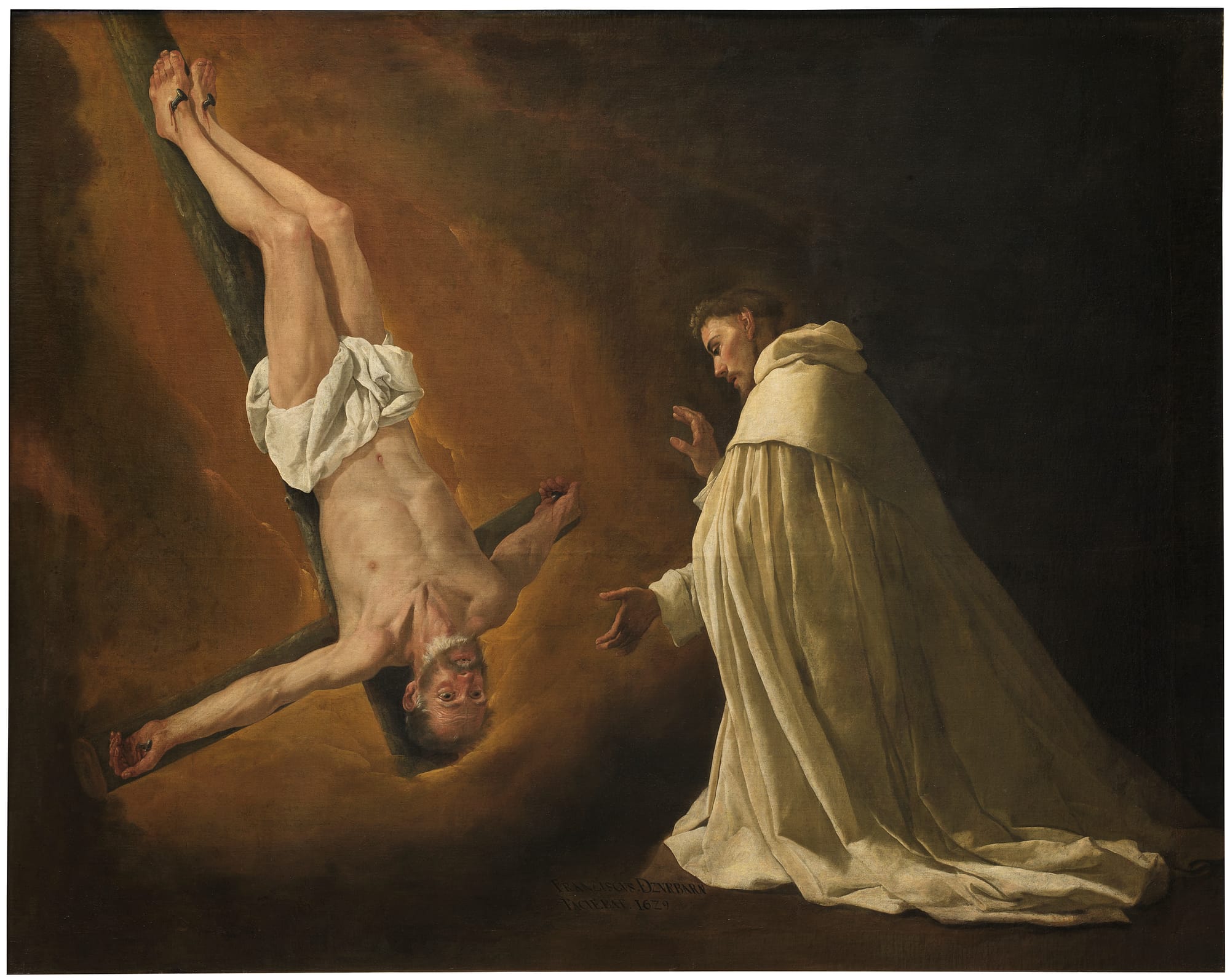
The National Gallery in London presents a landmark exhibition of Francisco de Zurbarán (1598-1664), the first major retrospective of the Spanish Baroque master in Britain. In collaboration with the Louvre and the Art Institute of Chicago, the gallery has assembled over 40 works from institutions worldwide, including Seville and San Diego. The show features Zurbarán's electrifying religious paintings and radiant still lifes, displayed in darkened galleries that echo the chiaroscuro of his compositions. Highlights include the shattering *The Crucifixion* (1627) and *Saint Peter Nolasco's Vision of Saint Peter the Apostle* (1629), which demonstrate his hyper-real, sculptural approach to sacred subjects.

Zurbarán at the National Gallery is more agony than ecstasy

The article reviews the exhibition 'Zurbarán' at the National Gallery in London, arguing that the show fails to capture the spiritual intensity and emotional power of the Spanish Baroque painter's work. It criticizes the curatorial choices, suggesting the display feels flat and lacks the ecstatic religious fervor that defines Zurbarán's best paintings, leaving viewers with a sense of agony rather than transcendence.

Did Zurbarán Believe What He Painted?

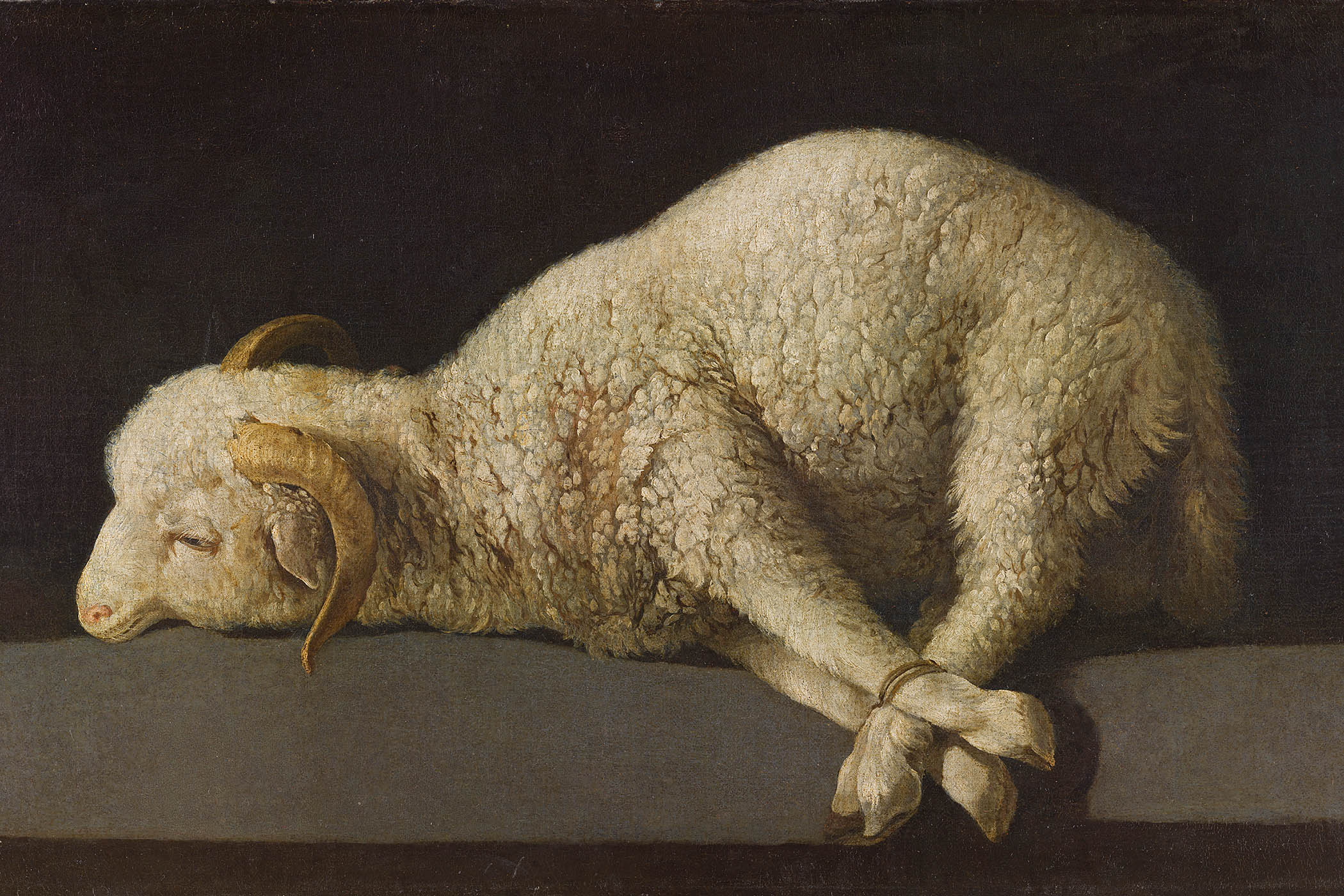
An exhibition of Francisco de Zurbarán's 17th-century religious paintings at London's National Gallery prompts a critic to question whether the artist's personal faith influenced his artistic skill. The show features monumental works from Spanish churches and monasteries, displayed dramatically against black walls, including crucifixion scenes, monks, and saints. The critic notes that no personal records of Zurbarán survive—only contracts—leaving his beliefs unknown, and compares him to Agnolo Bronzino, who painted pious scenes but wrote obscene verses. A small painting of a crucified Christ with a painter, possibly a self-portrait of Bronzino, is presented as ambiguous evidence of faith.