
filter_list Showing 3 results for "albert scopin" close Clear
dashboard All 3 article news 3
date_range Range Today This Week This Month All
Subscribe

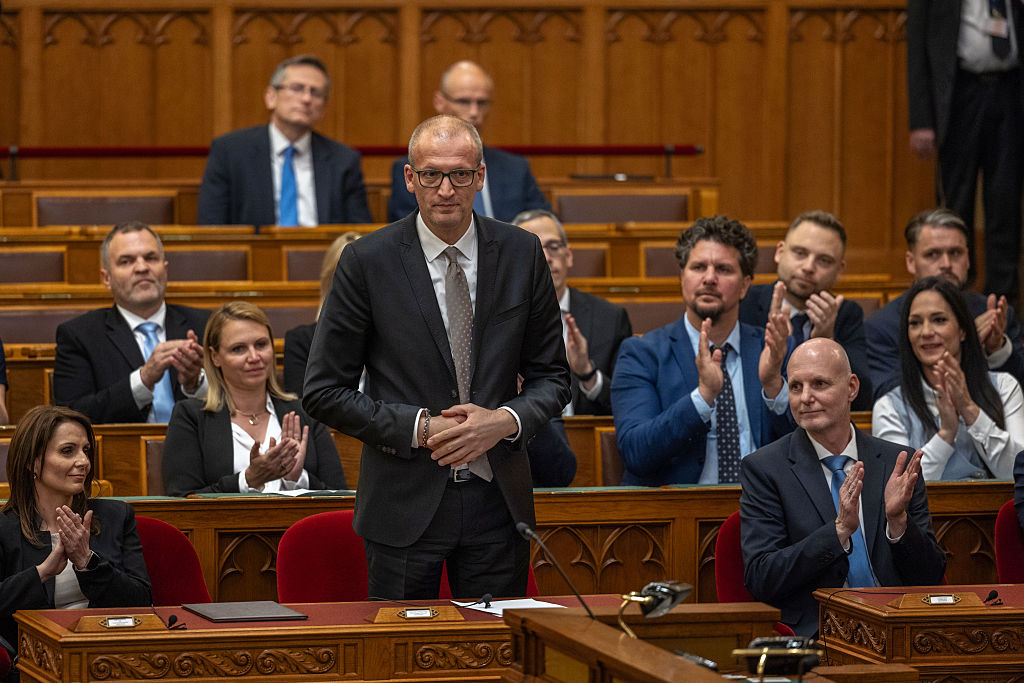
Hungary’s New Minister of Culture Vows to Restore Artistic Freedom, Turner’s Famous ‘Self-Portrait’ Called Into Doubt, and More: Morning Links for May 14, 2026

An expert claims that the iconic self-portrait of J.M.W. Turner, which hangs in Tate Britain and appears on British £20 notes, was not actually painted by Turner. James Hamilton, a Turner scholar, argues the work was misattributed when it entered the Turner Bequest and may instead be by Turner contemporary John Opie. Meanwhile, Hungary’s new Minister of Culture, Zoltán Tarr, vows to restore artistic freedom and dismantle political control over cultural institutions following the election of Prime Minister Peter Magyar. The Trump administration is proceeding with construction of a contested Triumphal Arch and a White House ballroom, and a former Louvre employee has been charged in a ticket fraud scandal.
Long-Lost Photos of Chelsea Hotel Resurface, Revealing a Vanished New York

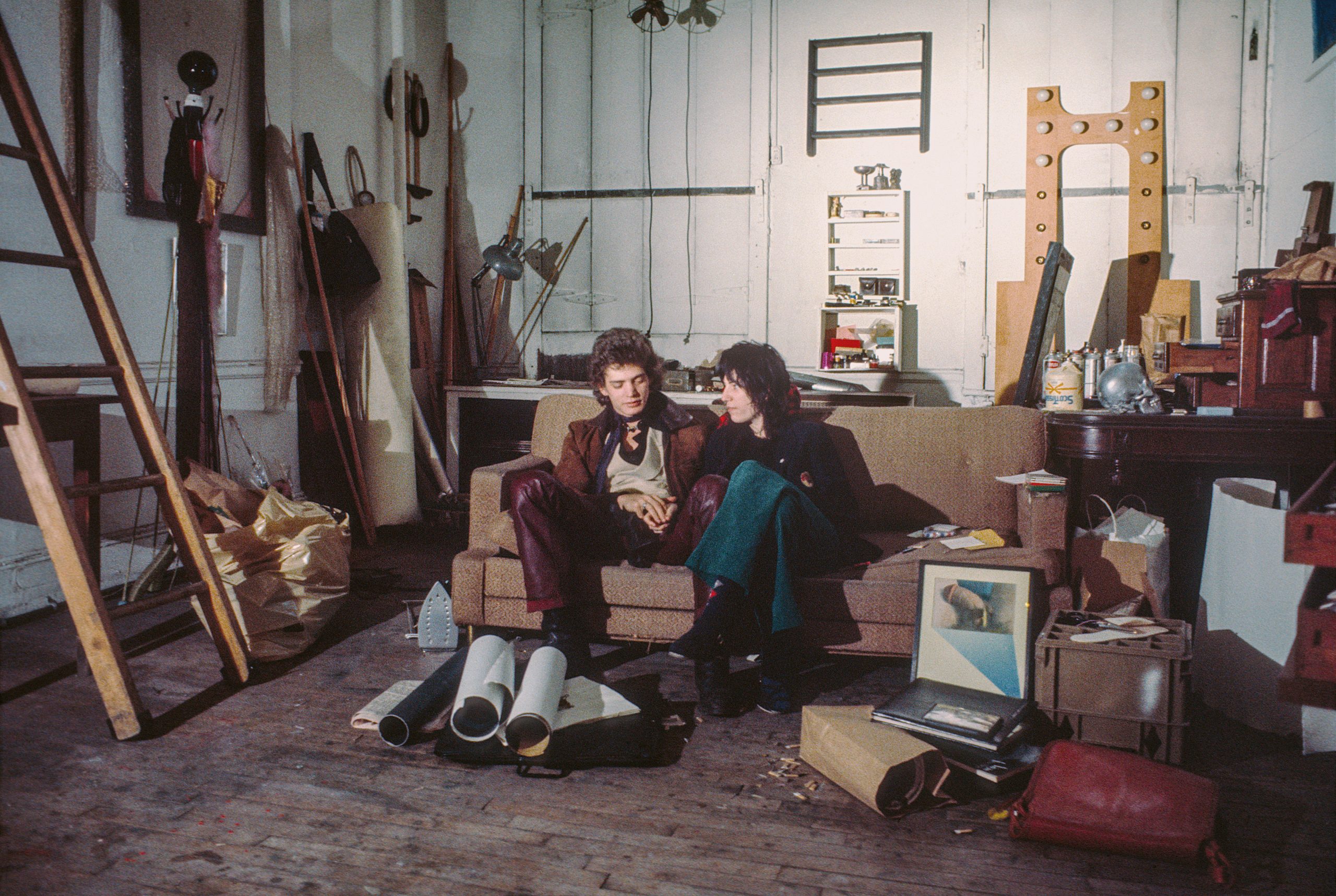
A collection of over 100 photographs by German photographer Albert Scopin, taken while he lived at New York's legendary Chelsea Hotel from 1969 to 1971, has been rediscovered and published in a new book. The images, long thought lost after being sent to a German magazine in the 1970s, were unexpectedly recovered by a gallerist in 2016 and capture the hotel's eclectic residents and vibrant countercultural scene.

Artists, clowns, runaways: a stay at the Chelsea Hotel – in pictures

Photographer Albert Scopin has released a new book through Kerber Verlag documenting his residency at New York’s iconic Chelsea Hotel between 1969 and 1971. The collection features rare, intimate portraits of the hotel's legendary inhabitants, including a young Patti Smith and Robert Mapplethorpe before their rise to global fame, alongside long-time manager Stanley Bard and avant-garde figures like Vali Myers and Holly Woodlawn. Scopin’s lens captures the 'creative chaos' of the era, from the art-filled lobby to the eccentric private quarters of residents like composer George Kleinsinger.