filter_list Showing 6 results for "anya gallaccio" close Clear
search
dashboard All 6 article culture 3museum exhibitions 3
date_range Range Today This Week This Month All
Subscribe

Slags, bings and pipelines: Edinburgh landscape offers fitting backdrop for exhibition on fossil fuel extraction

Jupiter Artland, a sculpture park and gallery near Edinburgh, Scotland, is hosting the exhibition "Extraction" (through July 26), which examines the impact of fossil fuel extraction on landscapes and culture. Set against a backdrop of historic shale oil bings, North Sea oil pipelines, and modern wind farms, the show features five artists who explore energy histories through nuanced, non-polemical lenses. Glasgow-born painter Siobhan McLaughlin uses earth pigments gathered from the nearby Five Sisters Bing to create works like "Date of Exhaustion" (2025) and "Pioneer Species" (2025), turning mining waste into art that reflects on memory, ecology, and regeneration.
Art of Luxury

The article introduces *Art of Luxury*, a biannual magazine published by *The Art Newspaper* that examines the intersection of high-end fashion, jewelry, travel, and lifestyle with the visual arts. It covers how luxury brands engage with artists, the art market, and museums and heritage institutions.

Why Helen Chadwick’s earthy, provocative art remains as vital as ever

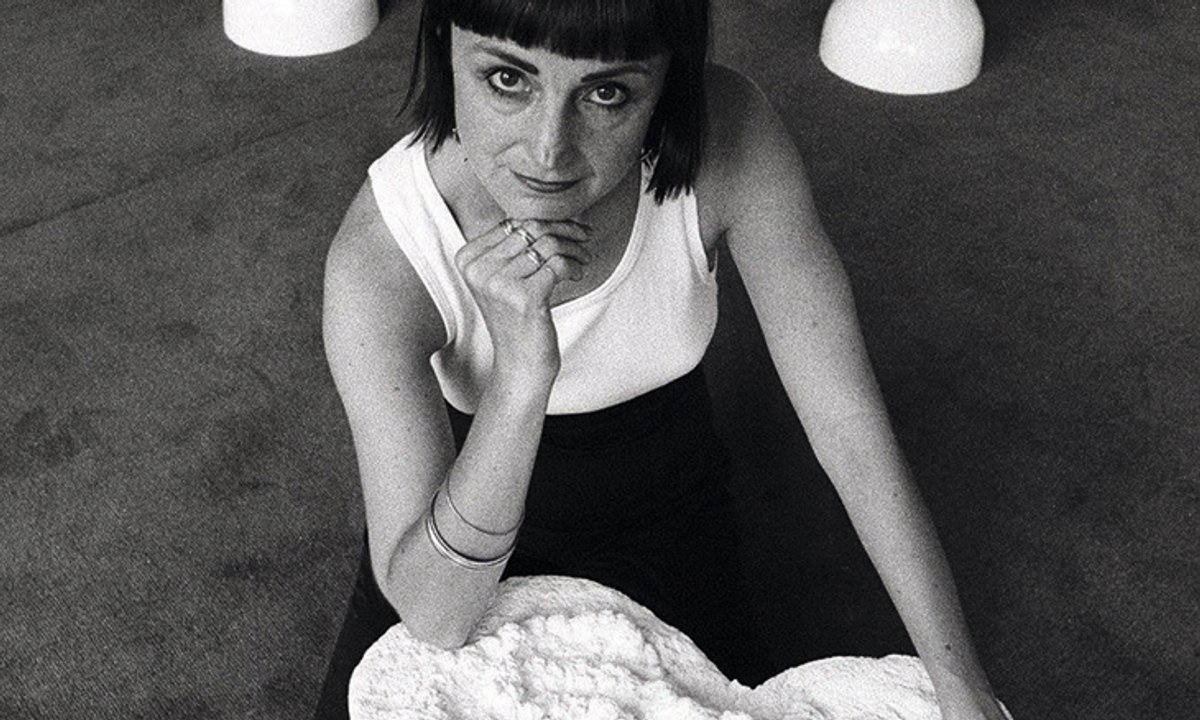
Nearly 30 years after her death in 1996 at age 42, artist Helen Chadwick is receiving renewed attention with a major retrospective, "Helen Chadwick: Life Pleasures," at the Hepworth Wakefield. The exhibition spans two decades of her provocative work, including iconic pieces like "The Oval Court" (1984-86) and the chocolate fountain "Cacao" (1994). Chadwick was known for using unconventional materials—rotting organic waste, meat, hair, cleaning fluids—to explore identity, gender, and the sensuous body, often with irreverent humor. She was also a influential teacher at the Royal College of Art, Goldsmiths, Chelsea, and Central St Martins, mentoring artists such as Tracey Emin, Anya Gallaccio, Sarah Lucas, and Damien Hirst.

Comment | As Cop30 opens in Brazil, it is time for the art world to embrace ethics with aesthetics

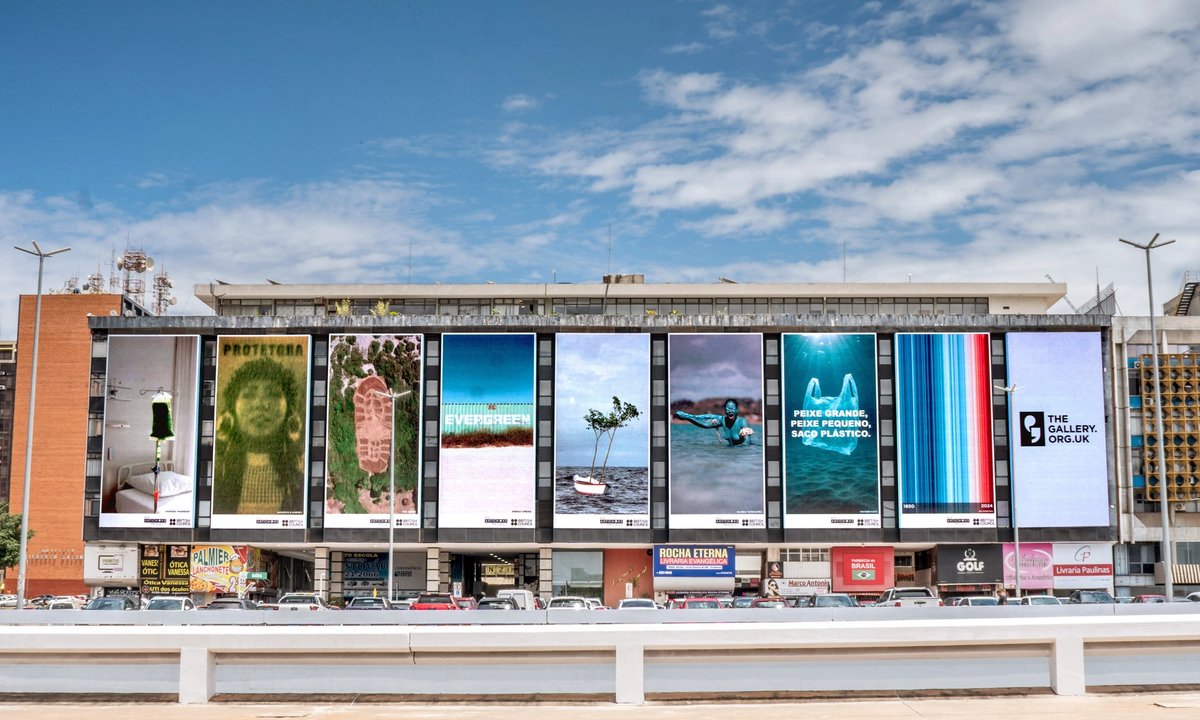
COP30, the United Nations Climate Change Conference, opens in Belém, Brazil, with culture officially on its agenda for the first time, thanks to advocacy from the Amazonian activist group Labverde and Art of Change 21. The conference features interventions and performances by eight Brazilian and indigenous artists, including photographer Christian Braga and activist Beto Oliveira, alongside a flurry of artist-led activities in UK galleries and institutions. The article also marks the tenth anniversary of Gustav Metzger's environmental art project "Remember Nature," which mobilized over 140 artists including Judy Chicago, Olafur Eliasson, and Marina Abramović, and was revisited on November 4, 2025, with sixteen English arts institutions hosting public projects.

Out of the wrapper and into the gallery: the art of chocolate

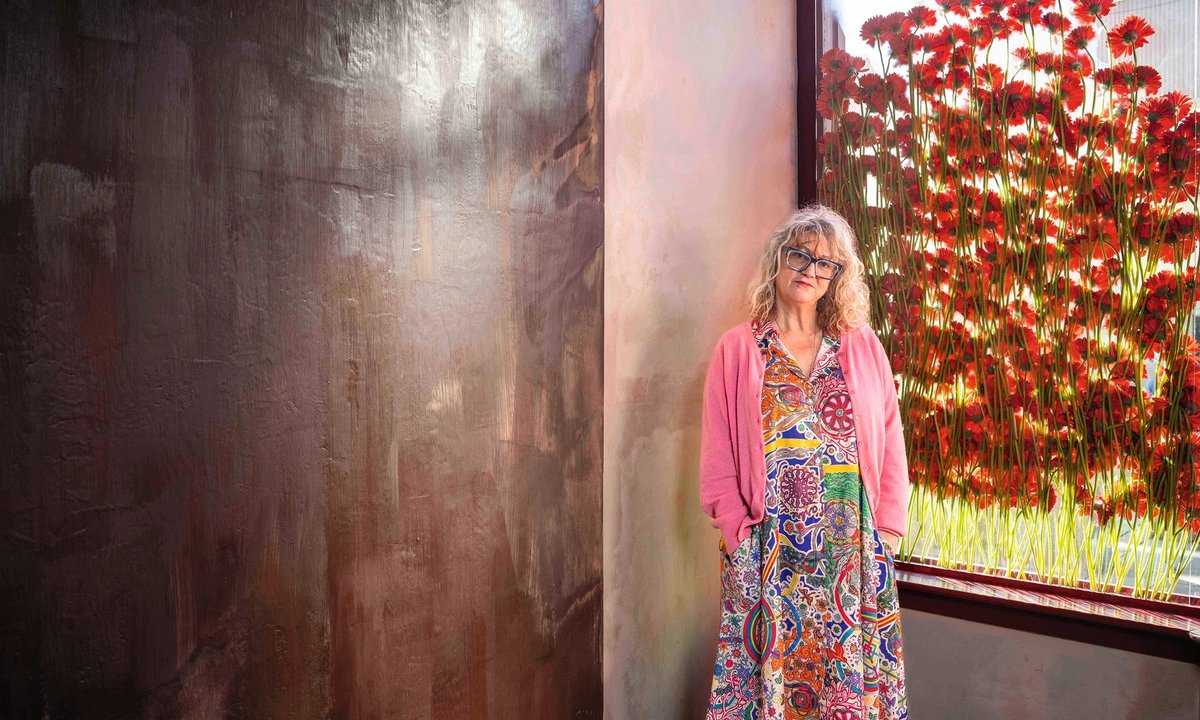
Artist Anya Gallaccio discusses her use of chocolate as an art material, tracing her first experiments in 1992 at Rodolphe Janssen gallery in Brussels, where she commissioned chocolate guns, and her 1994 solo show "Brown on White" at Galerie Krinzinger in Vienna, where she painted gallery walls with melted couverture chocolate. The work invited visceral audience reactions, including licking the walls, and engaged with themes of desire, decay, and the colonial and class histories of chocolate consumption.

Sex, beauty and the body: how Helen Chadwick shaped British contemporary art

A new critical biography, "Helen Chadwick: Life Pleasures," has been published, marking the first comprehensive study of the British artist Helen Chadwick (1953-96). Edited by Laura Smith, director of collections and exhibitions at the Hepworth Wakefield, the book includes contributions from historian Marina Warner, curator Katrin Bucher Trantow, and artist Maria Christoforidou. A touring exhibition of Chadwick's work opens at the Hepworth Wakefield on 17 May and runs until 27 October. The article highlights Chadwick's provocative, punky, and perverse body-focused works, such as "Untitled (Eat Art)" (1973), where she cast her face in jelly for viewers to consume, and "Piss Flowers" (1991-92), made from snow she urinated on. It also recounts the infamous 1986 incident at the Institute of Contemporary Arts in London, where her sculpture "Carcass"—a glass tower of rotting vegetables—leaked and collapsed.