filter_list Showing 29 results for "archaeological park" close Clear
dashboard All 29 article news 12museum exhibitions 7article local 3article policy 3gavel restitution 3article culture 1
date_range Range Today This Week This Month All
Subscribe

villa de poppea frescoes 2733430

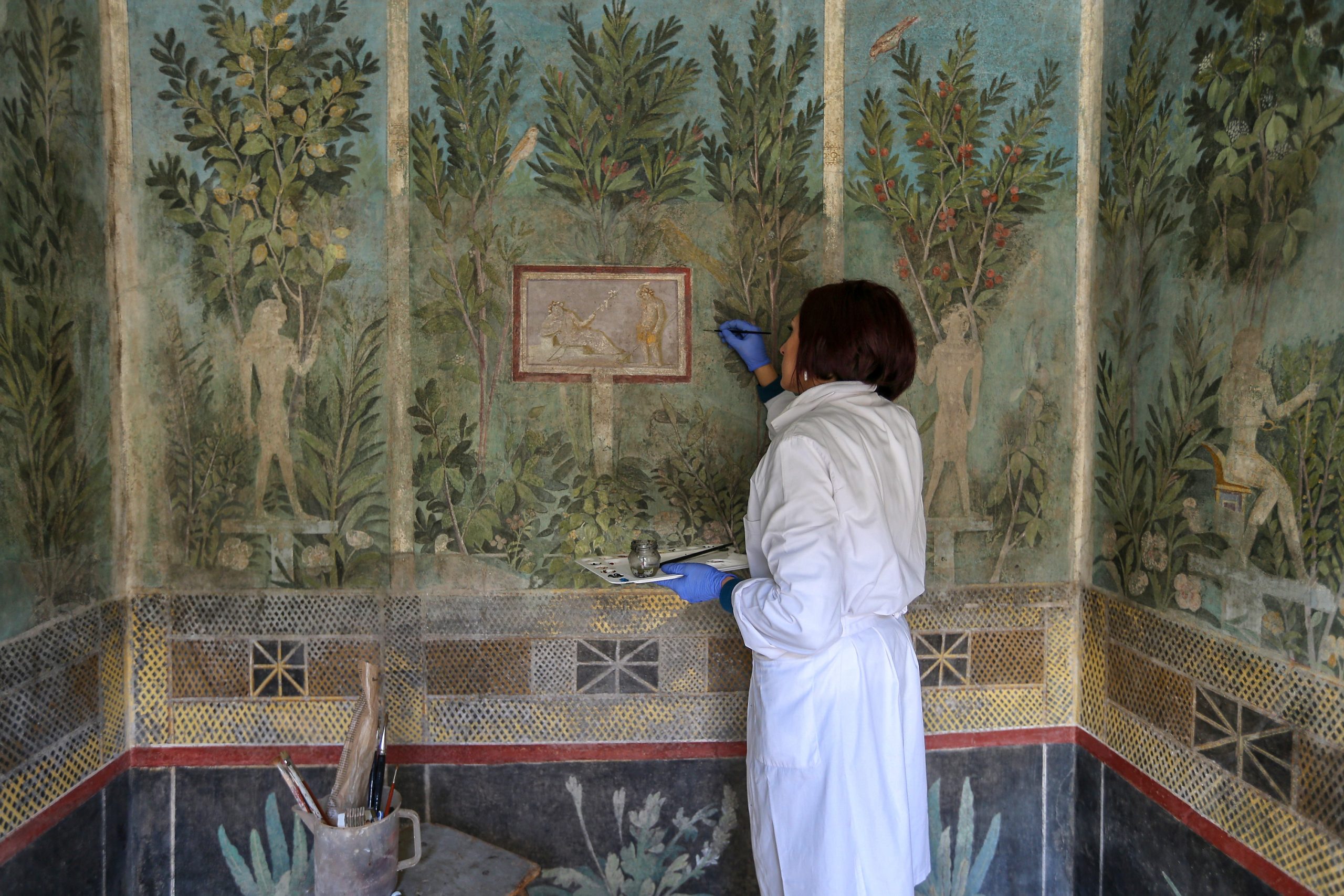
Several vivid frescoes have been uncovered during the ongoing excavation of Villa di Poppea, an ancient Roman villa in Oplontis near Naples that was buried by the eruption of Vesuvius in 79 A.D. The newly revealed decorations include an intact peacock fresco and fragments of a mask linked to the comedic character Pappus from the Atellan Farce. The discoveries were made in a room now called the Hall of the Peacock, part of the villa's western section, which is being excavated as part of a conservation project. Other finds include four new rooms, tree root casts showing an ornamental garden layout, and two richly decorated cubicula currently undergoing restoration.

risque pompeii mosaic looted german restituted 2668012

A Roman erotic mosaic looted from Pompeii by a German Wehrmacht captain during World War II has been returned to Italy and is now on display at the Archaeological Park of Pompeii. The heirs of the last owner contacted the Carabinieri in Rome, leading to a diplomatic repatriation via the Italian Consulate General in Stuttgart, Germany, in September 2023. The mosaic, dating to around 79 C.E., depicts a pair of lovers and is thought to have decorated a bedroom floor in a Roman villa.

Capitalism, cityscapes and the climate crisis take centre stage at Luma Arles

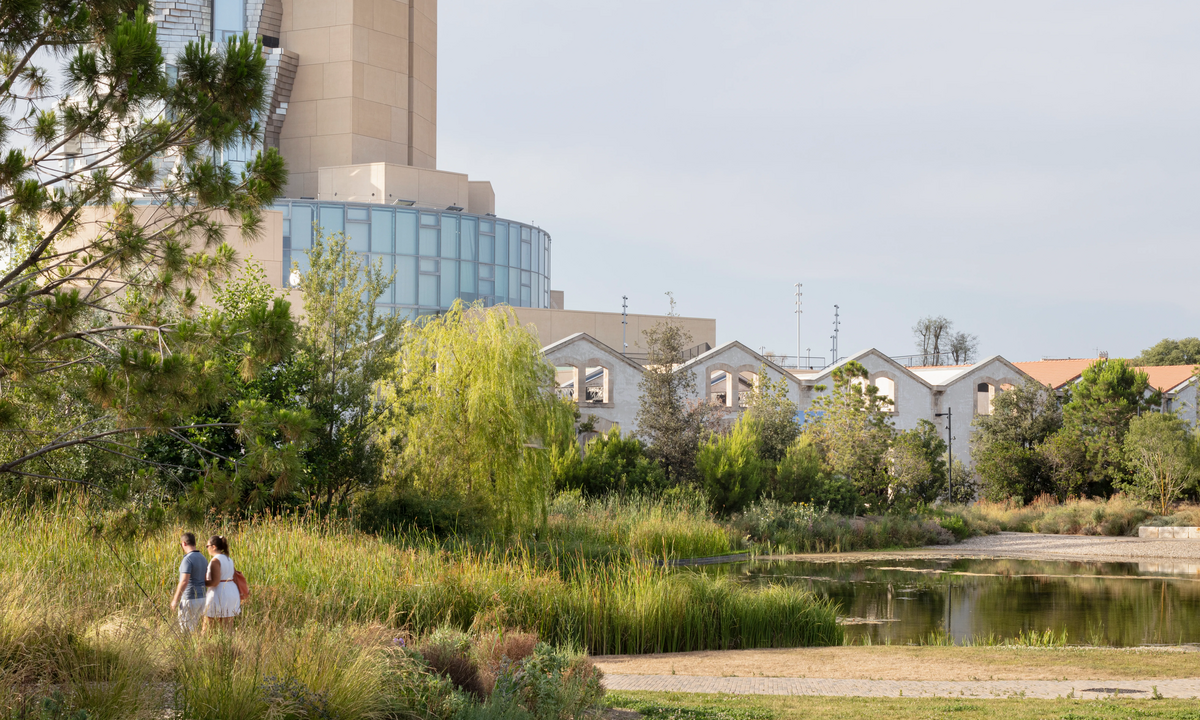
Peter Fischli's exhibition "People Planet Profit" at Luma Arles presents hundreds of cheap, poorly designed business books he photographed over seven years, exploring the tension between capitalism, climate crisis, and social wellbeing. The show includes sculptures and screen prints that critique late-stage capitalism and mass tourism. Alongside it, landscape architect Bas Smets presents "Climates of Landscape," a practical exhibition proposing urban ecological solutions to rising temperatures and tides, featuring a microclimate installation within the former industrial building.

Meloni takes control of Italian museums

Meloni reprend en main les musées italiens

Italy’s culture ministry under Prime Minister Giorgia Meloni has appointed 14 new directors for so-called “second-tier” museums, reinforcing a shift away from the international “super-director” model introduced by the 2014 Franceschini reform. All appointees are Italian except for French director Axel Hémery, who was reappointed at the Pinacoteca di Siena due to his strong performance. The move follows the earlier ousting of foreign directors at top-tier museums, with only two foreign-born directors—Eike Schmidt and Gabriel Zuchtriegel—remaining, both of whom hold Italian citizenship.

Colosseum Facelift Restores Ancient Southern Entrance to Its Former Glory

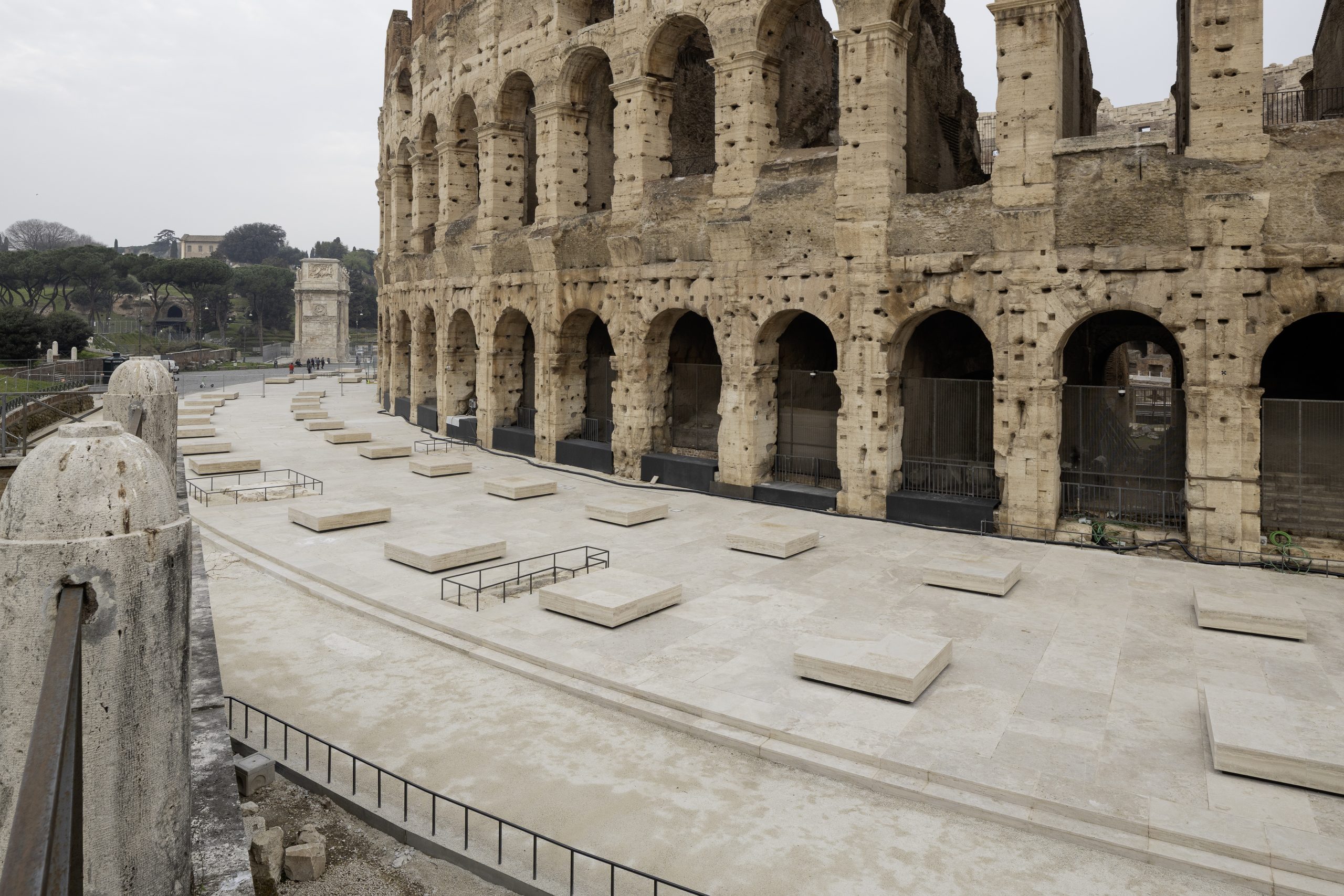
Rome’s Colosseum has unveiled a major four-year restoration of its southern entrance, a project led by Stefano Boeri Interiors in collaboration with the Colosseum Archaeological Park. The renovation lowered the surrounding piazza to its original Roman-era height, reintroduced travertine flooring sourced from ancient quarries, and installed seating blocks that mark the locations of long-lost marble columns. During the excavation process, archaeologists recovered a wealth of historical artifacts, including ancient coins, statues, and gold jewelry, while leaving a specific section untouched to showcase the arena's complex hydraulic foundations.

house of griffins ancient rome restoration 2737121

The House of Griffins, an ancient Roman residence on Rome's Palatine Hill dating back to the 2nd and 1st centuries B.C.E., is opening to the public on March 3 after a major restoration. Discovered by archaeologist Giacomo Boni in the 19th century, the domus features vivid frescoes, mosaic floors, and a stucco lunette with griffins. The Colosseum Archaeological Park led the restoration in 2024, reinforcing structural integrity and conserving wall paintings. Visitors cannot access the underground chambers directly; instead, they will experience a real-time, remote tour via a livestream narrated by a guide with a video camera.

rome new metro stations mini museums 1234767572

Rome has opened two new subway stations on Line C—Colosseo/Fori Imperiali and Porta Metronia—that double as mini museums, showcasing over 500,000 artifacts unearthed during two decades of excavation. The stations, located 100 feet underground, feature displays of ancient ceramics, frescoes, mosaic floors, and the remains of a Roman military compound and thermal baths, curated by the Colosseum Archaeological Park and Sapienza University. Commuters can view the artifacts without a ticket in the station atriums, and future stations on the line will incorporate additional archaeological finds.

egyptian ceramic vessel ancient pompeii canteen 1234760907

A nearly 2,000-year-old Egyptian ceramic vessel, a bucket-shaped situla, was discovered during conservation work at the Thermopolium of Regio V in Pompeii. The faience pot, decorated with Egyptian-style hunting reliefs, was found in the kitchen of a well-preserved fast-food restaurant that served the working- and middle-class residents of the Roman city before its destruction by Mount Vesuvius in 79 CE. The discovery was published by the Pompeii Archaeological Park’s online journal.

pompeii garden of hercules restoration 2657556

The Pompeii Archaeological Park has unveiled the restored Garden of Hercules, replanted with 1,200 violets, 1,000 ruscus plants, 800 antique roses, vines, and fruit trees to mirror its appearance 2,000 years ago. The restoration is based on botanical research from the 1950s by Wilhelmina Jashemski, who identified pollen, spores, and plant fossils at the site. The garden, located on Regio VIII, Insula 2, also features a recreated ancient irrigation system and a terracotta statue of Hercules, and was once used for commercial perfume production.

women ancient pompeii 2640517

A new exhibition at the Pompeii Archaeological Park, titled “Being a Woman in Ancient Pompeii,” aims to correct centuries of historical neglect by highlighting the lives of real women from the ancient city. Through frescoes, artifacts, inscriptions, and an interactive app, the show presents the stories of entrepreneurs, priestesses, innkeepers, artisans, sex workers, and slaves—including Clodia Nigella, a public pig-keeper; Faustilla, a pawnbroker; Asellina, a tavern owner who employed bar workers and sex workers; Julia Felix, an independent property owner who rented out her bathhouse; and Eumachia, a businesswoman. Co-curated by archaeologist Francesca Ghedini, the exhibition uses archaeological evidence to reconstruct the personalities and daily activities of these women, whose roles have long been obscured by male-dominated historical narratives.

pompeii discoveries 2638433

Archaeologists have uncovered a series of remarkable discoveries at Pompeii, the ancient Roman city buried by Mount Vesuvius in 79 C.E. Recent finds include life-sized statues of a priestess and a man from a tomb, frescoes depicting Dionysian rituals and mythological scenes, an extravagantly decorated 'tiny house' called the House of Phaedra, and evidence of aspirational interior design. These artifacts, unearthed in suburban villas and tombs, range from a bejeweled priestess statue to children's gladiator doodles and ancient fast-food counters, revealing new details about daily life in the Roman Republic.

parties culture sam chermayeff stella roos wedding

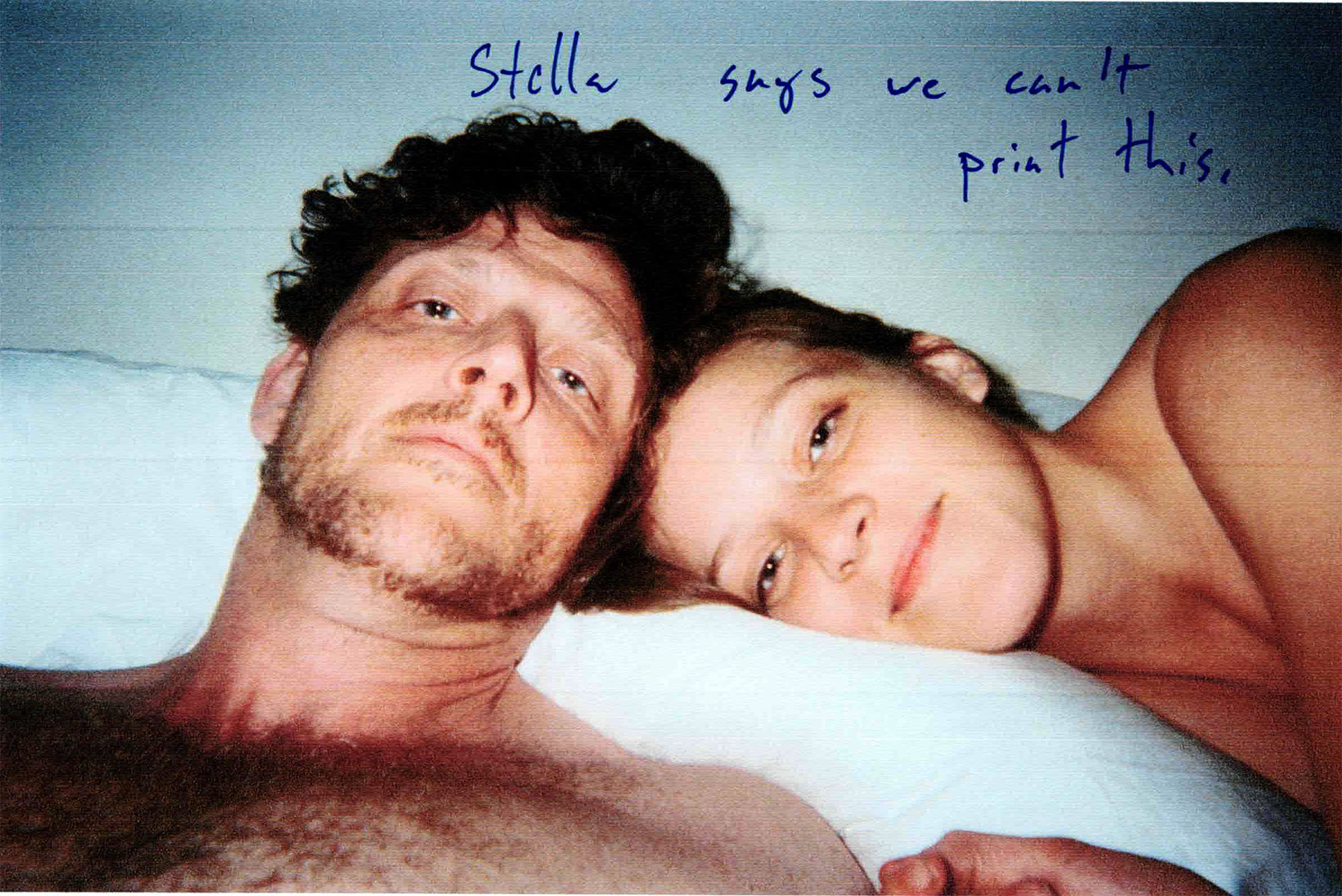
Sam Chermayeff and Stella Roos are planning a day-long wedding party for 250 people in an abandoned Fascist-era villa in Rome, originally built as Olivetti offices. The couple, who live in Berlin but have no family there, decided on Rome for its festive appeal. They initially considered joining the Catholic Church to secure a venue but ultimately arranged to hold their ceremony in a ruined church on the Appia Antica, with artist Tacita Dean asked to officiate. The party venue, inherited by a friend of a friend, sits near the Baths of Caracalla and features overgrown gardens and dusty rooms. Invitations were designed by their friend Leo of Something Fantastic, and the couple's mood board includes whimsical details like an ice sculpture, tiny potatoes, and a flower chain.

A semester of SLAM

The St. Louis Art Museum (SLAM) hosted two special exhibitions during the past semester: the annual "Art in Bloom" floral exhibition from February 27 to March 1, 2026, and the solo show "Currents 125: Blas Isasi" opening February 6, 2026. "Art in Bloom" pairs 30 permanent collection pieces with ephemeral floral arrangements created by local designers, featuring a centerpiece by New York-based floral designer Rachel Cho. The exhibition has grown from an invitational event with 7,000 attendees to an open call drawing over 30,000 visitors. Isasi's exhibition, titled "The weight of a gaze (is to listen to the sound of a kilogram)," is part of SLAM's "Currents" series and the WashU Henry L. and Natalie E. Freund Teaching Fellowship, incorporating a Chincha Inka balance from the museum's collection alongside sandstone sculptures and aluminum foil pieces.

Why Italy's cultural wealth never really enters public accounts and budgets?

Perché la ricchezza culturale italiana non entra mai davvero nei conti e nei bilanci pubblici?

Italy has exceeded the European Commission's structural adjustment path by 0.1 percentage points of GDP, reopening fiscal scrutiny. Amid this debate, the article highlights a deeper issue: Italy's immense cultural heritage is drastically undervalued in public accounts. For example, the Pompeii Archaeological Park is recorded at just €48.9 million, the Colosseum at under €15 million, and the Uffizi at about €2 billion—figures based on outdated 2002 ministerial criteria that bear no relation to actual economic or cultural worth. The State General Accounting Office, with the University of Roma Tre and EU technical assistance, has proposed a new methodology to value cultural assets by discounting their future net financial flows, including direct revenues and indirect tourism-related returns.

Mexican President Calls for Stricter Gun Control After Deadly Shooting at Teotihuacán Pyramids

A gunman opened fire on tourists at the Teotihuacán archaeological site in Mexico, killing a Canadian woman and injuring at least 13 others. The shooter, identified as Julio César Jasso Ramírez, acted alone and later died from a self-inflicted gunshot wound after planning the attack over multiple visits to the site.

What Did Pompeii Smell Like? A New Study Analyzes Its Ancient Incense

A team of international researchers has published the first scientific analysis of ritual incense residues from Pompeii. By examining ash from two ancient censers—one from an inn and another from a domestic shrine—they identified charred plants like oak and laurel, as well as evidence of imported frankincense from India.

panama tomb riches sacrifice 1234776467

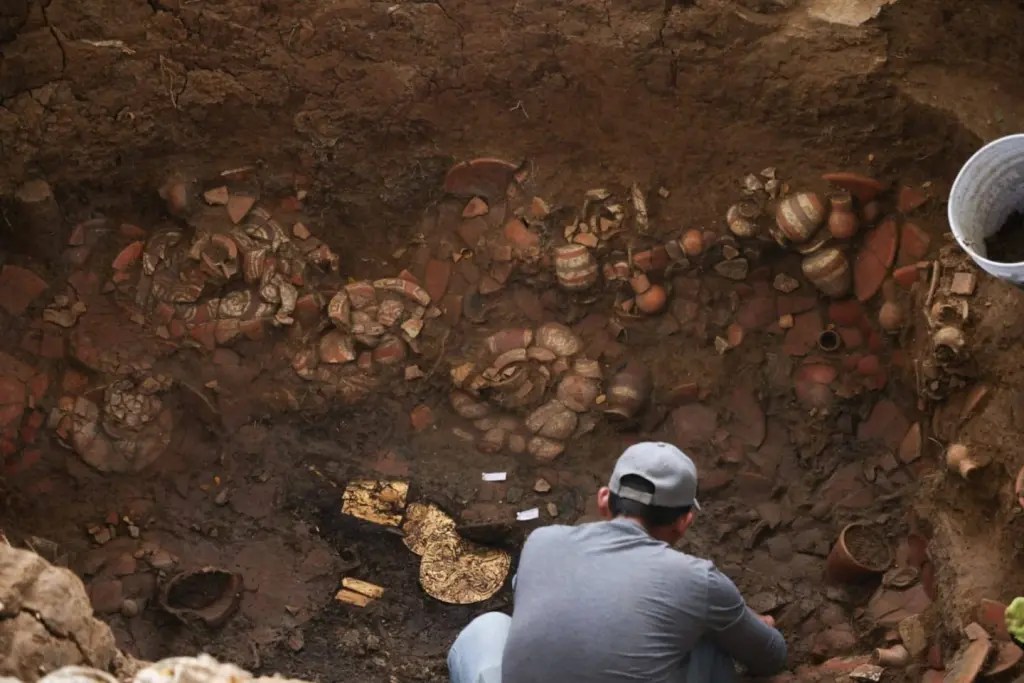
Archaeologists at El Caño Archaeological Park in central Panama have uncovered a 1,000-year-old tomb belonging to a high-ranking chieftain of the Gran Coclé culture. The burial chamber, designated as Tomb 3, contains a staggering collection of gold artifacts, including pectorals, earrings, and ornaments featuring crocodile and bat motifs. Crucially, the 'Lord of Tomb 3' was found buried alongside several other individuals, suggesting a practice of ritual human sacrifice intended to accompany the leader into the afterlife.

3d tech reveals new gladiator graffiti in pompeii 2738381

Researchers using Reflectance Transformation Imaging (RTI) and 3D photogrammetry have uncovered 79 previously invisible graffiti fragments on a 90-foot walled corridor in Pompeii's theater district. Among the discoveries are a dynamic sketch of two gladiators in combat and a love declaration beginning "Erato amat…" (Erato loves…). The work, detailed in Pompeii's e-journal, was conducted by teams from Sorbonne University and the University of Québec at Montréal, who developed a custom 3D-image platform to visualize and digitally annotate the ancient carvings.

rome tour well preserved underground dwelling livestream 1234769884

Rome is offering livestream tours of the House of the Griffins, an ancient Roman home on the Palatine Hill that has never been open to the public. Dating to the 2nd-1st century BCE, the dwelling features well-preserved frescoes, mosaics, and two stucco griffins. Starting March 3, after years of restoration, small groups of up to 12 visitors can watch a guide with a head-mounted camera explore the underground structure, with narration in English or Italian.

archeologists uncover frescoes villa di poppea 1234768549

Archeologists have uncovered frescoes in the Hall of the Mask and the Peacock at the Villa di Poppaea in Oplontis, near Naples, as part of an ongoing excavation and renovation project led by the Archaeological Park of Pompeii. The newly revealed Second Style frescoes feature vibrant peacocks and masks, including a complete peahen and a stage mask from Atellan Comedy, and have clarified the hall's true dimensions and decorative richness. The team also identified the locations of garden trees using a casting technique and discovered four new rooms, bringing the villa's total to 103 rooms.

pompeii hercules fresco location 2730508

Archaeologists have identified the original location of a looted fresco fragment from Pompeii that was repatriated from the U.S. to Italy in 2023. The fragment, depicting baby Hercules wrestling a snake, was found to have once decorated the upper lunette of a private chapel (sacellum) at the ancient villa of Civita Giuliana. The discovery was made during excavations in 2023 and 2024, and the fragment will be exhibited at the Antiquarium of Boscoreale from mid-January.

pompeii multilevel buildings digital reconstructions 1234758104

A new study published in the Pompeii Archaeological Park's online journal reveals that the ancient Roman city featured multilevel buildings far more impressive than previously understood. Using digital technology, the Pompeii Reset project—a collaboration between the Pompeii Archaeological Park and Humboldt University of Berlin—created 3D reconstructions of structures encased in ash during the 79 CE eruption of Mount Vesuvius. The case study focused on the House of Thiasus in Regio IX, where a 39-foot-tall tower with two levels, including a dining room with city views, was reconstructed. Researchers employed laser scanners, structured-light scanning, and photography to build digital models, then virtually added missing architectural elements like staircases and windows, testing them for structural plausibility.

erotic mosaic pompeii nazi officer 1234747699

An ancient mosaic looted during World War II by a Nazi officer has been repatriated to Italy and is now on public display in Pompeii. The mosaic, which depicts an erotic bedroom scene, likely originated near Mount Vesuvius and was taken by a Wehrmacht captain who donated it to a German citizen. It was returned with the help of the Italian consulate in Stuttgart on September 16, 2023, and is now housed at the Pompeii Archaeological Park.

house of helle and phrixus pompeii family death 1234740845

A new study published in the Pompeii Excavations online journal reveals the final moments of a family during the 79 CE eruption of Mount Vesuvius. At the House of Helle and Phrixus in Pompeii, archaeologists found that the family attempted to barricade a bedroom door with a bed to survive the eruption, but perished. The remains of at least four individuals, including a child, were identified, along with a bronze amulet worn by the child and bronze kitchenware in the pantry.

Future cultural professionals in Africa will be trained by six Italian museums

I futuri professionisti della cultura in Africa saranno formati da sei musei italiani

The fourth edition of the International School of Cultural Heritage (Scuola Internazionale del Patrimonio Culturale) is underway, with 23 cultural professionals from 12 African nations participating in a hands-on training program hosted by six Italian museums. After online modules and a week of lectures in Rome, the residential phase runs from April 27 to May 22, 2025, placing participants at the Museo delle Civiltà (MUCIV), the Archaeological Parks of Praeneste and Gabii, the National Archaeological Museum of Taranto (MArTA), the National Archaeological Museum of Naples (MANN), the National Archaeological Museum of Reggio Calabria (MArRC), and the National Archaeological Museum of Agro Falisco and Forte Sangallo in Civita Castellana. The program, titled "Managing Art Collections: from ancient to contemporary," focuses on collection management, conservation, and public programming, linking archaeological heritage with contemporary practices.

Trajan’s force: Houston exhibition to explore Ancient Rome’s imperial peak

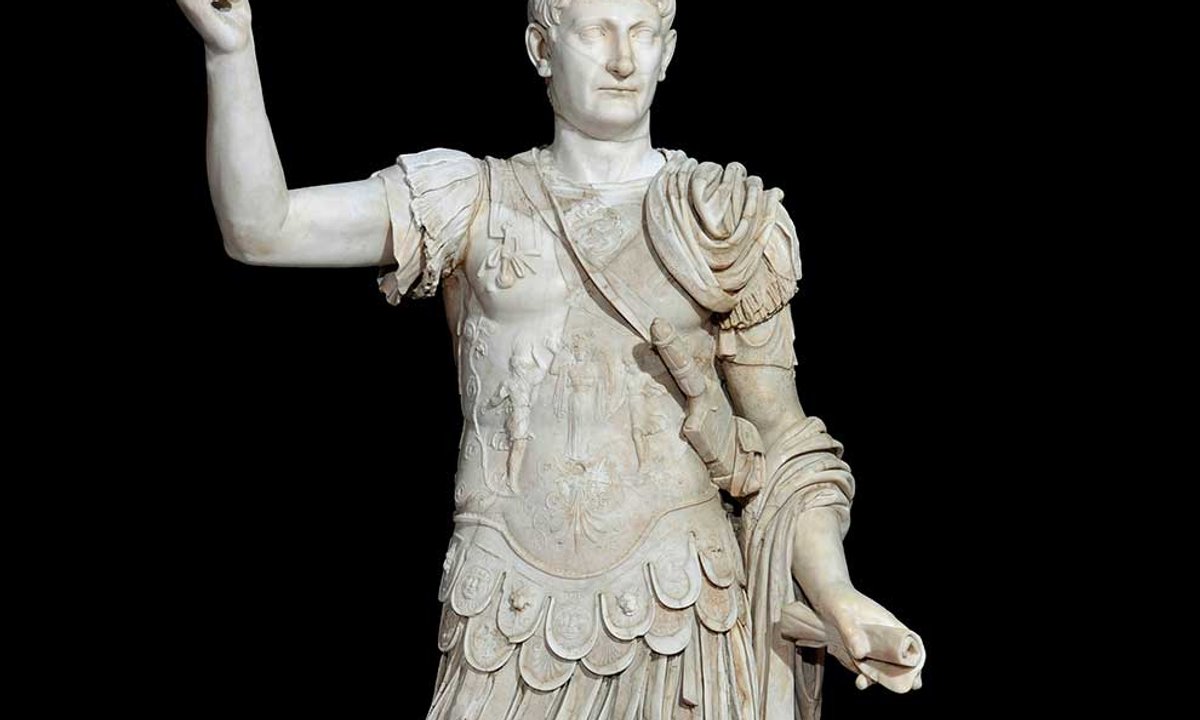
The Museum of Fine Arts, Houston is opening "Art and Life in Imperial Rome: Trajan and His Times," an exhibition exploring the artistic and cultural legacy of Emperor Trajan (AD 98–117). The show features loans from major Italian institutions including the Museo Archeologico Nazionale di Napoli and the Vatican Museums, with standout works such as a 2-meter marble statue of Trajan and a colossal portrait of his wife Plotina. The exhibition, conceived in 2021 with Italian consultancy StArt, will travel to the Saint Louis Museum of Art in March 2026, with each venue offering a different focus—Houston emphasizing large-scale objects like a recreation of Trajan's Column, and St. Louis delving into the port city of Ostia.

In Valcamonica il Parco archeologico di Luine ha chiuso e non si sa se e quando riaprirà: la storia

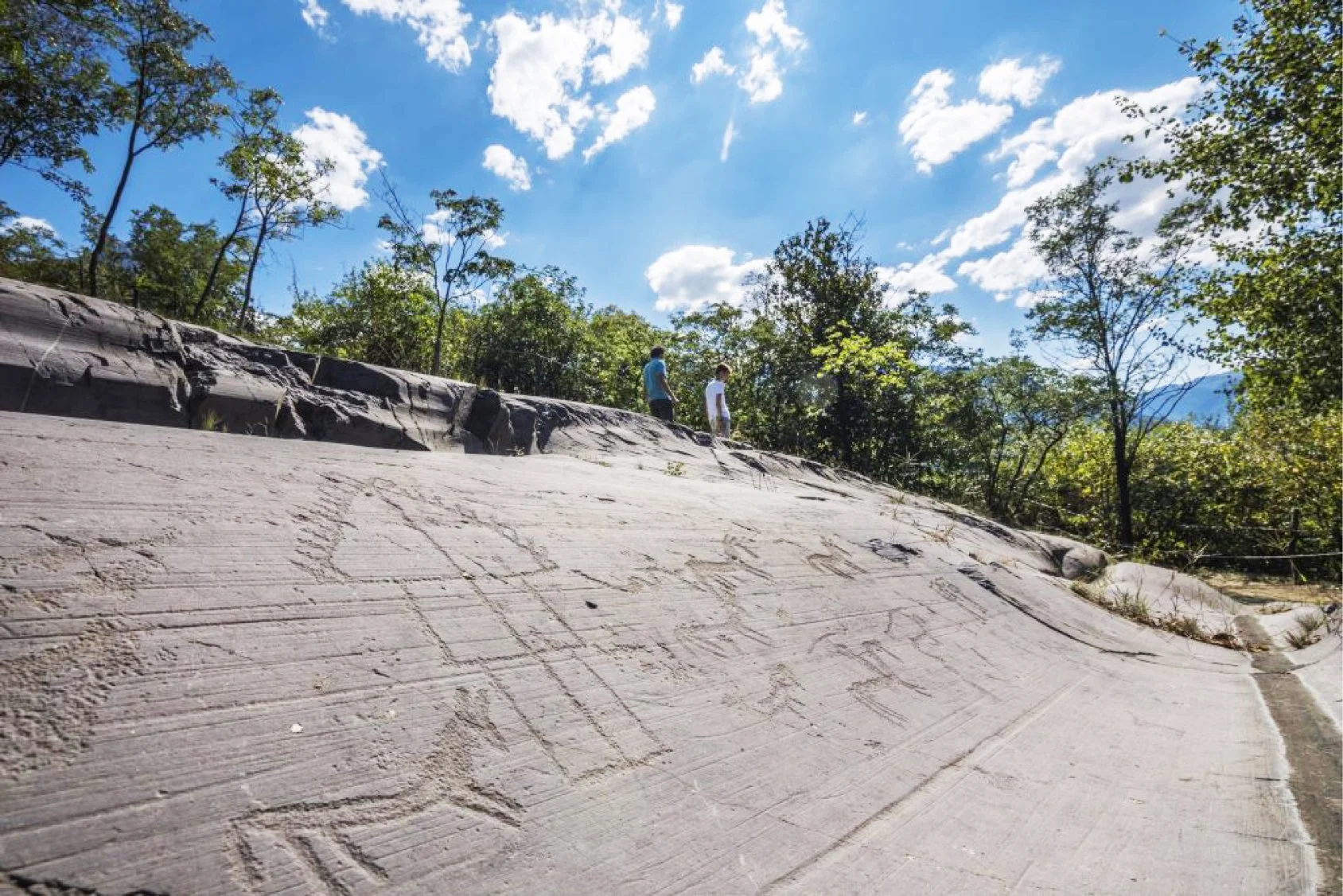
The Luine Archaeological Park in Valcamonica, Italy, closed on April 1, 2026, after the municipality of Darfo Boario Terme, led by Mayor Dario Colossi, failed to renew the management contract held by Zamenhof Art and ArchExperience. The park, which houses rock engravings dating back to the end of the Paleolithic period (about 13,000 years ago), is a UNESCO World Heritage site and a unique part of the Camunian park system. Weeks after the closure, the park remains in limbo with no clear reopening date, while multimedia installations and digital content created by the former managers are being removed. The story has received little media attention beyond local outlets.

Newly Restored Roman Artifacts from Ostia Antica Installed in Rome's Hotels

I reperti romani appena restaurati di Ostia Antica vengono allestiti negli alberghi di Roma

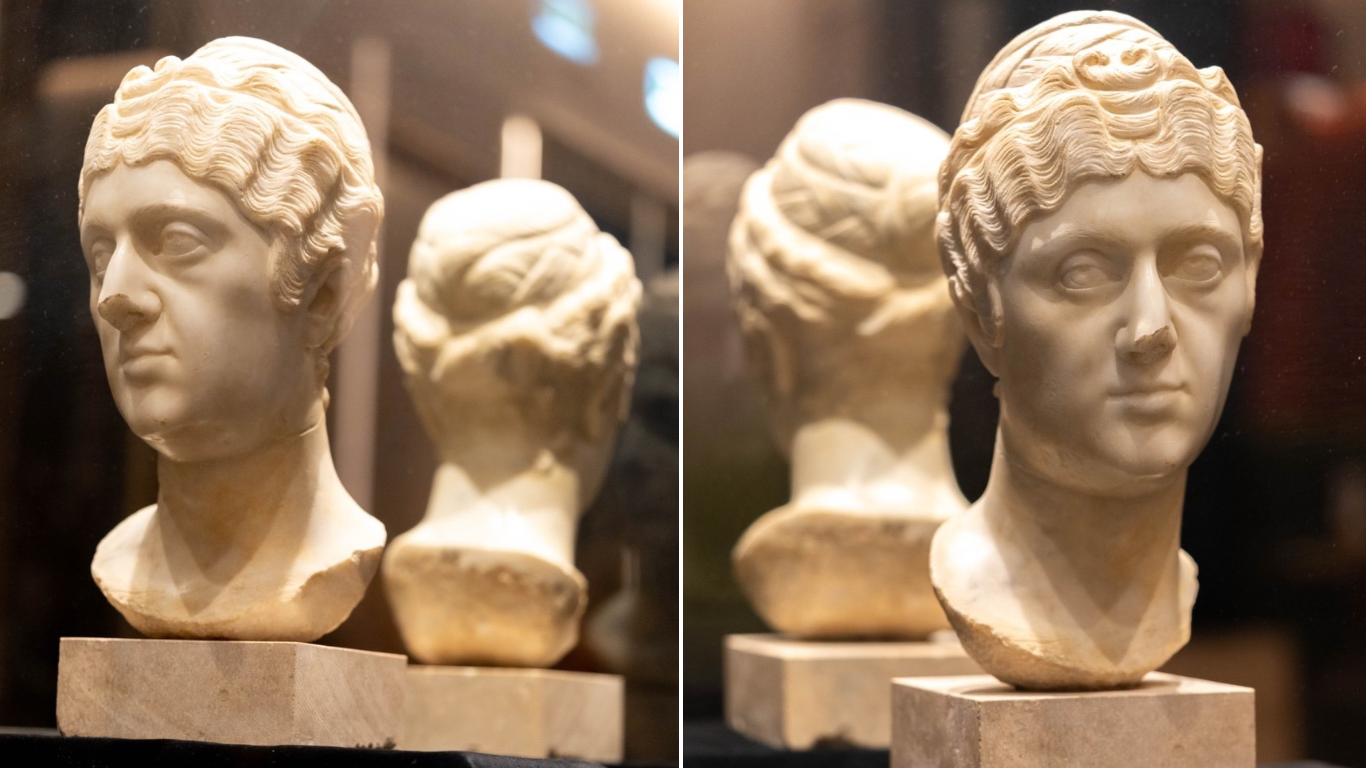
Three Roman masterpieces from the 2nd century AD, previously hidden in the storerooms of the Ostia Antica Archaeological Park, have been installed in the lobbies of historic hotels in central Rome. The works include marble portraits of Empress Faustina the Elder and noblewoman Domizia Lucilla, alongside a restored fresco of Lachesis, one of the Fates. This initiative, titled "Ostia Antica Goes to Town," is part of the broader "Art Outside the Museum" project, which pairs cultural institutions with the hospitality sector to bring archaeological treasures into the public eye.

Bread, Wine, and Fish: How the Archaeology of Food Tells the Story of Life in Herculaneum

Pane, vino e pesce. Tutta l’archeologia del cibo racconta che vita si faceva a Ercolano: l’itinerario gratuito

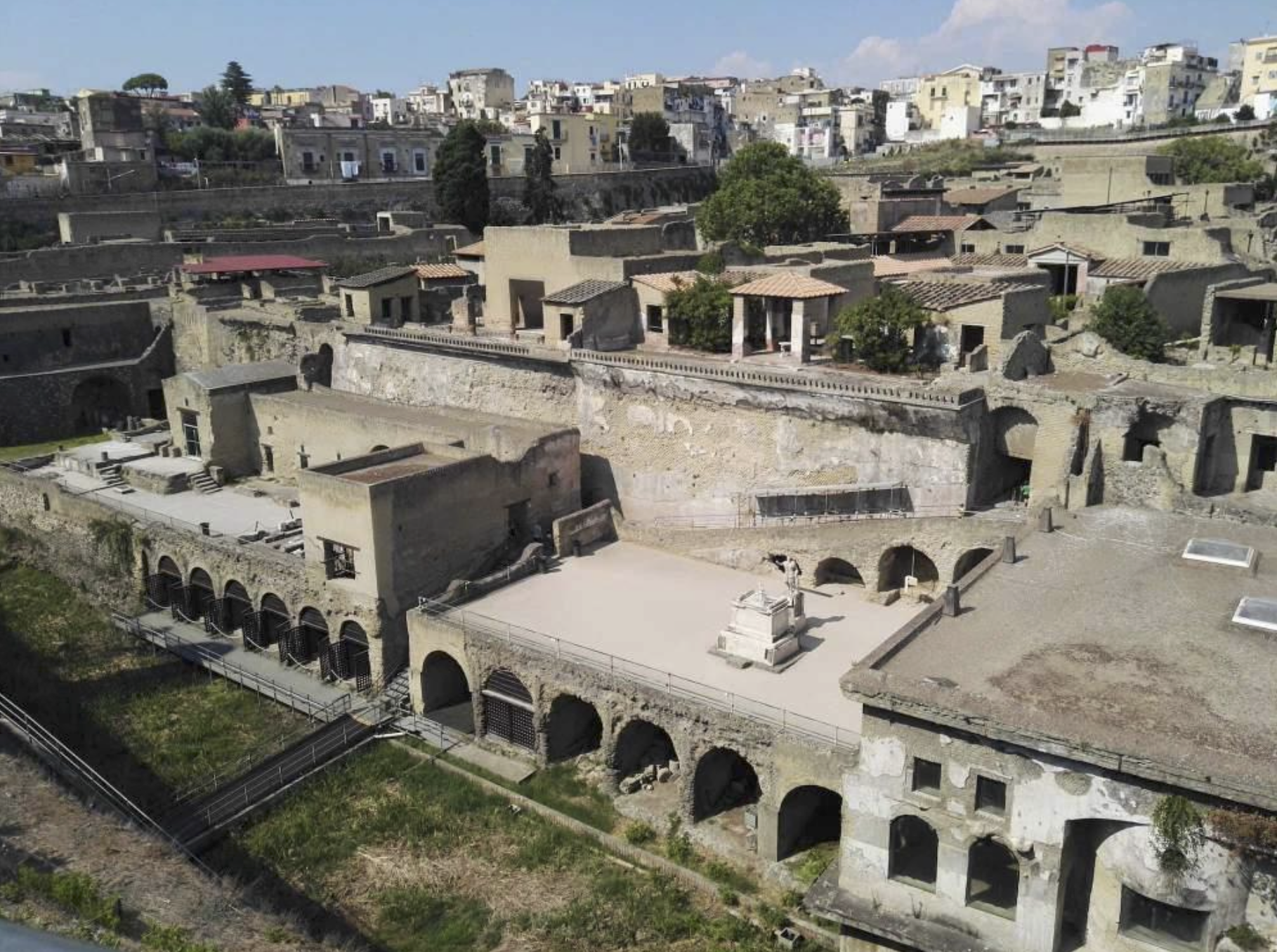
The Herculaneum Archaeological Park has launched a new thematic itinerary titled "I luoghi del cibo a Ercolano" (The Places of Food in Herculaneum), offering visitors a deep dive into the gastronomic culture of the Roman city buried by Vesuvius in 79 AD. The guided path leads through ancient street food stalls known as thermopolia, specialized wine shops, and the bakery of Sextus Patulcius Felix, where stone mills and ovens remain intact. The experience extends to the Casa dei Cervi to illustrate the social rituals of elite banqueting and includes a supplementary exhibition at Villa Campolieto featuring organic remains preserved by the eruption.