filter_list Showing 6 results for "architectural fragments" close Clear
search
dashboard All 6 museum exhibitions 5gavel restitution 1
date_range Range Today This Week This Month All
Subscribe

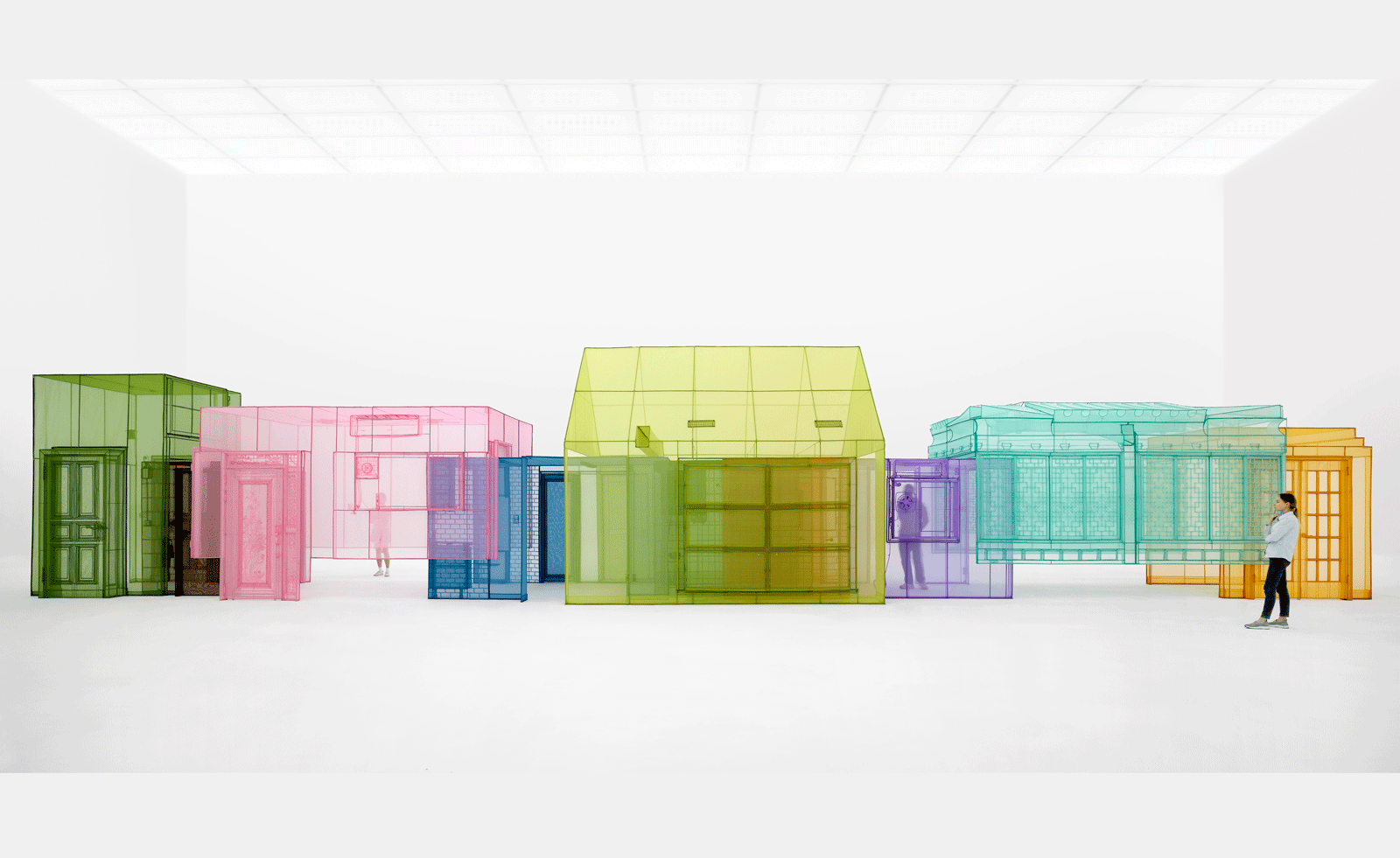
Do Ho Suh is searching for home in a major new exhibition at Tate Modern

Do Ho Suh's major new exhibition "Walk the House" has opened at Tate Modern's Blavatnik Building, featuring large-scale fabric constructions that recreate architectural fragments from homes the South Korean artist has lived in across Seoul, New York, London, and Berlin. The centerpiece, "Nest/s" (2024), is a monumental sewn passageway made from polyester using a historic Korean fabric technique, incorporating fine details like logos on air vents and light switches. The show also includes "Rubbing/Loving: Seoul Home" (2013-22), a 1:1 paper-and-graphite rubbing of his childhood home, alongside models, drawings, and film that explore memory, migration, and domestic space.
Five Artists on Representing India at the 61st Venice Biennale

India has announced its artist lineup for the 61st Venice Biennale, featuring Alwar Balasubramaniam, Sumakshi Singh, Ranjani Shettar, Asim Waqif, and Skarma Sonam Tashi. The national pavilion, located in the Arsenale, will showcase a diverse range of installations that explore themes of architectural memory, environmental sustainability, and the physical processes of nature. From Tashi’s recreations of Ladakhi homes using recycled materials to Singh’s spectral thread-based architectural fragments, the works collectively examine the fragility of heritage and the shifting relationship between humans and their environments.

Paola Siri Renard “Double Star” at nouveaux deuxdeux, München

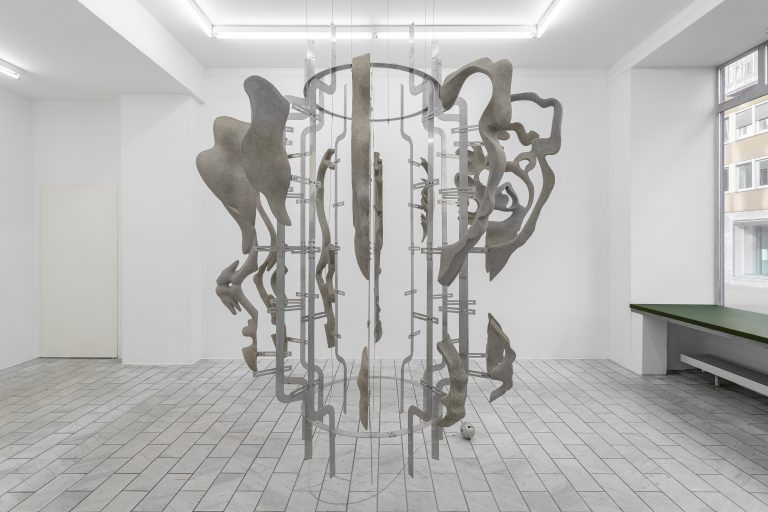
Paola Siri Renard presents "Double Star" at nouveaux deuxdeux in Munich, featuring sculptures assembled from fragments of architectural ornaments, equestrian monuments, industrial display systems, and skeletal forms. Her work extracts elements from historical structures—spanning Gothic, Greco-Roman, and Art Nouveau styles—and reconfigures them into unstable, evocative constellations.

Les États-Unis restituent près de 300 biens culturels à l’Italie

Italy presented 337 cultural artifacts repatriated from the United States at the Caserma "La Marmora" in Rome, following operations between December 2025 and April 2026. The objects span from the 5th century BCE to the 3rd century CE, including Roman sculptures, bronze works, pottery, jewelry, coins, and architectural fragments. Among the notable pieces is a marble head attributed to Alexander the Great, stolen from a Roman museum in 1960, and a bronze sculpture looted from Herculaneum. The recovery involved the Manhattan District Attorney's office, the FBI, Homeland Security Investigations, and Christie's New York, with 221 items seized through the DA's collaboration and 116 returned in April.

Türkiye's Topkapi Palace unveils new tile art gallery along historic Mabeyn route

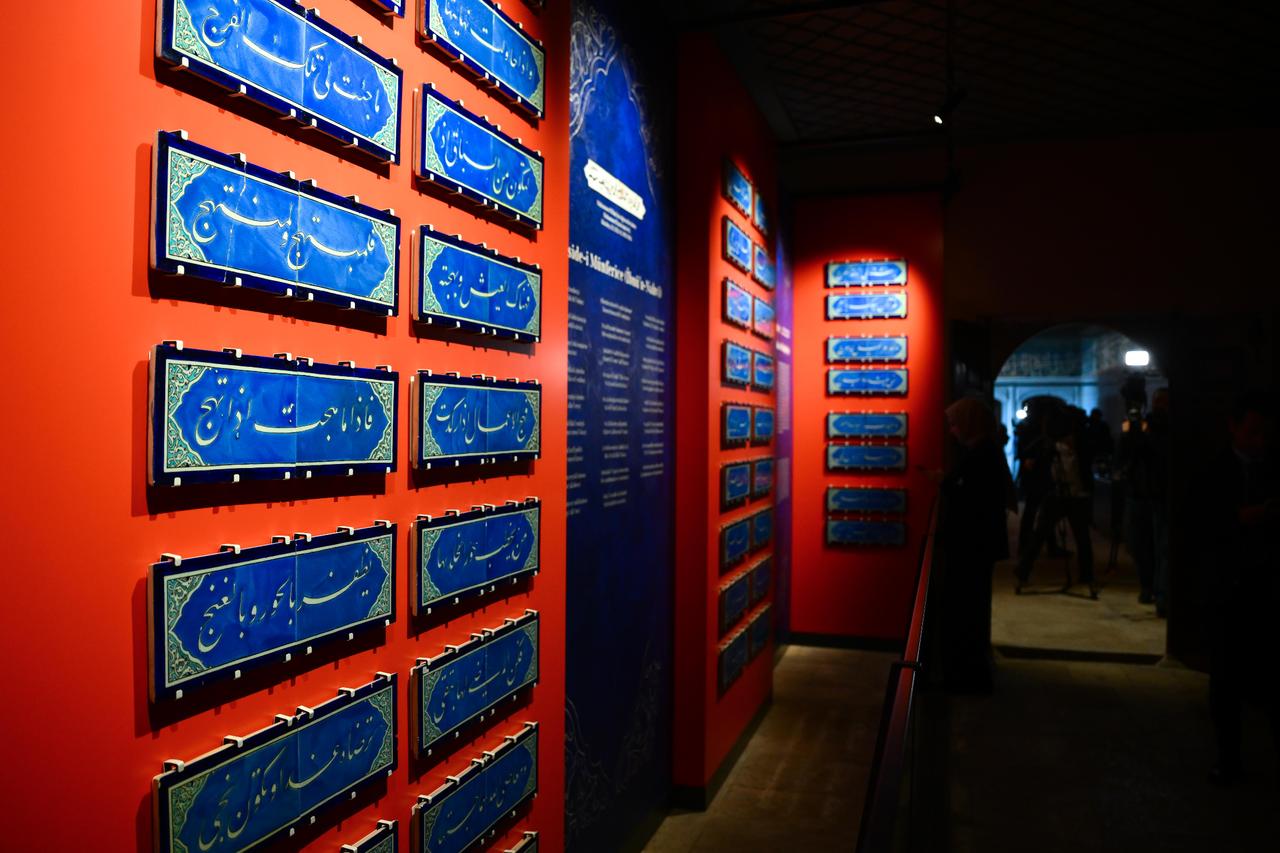
Topkapi Palace in Istanbul has opened the Mabeyn Route Tile Art Gallery, a new permanent exhibition space inside a historic corridor that once connected the imperial reception area with the Imperial Harem. The gallery displays around 250 ceramic tiles, tracing the stylistic and technical evolution of Ottoman tile art from Iznik to Kutahya, with many pieces previously kept in storage and rarely seen by the public. The corridor was restored as part of a long-term program by the National Palaces Administration, and the gallery also features large-scale tiles inscribed with the names of Ottoman sultans and verses from a 11th-century poem.

In Greece, the Thessalonikéon Métropolis Archaeological Museum Opens Its Doors

En Grèce, le musée archéologique Thessalonikéon Métropolis ouvre ses portes

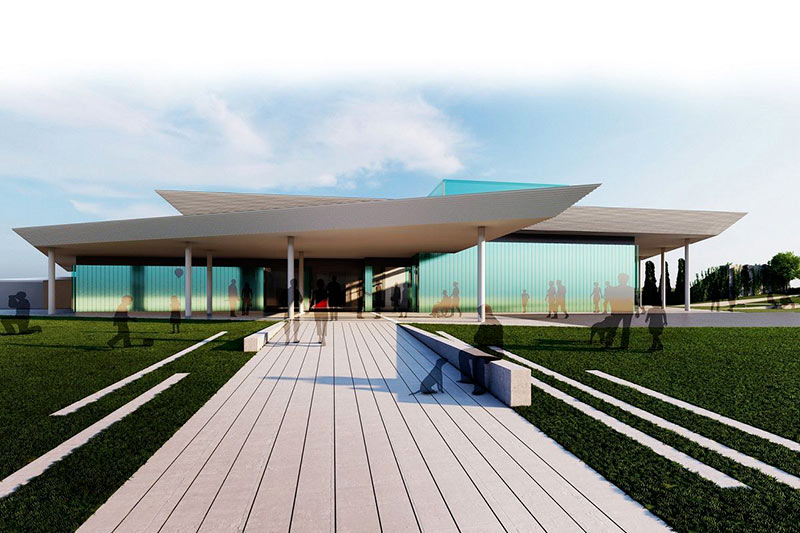
The Thessalonikéon Métropolis archaeological museum opened on May 7 in Thessaloniki, Greece, inside the renovated Pavlos Melas barracks (Building A3). Its collection of over 300,000 objects—including ceramics, jewelry, mosaics, sarcophagi, and architectural fragments—was unearthed during the construction of the city's metro system, which began in 2006 and became the largest rescue excavation in northern Greece. The centerpiece is the Decumanus Maximus, a well-preserved Roman-Byzantine commercial street discovered at the Venizelou station, nicknamed "Byzantine Pompeii." The museum's restoration cost about €14.5 million, partly funded by European Union funds, while the total archaeological interventions cost between €75 and €203 million.