
filter_list Showing 3 results for "art and war" close Clear
dashboard All 3 museum exhibitions 3
date_range Range Today This Week This Month All
Subscribe

Still in 'war mode': Tehran Museum of Contemporary Art reopens with exhibitions about conflict

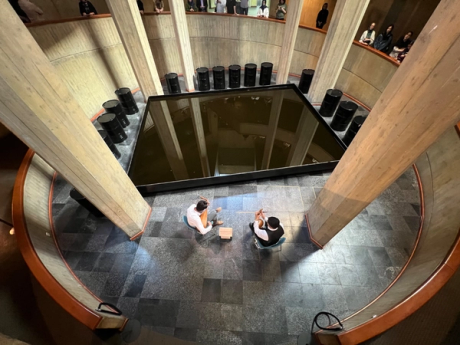
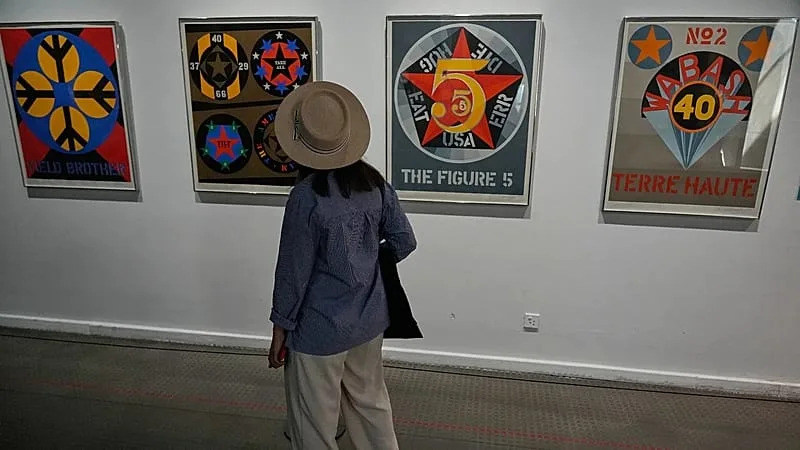
The Tehran Museum of Contemporary Art (TMoCA) has reopened with a weekly rotating post-ceasefire program called 'Art and War,' following weeks of bombardment that forced its closure and prompted emergency efforts to protect its collection. The program began with works by American Pop artists James Rosenquist, Roy Lichtenstein, and Robert Indiana, and this week features three works from Pablo Picasso's Weeping Woman series, focusing on Spain. Museum director Reza Dabirinezhad described the challenges of safeguarding the collection during US-Israeli strikes, including removing 80% of the oil from Noriyuki Haraguchi's installation 'Matter and Mind' (1977) to prevent fire risk, and protecting outdoor sculptures by Henry Moore, René Magritte, and Max Bill.
Amid ceasefire, Tehran museum opens ‘Art & War’ exhibit spotlighting US Jewish artist

Tehran's Museum of Contemporary Art has opened an exhibition titled 'Art & War' featuring works by American Jewish artist Peter Saul, amid a fragile ceasefire between Israel and Hezbollah. The show includes Saul's provocative paintings that critique war and political violence, marking a rare cultural exchange in a country where official rhetoric often opposes Israel and the United States.

Art as survival: US artists' anti-war artefacts exhibited in Tehran

An anti-war exhibition titled "Art and War" has opened at a top museum in Tehran, featuring works by American pop artists Roy Lichtenstein, Robert Indiana, and James Rosenquist. The pieces, including Rosenquist's "F-111" and Lichtenstein's "Brattata," were selected for their anti-war themes and come from the museum's major collection of American and European modern art, acquired in the 1970s by former Empress Farah Pahlavi and largely kept from public view since the 1979 Islamic Revolution. The exhibition opened amid ongoing tensions and a recent ceasefire in the Middle East, with the museum director stating it was a deliberate response to current events.