
filter_list Showing 3 results for "china private museums" close Clear
dashboard All 3 article news 1person people 1article policy 1
date_range Range Today This Week This Month All
Subscribe

museums in crisis takeaways 2717463

Artnet News published its 'Museums in Crisis' series, a global investigation into pressures facing cultural institutions. Key takeaways include: Western museums face a funding and political crisis, with U.S. institutions losing hundreds of millions in federal support (including $428 million from the National Endowment for the Humanities) and European museums like those in Berlin facing cuts of €130 million. Corporate sponsorship is increasingly risky due to ethical scrutiny, with the U.K.'s Museums Association urging institutions to avoid ties to fossil fuels or human rights abuses. China's private museums are at risk of downsizing or disappearing due to economic slowdown and lack of public funding.
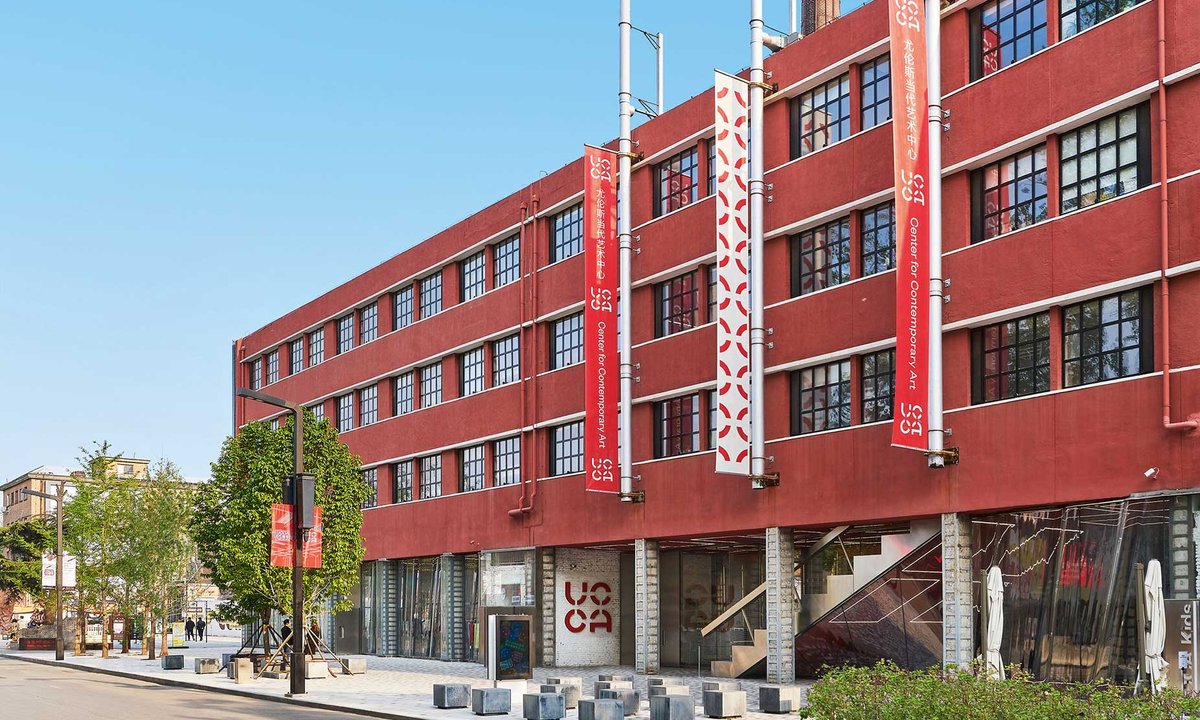
How China’s private museums are navigating a post-boom era

China's private museum sector, which boomed in the 2010s with hundreds of new institutions often tied to property developments or vanity projects, is now contracting. Notable closures include Guangzhou's Times Museum (shuttered in 2022, later relaunched as a project space), OCAT Shanghai (closed indefinitely in 2021), and Qingdao's TAG Museum (suspended operations in 2024). Other prominent museums like Sifang Art Museum, Yinchuan MoCA, and Shanghai MoCA have scaled back, while Long Museum's future appeared uncertain after its owners auctioned part of their collection. The downturn follows the collapse of China's property sector, Covid-19 restrictions, and a broader economic slump.

x museum director you yang interview 2743284

You Yang, the director of X Museum, discusses the recent surge in new art museums, particularly those backed by tech companies in China's Greater Bay Area, including Shenzhen and Hong Kong. He attributes this boom to a strategic shift in Shenzhen's cultural policy, the city's established cultural foundations, and the region's historical role in cross-cultural exchange, which has created a demand for contemporary institutions.