filter_list Showing 7 results for "colonial restitution" close Clear
dashboard All 7 article policy 3gavel restitution 3article news 1
date_range Range Today This Week This Month All
Subscribe

France Passes Landmark Restitution Law for Looted Art

France has passed a landmark restitution law for looted art, marking a significant shift in the country's approach to addressing Nazi-era confiscations and colonial-era acquisitions. The legislation establishes a legal framework for returning artworks and cultural objects to their rightful owners or heirs, streamlining a process that previously required case-by-case parliamentary approval. This law is expected to accelerate the return of thousands of items held in French museums and public collections.
How did a 16th-century European basin end up as a sacred object in West Africa?

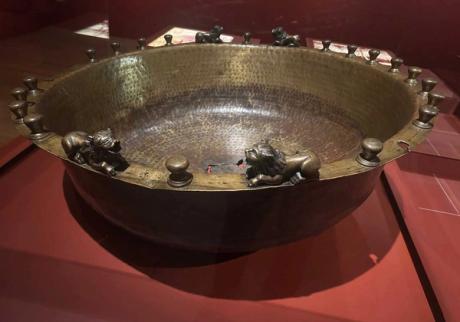
The Aya Kese, a massive 16th-century northern European brass basin, is currently on display at the British Museum while its complex history remains under scrutiny. Looted by British officer Robert Baden-Powell in 1896 from the Asante kingdom’s royal mausoleum in present-day Ghana, the object was long sensationalized by colonial accounts as a vessel for human sacrifice. Recent scholarship and historical records from Asante King Prempeh I contest these claims, asserting the basin’s sacred role as a spiritual repository for the souls of the Asante people.

Ça bouchonne à Venise

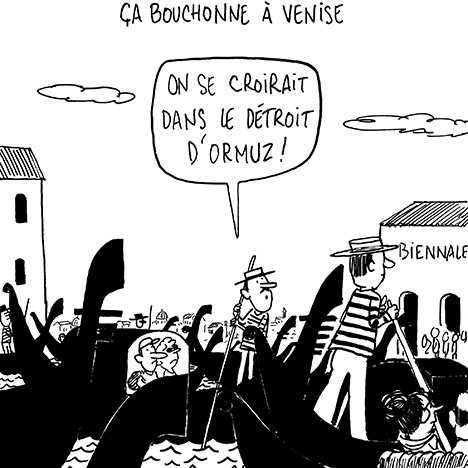
The latest issue of Le Journal des Arts (No. 677, May 15, 2026) leads with the opening of the Venice Biennale amid a tense climate. Other top stories include the final adoption of a French law on the restitution of cultural property looted during colonization, the V&A East museum's strategy to attract younger audiences, tensions in Giverny over the uneven economic benefits of Monet's legacy, and a market analysis showing the structuring of the Nabis art market.

How the State Supports Provenance Research

Comment l’État soutient la recherche de provenance

The French Ministry of Culture has created two specialized missions to assist museums in researching the provenance of their collections, addressing looted artworks, human remains, colonial acquisitions, and illicit trafficking. The Mission for Research and Restitution of Looted Cultural Property (M2RS), established in 2019, focuses on Nazi-era spoliations (1933-1945) with a budget of €220,000 annually, while the newer Mission "Provenance," launched in 2024 under curator Catherine Chevillot, covers human remains, colonial-era objects, and illicit goods with a €450,000 budget. These missions provide expertise, funding, and coordination with institutions like the Commission for the Restitution of Property and Compensation of Victims of Anti-Semitic Spoliation (CIVS), though most museums still only initiate provenance checks during acquisitions or donations.

Berlin Museum to Return Almost 600 Skulls

Berliner Museum will fast 600 Schädel zurückgeben

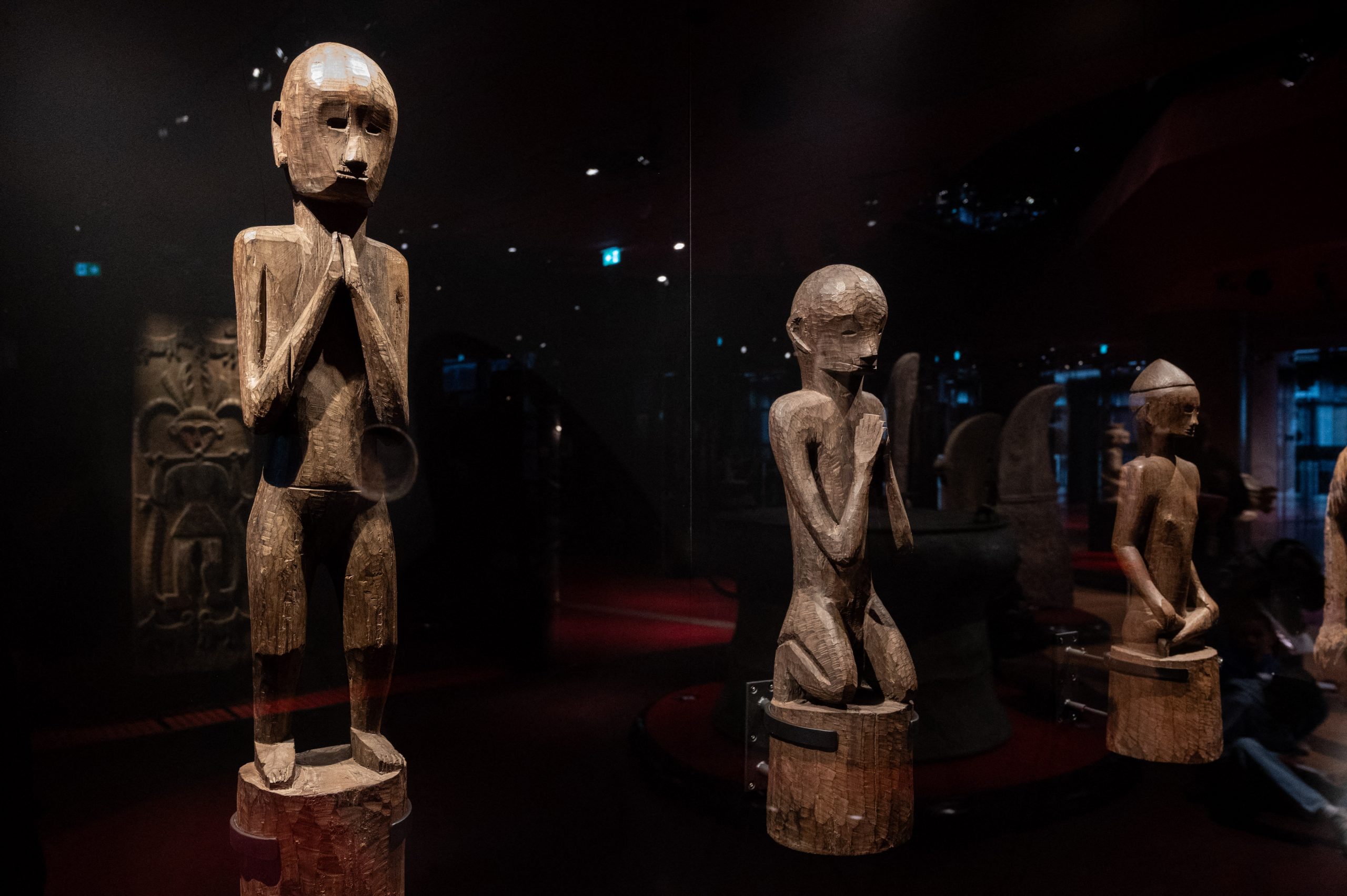
The Prussian Cultural Heritage Foundation in Berlin has announced plans to repatriate hundreds of human skulls to West African nations following a multi-year provenance investigation. The research identified the origins of 574 skulls, with 336 linked to present-day Cameroon, 151 to Togo, 23 to Ghana, and one to Nigeria, while 63 could not be precisely located. The skulls were part of a historical anthropological collection transferred from Berlin's Charité university hospital in 2011.

La loi sur les restitutions des biens culturels pillés pendant la colonisation définitivement adoptée

The French Parliament has definitively adopted a permanent law on the restitution of cultural property looted during colonization, replacing the previous case-by-case legislative approach. The Senate unanimously approved the final text on May 7, 2026, following agreement in a joint committee on April 30, and the National Assembly had approved it the day before. The law creates a general derogation from the principle of inalienability of public collections, establishing a bilateral scientific committee to examine provenance, with final decisions made by decree of the Council of State. Key amendments from the National Assembly—including binding parliamentary votes on restitution and conditions on conservation and public access—were removed by the joint committee to avoid perceptions of neocolonial tutelage.

L’offre de formation se développe

French art training institutions are expanding their curricula to include provenance research, responding to a 2022 government report that identified gaps in conservator education. The Institut national du patrimoine (INP) now offers seminars on Nazi-era spoliation (1933-1945) and has added a five-day provenance research module for external competition students since 2024-2025. Paris-Nanterre University launched a master's-level diploma in 2022 covering legal, historical, and methodological aspects of provenance research. The École du Louvre now offers a specialized master's in "sensitive goods and provenance research" addressing spoliated works, human remains, colonial acquisitions, and illicit trafficking, while also integrating provenance methodology into its general curriculum from master's level one.