filter_list Showing 29 results for "ei arakawa-nash" close Clear
dashboard All 29 museum exhibitions 18article news 6trending_up market 2rate_review review 2person people 1
date_range Range Today This Week This Month All
Subscribe

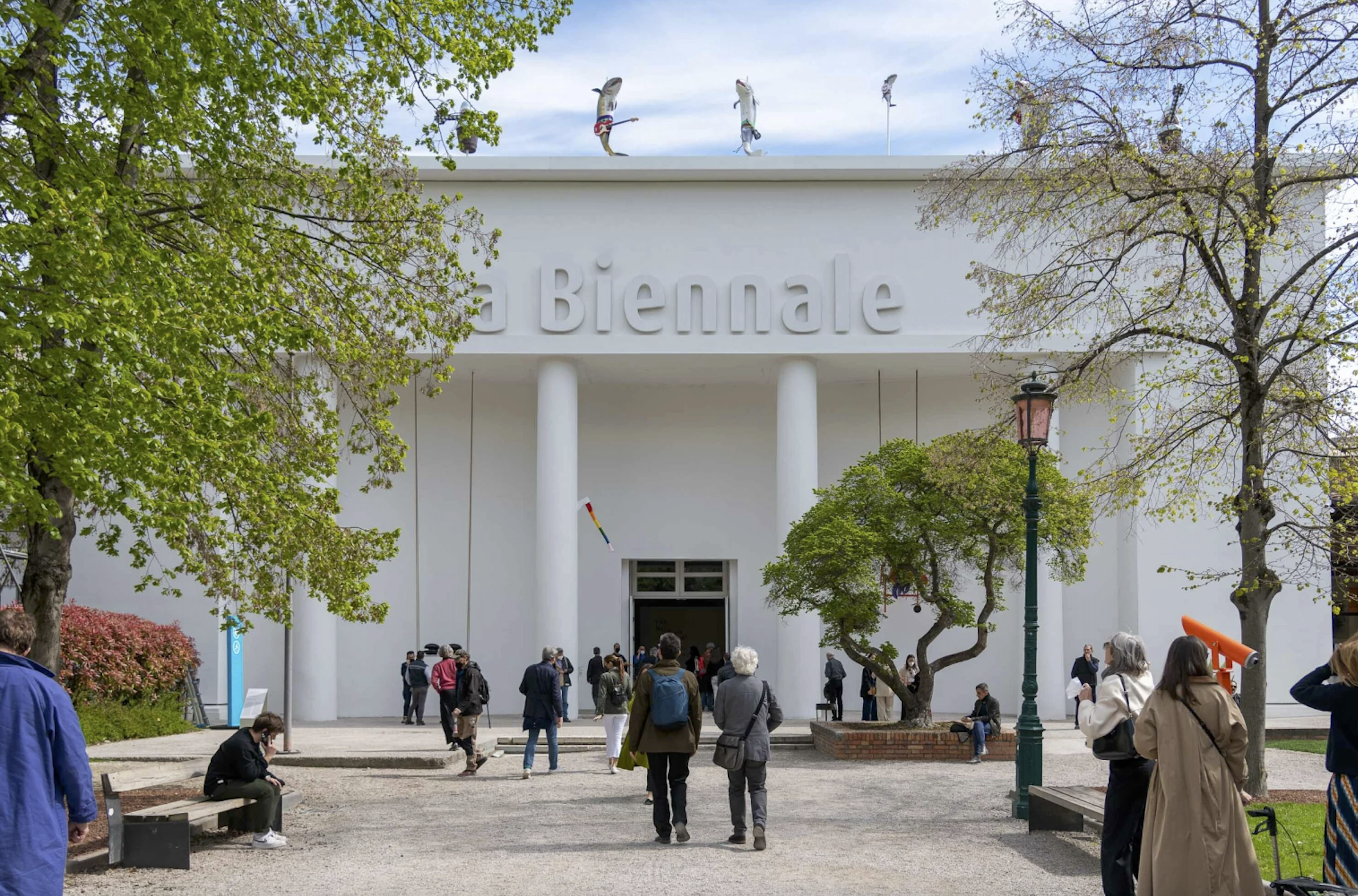
At the Venice Biennale, the Thrill of Victory, the Agony of Defeat

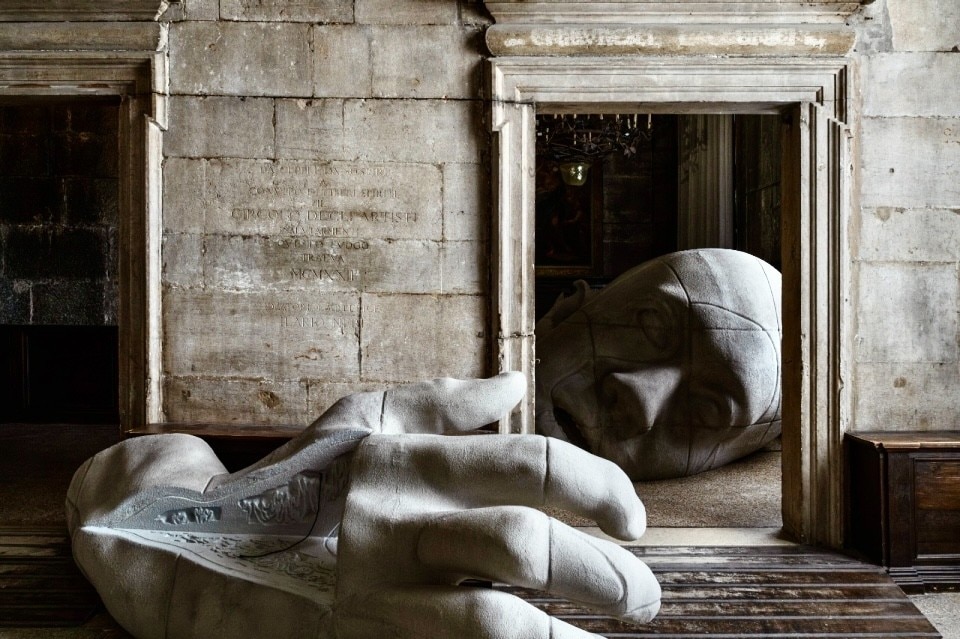
The article reports on the opening of the 61st Venice Biennale, highlighting the central exhibition "In Minor Keys" conceived by the late Koyo Kouoh, along with national pavilions and collateral events. It notes standout contributions from artists such as Alvaro Barrington, Kaloki Nyamai, Florentina Holzinger, Ei Arakawa-Nash, Li Yi-Fan, and Dries Verhoeven, while describing the American pavilion as lackluster and the overall commercial offerings as uneven. The text also covers performances and exhibitions featuring nudity and body horror, including Tino Sehgal's "The Kiss" and Maja Malou Lyse's video with the collective DIS.
Japan's Art Market Growth and Asian Art News

japans art market growth asian art news 2748613

Japan’s art market demonstrated remarkable resilience in 2024, growing by 2% to reach $692 million despite a 12% contraction in the global art market. A government-commissioned report by economist Clare McAndrew revealed that the Japanese market is characterized by high-volume, lower-value transactions, with 93% of sales occurring at price points under $10,000 and dealers accounting for the vast majority of trade.

asia pivot art news july 2665322

Art Collaboration Kyoto announced 72 exhibitors for its fifth edition, with 25 first-time participants. Patti Wong, former Sotheby's executive, launched New Perspectives Art Partners with Ed Dolman, Brett Gorvy, and others. Art Fair Tokyo's 20th edition saw sales of ¥2.86 billion, down 10% from last year. Lisa Horikawa and Mizuki Takahashi were appointed co-curators of Japan's pavilion at the Venice Biennale. The Sharjah Art Foundation named Angela Harutyunyan and Paula Nascimento curators of the 17th Sharjah Biennial. YDP, a new non-profit space in London, will open with a solo show by Duan Jianyu. At Sotheby's London, Yu Nishimura's painting sold for £292,100. Hong Kong collector Adrian Cheng resigned from New World Development's board.

paint drippings art industry news apr 28 2636696

This week's art industry roundup covers major developments across art fairs, auction houses, galleries, and museums. At Expo Chicago, emerging artist Auudi Dorsey sold her painting *Rumble* (2025) for $14,000 on opening day at Palo Gallery, while the fair featured 170 exhibitors including 20 from South Korea amid tariff concerns. Vienna Contemporary appointed Abaseh Mirvali as artistic advisor for 2025-2026. Sotheby's was selected by Barbara Gladstone's estate trustees to sell her collection, starting with a May 15 single-owner sale of 12 works estimated at over $12 million. Nine artworks from the Anne and Sid Bass collection head to Christie's New York, and Sotheby's secured a $70 million Alberto Giacometti sculpture for its May 13 evening sale. Philipp Kaiser departed Marian Goodman Gallery after six years. Customs backlogs from President Trump's import policy changes are causing shipping headaches, with DHL halting business-to-consumer shipments over $800 to the U.S. Air de Paris withdrew from Art Basel. Mexico City gallery OMR hired Agustina Ferreyra as director. Angelica Jopling is expanding her London gallery Incubator to New York. Alexander Gray Associates now represents Donald Moffett. In museums, the National Endowment for the Humanities, following DOGE staff cuts, is offering grants up to $600,000 for statues for Trump's National Garden of American Heroes. CCS Bard appointed Lauren Cornell as artistic director and Mariano Lopez Seoane as graduate program director. The New York Academy of Art named Paul R. Provost president. The Artists' Legacy Foundation appointed Daisy Murray Holman executive director. The Speed Art Museum named Diallo Simon-Ponte assistant curator. The Garage Museum of Contemporary Art in Moscow appointed Daria Kotova director. The Nasher Sculpture Center named Carlos Basualdo director. The Cultural Infrastructure Index reported a 17% drop in completed cultural projects in 2024.

What You Should Definitely Avoid in Venice

Was man in Venedig unbedingt vermeiden sollte

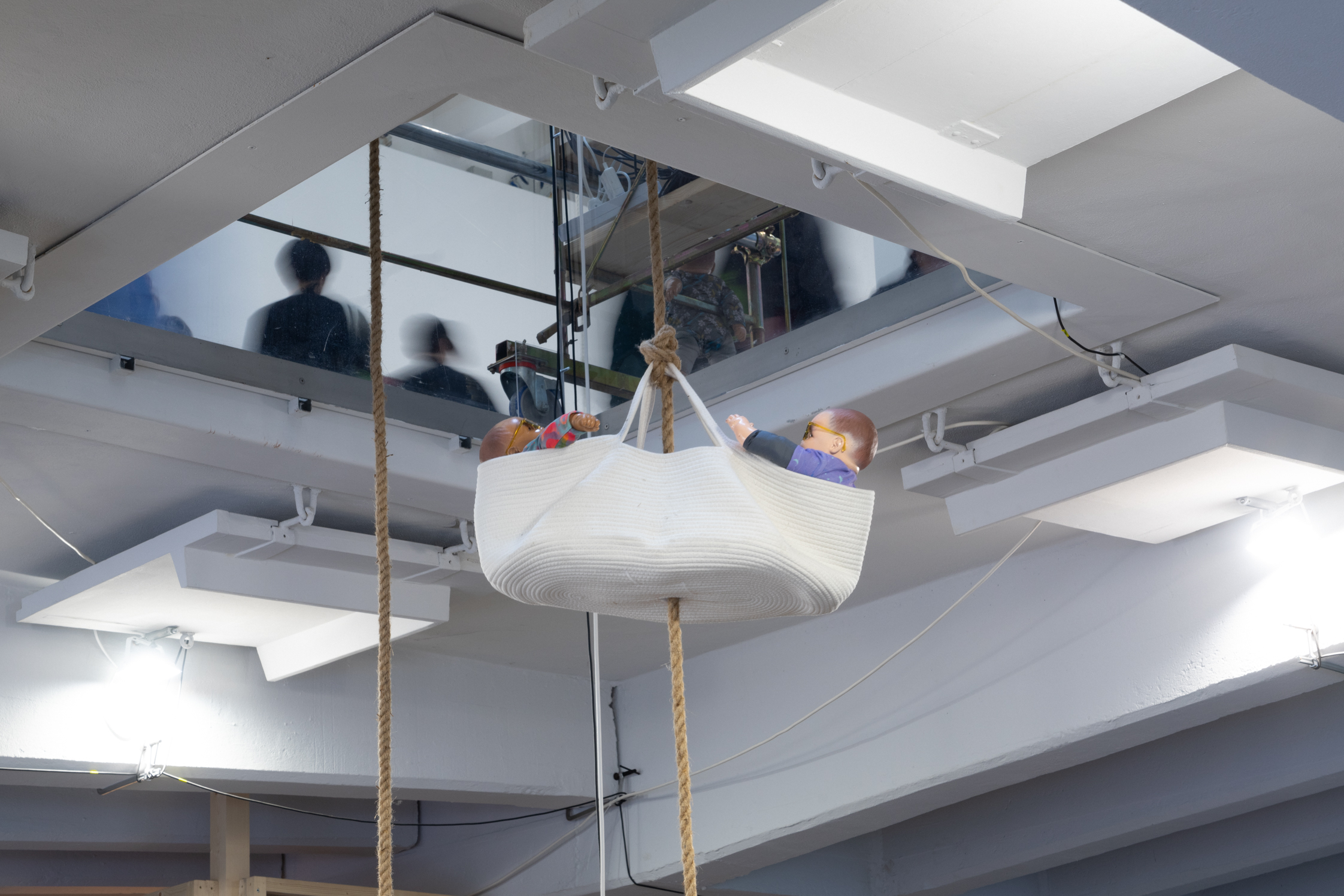
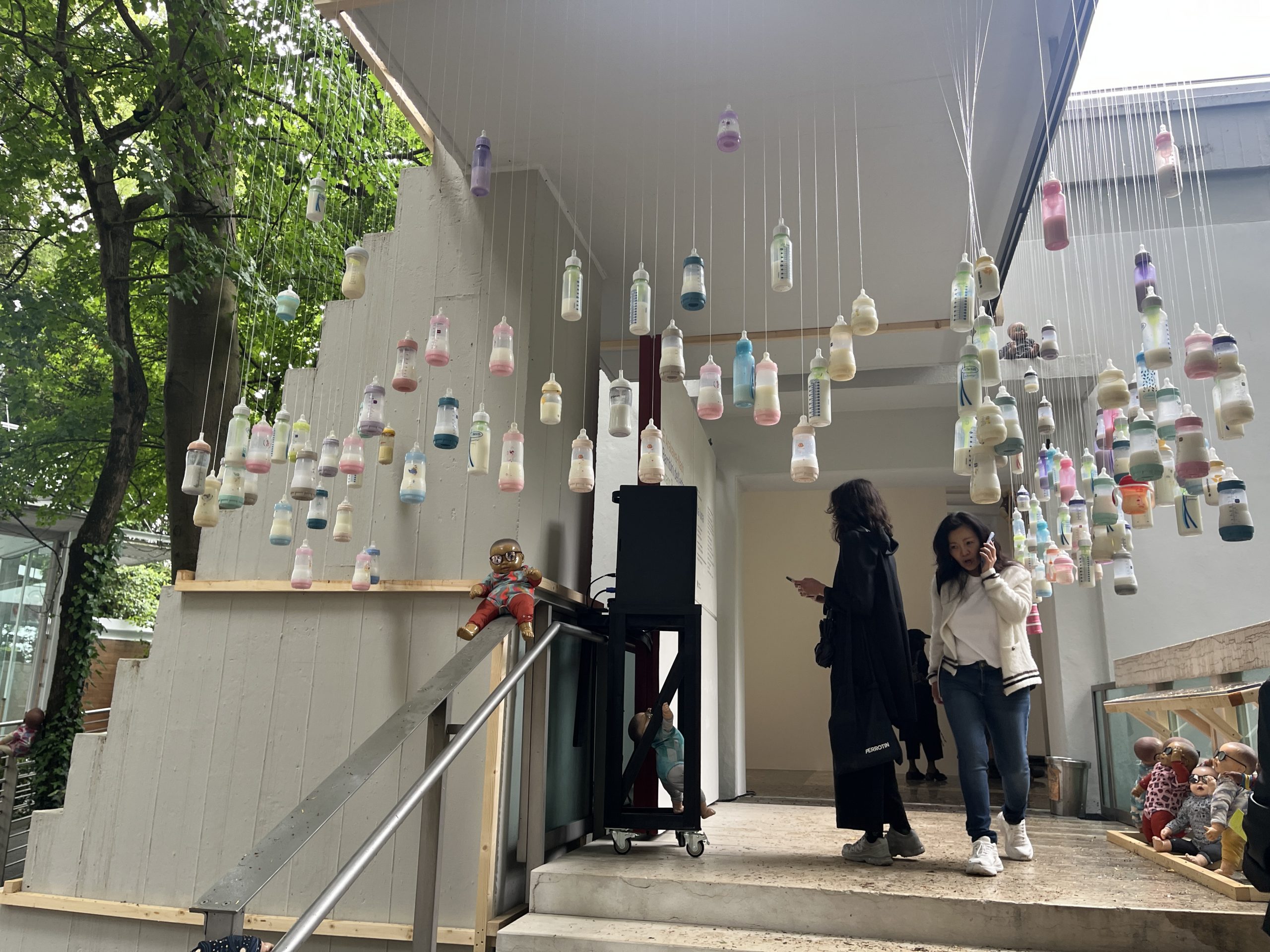
The article humorously critiques the Venice Biennale, highlighting several disappointments. It describes a Japanese pavilion installation by Ei Arakawa-Nash featuring baby dolls for diaper-changing, which a critic dismisses as a male artist over-romanticizing parenthood. Other flops include long queues for the German and Austrian pavilions, underwhelming main exhibition "In Minor Keys," and annoying self-promotional performers outside venues. The piece also laments the presence of loud American collectors and donors who dominate the event.

5 Trends Shaping the 2026 Venice Biennale

The 2026 Venice Biennale has opened to the public, featuring the main exhibition 'In Minor Keys' conceived by the late Cameroonian Swiss curator Koyo Kouoh, who died unexpectedly in May 2025. Kouoh, the first African woman appointed to lead the Biennale, had her curatorial team—including Rasha Salti, Marie Hélène Pereira, and Gabe Beckhurst Feijoo—carry forward her vision of art as a 'shared and sustaining force.' The opening was weighted with politics and emotion.

The Interview: Ei Arakawa-Nash

Ei Arakawa-Nash, a Japanese American performance artist, was selected to represent Japan at the 61st Venice Biennale, becoming the first non-Japanese national to do so in a solo presentation. This follows his first solo museum exhibition, "Paintings Are Popstars," at Tokyo's National Art Center in 2024, which was also the center's first solo show devoted to a performance artist. In an interview with ArtReview, Arakawa-Nash discusses his naturalization as a U.S. citizen, his complex relationship with national identity, and his upcoming Venice exhibition titled "Grass Babies, Moon Babies," cocurated by Lisa Horikawa and Takahashi Mizuki, which will explore themes of care and reparation using babies as a central motif.

Naked jetskiers, giant bells and a celebrity seagull! Venice Biennale’s wildest moments – in pictures

The Guardian presents a photo essay capturing the most eccentric and memorable moments from the 61st Venice Biennale, running until 22 November 2026. Photographer David Levene documents installations including a concrete 'Origami Deer' evacuated from war-torn Pokrovsk, Ukraine, by artist Zhanna Kadyrova; a seagull that became a minor celebrity after nesting outside the Polish pavilion; and the Holy See pavilion's immersive sound installation curated by Hans Ulrich Obrist and Ben Vickers. Other highlights include the Egyptian pavilion's touch-and-smell 'Silence Pavilion' and a Polish pavilion film featuring deaf and hearing singers.

The Only Guide to This Year’s Venice Biennale You Will Ever Need

The 61st Venice Biennale opens amid significant turmoil. The entire jury of the International Art Exhibition resigned after a statement about withholding prizes from countries with leaders charged with crimes against humanity by the ICC, leading to the cancellation of the Golden Lion awards in favor of 'Visitors' Lions' to be given at the exhibition's end. The event has been further marred by the sudden death of artistic director Koyo Kouoh from liver cancer in early 2025, and the death of artist Henrike Naumann, who was set to debut work in the German pavilion. Additionally, the selection process for the American pavilion artist, Mexico-based sculptor Alma Allen, sparked controversy after a delayed grant application process.

Behind every great artist... there is a great gallery. A look at the 2026 Venice Biennale

Dietro ogni grande artista… c’è una grande galleria. Un punto sulla Biennale Arte 2026

The 61st Venice Biennale, titled "In Minor Keys" (May 9 – November 22, 2026), features over 90% living artists, a significant shift from recent editions focused on historical rediscoveries. Curated by the late Koyo Kouoh (1967–2025), the first African woman to lead the Biennale, the exhibition includes 111 artists, with a majority of women (64 vs. 48 men) and the highest percentage of African-born artists ever (20%). Notable participants include Nick Cave, Carsten Höller, Alfredo Jaar, and Kader Attia, with a focus on mid-career and established figures rather than emerging or deceased artists.

romania wins long term hold on disputed el greco 1234745914

Romania has secured a "long-term hold" on El Greco's painting *Saint Sebastian* (1610–1614), which was pulled from a Christie's New York Old Masters sale in February. The work is claimed by Romania as unlawfully taken from its national collection in 1947. The painting will remain at Christie's until legal proceedings resolve the dispute. Meanwhile, Italian sculptor Arnaldo Pomodoro died in Milan at age 98, and abstract painter Thornton Willis died in New York at 89. Other news includes a letter from National Gallery director Gabriele Finali defending the Rubens attribution of *Samson and Delilah*, Japan's curatorial appointments for the 2026 Venice Biennale, and a Bristol City Council fundraiser to acquire an early JMW Turner painting.

ArtReview April & May 2026 Issue Out Now

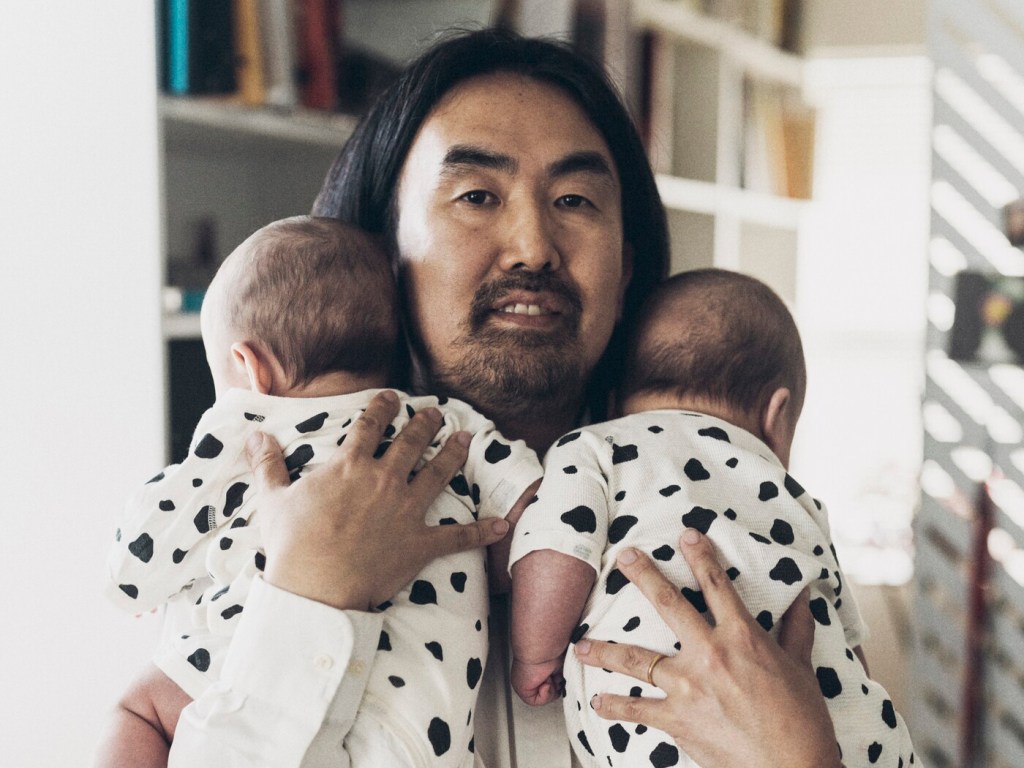
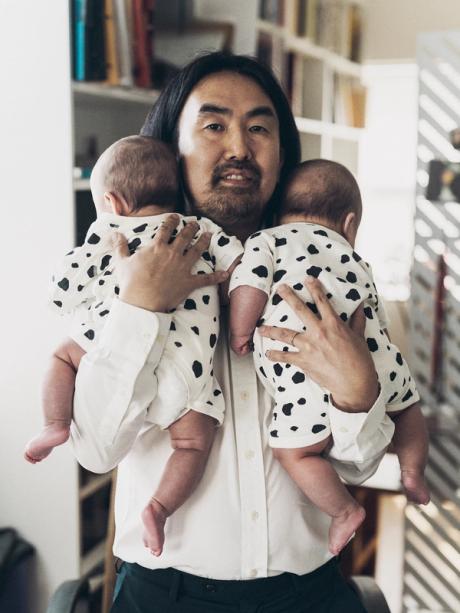
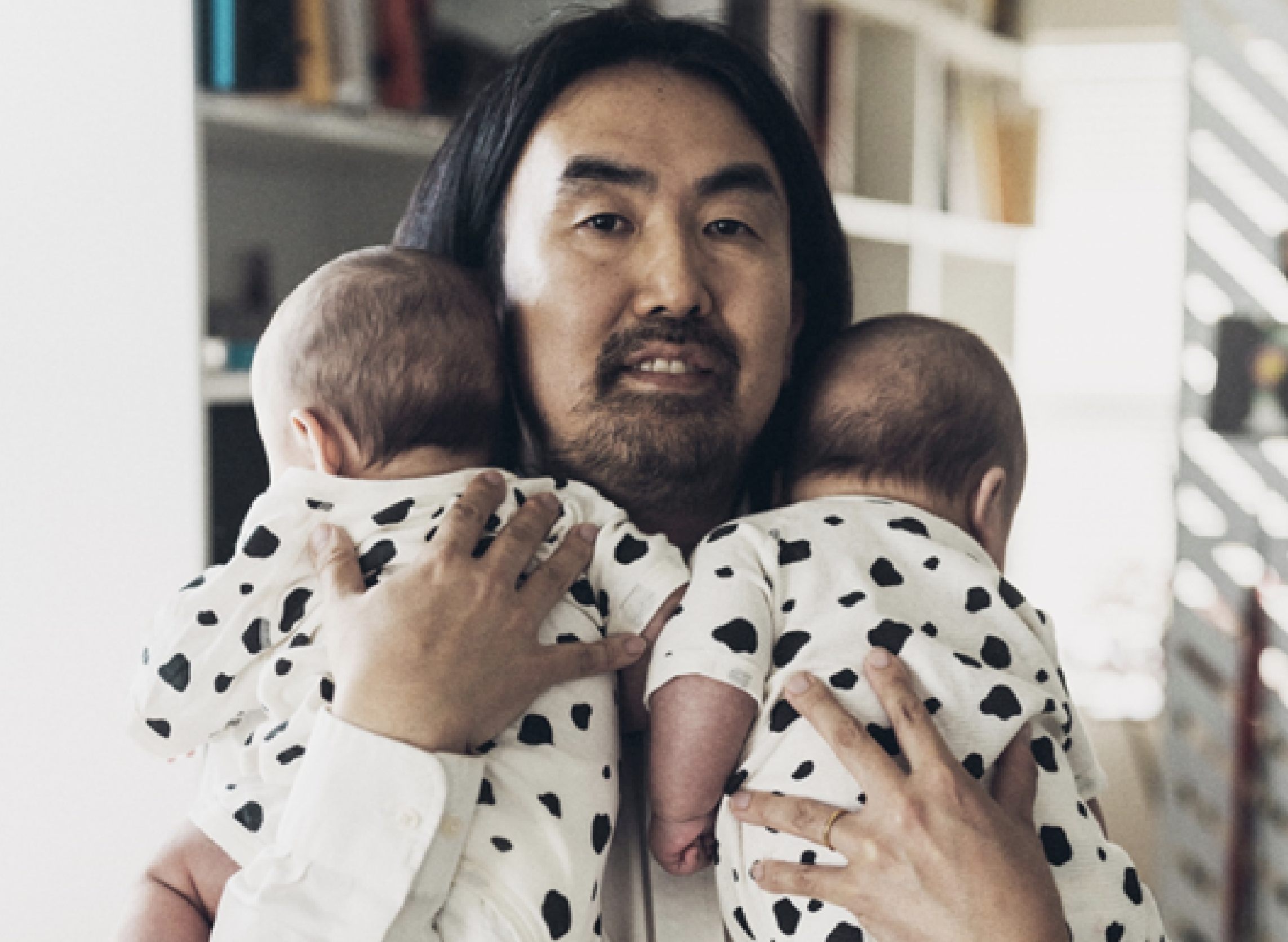
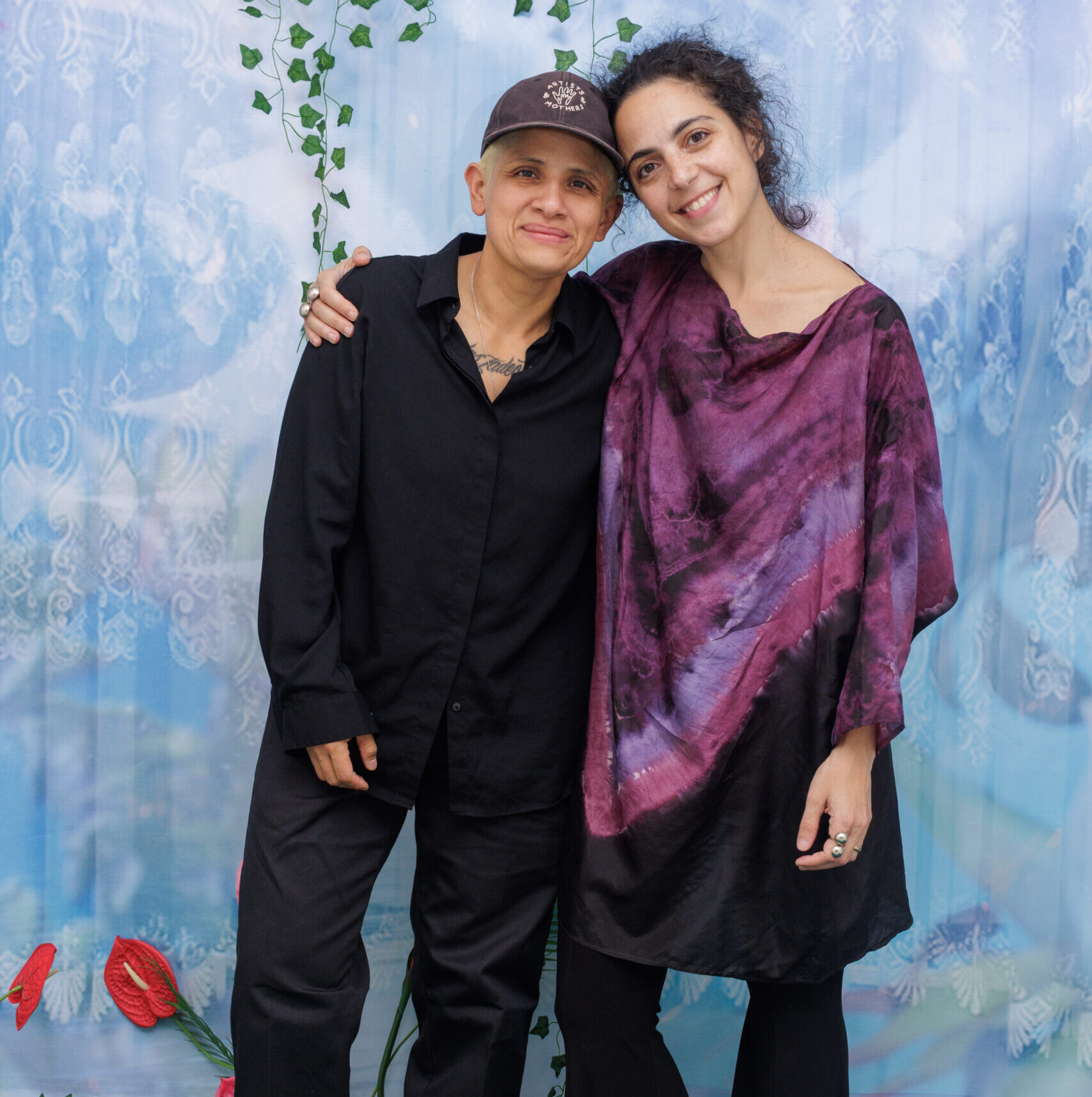
ArtReview's April & May 2026 issue explores boundaries and limitations in art, with a focus on the 61st Venice Biennale opening amid global conflicts. The cover features Japanese-American performance artist Ei Arakawa-Nash with his husband and twin babies, whose collaborative installation at the Japanese Pavilion incorporates the unpredictability of childcare. The issue includes coverage of controversial national pavilions (Russian, Israeli, American), profiles of artists representing Mongolia and Singapore, and features on Beverly Buchanan, Arthur Jafa, Richard Prince, and Zehra Doğan's report from Rojava. It also reviews the 82nd Whitney Biennial, the 25th Biennale of Sydney, and the 15th Shanghai Biennale.

A Time of Transition

During the preview week of the 61st Venice Biennale, escalating protests targeted the national pavilions of Israel and Russia, with demonstrations by Pussy Riot, ANGA (Art Not Genocide Alliance), and Baltic pavilions. A major protest on May 8 drew over 3,000 people in solidarity with Palestine, and 27 national pavilions—including Austria, the Netherlands, France, and Japan—staged a strike, the first at the Biennale since 1968. The Golden Lion jury resigned after declaring they would not consider countries under ICC investigation (Israel and Russia), and the Biennale administration replaced the prize with a visitors' award, from which half the artists in the main exhibition have withdrawn.

We visited the 2026 Venice Art Biennale: the exhibitions and pavilions you shouldn’t miss

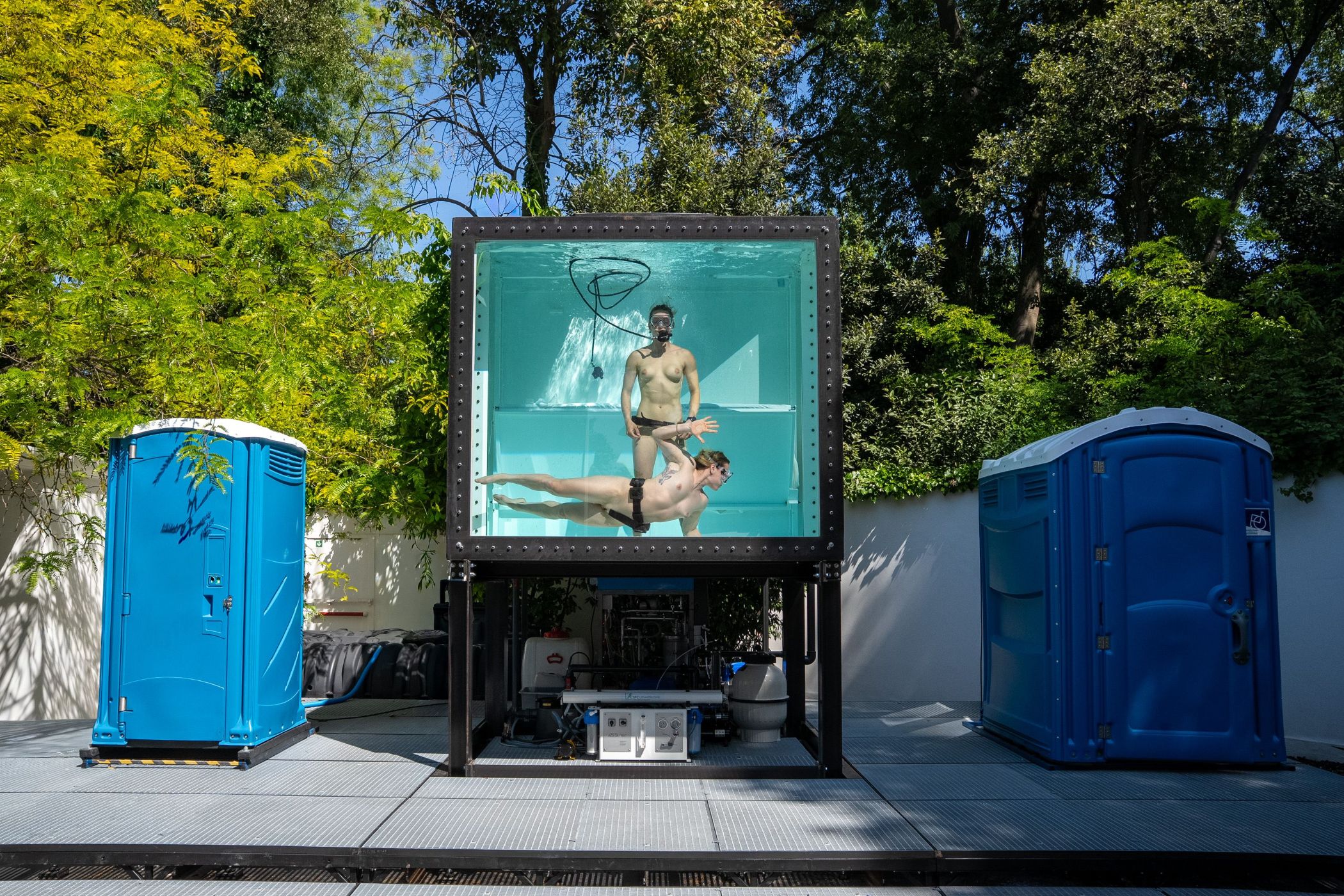
The 2026 Venice Art Biennale has opened across the Giardini, Arsenale, and venues throughout the city, with geopolitics, climate collapse, and national identities dominating the exhibitions. Notable pavilions include Austria's "Seaworld Venice" by Florentina Holzinger, the Czech and Slovak Pavilion's "Il Silenzio della Talpa" by Jakub Jansa and Selmeci Kocka Jusko, India's "Geographies of Distance: remembering home" featuring multiple artists, and the Taiwan Pavilion's "Screen Melancholy" by Li Yi-Fan. The Russian Pavilion has become a focal point of controversy, with guards and empty beer bottles outside, and the Pussy Riot collective staging a protest nearby.

Must-See National Pavilions at the 61st Venice Biennale

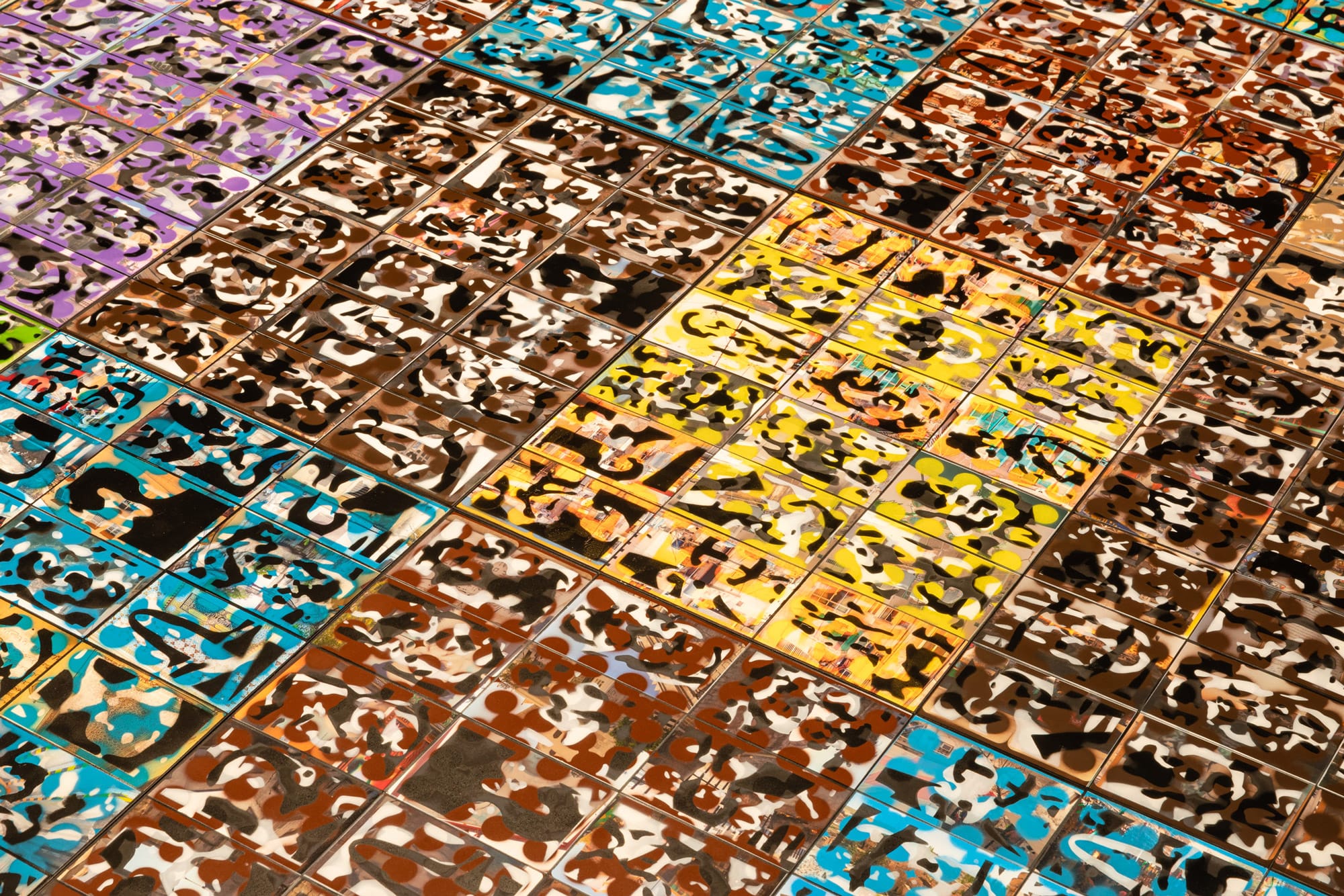
The 61st Venice Biennale features standout national pavilions from Japan, the Philippines, Timor-Leste, Singapore, and India. Japan presents Ei Arakawa-Nash's 'Grass Babies, Moon Babies,' an interactive exhibition with hand-sewn baby dolls and sound pieces exploring queer parenthood and collective care. The Philippines showcases Jon Cuyson's 'Sea of Love / Dagat ng Pag-ibig,' a solo show using 'mussel thinking' to highlight Filipino seafarers. Timor-Leste's 'Across Words' brings together three artists addressing ethnolinguistic diversity and cultural memory, while Singapore presents Amanda Heng's 'A Pause,' a feminist performance on vulnerability and resilience. India's pavilion features Ranjani Shettar's work, supported by Talwar Gallery.

ei arakawa nash japan 2026 venice biennale pavilion 1234739727

Ei Arakawa-Nash, a Los Angeles–based performance artist, has been selected to represent Japan at the 2026 Venice Biennale, as announced by the Japan Foundation. He will create a new installation for the Japan Pavilion that explores his perspective as a queer parent of newborn twins, aiming to “dissect nationalism and patriarchy.” Arakawa-Nash, who gave up his Japanese nationality a few years ago, draws on post-war avant-garde movements like Gutai and Tokyo Fluxus, and his recent works include a large-scale participatory performance at Tate Modern's Turbine Hall in 2021.

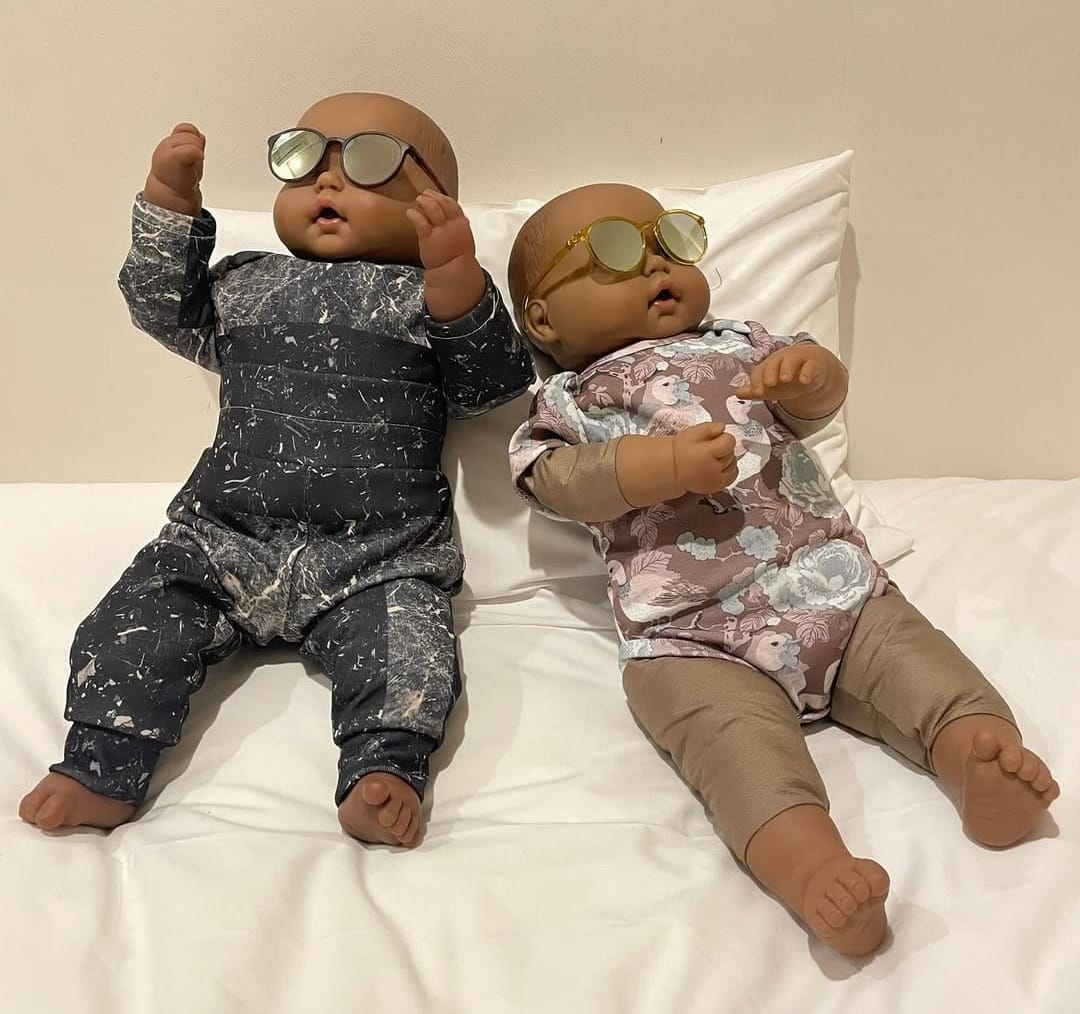
Mind the baby! Visitors to the Japanese Venice Biennale pavilion will be asked to look after dolls

Ei Arakawa-Nash, a Japanese-born artist who no longer holds Japanese citizenship, will represent Japan at the Venice Biennale with an exhibition titled "Grass Babies, Moon Babies." The pavilion will feature over 100 baby dolls that visitors are invited to adopt and carry, engaging in caregiving tasks such as changing a nappy. Each doll corresponds to a historically significant date tied to minority communities, linking intimate acts of care to broader historical narratives. The project also includes a collaboration with the Korean Pavilion, marking the first such partnership between the two national pavilions in Biennale history.

Best in Show: 6 Standouts at the 2026 Venice Biennale

Artnet News writers highlight six standout exhibitions at the 2026 Venice Biennale, which opens to the public on May 9. Among the picks are Ei Arakawa-Nash's interactive installation "Grass Babies, Moon Babies" at the Japan Pavilion, featuring baby dolls and diaper-changing stations; Florentina Holzinger's provocative performance "Seaworld Venice" at the Austria Pavilion, involving nude performers, jet skis, and recycled wastewater; and Dayanita Singh's photographic exhibition "Archivio" at the State Archives of Venice, presenting intimate black-and-white images arranged as freestanding columns.

The best and worst we saw at the Venice Art Biennale 2026. Artribune's hits and flops

Il meglio e il peggio che abbiamo visto alla Biennale d’Arte di Venezia 2026. Top e flop di Artribune

The 61st Venice Biennale, titled "In Minor Keys" and directed by Koyo Kouoh, opened amid significant turmoil: the death of a newly appointed curator, diplomatic tensions over the presence of Russia and Israel, political protests, and the unprecedented collective resignation of the jury, which led to the Golden Lions being awarded by public vote for the first time. Despite this chaotic backdrop, the exhibition—featuring a record 100 national pavilions—has been widely praised for avoiding moralistic pedagogy and instead embracing visual seduction, formal quality, and sensory joy while addressing themes of identity, memory, colonialism, ecological crisis, and violence. The article highlights top and flop moments from the opening week, including strong showings by Biennale president Pietrangelo Buttafuoco and a standout exhibition at Fondazione Prada.

art artists and mothers nonprofit organization

Since 2024, the nonprofit organization Artists & Mothers has been addressing a critical gap in the art world by offering grants for nine months of childcare to New York-based artists with children under three. The organization was founded by Julia Trotta and Maria De Victoria, with board members including Camille Henrot, Bridget Donahue, Maia Ruth Lee, Sarah Goulet, and Elizabeth Karp-Evans. In a Q&A format, the group discusses their motivations, influences, and hopes for a more equitable art world, highlighting works such as Lea Lublin's 1968 performance "Mon fils" and anticipating Ei Arakawa-Nash's Japanese Pavilion at the Venice Biennale.

Drained, Drowning, and Decay: The Best National Pavilions at the Venice Biennale

The 2026 Venice Biennale is defined by themes of ruin and decay, with standout national pavilions exploring bodily, infrastructural, and archaeological collapse. The Slovenian Pavilion features the Nonument Group repurposing materials from past Biennales into a ruin of a mosque for Bosnian Muslim soldiers from World War I. Syria presents its first national pavilion since the Civil War, with Sara Shamma invoking Palmyra, destroyed by ISIS. Germany's pavilion, titled "Ruin," features works by Henrike Naumann (who died in February) and Sung Tieu, questioning the pavilion's fascist architecture and nationalist residue. The Austrian Pavilion, curated by Florentina Holzinger, offers a visceral performance titled "Sea World." The Biennale is also marked by the abrupt resignation of its five-member jury, who refused to consider nations charged with crimes against humanity, leading to awards being chosen by public vote. Additionally, the main exhibition "In Minor Keys" was affected by the death of its curator, Koyo Kouoh.

Editor’s Letter: Still, Listening

The 61st Venice Biennale, titled "In Minor Keys" and curated by the late Koyo Kouoh, opens in May 2026, shifting focus from Eurocentric narratives to quieter, relational, and improvisational voices from the Global South. ArtAsiaPacific's May/June issue honors Kouoh's vision with features on artists including Gala Porras-Kim (a 2025 MacArthur Fellow), Khaled Sabsabi (representing Australia), and others like Liang Yuanwei, Yuko Mohri, Mona Hatoum, Tadanori Yokoo, Gayane Umerova, Li Yi-Fan, Hyeree Ro, and Ei Arakawa-Nash, with contributions from a curatorial team that carried Kouoh's work forward after her death in 2025.

Al Padiglione del Giappone della Biennale di Venezia vi affidano una bambola da accudire

The Japan Pavilion at the Venice Art Biennale 2026 features an immersive, interactive exhibition titled "Grass Babies, Moon Babies" by Japanese-American artist Ei Arakawa-Nash. Visitors are invited to care for one of 200 dolls, each with a QR code that provides a "diaper poem" linked to the doll's symbolic birth date—reflecting the artist's personal experience of becoming a father in 2024 and broader social dynamics in Japan. The pavilion, curated by Lisa Horikawa and Mizuki Takahashi, evolves over the seven months of the Biennale as a platform for shared care and participation.

Wer vertritt wen in Venedig?

parties artists and mothers gala wsa

Over 250 supporters gathered at downtown creative hub WSA on Sunday for the first annual gala of the nonprofit Artists & Mothers, a sold-out fundraiser for the organization’s hallmark $25,000 childcare grants supporting artists with children under three. The event featured interactive installations by Ei Arakawa-Nash, Lisa Alvarado, and Maia Ruth Lee, performances by DJ Cardamami, Sophie Becker, Zeena Parkins, and others, and was attended by co-founders Julia Trotta and Maria De Victoria, incoming First Lady of New York Rama Duwaji, numerous artists, curators, patrons, and gallerists.

SPLENDID PLAYGROUND at Galerie Meyer Kainer

Galerie Meyer Kainer in Vienna is presenting "SPLENDID PLAYGROUND," a group exhibition featuring works by Ei Arakawa-Nash, Nikolas Gambaroff, and Nora Schultz. The show runs from March 20 to May 16, 2026, and includes 29 images documenting the exhibition, as published by Contemporary Art Daily.

Body as Device. Guide and Reflection on the Performances of the Venice Biennale

Corpo come dispositivo. Guida e riflessione sulle performance della Biennale di Venezia

The article analyzes the role of performance art at the 2026 Venice Biennale, arguing that performance is no longer a rediscovered genre but a structurally institutionalized primary form of experience production. It examines how the body reemerges not as an alternative to image-based works but as an internal interruption of the artwork system, preventing closure and reintroducing instability. Key pavilions are discussed: Austria's Florentina Holzinger with "Sancta" draws on 1970s radical performance and feminist body art, creating an immersive environment of continuous movement; Belgium's Miet Warlop with "IT NEVER SSST" engages post-dramatic theater and postmodern dance repetition; Japan's Ei Arakawa-Nash with "Grass Babies, Moon Babies" activates Gutai avant-garde legacies through viewer interaction with soft dolls.

Venice Biennale opens without a jury amid strife over Russian and Israeli participation

The Venice Biennale, one of the world's most prestigious contemporary art exhibitions, opens its most contested edition in memory without a jury after the jury resigned in protest over the participation of Israel and Russia, both under investigation by the International Criminal Court for human rights abuses. Protests have erupted outside the Israeli and Russian pavilions, with demonstrators clashing with police, while feminist groups from Ukraine and Russia converged on the Russian Pavilion and Palestinians remembered artists killed in Gaza. The Biennale has replaced the jury with a public vote via email, with winners announced at the close on November 22.

Venice Biennale performances confront war and climate fears

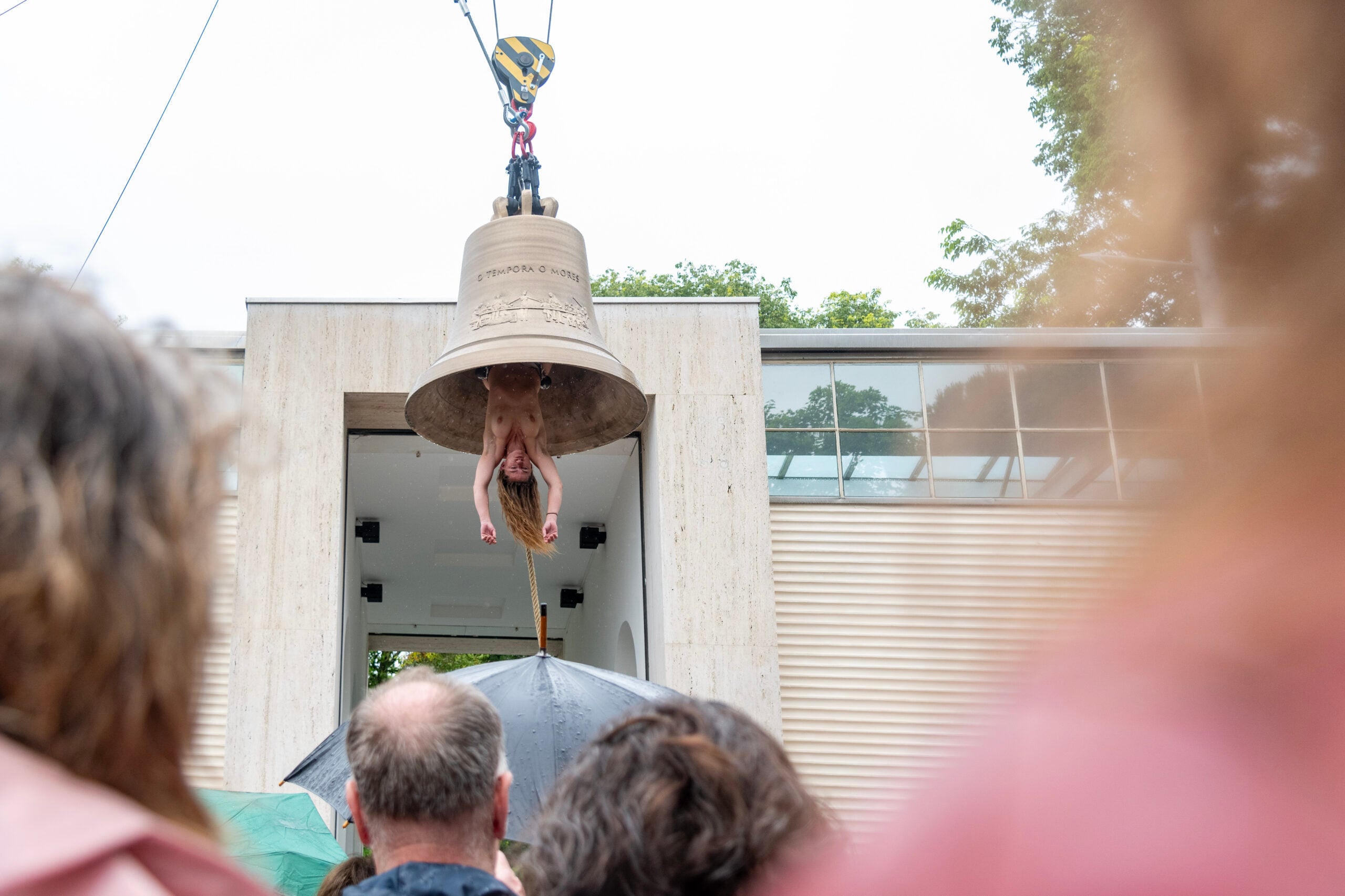
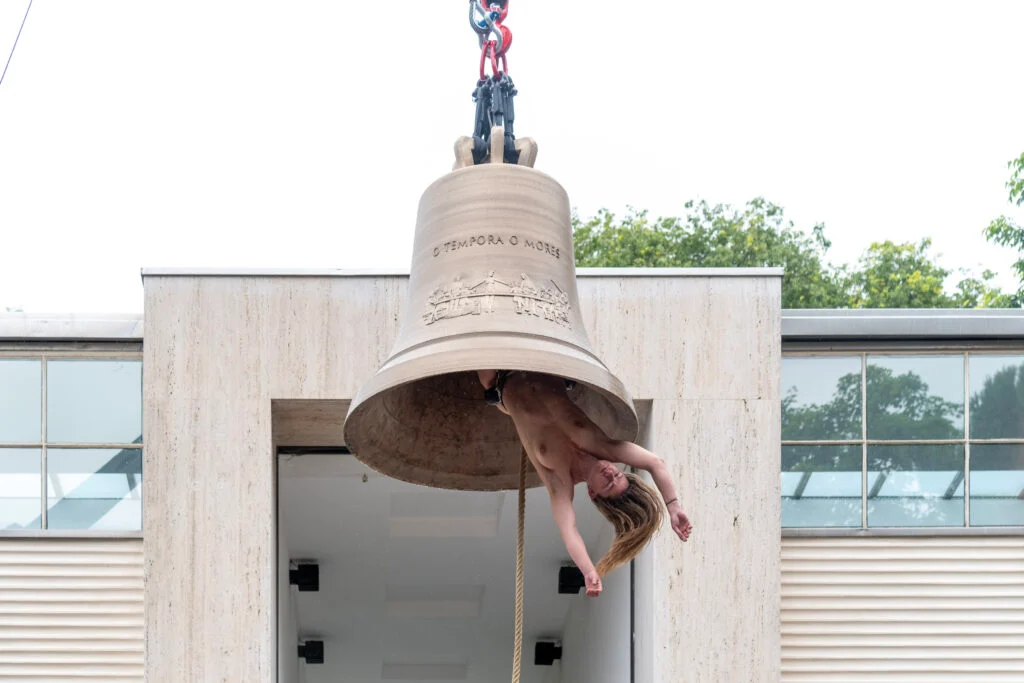
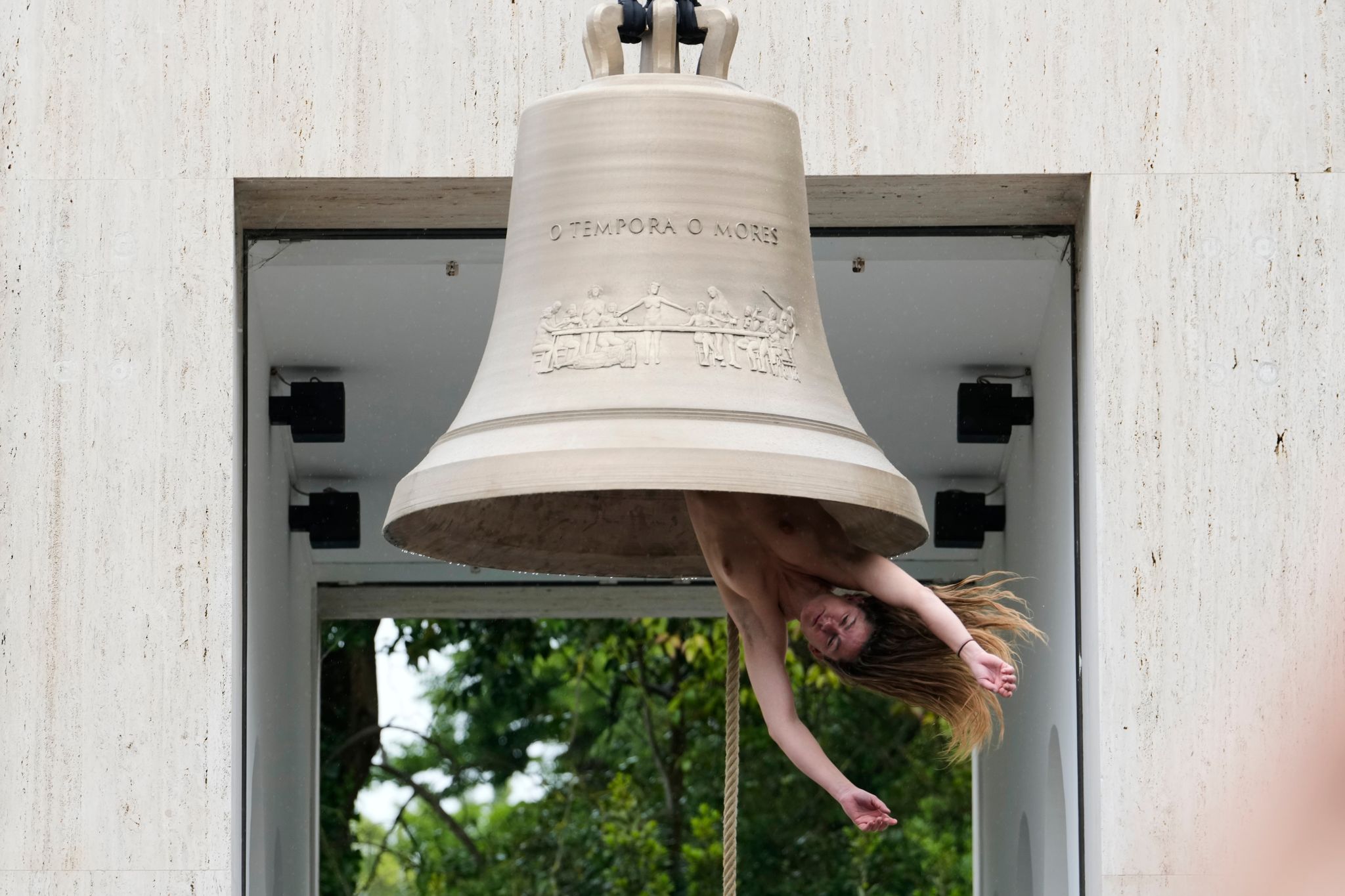
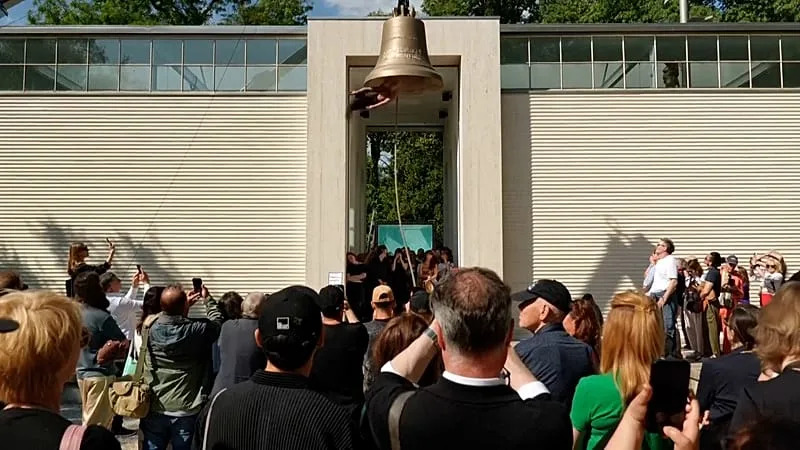
At the 2026 Venice Biennale, visitors encountered provocative performances and installations addressing war, climate anxiety, and human coexistence. Highlights include a naked performer acting as a human bell clapper in Florentina Holzinger's "Seaworld Venice" at the Austrian Pavilion, lifelike baby dolls in Ei Arakawa-Nash's caregiving-focused work at the Japanese Pavilion, and drone-powered flying carpets in Moldova's pavilion that transform symbols of war into tools of peace. The Nordic Pavilion also presented surreal installations exploring coexistence and environmental fears.